
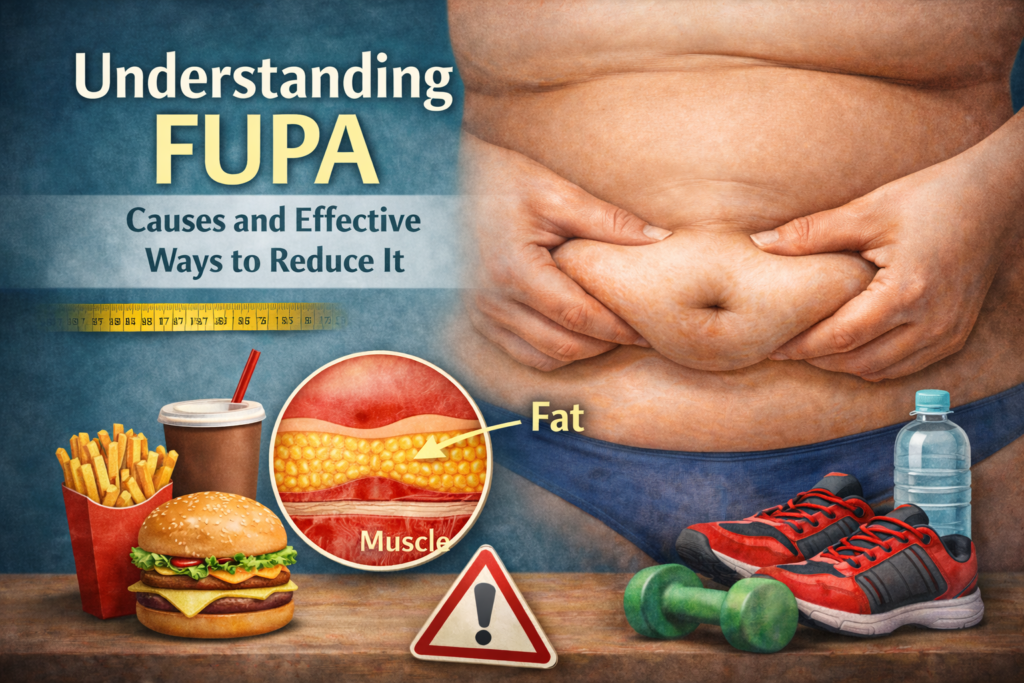
Understanding FUPA: Causes and Effective Ways to Reduce It
FUPA, an acronym for Fat Upper Pubic Area, is a term commonly used to describe excess fat that accumulates in the lower abdominal region just above the pubic bone. While it is not a medical condition, FUPA can affect self-confidence, body image, and comfort. Many people struggle with this stubborn area of fat despite regular exercise and diet.
In this article, we’ll explore what FUPA is, the reasons it develops, and practical, effective strategies to reduce it.
What Is FUPA?
FUPA refers to the subcutaneous fat pad located above the pubic bone. It is sometimes called the “mons pubis fat” in medical terms. This area tends to be stubborn and resistant to fat loss, making it a common concern for both men and women.
FUPA is usually noticeable when wearing tight clothing, swimwear, or low-rise pants. While it is mostly cosmetic, large amounts of fat in this area may sometimes contribute to discomfort, chafing, or skin irritation.
Causes of FUPA
Understanding the causes of FUPA is essential for effective reduction. Some common contributors include:
1. Genetics
Genetics play a significant role in where your body stores fat. Some people naturally accumulate fat in the lower abdominal and pubic area, making FUPA more likely.
2. Weight Gain
Overall weight gain contributes to fat accumulation in various areas of the body, including the upper pubic region. Poor diet, sedentary lifestyle, and lack of physical activity can exacerbate FUPA.
3. Hormonal Changes
Hormonal fluctuations, especially high cortisol levels from stress, menopause, or insulin resistance, can increase fat storage in the lower belly. Women may notice FUPA developing after pregnancy or during hormonal shifts.
4. Pregnancy and Childbirth
Pregnancy stretches the abdominal muscles and skin, sometimes leaving behind a fat pad above the pubic area even after losing pregnancy weight.
5. Aging
As metabolism slows with age, fat storage patterns change. Fat may accumulate in the lower abdominal region, making FUPA more prominent over time.
6. Poor Posture and Muscle Weakness
Weak core muscles, including the lower abs and pelvic floor, can allow fat in the pubic area to protrude more visibly. Strengthening these muscles can improve the appearance of FUPA.
How to Reduce FUPA
While spot reduction is a myth, a combination of diet, exercise, and lifestyle changes can help reduce overall body fat, which will eventually impact the FUPA area.
1. Focus on Overall Fat Loss
- Calorie Deficit: Burn more calories than you consume to reduce overall body fat.
- Balanced Diet: Prioritize lean protein, whole grains, healthy fats, and vegetables.
- Limit Processed Foods: Reduce sugar, refined carbs, and trans fats.
2. Targeted Exercises for Lower Abs and Core
Although you cannot spot-reduce fat, strengthening the muscles underneath can improve tone and appearance. Effective exercises include:
- Leg Raises: Strengthen lower abs and pelvic region.
- Planks: Engage the entire core for stability and fat-burning.
- Bicycle Crunches: Target lower and oblique muscles.
- Mountain Climbers: A cardio-based core exercise that burns calories and tones abs.
- Pelvic Tilts: Strengthen lower abs and reduce fat protrusion above the pubic area.
Consistency is key. Aim for 3–4 core-focused workouts per week, combined with full-body cardio.
3. Cardiovascular Exercise
Cardio helps burn calories and reduce body fat, which will eventually decrease FUPA. Effective cardio options include:
- Running or jogging
- Cycling
- Swimming
- High-Intensity Interval Training (HIIT)
Aim for 150–300 minutes of moderate cardio per week for optimal fat loss.
4. Strength Training
Building lean muscle mass increases metabolism, helping burn fat more effectively. Include exercises like:
- Squats and lunges
- Deadlifts
- Push-ups and bench press
- Rowing or resistance band exercises
Strength training 2–3 times a week complements cardio and core work.
5. Lifestyle Changes
- Stress Management: High cortisol levels can contribute to fat storage. Meditation, yoga, and deep breathing can help.
- Sleep: 7–9 hours of quality sleep promotes metabolism and hormonal balance.
- Hydration: Drinking enough water aids fat metabolism and reduces bloating.
6. Medical and Cosmetic Options
For individuals struggling with stubborn FUPA, medical or cosmetic interventions may help:
- Liposuction: Surgically removes fat from the pubic area.
- CoolSculpting: Non-invasive fat reduction using cold therapy.
- Laser Treatments: Reduce localized fat and tighten skin.
These options should be considered only after consulting a licensed healthcare professional.
Diet Tips to Reduce FUPA
Certain foods can support fat loss and reduce inflammation, aiding FUPA reduction:
- Lean Proteins: Chicken, fish, tofu, legumes
- Whole Grains: Brown rice, oats, quinoa
- Healthy Fats: Avocado, nuts, olive oil
- Fiber-Rich Foods: Vegetables, fruits, flax seeds
- Green Tea: Supports metabolism and fat oxidation
Avoid excessive processed foods, sugary drinks, and refined carbs, which contribute to lower abdominal fat accumulation.
Common Myths About FUPA
- Spot Reduction Works – While targeted exercises strengthen muscles, fat loss occurs overall, not just in one area.
- FUPA Only Affects Overweight Individuals – Even people with healthy BMI can have FUPA due to genetics, hormones, or postpartum changes.
- Crunches Alone Eliminate FUPA – Core exercises are important but must be combined with cardio, strength training, and diet for visible results.
When to Consult a Doctor
Seek professional guidance if:
- FUPA causes discomfort or skin irritation
- There are sudden changes in abdominal shape unrelated to diet/exercise
- You are considering surgical interventions
- Hormonal issues or weight gain are unexplained
A doctor or certified nutritionist can provide personalized advice and rule out underlying conditions.
Conclusion
FUPA, or fat above the pubic area, is a common and natural occurrence influenced by genetics, hormones, aging, and lifestyle factors. While it can be stubborn, a combination of healthy diet, core strengthening exercises, cardio, and lifestyle adjustments can help reduce its appearance.
Medical interventions are available for those seeking faster or targeted results, but lifestyle changes remain the cornerstone of healthy, sustainable FUPA reduction.
Key Takeaways:
- FUPA is not a medical condition but can affect confidence and comfort.
- Genetics, weight gain, pregnancy, and hormones are common causes.
- Reducing FUPA requires overall fat loss, core strengthening, and healthy lifestyle habits.
- Persistent or severe cases may benefit from medical or cosmetic procedures.
Frequently Asked Questions (FAQs)
1. Can FUPA go away completely?
Yes, with consistent weight loss, exercise, and healthy lifestyle habits, FUPA can reduce, though genetics may influence the final appearance.
2. Are there exercises that target FUPA specifically?
Core exercises like leg raises, planks, and mountain climbers strengthen underlying muscles but fat loss occurs overall, not just in one spot.
3. Does pregnancy cause FUPA permanently?
Pregnancy can stretch abdominal muscles and create fat accumulation above the pubic area. Postpartum exercise and diet can significantly reduce FUPA.
4. Can diet alone remove FUPA?
A healthy diet supports overall fat loss but should be combined with exercise and core strengthening for best results.
5. Are cosmetic procedures safe for FUPA?
Procedures like liposuction or CoolSculpting are generally safe when performed by licensed professionals, but they carry risks and require consultation.
6. Does age affect FUPA?
Yes, slower metabolism and hormonal changes with age can contribute to fat accumulation in the lower abdominal region.
If you are passionate about writing about health, search for us with the query “write for us health” in search engines. Medical Doze always welcomes writers with new ideas and uniqueness in their content.