
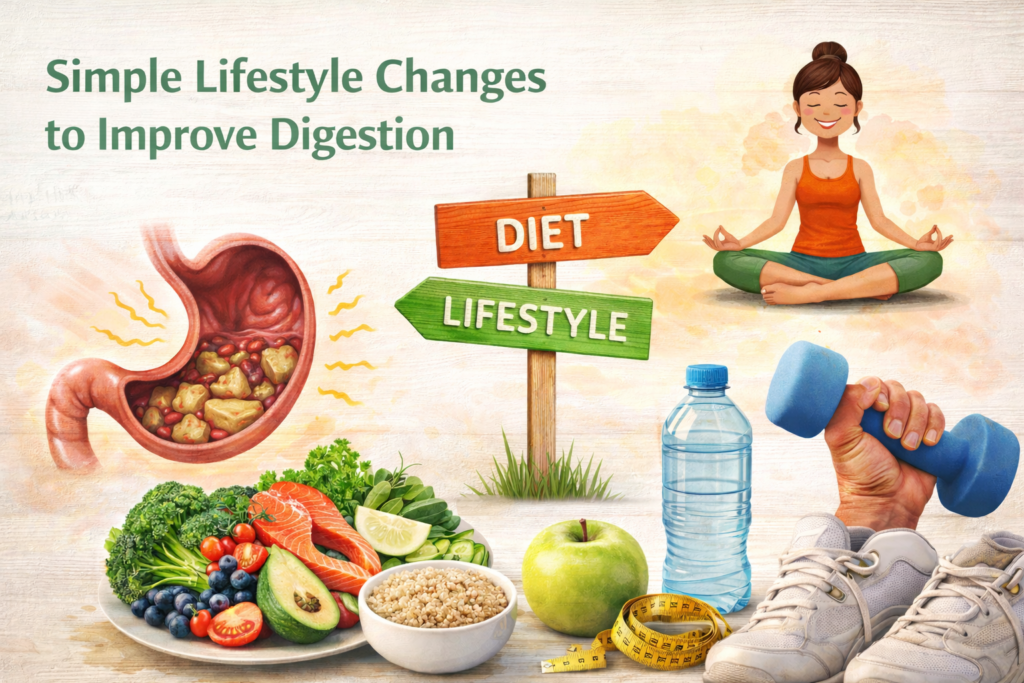
Gastroparesis Relief: Simple Lifestyle Changes to Improve Digestion
Gastroparesis is a condition that affects the stomach’s ability to empty food properly, leading to delayed digestion. This can cause nausea, bloating, feeling full quickly, and abdominal discomfort, impacting your quality of life. While medical management is important, lifestyle changes can play a crucial role in relieving symptoms and improving digestive health.
In this article, we’ll explore the causes of gastroparesis, common symptoms, and simple yet effective lifestyle strategies that can provide relief, improve digestion, and enhance your overall well-being.
Understanding Gastroparesis
Gastroparesis occurs when the stomach muscles fail to contract normally, slowing down the emptying of food into the small intestine. This disruption can be caused by various factors, including:
- Diabetes: High blood sugar can damage the vagus nerve, which controls stomach muscles.
- Medications: Certain painkillers, antidepressants, or anti-nausea medications can slow stomach emptying.
- Surgery: Procedures affecting the stomach or vagus nerve may lead to gastroparesis.
- Idiopathic Causes: Sometimes, the cause is unknown.
Understanding the underlying cause is essential for effective management, but diet and lifestyle adjustments can provide relief regardless of the origin.
Common Symptoms of Gastroparesis
Recognizing gastroparesis symptoms is key to addressing the condition effectively. Common symptoms include:
- Nausea and vomiting, especially after meals
- Bloating and abdominal discomfort
- Feeling full quickly, even after small meals
- Loss of appetite or unintentional weight loss
- Fluctuating blood sugar levels in diabetic patients
- Heartburn or reflux, caused by delayed stomach emptying
These symptoms can interfere with daily life, making it important to implement strategies that support digestion and reduce discomfort.
Lifestyle Changes for Gastroparesis Relief
While medications can help manage gastroparesis, lifestyle changes are equally important for long-term symptom management. The following strategies can improve digestion and promote gastroparesis relief.
1. Eat Smaller, More Frequent Meals
Eating smaller meals reduces stress on the stomach and allows food to pass more easily. Recommendations include:
- 5–6 small meals per day instead of 2–3 large ones
- Avoiding meals that are high in fat or fiber, which slow digestion
- Including easily digestible foods like soups, smoothies, and well-cooked vegetables
Smaller meals reduce bloating, nausea, and fullness, making digestion smoother and more comfortable.
2. Chew Food Thoroughly
Properly chewing food helps break down food particles, making it easier for the stomach to process and reducing strain on the digestive system. Eating slowly and mindfully can also prevent overeating, which worsens gastroparesis symptoms.
3. Opt for Low-Fat and Low-Fiber Foods
High-fat and high-fiber meals can slow gastric emptying, worsening gastroparesis symptoms. Focus on:
- Lean proteins: Chicken, fish, tofu
- Refined grains: White rice, white bread, pasta
- Well-cooked vegetables instead of raw, which are easier to digest
Reducing fat and fiber intake while ensuring adequate nutrition can significantly relieve symptoms.
4. Stay Hydrated
Proper hydration is essential for digestion and gastric motility. Drinking enough water helps prevent constipation and supports nutrient absorption. Tips include:
- Sip water between meals rather than during meals to prevent feeling too full
- Avoid carbonated beverages that can cause bloating
- Include hydrating foods like watermelon, cucumber, and soups
5. Incorporate Smoothies and Pureed Foods
For those struggling with solid foods, smoothies and pureed meals are excellent options. They provide nutrients without putting excessive strain on the stomach. Add ingredients like:
- Yogurt or kefir for probiotics
- Bananas or berries for vitamins and antioxidants
- Protein powders for energy and satiety
Smoothies are easy to digest and can help prevent nutrient deficiencies common in gastroparesis.
6. Avoid Lying Down After Meals
Lying down immediately after eating can slow digestion and worsen reflux. Strategies include:
- Wait at least 2–3 hours after eating before lying down or sleeping
- Elevate the head of your bed to reduce acid reflux
- Engage in gentle movement, like a short walk, to aid gastric emptying
7. Gentle Physical Activity
Light exercise helps stimulate gastric motility and improve overall digestion. Recommended activities:
- Walking or light cardio for 15–30 minutes after meals
- Gentle yoga poses that encourage movement of the digestive system
- Stretching to reduce abdominal discomfort and bloating
Avoid strenuous exercises immediately after eating, as they may worsen symptoms.
8. Manage Stress and Anxiety
Stress can slow gastric emptying and worsen gastroparesis symptoms. Strategies for stress management include:
- Mindfulness meditation or deep-breathing exercises
- Journaling or stress tracking
- Engaging in hobbies or activities that promote relaxation
- Therapy or counseling for ongoing mental health support
Managing stress not only supports digestion but also improves overall quality of life.
9. Consider Probiotics
Probiotics can support gut health and digestion in some gastroparesis patients. They help maintain a healthy balance of gut bacteria, which can improve nutrient absorption and reduce bloating. Options include:
- Yogurt with live cultures
- Kefir or fermented foods
- Probiotic supplements recommended by your healthcare provider
10. Monitor Blood Sugar Levels
For diabetic patients, blood sugar fluctuations can worsen gastroparesis. Strategies include:
- Eat balanced meals with protein and carbohydrates
- Monitor blood sugar before and after meals
- Work with your doctor to adjust medications or insulin
Stable blood sugar levels support digestion and reduce gastroparesis complications.
When to Seek Medical Help
Lifestyle changes are helpful, but medical intervention is necessary in some cases. Seek medical advice if you experience:
- Persistent vomiting or dehydration
- Significant weight loss or malnutrition
- Severe abdominal pain or bloating
- Blood in vomit or stool
- Symptoms that interfere with daily life despite lifestyle adjustments
Medical treatments may include medications like metoclopramide or erythromycin, gastric electrical stimulation, or, in severe cases, feeding tubes.
Summary
Gastroparesis can significantly affect daily life and digestive health, but simple lifestyle changes can provide relief and improve symptoms. Key strategies include:
- Eating smaller, frequent meals
- Chewing food thoroughly
- Choosing low-fat, low-fiber, and easily digestible foods
- Staying hydrated and incorporating smoothies or pureed foods
- Engaging in gentle physical activity
- Managing stress and anxiety
- Considering probiotics and monitoring blood sugar for diabetic patients
By implementing these lifestyle strategies, gastroparesis patients can support gastric emptying, reduce discomfort, and improve overall quality of life.
Frequently Asked Questions (FAQs)
1. What foods should I avoid with gastroparesis?
Avoid high-fat, fried, or very high-fiber foods like raw vegetables, fatty meats, and heavy sauces, as they slow digestion.
2. Can exercise help gastroparesis?
Yes, light exercise like walking or yoga after meals can stimulate digestion and reduce bloating.
3. Are smoothies helpful for gastroparesis?
Smoothies and pureed foods are easier to digest and provide essential nutrients without causing fullness or nausea.
4. How many meals should a gastroparesis patient eat daily?
5–6 small meals per day are recommended instead of large meals to reduce symptoms.
5. Can stress worsen gastroparesis symptoms?
Yes, stress can slow gastric emptying. Mindfulness, meditation, and relaxation techniques help manage symptoms.
6. Are probiotics effective for gastroparesis?
Probiotics can help improve gut health and digestion, though results vary. Consult your doctor before starting supplements.
7. When should I see a doctor?
Seek help if symptoms include persistent vomiting, severe bloating, weight loss, or blood in vomit/stool.
If you are passionate about writing about health, search for us with the query “write for us health” in search engines. Medical Doze always welcomes writers with new ideas and uniqueness in their content.