
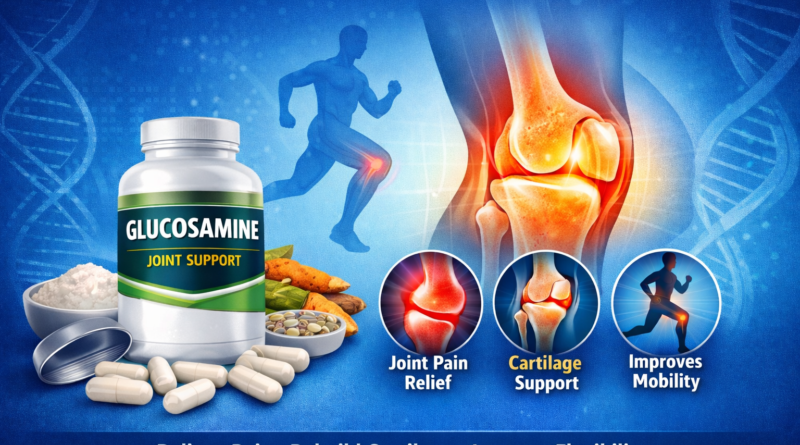
Glucosamine Supplements Joint Health And Mobility Explained
Introduction
Do your knees feel stiff when you wake up? Or do your joints ache after a long day of work or exercise? Joint discomfort is one of the most common health concerns worldwide, affecting people of all ages—not just older adults. If you’ve been searching for a natural way to support your joints, you’ve likely come across glucosamine supplements joint health and mobility explained as a popular solution.
As we age, the protective cartilage between our joints gradually wears down, increasing the risk of conditions like Osteoarthritis. This can lead to pain, stiffness, and reduced mobility. Glucosamine supplements are widely used to support joint health, but understanding how they actually work is key to making informed decisions.
In this in-depth guide, we’ll explore everything about glucosamine supplements—from how they function to their benefits, risks, and practical usage—so you can decide if they’re right for your lifestyle.
What is Glucosamine?
Glucosamine is a compound naturally found in the human body, primarily in cartilage.It plays a critical role in maintaining the structure and function of joints.
When discussing glucosamine supplements joint health and mobility explained, we’re referring to dietary supplements designed to replenish glucosamine levels and support cartilage health.
Natural Role in the Body
Glucosamine contributes to:
- Building cartilage
- Maintaining joint lubrication
- Supporting connective tissues
However, natural production declines with age, which is why supplementation becomes relevant.
Types of Glucosamine Supplements
There are three main forms available:
1. Glucosamine Sulfate
This is the most studied form and is often recommended for joint support.
2. Glucosamine Hydrochloride
Contains a higher concentration of glucosamine but may be less effective alone.
3. N-Acetyl Glucosamine
Used for additional benefits like skin and gut health, though less common for joints.
Why Joint Health and Mobility Matter
Your joints are essential for nearly every movement your body makes—from walking and bending to lifting and stretching. Without healthy joints, daily life can become difficult and painful.
Importance of Joint Function
- Allows smooth and pain-free movement
- Maintains flexibility and independence
- Supports physical activity and fitness
- Prevents long-term disability
Conditions like Arthritis can severely impact quality of life, making it crucial to prioritize joint care early on.
Understanding glucosamine supplements joint health and mobility explained helps individuals take proactive steps to maintain long-term joint function.
How Glucosamine Supplements Work
To fully grasp glucosamine supplements joint health and mobility explained, it’s important to understand their mechanism in the body.
Step-by-Step Process
1. Absorption into the Body
After ingestion, glucosamine is absorbed through the digestive system into the bloodstream.
2. Cartilage Repair Support
It stimulates the production of glycosaminoglycans, essential for cartilage formation.
3. Anti-Inflammatory Action
Helps reduce inflammation, a major cause of joint pain.
4. Slowing Degeneration
May slow down the breakdown of cartilage over time.
Simple Analogy
Think of cartilage as a cushion between your bones. Over time, this cushion wears out. Glucosamine acts like a repair and maintenance system that helps preserve that cushioning.
Key Benefits of Glucosamine Supplements
1. Enhanced Joint Mobility
One of the main highlights of glucosamine supplements joint health and mobility explained is improved flexibility. Users often experience smoother movement after consistent use.
2. Reduction in Joint Pain
Particularly beneficial for individuals with Osteoarthritis, glucosamine may help reduce discomfort.
3. Slower Cartilage Breakdown
Assists in protection of existing cartilage and slowing the more damage mentioned.
4. Improved Quality of Life
Better mobility leads to increased independence and daily comfort.
5. Support for Active Individuals
Athletes and physically active people use glucosamine to maintain joint performance.
Risks and Side Effects
Although generally safe, glucosamine supplements can have mild side effects.
Common Side Effects
- Upset stomach
- Nausea
- Bloating
- Diarrhea or constipation
Who Should Be Careful?
- People with shellfish allergies
- Individuals with diabetes
- Pregnant or breastfeeding women
Before a person ever starts on any given supplement, there should always be a consultation in each specified case with a healthcare professional.
Common Mistakes and Myths
Understanding glucosamine supplements joint health and mobility explained also means avoiding common misconceptions.
Myth 1: Instant Results
Glucosamine works gradually and requires consistent use.
Myth 2: It Cures Joint Diseases
It supports joint health but does not cure conditions like Arthritis.
Myth 3: Higher Doses Work Better
Taking more than recommended does not improve results and may cause side effects.
When Should You Take Glucosamine?
You should consider glucosamine supplements if you experience:
- Joint stiffness
- Mild to moderate joint pain
- Reduced mobility
- Early signs of cartilage wear
Ideal Candidates
- Older adults
- Athletes
- Individuals with physically demanding jobs
Recognizing these signs early is a key part of glucosamine supplements joint health and mobility explained.
Cost, Time, and Expectations
Cost Range
Glucosamine supplements are relatively affordable:
- $10 to $50 per month depending on quality
Timeframe for Results
- Initial improvement: 4–6 weeks
- Full effects: up to 12 weeks
What to Expect
- Gradual pain relief
- Improved flexibility
- Better joint function
Consistency is essential for optimal results.
Choosing the Right Glucosamine Supplement
Selecting the right supplement can make a significant difference.
Key Factors to Consider
- Form: Glucosamine sulfate is preferred
- Dosage: Around 1500 mg daily
- Purity: Choose high-quality, tested brands
- Add-ons: Chondroitin and MSM may enhance effectiveness
Lifestyle Tips for Better Joint Health
While glucosamine supplements joint health and mobility explained is helpful, lifestyle choices also play a crucial role.
Healthy Habits
- Maintain a healthy weight
- Exercise regularly
- Eat anti-inflammatory foods
- Stay hydrated
Recommended Activities
- Walking
- Swimming
- Yoga
- Stretching exercises
Combining supplements with healthy habits provides the best results.
Conclusion
Understanding glucosamine supplements joint health and mobility explained gives you the knowledge needed to take control of your joint health. These supplements offer a natural, effective way to support cartilage, reduce discomfort, and improve overall mobility.
While they are not a quick fix, consistent use combined with a healthy lifestyle can lead to noticeable improvements. Whether you’re dealing with early joint discomfort or aiming to prevent future issues, glucosamine can be a valuable addition to your wellness routine.
Don’t let joint pain limit your lifestyle. Take the first step toward better mobility today by exploring high-quality glucosamine supplements. Consult your healthcare provider, choose a trusted product, and commit to a healthier, more active future. Your joints will thank you!
Frequently Asked Questions (FAQs)
1. Do glucosamine supplements really work for joint health?
Yes, many users report improved mobility and reduced pain, especially in mild joint conditions.
2. How long should I take glucosamine supplements?
They can be taken long-term, but results should be evaluated after 2–3 months.
3. Can young people take glucosamine?
Yes, especially if they are physically active or experiencing joint stress.
4. Is glucosamine better than painkillers?
Glucosamine supports long-term joint health, while painkillers provide temporary relief.
5. Can glucosamine prevent joint problems?
It may help slow cartilage wear and support prevention when used early.
6. Are there natural alternatives to glucosamine?
Yes, options like turmeric, omega-3 fatty acids, and collagen may support joint health.
If you are passionate about writing about health, search for us with the query “write for us health” in search engines. Medical Doze always welcomes writers with new ideas and uniqueness in their content.