
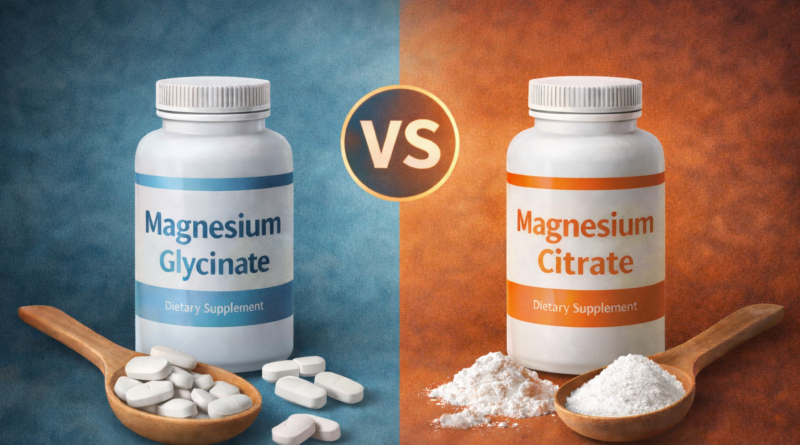
Magnesium Glycinate Vs Magnesium Citrate: Which One Is Right For You?
Magnesium is an essential mineral that plays a vital role in over 300 biochemical reactions in the human body. From supporting muscle function and nerve signaling to regulating blood sugar, heart health, and bone strength, magnesium is crucial for overall wellness. However, with multiple forms of magnesium available on the market, it can be confusing to know which one is right for you.
In this article, we will compare Magnesium Glycinate vs Magnesium Citrate, explore their benefits, absorption rates, and side effects, and help you decide which supplement best suits your needs.
What is Magnesium and Why Do You Need It?
Magnesium is a mineral involved in key bodily functions including:
- Muscle and nerve function
- Bone health
- Energy production
- Regulation of blood sugar and blood pressure
- Protein synthesis
- Heart rhythm stabilization
A deficiency in magnesium can lead to muscle cramps, fatigue, irritability, insomnia, and irregular heartbeats. Common causes of magnesium deficiency include poor diet, gastrointestinal disorders, excessive alcohol consumption, and certain medications.
Understanding Magnesium Glycinate
Magnesium Glycinate is a combination of magnesium and glycine, an amino acid. This form is highly bioavailable, meaning it is easily absorbed by the body and less likely to cause digestive upset.
Benefits of Magnesium Glycinate:
- High absorption: Magnesium Glycinate is gentle on the stomach and less likely to cause diarrhea.
- Supports sleep: Glycine has calming effects, making this supplement ideal for sleep support.
- Muscle relaxation: Helps reduce muscle cramps, tension, and spasms.
- Mood support: Can help with anxiety and stress due to its calming properties.
Ideal For:
- People with sensitive stomachs
- Individuals struggling with insomnia or anxiety
- Those needing daily magnesium supplementation without digestive side effects
Understanding Magnesium Citrate
Magnesium Citrate is magnesium bound to citric acid. It is also highly absorbable and is known for its mild laxative effect, making it useful for promoting bowel regularity.
Benefits of Magnesium Citrate:
- Promotes digestion: Helps relieve constipation and supports regular bowel movements.
- High bioavailability: Well-absorbed compared to other magnesium forms like magnesium oxide.
- Supports muscle function: Can reduce cramps and spasms.
- Bone and heart health: Contributes to calcium absorption and cardiovascular function.
Ideal For:
- Individuals suffering from occasional constipation
- People who want magnesium for general health but don’t mind the mild laxative effect
- Those who want a cost-effective supplement with multiple benefits
Key Differences Between Magnesium Glycinate and Magnesium Citrate
| Feature | Magnesium Glycinate | Magnesium Citrate |
| Absorption | High | High |
| Digestive Effect | Gentle, minimal laxative effect | Mild laxative effect |
| Best For | Sleep support, muscle relaxation, anxiety | Constipation, digestive support |
| Tolerance | Well-tolerated for daily use | May cause loose stools in sensitive individuals |
| Additional Benefits | Mood support, calmness | Digestive health, stool regulation |
Which One Should You Choose?
The choice between Magnesium Glycinate vs Magnesium Citrate depends on your specific health needs:
- If your goal is sleep, stress relief, or muscle relaxation: Magnesium Glycinate is usually the better choice.
- If your goal is digestive support or constipation relief: Magnesium Citrate may be more effective.
- For general magnesium supplementation: Both forms are effective, but consider tolerance and digestive sensitivity.
How to Take Magnesium Supplements Safely
When taking magnesium supplements, keep the following tips in mind:
- Start with a lower dose: Gradually increase to avoid digestive upset.
- Take with food: Helps improve absorption and reduce stomach discomfort.
- Avoid excessive dosage: High doses can cause diarrhea, nausea, and cramping.
- Check interactions: Magnesium can interact with certain medications like antibiotics, diuretics, and heart medications. Consult a healthcare professional if needed.
- Stay consistent: Daily supplementation is most effective for maintaining magnesium levels.
Signs You Might Need Magnesium Supplements
Magnesium deficiency can be subtle but may present with the following symptoms:
- Frequent muscle cramps or spasms
- Fatigue or low energy
- Difficulty falling asleep or staying asleep
- Anxiety or mood disturbances
- Irregular heartbeat or palpitations
- Digestive issues like constipation
If you experience these symptoms, magnesium supplementation may help, but it’s important to identify the right form for your needs.
Other Forms of Magnesium
Besides Glycinate and Citrate, there are other magnesium forms:
- Magnesium Oxide: Often used for digestive issues, but less absorbable.
- Magnesium Malate: Supports energy production and reduces muscle pain.
- Magnesium Threonate: Promotes cognitive function and brain health.
Each form has unique benefits, but for most people, Magnesium Glycinate or Citrate are the easiest to tolerate and absorb.
Lifestyle Tips to Boost Magnesium Levels Naturally
In addition to supplementation, magnesium levels can be supported through diet and lifestyle:
- Eat magnesium-rich foods: Leafy greens, nuts, seeds, whole grains, and legumes.
- Limit processed foods: High-sugar diets can deplete magnesium.
- Stay hydrated: Proper hydration helps magnesium absorption.
- Manage stress: Chronic stress can lower magnesium levels.
- Exercise regularly: Physical activity supports overall mineral balance.
Summary
Both Magnesium Glycinate and Magnesium Citrate are excellent choices for supplementation, but the right one depends on your individual needs. Magnesium Glycinate is ideal for sleep, relaxation, and daily supplementation, while Magnesium Citrate is best for digestive support and occasional constipation relief.
Maintaining proper magnesium levels is essential for muscle function, nerve signaling, bone health, and cardiovascular support. By understanding the differences between these forms, you can make an informed decision and choose the supplement that best supports your overall wellness.
Frequently Asked Questions (FAQs)
1. What is the difference between Magnesium Glycinate and Magnesium Citrate?
Magnesium Glycinate is bound to glycine, making it gentle on the stomach and ideal for sleep and muscle relaxation. Magnesium Citrate is bound to citric acid and has a mild laxative effect, making it effective for digestive support.
2. Which magnesium supplement is better for sleep?
Magnesium Glycinate is preferred for sleep support due to its calming effects from the glycine component.
3. Can Magnesium Citrate cause diarrhea?
Yes, because of its mild laxative effect, Magnesium Citrate may cause loose stools, especially in high doses.
4. How much magnesium should I take daily?
Adult men typically need 400–420 mg, while adult women need 310–320 mg per day. Always consult a doctor for personalized recommendations.
5. Can I take both Magnesium Glycinate and Magnesium Citrate together?
Yes, some people split doses to target different health benefits—Glycinate for sleep and Citrate for digestive health—but check with your healthcare provider first.
6. Are magnesium supplements safe long-term?
When taken within recommended doses, magnesium supplements are generally safe. Excessive intake can cause diarrhea, nausea, or abdominal discomfort.
7. Can magnesium help with muscle cramps?
Yes, both Magnesium Glycinate and Magnesium Citrate can reduce muscle cramps and spasms, though Glycinate may be gentler for daily use.
If you are passionate about writing about health, search for us with the query “write for us health” in search engines. Medical Doze always welcomes writers with new ideas and uniqueness in their content.