
Misophonia Coping Mechanisms for Trigger Sounds
Misophonia is a condition where certain everyday sounds trigger intense emotional or physical reactions. These reactions are often immediate and difficult to control. For someone experiencing misophonia, sounds that most people barely notice can feel overwhelming, stressful, or even unbearable.
Common trigger sounds include chewing, tapping, breathing, or repetitive background noises. When these sounds occur, the brain can react as if it is under threat, leading to frustration, anxiety, anger, or the urge to leave the environment quickly. Because of this, learning coping mechanisms becomes essential for maintaining focus, relationships, and emotional balance in daily life.
In this guide, we will go deeper into practical coping strategies that can help manage trigger sounds and reduce the intensity of misophonia responses over time.
Understanding What Triggers You
Before managing misophonia, it is important to understand exactly which sounds affect you and in what situations they occur. Many people assume they know their triggers, but when they start paying closer attention, they often discover patterns linked to specific environments, people, or stress levels.
Common trigger sounds include:
- Chewing or mouth sounds – These sounds are one of the most frequently reported triggers and often occur during meals or social gatherings.
- Pen clicking – Repetitive clicking noises can quickly become distracting and increase irritation levels.
- Keyboard typing – Fast or loud typing in quiet environments may cause discomfort or stress.
- Foot tapping – Continuous tapping can feel intrusive, especially when you are trying to focus.
- Breathing or sniffing sounds – These subtle sounds can become amplified in the mind of someone with misophonia.
- Repetitive background noises – Sounds like clock ticking or machine humming can build tension over time.
A helpful approach is to keep a trigger journal for a couple of weeks. This allows you to better understand how misophonia affects you.
Things to note in the journal:
- The specific sound that triggered you – Writing it down helps identify recurring triggers.
- Where the situation happened – Location often plays a role in how strongly a trigger affects you.
- Who was around you at the time – Some triggers are stronger depending on the social setting.
- Your emotional reaction level – Rating your reaction helps track improvement over time.
Once you understand your triggers, it becomes easier to prepare coping strategies before those situations arise.
Use Sound Masking Techniques
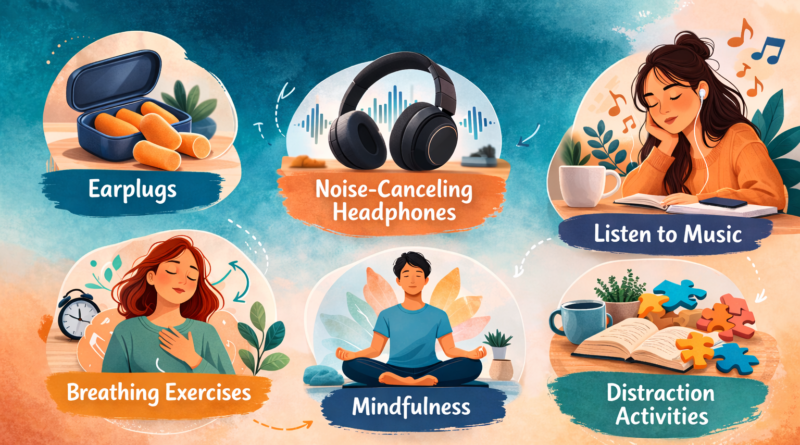
Sound masking is one of the most commonly used coping methods for misophonia. Instead of trying to eliminate noise completely, this technique works by introducing another sound that reduces the impact of the trigger.
Helpful sound masking options include:
- White noise machines – These devices produce steady background noise that can make trigger sounds less noticeable.
- Soft background music – Calm music can shift your attention away from irritating sounds.
- Nature sounds like rain or ocean waves – Natural audio can create a relaxing environment and reduce stress responses.
- Noise-canceling headphones – These headphones help block external sounds, especially in busy environments.
- Ambient sound apps – Mobile apps allow you to customize background sounds based on your comfort level.
For example, if you work in an office where keyboard typing or chewing sounds bother you, playing gentle background audio can reduce the intensity of your reaction.
Practice Controlled Breathing
Misophonia triggers often activate the body’s fight-or-flight response. When this happens, heart rate increases, muscles tense up, and emotions become difficult to control. Controlled breathing helps calm the nervous system and reduce the immediate reaction.
A simple breathing technique you can try:
- Inhale slowly through your nose for 4 seconds – This allows your body to begin calming down.
- Hold your breath for 2 seconds – Holding briefly helps stabilize breathing patterns.
- Exhale slowly through your mouth for 6 seconds – A longer exhale signals the body to relax.
- Repeat this cycle for one to two minutes – Practicing this can gradually lower emotional intensity.
Over time, controlled breathing becomes a quick tool you can use whenever a trigger sound appears.
Gradual Sound Desensitization
Some individuals benefit from gradually increasing their tolerance to trigger sounds through controlled exposure. This process is known as desensitization and should be done carefully.
Steps involved in gradual desensitization include:
- Listening to the trigger sound at a very low volume – Starting small helps prevent overwhelming reactions.
- Pairing the sound with relaxing activities – Combining exposure with calm experiences reduces stress association.
- Slowly increasing exposure over time – Gradual adjustment helps the brain become less reactive.
Many mental health professionals recommend doing this process with guidance, as they can help structure it safely and effectively.
Set Boundaries in Daily Life
Living with misophonia often requires setting practical boundaries to reduce stress and prevent constant exposure to triggers. These boundaries are not about avoiding life but about creating manageable environments.
Examples include:
- Choosing quieter seating areas in restaurants – Sitting in calm sections reduces exposure to trigger sounds.
- Using headphones while working – Headphones create a personal sound environment that improves concentration.
- Explaining your sensitivity to close friends or coworkers – Open communication helps others understand your needs.
- Taking short breaks during meetings or long conversations – Stepping away briefly can reset your emotional state.
Healthy boundaries can significantly reduce frustration and improve daily comfort.
Improve Your Environment
Your surroundings play a big role in how often you encounter trigger sounds. Making small changes to your environment can help lower noise intensity and reduce stress.
Environmental improvements may include:
- Adding carpets or rugs – Soft surfaces absorb sound and reduce echo in a room.
- Using curtains or wall décor – These can help dampen noise in shared spaces.
- Rearranging seating positions – Sitting farther from trigger sources can make a big difference.
- Playing soft background audio – A consistent sound layer can reduce sudden trigger exposure.
These adjustments often work best when combined with other coping strategies.
Cognitive and Emotional Coping Strategies
Misophonia reactions are not only about sound itself but also about how the brain interprets and reacts to it. Strengthening emotional regulation can help reduce the intensity of responses.
Helpful approaches include:
- Mindfulness practices – These techniques train your brain to stay present instead of reacting immediately.
- Stress management routines – Lower daily stress levels can reduce trigger sensitivity.
- Cognitive behavioral techniques – These methods help reframe thoughts linked to trigger sounds.
- Attention shifting – Focusing on another activity or sound can reduce fixation on the trigger.
- Emotional resilience building – Developing coping strength helps manage future triggers better.
With consistent practice, these strategies can significantly improve how the brain responds to trigger sounds.
Support From Therapy
Professional support can be very helpful for people who experience frequent or intense misophonia reactions. Therapists trained in sensory or anxiety-related conditions can provide structured guidance.
Therapy can help with:
- Understanding the psychological side of misophonia – Learning why certain sounds trigger strong reactions.
- Developing personalized coping strategies – Tailored approaches work better than general advice.
- Improving emotional control – Therapy helps manage anger, anxiety, or stress linked to triggers.
- Reducing avoidance behaviors – Support can help you feel comfortable in more environments.
In many cases, therapy combined with relaxation techniques and sound management strategies leads to better results.
Talking to Family and Colleagues
Misophonia is often misunderstood because people may think it is simply irritation or impatience. However, clear communication can help others support you.
Helpful communication tips include:
- Explain how certain sounds affect you – This helps people understand your experience better.
- Share simple ways they can help – Small changes from others can make a big difference.
- Stay calm during discussions – A calm explanation encourages cooperation rather than conflict.
When people understand misophonia, they are usually more willing to support you.
Daily Habits That Can Reduce Trigger Sensitivity
Your overall lifestyle can influence how strongly you react to trigger sounds. A well-regulated nervous system tends to handle stress and irritation more effectively.
Important habits include:
- Getting enough sleep – Proper rest helps your brain manage emotional responses better.
- Regular physical activity – Exercise reduces stress and improves mood stability.
- Limiting excessive caffeine – Too much caffeine can increase sensitivity and anxiety.
- Managing daily stress levels – Stress often makes trigger reactions stronger.
- Taking breaks from noisy environments – Quiet time helps your brain recover from stimulation.
These habits support long-term improvement in coping with misophonia.
Frequently Asked Questions (FAQs)
What is misophonia?
Misophonia is a condition where certain sounds trigger strong emotional or physical reactions such as irritation, anxiety, or anger.
What are the most common misophonia triggers?
Common triggers include chewing sounds, breathing noises, pen clicking, tapping, typing, and repetitive background sounds.
Can misophonia be treated?
While there is no single cure, many people successfully manage it through coping strategies, therapy, sound masking, and stress management techniques.
Do headphones help with misophonia?
Yes, noise-canceling or sound-masking headphones can reduce exposure to trigger sounds and make environments more comfortable.
Is misophonia related to anxiety?
Misophonia can sometimes be connected with anxiety or heightened sensory sensitivity, which is why stress management techniques can be helpful.
Should I see a professional for misophonia?
If misophonia is affecting your daily life, work, or relationships, consulting a mental health professional can provide structured support and coping strategies.
Can misophonia get worse over time?
In some cases, triggers can increase if stress levels rise or if the condition is not managed, but proper coping techniques can help control it.
If you are passionate about writing about health, search for us with the query “write for us health” in search engines. Medical Doze always welcomes writers with new ideas and uniqueness in their content.