
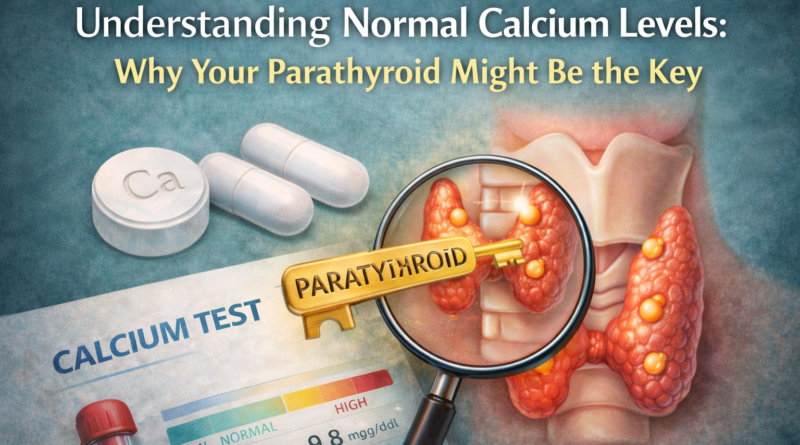
Understanding Normal Calcium Levels: Why Your Parathyroid Might Be the Key
Calcium is one of the most important minerals in the human body, yet many people overlook its vital role in maintaining overall health. From bone strength to muscle function, nerve signaling, and even heart health, calcium plays a central part in keeping our bodies functioning optimally. Understanding normal calcium levels and what influences them is crucial, especially when considering the role of the parathyroid glands. These tiny glands, often unnoticed, are powerful regulators of calcium in the body. In this article, we’ll explore everything you need to know about calcium levels, the parathyroid, and how to maintain a healthy balance.
What Are Normal Calcium Levels?
Normal calcium levels in the blood are generally measured in milligrams per deciliter (mg/dL). The typical reference range is 8.5 to 10.2 mg/dL, though exact ranges may vary slightly depending on the laboratory. Calcium in the blood exists in three forms:
- Ionized calcium: The active form of calcium that the body uses for cellular functions.
- Protein-bound calcium: Mostly attached to albumin, which acts as a reservoir.
- Complexed calcium: Bound to other compounds like phosphate and citrate.
Maintaining normal calcium levels is critical because both high and low levels can lead to serious health problems. Too little calcium, a condition called hypocalcemia, can cause muscle cramps, numbness, tingling, and even seizures. Too much calcium, or hypercalcemia, may result in kidney stones, fatigue, abnormal heart rhythms, and weakened bones.
The Role of the Parathyroid in Calcium Regulation
The parathyroid glands are four tiny glands located behind the thyroid in the neck. Despite their small size, they play a crucial role in regulating calcium levels through the secretion of parathyroid hormone (PTH). PTH acts as a key regulator by:
- Increasing calcium release from bones – PTH stimulates the breakdown of bone tissue to release calcium into the bloodstream when levels are low.
- Enhancing calcium absorption in the intestines – It indirectly promotes calcium absorption by activating vitamin D.
- Regulating calcium excretion by the kidneys – PTH reduces calcium loss in urine to maintain adequate levels in the blood.
In short, your parathyroid might be the key to understanding why your calcium levels fluctuate. If these glands are overactive (hyperparathyroidism) or underactive (hypoparathyroidism), calcium balance can be severely disrupted.
Causes of Abnormal Calcium Levels
1. Hyperparathyroidism
When the parathyroid glands produce too much PTH, it leads to hypercalcemia. Common causes include:
- Benign tumors (adenomas) on the parathyroid glands
- Chronic kidney disease
- Vitamin D deficiency
- Genetic factors
Symptoms may include fatigue, bone pain, kidney stones, excessive thirst, and frequent urination.
2. Hypoparathyroidism
In this condition, the parathyroid glands produce insufficient PTH, leading to low calcium levels (hypocalcemia). Causes can include:
- Surgical removal or damage during thyroid surgery
- Autoimmune diseases
- Genetic disorders
Symptoms of hypocalcemia include tingling in fingers and toes, muscle cramps, spasms, and in severe cases, seizures.
3. Vitamin D Deficiency
Vitamin D is essential for calcium absorption in the intestines. Low vitamin D levels can lead to secondary hyperparathyroidism, where the parathyroid compensates by producing more PTH to maintain calcium levels.
4. Kidney Disease
The kidneys play a critical role in calcium balance. Impaired kidney function can cause calcium levels to drop or rise, depending on how the body handles phosphate and PTH.
Symptoms of Abnormal Calcium Levels
Understanding the signs of calcium imbalance is essential for early intervention. Common symptoms include:
- Fatigue and weakness – Often the first sign of abnormal calcium.
- Bone and joint pain – Low calcium can weaken bones, leading to fractures.
- Muscle cramps and spasms – Hypocalcemia affects muscle contraction.
- Nausea and vomiting – Hypercalcemia may cause digestive issues.
- Frequent urination and thirst – A sign of high calcium levels.
- Heart rhythm irregularities – Severe calcium imbalance can affect the heart.
Diagnosing Calcium Imbalance
A healthcare provider can assess your calcium status through blood tests, measuring total calcium and ionized calcium levels. If abnormal levels are detected, further tests may include:
- PTH levels – To check parathyroid function
- Vitamin D levels – To evaluate calcium absorption
- Kidney function tests – To see if calcium excretion is affected
- Bone density scans – To assess the impact on skeletal health
It’s essential to accurately diagnose the root cause because treatment differs depending on whether the problem is the parathyroid, diet, or another underlying condition.
How to Maintain Normal Calcium Levels
Maintaining healthy calcium levels involves a combination of diet, lifestyle, and medical management when necessary.
1. Calcium-Rich Diet
Consuming foods high in calcium helps maintain normal levels:
- Dairy products like milk, cheese, and yogurt
- Leafy greens such as spinach, kale, and broccoli
- Fortified plant-based milk alternatives
- Nuts and seeds, especially almonds and chia seeds
- Fish with edible bones, like sardines and salmon
2. Adequate Vitamin D
Vitamin D improves calcium absorption. Sources include:
- Sunlight exposure
- Fatty fish like salmon and mackerel
- Fortified foods
- Supplements if recommended by your doctor
3. Regular Exercise
Weight-bearing exercises like walking, running, and resistance training help maintain bone density and support calcium regulation.
4. Avoid Excessive Sodium and Caffeine
High sodium and caffeine intake can increase calcium excretion in urine, potentially lowering blood calcium levels over time.
5. Medical Treatment When Needed
If the problem originates from the parathyroid, medical intervention may be necessary:
- Hyperparathyroidism: Surgery to remove overactive glands is common.
- Hypoparathyroidism: Calcium and vitamin D supplements are typically prescribed.
- Medications: Certain drugs can help control calcium levels or support bone health.
Parathyroid Disorders and Long-Term Health Risks
Chronic calcium imbalance can have serious consequences:
- Osteoporosis: Weakening of bones due to prolonged low calcium or high PTH levels.
- Kidney Stones: High calcium levels increase the risk of stones forming.
- Cardiovascular Issues: Both hypercalcemia and hypocalcemia can affect heart function.
- Neurological Symptoms: Severe calcium imbalance can cause confusion, depression, or memory issues.
Recognizing the connection between calcium and your parathyroid function is key to preventing these complications.
When to See a Doctor
If you notice any of the following, it’s important to consult a healthcare provider:
- Persistent muscle cramps or tingling
- Unexplained fatigue or weakness
- Frequent bone fractures or bone pain
- Kidney stones or frequent urination
- Abnormal heart rhythms
Early detection and treatment can prevent serious complications and improve quality of life.
Summary
Understanding normal calcium levels is more than just knowing a number. Calcium is vital for bones, muscles, nerves, and overall health. Your parathyroid glands play a pivotal role in regulating these levels, and disorders of these glands can lead to significant health issues. Maintaining a healthy diet, ensuring adequate vitamin D, exercising regularly, and monitoring calcium levels through medical checkups are essential steps for overall well-being.
By paying attention to your calcium and parathyroid health, you can prevent complications like osteoporosis, kidney stones, and cardiovascular problems. If you experience symptoms of calcium imbalance, don’t wait—seek medical advice to ensure your calcium and parathyroid function are optimized.
Frequently Asked Questions (FAQs)
1. What are normal calcium levels in the blood?
Normal calcium levels typically range from 8.5 to 10.2 mg/dL. Blood tests can measure total calcium and ionized calcium, which is the active form your body uses.
2. How does the parathyroid affect calcium levels?
The parathyroid glands secrete parathyroid hormone (PTH), which regulates calcium by releasing it from bones, increasing absorption in the intestines, and controlling kidney excretion.
3. What causes high calcium levels (hypercalcemia)?
Hypercalcemia can be caused by overactive parathyroid glands, certain medications, excessive vitamin D intake, or chronic kidney disease. Symptoms may include fatigue, kidney stones, and nausea.
4. What are the symptoms of low calcium (hypocalcemia)?
Low calcium can lead to muscle cramps, tingling in fingers and toes, spasms, fatigue, and in severe cases, seizures. Hypoparathyroidism is a common cause.
5. Can diet alone maintain normal calcium levels?
A calcium-rich diet is important, including dairy, leafy greens, nuts, and fortified foods, but sometimes supplements or medical treatment are needed if the parathyroid is not functioning properly.
6. How does vitamin D affect calcium?
Vitamin D improves calcium absorption in the intestines. Low vitamin D levels can trigger the parathyroid to produce more PTH, which may disrupt calcium balance.
7. When should I see a doctor about my calcium levels?
Seek medical advice if you experience muscle cramps, bone pain, frequent fractures, kidney stones, or unusual fatigue. Blood tests can determine if calcium imbalance or parathyroid issues are present.
8. Can parathyroid surgery fix calcium imbalances?
Yes. Surgery is often recommended for hyperparathyroidism, where overactive glands are removed. Hypoparathyroidism is usually managed with calcium and vitamin D supplements.
9. Are calcium supplements safe for everyone?
Calcium supplements can be helpful, but excessive intake may cause kidney stones or hypercalcemia. It’s important to consult a doctor before starting supplements.
10. Can lifestyle changes help maintain healthy calcium levels?
Absolutely. Regular exercise, a balanced diet, limiting sodium and caffeine, and monitoring vitamin D levels all contribute to healthy calcium regulation.
If you are passionate about writing about health, search for us with the query “write for us health” in search engines. Medical Doze always welcomes writers with new ideas and uniqueness in their content.