
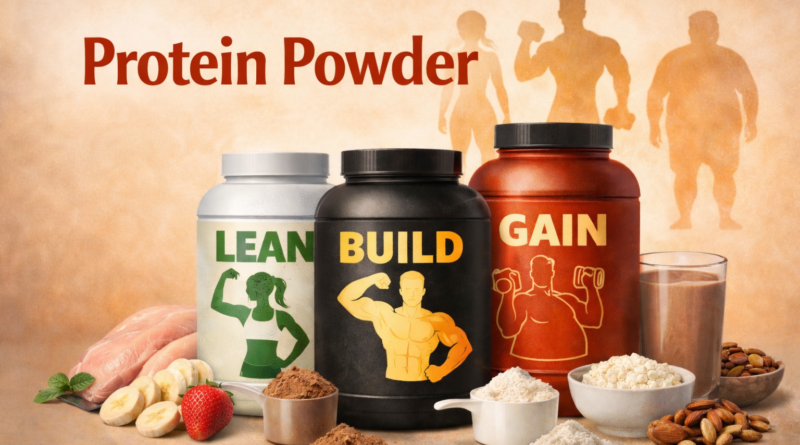
Protein Powder For Every Body Type: Boost Your Health Safely
Health and fitness awareness is growing rapidly, and many people are looking for simple ways to improve their nutrition and overall well-being. One supplement that continues to gain attention is Protein Powder For Every Body Type, especially among individuals who want to build muscle, manage weight, or maintain a balanced diet. However, not all protein supplements work the same way for everyone. Factors such as body type, lifestyle, fitness goals, and daily activity levels play an important role in choosing the right protein option. Understanding how protein powder supports different body types can help you make smarter and safer decisions for long-term health. In this guide, we will explore how protein supplements work, which types are best for different body structures, and how to use them effectively to boost your health safely.
Why Protein Is Essential for the Body
Protein plays a central role in keeping the body strong and functioning properly. Many people associate protein only with bodybuilding, but its benefits go far beyond muscle growth. Every cell in the body relies on protein to repair, rebuild, and maintain healthy tissues.
Muscle Growth and Repair
One of the most important functions of protein is supporting muscle recovery and development. When you exercise, especially during strength training or intense physical activity, tiny muscle fibers break down. Protein provides the amino acids that help repair these fibers and rebuild them stronger than before.
This process not only improves muscle strength but also enhances endurance over time. People who regularly work out or engage in physically demanding activities need higher protein intake to support this repair cycle. Without enough protein, recovery becomes slower, and muscle development may be limited.
Supports a Healthy Metabolism
Protein also contributes significantly to maintaining a healthy metabolism. Compared to carbohydrates and fats, protein requires more energy for digestion. This means the body burns more calories while processing protein-rich foods.
Another important factor is muscle maintenance. Muscles burn more calories than fat even when the body is at rest. By supporting muscle mass, protein indirectly helps maintain a higher metabolic rate, which is helpful for both weight management and overall health.
Improves Immune Function
A strong immune system depends on proper nutrition, and protein is a key part of that equation. The body uses protein to produce antibodies that help fight infections and protect against illnesses.
In addition, protein supports the repair of tissues and cells that may be damaged during infections or stress. People who do not consume enough protein may notice they get sick more often or take longer to recover from illness.
Maintains Skin, Hair, and Nails
Protein is also essential for maintaining healthy skin, hair, and nails. Structural proteins such as collagen and keratin are responsible for skin elasticity, hair strength, and nail durability.
When protein intake is adequate, the body can maintain these structures more effectively. This often results in healthier skin, stronger hair, and fewer issues like brittle nails or hair breakage.
Benefits of Using Protein Powder
Protein powder has become popular because it provides an easy and practical way to increase protein intake. While whole foods should always remain the foundation of a healthy diet, protein supplements can fill nutritional gaps when needed.
Convenient Source of Nutrition
One of the biggest advantages of protein powder is convenience. Many people have busy schedules and may not always have time to prepare high-protein meals throughout the day. A protein shake can be prepared in minutes and consumed quickly.
This makes protein powder especially useful for professionals, students, and individuals with active lifestyles who need a quick nutrition option.
Helps Maintain Consistent Protein Intake
Meeting daily protein requirements can sometimes be challenging, particularly for people who are trying to build muscle or improve fitness levels. Protein powder helps maintain consistent protein intake without drastically changing eating habits.
By adding a shake after workouts or between meals, individuals can ensure their bodies receive enough protein to support their goals.
Supports Fitness Goals
Different fitness goals require proper nutrition, and protein plays a major role in achieving them. Whether someone wants to gain muscle, lose fat, or simply improve overall strength, protein powder can support these objectives.
It helps repair muscles after exercise, improves recovery time, and allows individuals to train more effectively over the long term.
Useful for Different Diet Types
Another benefit of protein powder is the wide range of options available. Some people cannot consume dairy products, while others follow vegetarian or plant-based diets. Fortunately, protein supplements come in many forms that suit different dietary needs.
Plant-based protein powders, for example, are ideal for individuals who avoid animal products, while lactose-free options help those with digestive sensitivities.
How to Choose the Right Protein Powder
Choosing the right protein supplement is important because not all protein powders are created equal. Understanding a few key factors can help ensure you select a product that matches your health goals and body type.
Check the Ingredient List
Before purchasing any protein powder, it is important to carefully review the ingredient list. High-quality products usually contain a clear and simple list of ingredients. The protein content per serving should be high, while unnecessary additives should be minimal.
Some protein powders include artificial sweeteners, excessive sugar, or fillers that may not provide much nutritional value. Choosing a clean formula can help improve digestion and overall health outcomes.
Consider Your Fitness Goal
Your fitness goal should guide your protein powder selection. For example, individuals looking to gain muscle may benefit from protein powders that provide higher calories and additional nutrients that support muscle growth.
On the other hand, those focused on weight management may prefer low-calorie, high-protein formulas that help control hunger without adding unnecessary calories.
Look for Quality and Safety
Protein supplements should come from reliable brands that follow quality standards. Many high-quality products are tested by independent organizations to verify purity and ingredient accuracy.
This helps ensure that the product is safe to consume and free from harmful contaminants.
Choose a Protein That Fits Your Body Type
Body type plays an important role in determining how the body processes nutrients. Some people need higher calorie intake, while others need leaner protein sources to support fat loss and muscle maintenance.
Selecting a protein powder that aligns with your body’s needs can lead to better results and improved health outcomes.
Safe Ways to Use Protein Powder
Protein powder is safe when used correctly and in moderation. However, like any supplement, it should be consumed thoughtfully to maximize benefits.
Start With Moderate Intake
For individuals who are new to protein supplements, it is best to start with a moderate amount. This allows the body to adjust gradually and helps identify how well the supplement is tolerated.
Starting with one serving per day is usually a practical approach. Over time, intake can be adjusted depending on physical activity levels and dietary needs.
Use Protein Around Workouts
One of the most effective times to consume protein powder is after a workout. During this period, muscles are recovering and require nutrients to rebuild stronger.
A post-workout protein shake can help accelerate muscle recovery and support better performance in future workouts.
Balance With Whole Foods
Although protein powder is convenient, it should never replace whole foods entirely. Natural food sources provide a wide range of nutrients that supplements alone cannot offer.
A balanced diet including lean meats, dairy, legumes, nuts, and grains ensures the body receives all essential nutrients along with protein.
Stay Hydrated
Increasing protein intake also increases the body’s need for hydration. Drinking enough water helps the body process protein effectively and supports digestion.
Proper hydration also helps prevent fatigue and improves overall physical performance.
Signs You May Need More Protein
Sometimes the body gives signals that protein intake may be insufficient. Recognizing these signs can help individuals adjust their diet accordingly.
One common sign is persistent fatigue. When the body lacks enough protein, energy levels may drop because muscles and tissues are not receiving adequate support.
Another indicator is slow muscle recovery after exercise. If soreness lasts longer than usual, it may suggest that the body requires more protein to repair muscle tissue.
Increased hunger and frequent cravings can also signal low protein intake. Protein helps people feel full longer, so diets lacking protein often lead to overeating or constant snacking.
Additionally, difficulty maintaining muscle mass or strength may be linked to insufficient protein consumption, especially for individuals who exercise regularly.
Best Times to Take Protein Powder
Timing can influence how effectively protein supports the body. While protein intake throughout the day is important, certain times may provide additional benefits.
Taking protein in the morning can help stabilize energy levels and reduce cravings later in the day. Many people find that starting the day with protein improves focus and productivity.
After workouts is another ideal time because muscles are actively recovering. During this period, the body uses protein efficiently to rebuild muscle fibers.
Protein can also be helpful between meals. A shake during the afternoon or evening can prevent overeating and maintain steady energy levels.
Some individuals prefer taking slow-digesting protein before bedtime, which supports overnight muscle repair and recovery.
Frequently Asked Questions
What is the best protein powder for beginners?
The best protein powder for beginners is usually whey protein isolate or plant-based protein powder. These options are easy to digest, effective for muscle recovery, and suitable for most fitness goals.
Can protein powder be taken every day?
Yes, protein powder can be taken daily as long as it is consumed in recommended amounts and combined with a balanced diet that includes whole foods.
How do I choose the right protein powder for my body type?
Choosing the right protein powder depends on your body type, health goals, and activity level. Some people need higher calorie protein options, while others benefit from lean and low-carb protein supplements.
Is protein powder safe for weight loss?
Yes, protein powder can support weight loss by helping control hunger, improving metabolism, and preserving muscle while reducing body fat.
What is the best time to take protein powder?
The most common times to take protein powder are after workouts, in the morning, or between meals when your body needs additional protein.
Are plant-based protein powders effective?
Yes, plant-based protein powders are effective, especially when they include multiple protein sources that provide essential amino acids for muscle recovery and overall health.
How much protein do I need per day?
Daily protein needs vary depending on activity level. Most active individuals require between 1.2 to 2.0 grams of protein per kilogram of body weight.
Can protein powder replace meals?
Protein powder should not completely replace meals. It works best as a supplement alongside a balanced diet that includes natural protein sources and other nutrients.