
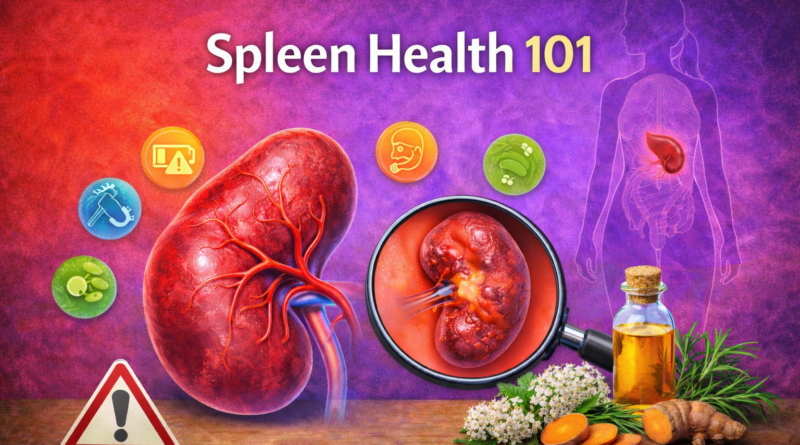
Spleen Health 101: Signs, Symptoms, and Natural Support
Many people focus on heart health, liver health, or gut health, but the spleen is often overlooked even though it plays an important role in keeping the body functioning properly. Understanding Spleen Health 101 Signs Symptoms And Natural Support can help you recognize early warning signs and take steps to support your immune system and overall well-being. The spleen works quietly behind the scenes by filtering blood, supporting immunity, and helping the body fight infections. When the spleen becomes stressed or unhealthy, the body may begin to show subtle symptoms that are easy to ignore. Learning how the spleen works, what affects it, and how natural lifestyle habits can support it is essential for maintaining long-term health.
What Is the Spleen and Why Is It Important?
The spleen is a small organ located in the upper left side of the abdomen, just under the rib cage. Even though it is not very large, it plays several important roles in maintaining the body’s internal balance.
The spleen helps the body in the following ways:
- Filters and cleans the blood
- Removes old or damaged red blood cells
- Supports immune system function
- Stores white blood cells and platelets
- Helps the body fight infections
- Assists in controlling inflammation
Because the spleen works closely with the immune system and blood circulation, any imbalance in its function can affect overall health.
Key Functions of the Spleen
Understanding what the spleen does can make it easier to recognize when something may not be working properly.
Blood Filtration
One of the main responsibilities of the spleen is filtering the blood. As blood flows through the spleen, it removes damaged or aging blood cells and recycles useful components like iron.
This process helps maintain healthy blood quality and supports proper circulation throughout the body.
Immune System Support
The spleen plays a significant role in defending the body against infections. It produces white blood cells that help identify and destroy harmful bacteria, viruses, and other pathogens.
A healthy spleen helps the body respond quickly to infections and recover more effectively.
Platelet Storage
Platelets are small blood cells responsible for clotting. The spleen stores platelets and releases them into the bloodstream when needed, especially during injury or bleeding.
This function helps prevent excessive blood loss and supports healing.
Inflammation Control
The spleen also helps regulate inflammation within the body. Balanced immune responses are essential because excessive inflammation can contribute to various health conditions.
Signs Your Spleen May Need Attention
Many spleen-related issues develop gradually, which means symptoms may appear mild at first. Paying attention to early warning signs can help prevent more serious health concerns.
Frequent Infections
If the spleen is not functioning properly, the immune system may weaken. This can lead to frequent infections such as colds, flu, or slow recovery from illness.
The body may struggle to fight off bacteria and viruses effectively.
Fatigue and Low Energy
Persistent tiredness without a clear reason may be linked to spleen imbalance. Since the spleen helps filter blood and support immunity, reduced efficiency can affect energy levels.
People may feel weak or experience ongoing fatigue throughout the day.
Pain or Discomfort in the Upper Left Abdomen
One of the most noticeable signs of spleen issues is discomfort or pain under the left rib cage. In some cases, the pain may spread toward the shoulder or back.
This symptom may indicate inflammation or enlargement of the spleen.
Easy Bruising
Because the spleen stores platelets and supports blood balance, problems with the spleen may lead to easy bruising or prolonged bleeding after minor injuries.
Digestive Issues
Some individuals experience digestive discomfort when spleen function is affected. This may include:
- Bloating
- Poor appetite
- Indigestion
- Feeling full quickly
In traditional health approaches, spleen balance is often linked with digestive strength and nutrient absorption.
Common Causes of Spleen Health Problems
Several lifestyle and health factors can affect the spleen. Understanding these causes can help reduce risk and improve long-term wellness.
Infections
Certain infections can place stress on the spleen because the organ works actively to filter harmful pathogens from the blood.
Some infections can cause the spleen to become enlarged or inflamed.
Poor Diet and Nutrition
Unbalanced diets that lack nutrients may weaken immune function and impact spleen performance. Diets high in processed foods, sugar, and unhealthy fats can also increase inflammation.
Chronic Stress
Long-term stress affects many organs, including the spleen. Stress can weaken immunity and disrupt the body’s natural healing processes.
Liver or Blood Disorders
Since the spleen works closely with the blood and liver, conditions affecting these systems may also influence spleen health.
Lack of Physical Activity
A sedentary lifestyle can slow circulation and impact immune function, which may indirectly affect spleen efficiency.
Natural Ways to Support Spleen Health
Supporting the spleen does not always require complicated treatments. In many cases, simple lifestyle changes can strengthen immune function and improve overall organ health.
Eat Nutrient-Rich Foods
A balanced diet is one of the most effective ways to support the spleen.
Foods that support spleen health include:
- Fresh fruits and vegetables
- Whole grains
- Lean protein sources
- Legumes and beans
- Nuts and seeds
- Healthy fats like olive oil
These foods provide vitamins, minerals, and antioxidants that help the body repair and protect itself.
Focus on Anti-Inflammatory Foods
Reducing inflammation helps support spleen function and overall health.
Helpful anti-inflammatory foods include:
- Berries
- Leafy greens
- Turmeric
- Ginger
- Garlic
- Green tea
These foods help protect the immune system and support healthy blood flow.
Maintain Proper Hydration
Water plays an important role in blood circulation and detoxification. Staying hydrated helps the spleen filter blood more efficiently.
Drinking enough water daily supports the body’s natural cleansing processes.
Improve Gut Health
Digestive health and spleen health are closely connected. When digestion is strong, the body absorbs nutrients more effectively.
You can improve gut health by:
- Eating fiber-rich foods
- Including probiotics in your diet
- Avoiding highly processed foods
- Maintaining regular meal times
Manage Stress
Reducing stress can significantly improve immune function and organ health.
Effective stress management techniques include:
- Regular physical activity
- Meditation or deep breathing
- Adequate sleep
- Spending time outdoors
- Limiting excessive screen time
Exercise Regularly
Moderate exercise helps improve blood circulation and supports immune strength. Activities like walking, yoga, cycling, or light strength training can benefit spleen health.
Consistent physical activity also helps reduce inflammation and improve energy levels.
Foods That May Help Strengthen the Spleen
Certain foods are commonly recommended for supporting the spleen and improving immunity.
Some helpful options include:
- Sweet potatoes
- Pumpkin
- Oats
- Brown rice
- Carrots
- Lentils
- Spinach
- Apples
These foods are nutrient-dense and help support digestion, energy levels, and immune balance.
Lifestyle Habits That Protect the Spleen
Daily habits have a strong influence on how well the spleen functions. Small changes can make a noticeable difference over time.
Healthy habits include:
- Eating meals at regular times
- Avoiding overeating
- Getting enough sleep each night
- Limiting alcohol consumption
- Avoiding smoking
- Maintaining a healthy weight
These practices support not only the spleen but also overall body health.
When to See a Doctor
While natural support strategies are helpful, certain symptoms should not be ignored.
Medical attention may be necessary if you experience:
- Severe abdominal pain
- Sudden swelling in the abdomen
- Persistent infections
- Unexplained fatigue
- Rapid weight loss
- Frequent bruising or bleeding
Early evaluation helps identify underlying causes and ensures proper treatment.
Final Thoughts
Understanding Spleen Health 101 Signs Symptoms And Natural Support is important for maintaining a strong immune system and overall wellness. The spleen quietly performs vital functions such as filtering blood, supporting immunity, and helping the body fight infections. When the spleen becomes stressed or imbalanced, the body may show warning signs like fatigue, digestive issues, or frequent illness.
Fortunately, many natural habits can support spleen health. Eating nutrient-rich foods, staying active, managing stress, and maintaining good hydration all contribute to a healthier body. By paying attention to early symptoms and making simple lifestyle improvements, you can help protect your spleen and improve long-term health.
Frequently Asked Questions
What are the main symptoms of spleen problems?
Common symptoms may include fatigue, frequent infections, abdominal discomfort on the left side, easy bruising, and digestive issues.
Can diet improve spleen health?
Yes, a balanced diet rich in fruits, vegetables, whole grains, and lean proteins can support spleen function and improve immune health.
What causes the spleen to become enlarged?
An enlarged spleen can result from infections, liver conditions, blood disorders, or inflammation within the body.
Is spleen health connected to the immune system?
Yes, the spleen plays a key role in immune defense by producing white blood cells and filtering harmful pathogens from the blood.
Are there natural ways to support spleen function?
Yes, maintaining a healthy diet, exercising regularly, managing stress, staying hydrated, and getting enough sleep can support spleen health naturally.
When should someone seek medical help for spleen issues?
Medical attention is recommended if there is persistent abdominal pain, repeated infections, unexplained fatigue, or unusual bleeding or bruising.
Can lifestyle changes improve spleen function?
Yes, healthier habits such as balanced nutrition, regular exercise, and proper sleep can improve overall organ function, including the spleen.
If you are passionate about writing about health, search for us with the query “write for us health” in search engines. Medical Doze always welcomes writers with new ideas and uniqueness in their content.