
Tonsil Stones Causes, Prevention, and Treatment Tips
Tonsil stones, medically known as tonsilloliths, are a common but often overlooked condition. They form when debris, such as food particles, dead cells, and bacteria, accumulate in the crevices of the tonsils. While they are usually harmless, tonsil stones can cause discomfort, bad breath, and throat irritation. Understanding their causes, prevention strategies, and treatment options is essential for maintaining oral health and avoiding recurring problems.
What Are Tonsil Stones?
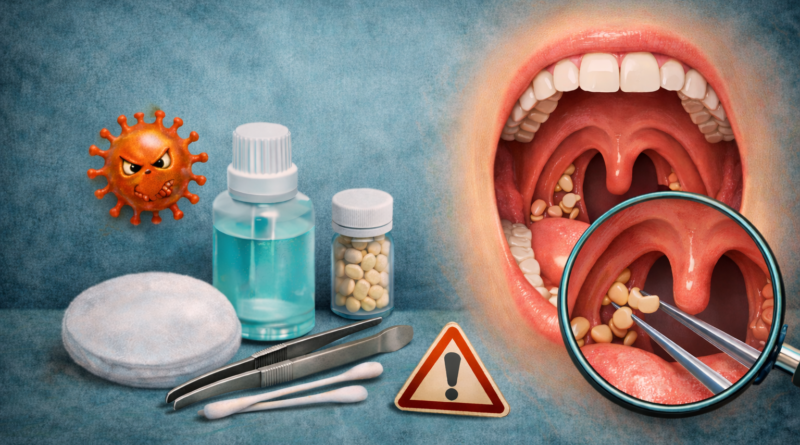
Tonsils are part of the immune system and are located at the back of your throat. They help trap bacteria and debris, but sometimes this material can harden into small calcified stones, known as tonsil stones. These stones can vary in size, from tiny grains to larger masses that may cause noticeable discomfort.
Most tonsil stones are white or yellow and are often discovered accidentally when brushing teeth, gargling, or noticing bad breath (halitosis).
Causes of Tonsil Stones
Several factors contribute to the formation of tonsil stones:
1. Poor Oral Hygiene
Failure to maintain proper oral care allows food particles and bacteria to accumulate in the mouth, increasing the risk of tonsil stones.
2. Chronic Tonsillitis
Repeated infections of the tonsils can lead to enlarged crevices (tonsillar crypts), where debris gets trapped and calcifies.
3. Large Tonsils
People with naturally larger or deeply grooved tonsils are more prone to developing stones, as debris can more easily accumulate.
4. Dry Mouth
Reduced saliva flow, due to dehydration, mouth breathing, or certain medications, makes it easier for bacteria and debris to accumulate in the tonsils.
5. Post-Nasal Drip
Excess mucus from sinus issues or allergies can deposit in the tonsils, contributing to tonsil stone formation.
Symptoms of Tonsil Stones
Many people with tonsil stones experience no symptoms, but some common signs include:
- Bad breath (halitosis) due to bacterial buildup
- White or yellow lumps visible in the tonsils
- Sore throat or irritation
- Difficulty swallowing in larger stones
- Ear pain caused by referred nerve sensation
- Feeling of a foreign object in the throat
If you notice any of these symptoms, it’s important to take action early to prevent discomfort and infection.
Prevention of Tonsil Stones
Preventing tonsil stones involves maintaining oral hygiene and reducing factors that contribute to debris accumulation:
1. Brush and Floss Regularly
Brush your teeth at least twice daily and floss to remove food particles and bacteria that can contribute to stone formation.
2. Gargle with Salt Water
Regular saltwater gargling can help cleanse the tonsils and reduce bacterial growth.
3. Stay Hydrated
Drinking plenty of water keeps the mouth moist, preventing bacteria from accumulating.
4. Use Mouthwash
Alcohol-free antimicrobial mouthwash can reduce bacteria in the mouth and prevent tonsil stones.
5. Manage Sinus and Allergy Issues
Treat post-nasal drip and sinus infections to reduce mucus accumulation in the tonsils.
6. Avoid Smoking
Smoking contributes to dry mouth and bacterial buildup, increasing the risk of tonsil stones.
Treatment Options for Tonsil Stones
Treatment depends on the size, symptoms, and recurrence of tonsil stones:
1. Home Remedies
- Gargling: Use warm saltwater or antibacterial mouthwash to loosen stones.
- Manual Removal: Small stones may be gently removed using a cotton swab or the back of a toothbrush. Always do this carefully to avoid injury.
- Oral Irrigator: Some people use low-pressure water flossers to flush out debris from tonsillar crypts.
2. Medical Treatments
- Antibiotics: Prescribed if stones are associated with infection.
- Laser Tonsil Cryptolysis: A minimally invasive procedure to reduce tonsil crevices and prevent recurrence.
- Tonsillectomy: Surgical removal of the tonsils may be recommended for recurrent or severe tonsil stones that cause significant discomfort or infection.
Complications of Untreated Tonsil Stones
While generally harmless, untreated tonsil stones may cause:
- Chronic bad breath
- Persistent throat discomfort
- Infections such as tonsillitis
- Difficulty swallowing in rare cases
Prompt treatment and prevention are essential to avoid these complications.
Lifestyle Tips to Reduce Recurrence
- Maintain excellent oral hygiene consistently.
- Rinse your mouth after meals to remove food particles.
- Stay hydrated to prevent dry mouth.
- Avoid excessive dairy, which can increase mucus production in some individuals.
- Treat chronic sinus or allergy issues promptly.
Summary
Tonsil stones are common and can cause discomfort, bad breath, and throat irritation. Understanding the causes, symptoms, and preventive measures is key to maintaining oral health. Most cases can be managed with good oral hygiene, home remedies, and minor medical treatments, but recurrent or severe stones may require surgical intervention. By taking preventive steps and seeking timely treatment, you can reduce the impact of tonsil stones on your daily life.
Frequently Asked Questions (FAQs)
1. What causes tonsil stones?
Tonsil stones form when food particles, bacteria, and mucus accumulate in the tonsillar crypts and calcify over time.
2. Are tonsil stones dangerous?
Most tonsil stones are harmless, but they can cause bad breath, sore throat, and infections if left untreated.
3. Can I remove tonsil stones at home?
Yes, small stones can be gently removed with a cotton swab, gargling, or oral irrigator. Avoid using sharp objects.
4. How can I prevent tonsil stones?
Maintain good oral hygiene, stay hydrated, gargle regularly, and manage sinus or allergy problems.
5. When should I see a doctor about tonsil stones?
Seek medical attention if stones are large, painful, recurring, or causing difficulty swallowing.
6. Do tonsil stones always cause bad breath?
Not always, but bacterial buildup in the stones often leads to halitosis.
7. Is surgery necessary for tonsil stones?
Surgery, such as tonsillectomy, is usually reserved for recurrent or severe tonsil stones that do not respond to home treatments.
If you are passionate about writing about health, search for us with the query “write for us health” in search engines. Medical Doze always welcomes writers with new ideas and uniqueness in their content.