RSV in Babies and Children: Symptoms, Risks, and Prevention
Introduction
Respiratory syncytial virus (RSV) is a common virus that infects the respiratory tract, including the nose, throat, and lungs. It is one of the leading causes of lower respiratory tract infections in babies and young children. Although many children develop symptoms similar to an ordinary cold, RSV can sometimes cause bronchiolitis, pneumonia, breathing difficulties, and dehydration that require hospital treatment.
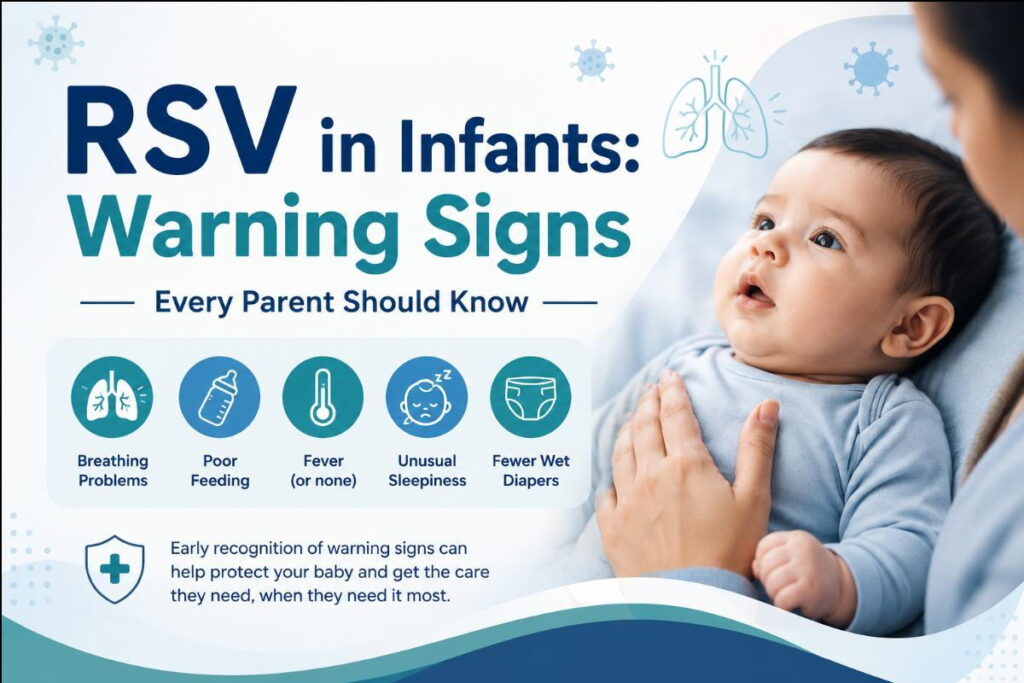
For parents and caregivers, recognizing RSV symptoms early is especially important during infancy. A baby may initially have a runny nose and reduced appetite before developing a persistent cough, rapid breathing, or difficulty feeding. Some very young infants do not develop a noticeable fever, making changes in breathing, alertness, and feeding particularly important warning signs.
The World Health Organization (WHO) estimates that RSV caused approximately 33 million episodes of acute lower respiratory infection, 3.6 million hospital admissions, and 101,400 deaths among children younger than five years in 2019. Nearly half of RSV-associated deaths in this age group occurred in infants younger than six months. These figures illustrate why prevention, early recognition, and access to appropriate medical care matter. WHO: Respiratory syncytial virus
This guide explains RSV symptoms in babies and children, how the infection spreads, who faces the greatest risk, what parents can do at home, when medical attention is necessary, and how newer RSV immunization options help prevent severe disease.
What Is RSV?
Respiratory syncytial virus is a contagious respiratory virus that can infect people of all ages. It commonly affects the nose and throat but may spread into the smaller airways and lungs, particularly in young children.
Nearly all children experience at least one RSV infection by their second birthday. Infection does not provide complete, lifelong immunity, so a child can catch RSV more than once. Repeat infections are often milder than the first infection, although severity varies with age, health, and the circumstances of each exposure.
RSV spreads primarily through respiratory secretions and close contact with infected people. Transmission can occur when an infected person coughs or sneezes near another person, when someone touches contaminated hands or surfaces and then touches their eyes, nose, or mouth, or through close contact such as kissing an infected child.
The virus circulates in seasonal patterns in many regions, but the timing differs by climate and location. In temperate areas, RSV activity often rises during colder months. In tropical and subtropical regions, patterns may be less predictable. Parents should therefore follow local public-health guidance instead of assuming RSV occurs only in winter.
RSV is not the same as influenza, COVID-19, or the viruses that cause every ordinary cold. These infections can produce similar symptoms, and a child’s symptoms alone cannot reliably establish which virus is responsible.
Common RSV Symptoms in Babies and Children
RSV symptoms may begin gradually, usually several days after exposure. At first, the illness can resemble a mild upper respiratory infection. In some children, symptoms progress as inflammation and mucus affect the smaller airways.
Early Symptoms of RSV
Early signs of RSV in babies and children commonly include a runny or blocked nose, sneezing, coughing, reduced appetite, and sometimes a fever. A child may also become more irritable, sleep differently, or seem less energetic than usual.
Babies may show subtler changes. An infant who normally feeds comfortably may pause frequently during breastfeeding or bottle-feeding because nasal congestion makes sucking and breathing more difficult. The baby may take smaller feeds or need more time to finish.
These symptoms are not unique to RSV. A clinician may need to assess the child’s age, breathing, hydration, exposure history, and physical examination to determine whether further testing is appropriate.
RSV Symptoms in Newborns and Young Infants
Very young babies deserve particular attention because their airways are small and they have limited reserves when breathing or feeding becomes difficult.
A newborn or young infant with RSV may have a runny nose, cough, poor feeding, unusual irritability, or decreased activity. Some infants develop pauses in breathing, known as apnea, particularly when they are very young or were born prematurely. Fever may be absent.
A baby younger than three months with a temperature of 38°C (100.4°F) or higher needs prompt medical assessment, even if the baby otherwise appears relatively well. Seek emergency help for pauses in breathing, blue or gray lips, severe breathing difficulty, or a baby who is difficult to wake.
Parents should not wait for a high fever before seeking help. Changes in feeding, breathing, responsiveness, and urine output can be just as important.
Signs That RSV May Be Affecting the Lungs
When RSV causes bronchiolitis or pneumonia, symptoms may become more pronounced. A child may develop persistent coughing, rapid breathing, wheezing, or increased effort when breathing.
Watch for skin pulling inward between the ribs or beneath the rib cage, nostrils widening with each breath, grunting, or difficulty drinking because the child needs to stop repeatedly to breathe. These signs can indicate respiratory distress and require urgent medical attention.
Symptoms may worsen over several days rather than reaching their peak immediately. A child who initially appears to have a mild cold should be monitored for changes, especially if they are younger than six months or have an underlying medical condition.
The CDC’s guidance on RSV in infants and young children provides further information about symptom progression and warning signs.
How Serious Is RSV in Babies and Children?
Most RSV infections are mild and can be managed with supportive care. However, RSV is a major cause of serious respiratory illness in infants and young children.
According to the CDC, approximately two to three out of every 100 infants younger than three months are hospitalized with RSV each year in the United States. Hospitalized infants may need oxygen, intravenous fluids if they cannot drink enough, or respiratory support in severe cases. Most recover with appropriate supportive treatment and are discharged after a few days. CDC: RSV in infants and young children
These U.S. figures should not be treated as universal rates for every country. The risk of severe illness varies with age, prematurity, underlying conditions, local RSV circulation, access to healthcare, and the availability of supportive treatment.
What Is Bronchiolitis?
Bronchiolitis is inflammation of the small airways in the lungs, often caused by a viral infection such as RSV. The inflammation and mucus narrow the airways, making it harder for a baby to move air in and out of the lungs.
Bronchiolitis is particularly common in infants. Symptoms may include a runny nose followed by coughing, rapid breathing, wheezing, chest recession, and feeding difficulties. Some babies need hospital observation or treatment because they cannot maintain adequate oxygen levels or hydration.
Treatment is generally supportive. Healthcare professionals monitor breathing, oxygen levels when indicated, and the child’s ability to feed. Oxygen and assisted hydration may be needed for more severe cases.
Can RSV Cause Pneumonia?
Yes. RSV can cause pneumonia, an infection involving the lung tissue. Pneumonia may produce cough, fever, rapid breathing, reduced activity, and difficulty feeding or drinking.
These symptoms overlap with those of other respiratory infections, so a parent should not attempt to distinguish bronchiolitis from pneumonia solely by listening for wheezing or judging the severity of a cough.
A healthcare professional can assess the child and decide whether testing, imaging, oxygen, or other interventions are necessary.
Which Babies and Children Have a Higher Risk of Severe RSV?
RSV can affect any child, but certain factors increase the likelihood of severe illness.
Babies Younger Than Six Months
Infants younger than six months are particularly vulnerable because their airways are small and their immune systems are still developing. Very young babies may also struggle to maintain adequate feeding and hydration when breathing becomes difficult.
Premature infants can face additional risks because their lungs and immune systems may be less mature. Parents of newborns and young infants should seek advice early if RSV symptoms develop, particularly when feeding or breathing changes.
Premature Babies
Babies born prematurely may have an increased risk of serious RSV disease, especially if they have ongoing lung problems or required respiratory support.
Parents should discuss preventive options with their pediatrician before the local RSV season or before discharge from neonatal care, where appropriate. Eligibility for preventive immunization depends on the child’s age, medical history, available products, and current local recommendations.
Children With Heart or Lung Conditions
Children with certain congenital heart conditions, chronic lung disease of prematurity, or other significant respiratory problems may have less capacity to tolerate an infection that affects breathing.
A child who normally needs oxygen or respiratory medication may require closer monitoring when they develop a viral illness. Caregivers should follow the child’s existing medical plan and seek clinical advice if symptoms worsen.
Children With Weakened Immune Systems
Children receiving immunosuppressive treatment or living with certain immune deficiencies may have a higher risk of complications. Their symptoms may not always follow the typical pattern, so clinicians may recommend a lower threshold for assessment.
Other Factors That Matter
Exposure to crowded environments, household smoking, and close contact with people who have respiratory symptoms can increase exposure or contribute to respiratory vulnerability. Limited access to timely medical assessment, oxygen, and hydration can also worsen outcomes.
Risk factors do not mean that a child will necessarily develop severe RSV. They indicate that caregivers should be more vigilant and discuss individualized prevention plans with a qualified healthcare professional.
How Is RSV Diagnosed?
RSV is often diagnosed clinically, based on the child’s symptoms, age, breathing pattern, hydration, and physical examination.
A clinician may check respiratory rate, listen to the lungs, assess the child’s effort when breathing, and measure oxygen saturation when indicated. For babies, feeding history and the number of wet diapers can provide useful information about hydration.
Does Every Child Need an RSV Test?
No. Many children with mild, typical RSV symptoms do not need a laboratory test because the result would not change treatment.
When testing is appropriate, a clinician may use a nasal swab to detect RSV. Molecular tests, including PCR-based tests, and certain antigen tests can identify the virus. Testing may be useful in hospital settings, in children with more serious illness, or when identifying the cause could affect clinical decisions or infection-control measures.
A positive RSV test does not automatically mean that a child needs hospital treatment. The severity of breathing difficulty, hydration, age, and underlying medical conditions generally matter more when determining the level of care.
Chest X-rays and blood tests are not routinely needed for every uncomplicated RSV infection. A clinician may order additional investigations if the child’s presentation suggests another diagnosis or a complication.
RSV Treatment: What Helps Babies and Children Recover?
There is no routinely used specific antiviral medicine that cures ordinary RSV infection in most otherwise healthy children. Treatment generally focuses on helping the child breathe comfortably, maintain hydration, and recover while the immune system clears the virus.
Managing Mild RSV at Home
A child with mild symptoms who is breathing comfortably and drinking adequately may be cared for at home with guidance from a healthcare professional.
Offer breast milk or formula to infants in smaller, more frequent feeds if congestion makes feeding difficult. Older children should be encouraged to drink fluids regularly. Monitor how often the child urinates, whether they remain alert, and whether their breathing becomes faster or more labored.
For nasal congestion, saline nose drops and gentle suction may help remove mucus, especially before feeds and sleep. Use a suction device carefully, because frequent or forceful suction can irritate the nasal passages.
A clean humidifier may help some families with dry indoor air, but it does not cure RSV. Follow the manufacturer’s cleaning instructions and avoid hot-steam devices that could cause burns.
Keep the child away from tobacco smoke, vaping aerosols, and other respiratory irritants. Allow the child to rest, and check regularly for worsening symptoms.
Medicines Parents Should Use Carefully
Fever or discomfort may sometimes be managed with an age-appropriate medicine recommended by a healthcare professional. The correct product and dose depend on the child’s age, weight, and medical history.
Do not give aspirin to children unless specifically directed by a specialist. Avoid over-the-counter cough and cold medicines in young children unless a qualified clinician specifically recommends a suitable product. Honey should never be given to a baby younger than 12 months because of the risk of infant botulism.
Antibiotics do not treat RSV itself because RSV is a virus. They may be prescribed if a clinician identifies a separate bacterial infection. Similarly, bronchodilators, steroids, and other respiratory medicines are not routinely helpful for every child with typical bronchiolitis; their use depends on the clinical diagnosis and individual circumstances.
Parents should not use leftover prescription medicines or attempt home oxygen treatment without a medical plan.
When Hospital Treatment Is Needed
A child may need hospital care if they have significant breathing difficulty, low oxygen levels, dehydration, persistent inability to feed, apnea, or other signs of serious illness.
Hospital treatment may include oxygen, fluids delivered through a tube or vein, and respiratory support in severe cases. Medical teams also monitor young infants and children with underlying conditions more closely when their risk is elevated.
The purpose of supportive treatment is to maintain breathing and hydration while the infection resolves. Early assessment can help identify children who need this level of care.
RSV Prevention: How to Protect Babies and Children
No prevention measure eliminates every risk of RSV infection. However, practical hygiene measures and recommended immunization can reduce exposure and help prevent severe disease.
1. Wash Hands Regularly
Wash hands with soap and water before handling a baby, preparing feeds, or eating, and after wiping noses, coughing, sneezing, or changing diapers. When handwashing is unavailable, an appropriate alcohol-based hand sanitizer can help, although soap and water are preferred when hands are visibly dirty.
Encourage older children to wash their hands and avoid touching their eyes, nose, and mouth with unwashed hands.
2. Keep Sick Contacts Away From Newborns
People with coughs, runny noses, fever, or other respiratory symptoms should avoid close contact with newborns whenever possible. Family members should postpone nonessential visits while ill.
If contact cannot be avoided, careful hand hygiene, avoiding kisses on the baby’s face or hands, and following local public-health advice can reduce exposure.
3. Clean Frequently Touched Surfaces
RSV can spread through contact with contaminated surfaces and secretions. Clean frequently touched objects and surfaces, particularly in households with young children or someone who is ill.
Toys, feeding-related surfaces, door handles, and shared objects deserve attention. Use cleaning products according to their labels and keep chemicals out of children’s reach.
4. Avoid Tobacco Smoke
Smoke exposure irritates the respiratory tract and can increase children’s vulnerability to respiratory problems. Maintain a smoke-free home and car, and avoid exposing babies to tobacco smoke or vaping aerosols.
Opening windows does not make indoor smoking safe for a child. The most effective approach is to prevent smoking inside the child’s living environment.
5. Improve Ventilation and Reduce Exposure During Outbreaks
When respiratory viruses are circulating, ventilation can help reduce the concentration of infectious particles indoors. Open windows when safe and practical, improve indoor air circulation, and consider avoiding crowded indoor settings for very young or medically vulnerable babies during periods of high respiratory illness.
These measures are especially useful when combined with hand hygiene and staying away from people who are ill.
RSV Immunization: Vaccines During Pregnancy and Preventive Antibodies for Babies
RSV prevention has advanced with the introduction of immunization options designed to protect young infants from severe disease. The two principal approaches are vaccination during pregnancy and administration of a long-acting monoclonal antibody directly to the infant.
These products work differently, and recommendations vary by country, age, pregnancy status, health history, product availability, and local RSV patterns. Parents should discuss the options with an obstetrician or pediatrician rather than assuming that one schedule applies everywhere.
Maternal RSV Vaccination
A maternal RSV vaccine helps the pregnant person’s immune system produce antibodies that cross the placenta and provide protection to the baby after birth.
In the United States, the CDC recommends the Pfizer RSV vaccine, Abrysvo, during weeks 32 through 36 of pregnancy within a specified seasonal window. This timing is intended to provide protection to infants during their vulnerable early months.
Maternal vaccination recommendations and the approved products may differ in other countries. Pregnant people should consult local obstetric guidance to confirm eligibility, timing, and availability.
Long-Acting RSV Antibodies for Infants
Nirsevimab and clesrovimab are long-acting monoclonal antibodies used to protect eligible infants against severe RSV disease. They are not traditional vaccines: instead of prompting the infant’s immune system to make its own antibodies, they provide antibodies directly.
Under CDC guidance, an infant RSV antibody is recommended for eligible babies entering their first RSV season when maternal RSV vaccination was not received, the maternal vaccination status is unknown, or the baby was born within 14 days of maternal vaccination. Most babies do not need both approaches, although clinicians may recommend an antibody in certain special circumstances.
Nirsevimab is also recommended for certain children aged 8–19 months who are at increased risk of severe RSV illness during their second RSV season. Eligibility is based on specific medical and public-health criteria.
In clinical studies summarized by the CDC, nirsevimab had an efficacy of 80.6% against RSV-associated lower respiratory tract infection requiring hospitalization through 150 days after administration. For clesrovimab, the corresponding efficacy estimate was 90.9% through 150 days. These are trial estimates for specific outcomes, not guarantees that an individual child will never develop RSV.
Read the CDC’s infant RSV immunization guidance for current U.S. recommendations and eligibility details.
Do RSV Preventive Antibodies Stop Every Infection?
No. Preventive antibodies are intended to reduce the risk of severe RSV disease; they do not guarantee complete protection against every infection.
A child may still develop respiratory symptoms after receiving preventive antibodies. Parents should continue using hygiene measures and seek medical attention for breathing difficulty, poor feeding, dehydration, or other concerning symptoms.
These products should be administered according to the applicable clinical guidance. Availability, cost, eligibility, and recommendations differ across health systems, so families should ask their healthcare provider about locally approved options.
When Should Parents Seek Medical Attention for RSV?
Knowing when to seek care is one of the most important parts of managing RSV in children. A mild cough may be monitored at home if the child is otherwise well, but certain symptoms require prompt or emergency assessment.
Seek Emergency Medical Help
Get emergency care immediately if your child has any of the following:
- Severe difficulty breathing, marked chest retractions, grunting, or struggling for each breath.
- Pauses in breathing.
- Blue, gray, or unusually pale lips or skin.
- Severe weakness, unresponsiveness, or difficulty waking.
- Signs of severe dehydration accompanied by marked drowsiness or a very unwell appearance.
Do not delay emergency care to obtain an RSV test or wait for a fever to develop.
Contact a Healthcare Professional Promptly
Seek prompt medical advice if a baby or child is breathing faster than usual, feeding significantly less, producing fewer wet diapers, becoming increasingly sleepy or irritable, or experiencing symptoms that are worsening rather than improving.
A temperature of 38°C (100.4°F) or higher in a baby younger than three months warrants urgent medical assessment. Very young infants can have serious infections without the typical symptoms seen in older children.
Parents of premature babies and children with chronic heart, lung, or immune conditions should follow individualized advice and seek help early if symptoms develop.
How Long Does RSV Last in Babies and Children?
Many children with uncomplicated RSV begin to improve over one to two weeks, although the duration and severity of symptoms vary.
Nasal congestion and fever, when present, may improve before the cough completely disappears. A cough can persist for longer than the other symptoms as the airways recover.
Children who develop bronchiolitis may have a more difficult course, and those who require hospital treatment need individualized follow-up. Persistent or worsening breathing problems should not be assumed to be part of an ordinary recovery.
A child who initially improves and then develops new fever, worsening cough, breathing difficulty, or renewed feeding problems should be reassessed because complications or another infection may be present.
Can a Child Get RSV More Than Once?
Yes. RSV infection does not create complete lifelong immunity. Children and adults can become infected repeatedly throughout life.
Subsequent infections are often milder than a child’s first infection, but this is not guaranteed. A previously infected child can still develop significant illness, especially if they are very young or have underlying health conditions.
Previous RSV infection should therefore not be treated as a substitute for preventive measures or recommended immunization. Parents should continue to monitor symptoms and follow current guidance for eligible children.
RSV in Babies and Children: Key Takeaways for Parents
RSV is common, and many children recover without complications. Nevertheless, the virus can cause serious lower respiratory tract disease, particularly in young infants, premature babies, and children with certain underlying conditions.
The most useful approach is to recognize changes in breathing and feeding early, maintain hydration, use safe supportive care, and seek medical assessment when warning signs develop. Emergency symptoms such as apnea, blue or gray lips, severe breathing difficulty, or reduced responsiveness require immediate help.
Prevention involves hand hygiene, avoiding close contact with sick people, maintaining a smoke-free environment, and discussing recommended RSV immunization options with a healthcare professional. Maternal vaccination and long-acting infant antibodies have expanded the ways severe RSV disease can be prevented, but eligibility and availability depend on local guidance.
For parents, informed observation and timely medical care are more valuable than trying to diagnose RSV from a cough alone.
Frequently Asked Questions
1. What are the first signs of RSV in babies?
The first signs often resemble a common cold and include a runny nose, nasal congestion, sneezing, cough, reduced appetite, and sometimes fever. Young infants may instead show poor feeding, irritability, reduced activity, or changes in breathing. Some very young babies do not develop a fever.
2. Is RSV dangerous for newborns?
RSV can be serious in newborns because their airways are small and their ability to cope with breathing difficulties is limited. Premature babies and infants with certain heart or lung conditions may face additional risks. Breathing pauses, poor feeding, unusual drowsiness, or respiratory distress require urgent assessment.
3. How can I tell whether my baby has RSV or a common cold?
It may not be possible to distinguish RSV from another respiratory virus based on symptoms alone. RSV can begin like an ordinary cold and later affect the lower airways. A healthcare professional can assess the baby’s breathing, hydration, age, and medical history and determine whether testing is needed.
4. How long does RSV last in children?
Many uncomplicated RSV infections improve within one to two weeks, although coughing may last longer. Some children develop bronchiolitis or pneumonia and need additional medical care. Worsening symptoms, difficulty breathing, poor fluid intake, or signs of dehydration require medical assessment.
5. Can RSV cause wheezing in babies?
Yes. RSV can inflame the small airways and produce wheezing, coughing, and rapid breathing, particularly when it causes bronchiolitis. Wheezing does not confirm RSV, however, and significant breathing difficulty should be assessed urgently.
6. What should I do if my baby has RSV?
Monitor breathing, feeding, alertness, and wet diapers. Offer breast milk or formula in smaller, frequent feeds if tolerated, and use saline drops with gentle nasal suction when appropriate. Seek medical advice if the baby is feeding poorly or worsening, and get emergency help for severe breathing difficulty, apnea, blue or gray lips, or difficulty waking.
7. Are antibiotics effective against RSV?
No. Antibiotics treat bacterial infections, not RSV itself. A clinician may prescribe antibiotics if a separate bacterial infection is diagnosed, but they are not a routine treatment for uncomplicated RSV infection.
8. Can RSV be prevented with a vaccine?
Severe RSV disease in infants can be prevented through maternal RSV vaccination during pregnancy or a long-acting preventive antibody administered directly to eligible infants. These approaches work differently, and most infants will not need both. Recommendations, availability, and eligibility vary by country.
9. Do RSV antibodies protect babies completely?
No. RSV preventive antibodies reduce the risk of severe disease but do not guarantee that a child will avoid infection. Parents should continue hygiene precautions and seek medical care if symptoms develop.
10. When should I take my child to the hospital for RSV?
Seek emergency care for severe breathing difficulty, pauses in breathing, blue or gray lips, or difficulty waking. Prompt assessment is also important when a child cannot drink enough, has signs of dehydration, or is getting worse. A baby younger than three months with a temperature of 38°C (100.4°F) or higher needs urgent medical assessment.
11. Can my child get RSV again after recovering?
Yes. Previous infection does not provide complete lifelong immunity. Reinfections are common and are often milder, but children can still develop serious disease, particularly during infancy or when underlying conditions increase their risk.
12. Is RSV seasonal?
RSV often follows seasonal patterns, but the timing differs by region. In temperate climates, activity commonly rises during colder months. In tropical and subtropical regions, seasonal patterns may be less predictable. Follow local health advice for the timing of prevention measures and immunization.
13. Should I keep my child home from school or daycare with RSV symptoms?
A child with fever, significant respiratory symptoms, or difficulty participating comfortably in normal activities should generally stay home and follow local childcare or school illness policies. Because RSV spreads readily, avoid exposing vulnerable infants and children to someone who is sick. Seek medical advice if symptoms are worsening.
14. Does breastfeeding protect babies against RSV?
Breast milk provides immune factors and supports infant health, but it cannot guarantee that a baby will avoid RSV or severe disease. Continue breastfeeding when possible if the baby is well enough to feed, and seek medical help if congestion or breathing problems interfere with feeding.
15. Can RSV cause long-term problems?
Most children recover without major long-term complications. Some studies have found associations between severe RSV bronchiolitis in early life and later wheezing or asthma, but an association does not prove that RSV directly causes asthma in every child. Children with persistent breathing symptoms should be evaluated by a healthcare professional.