
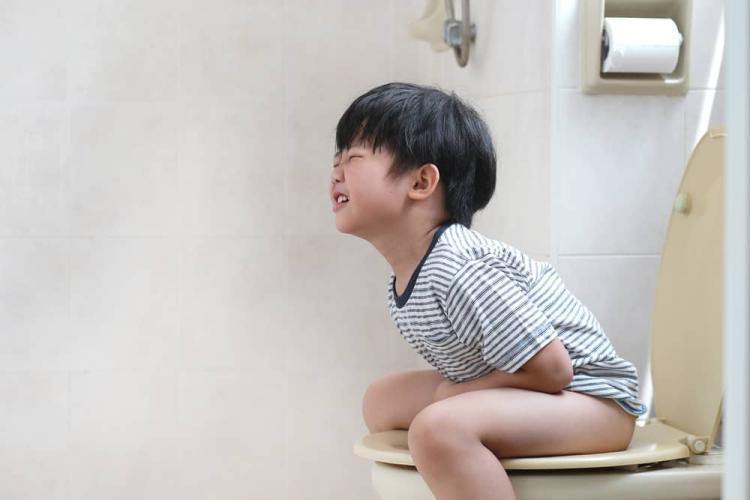
Diarrhea in Children: Causes, Dehydration Risks, and Treatment
Diarrhea in children is one of the most common reasons parents seek medical advice. It can develop suddenly, causing frequent loose stools, stomach cramps, vomiting, fever, and loss of appetite. Many episodes improve within a few days, but diarrhea should never be dismissed as a minor digestive problem, particularly in infants and young children.
The biggest immediate danger is dehydration. When a child passes repeated watery stools, the body loses water and essential electrolytes, including sodium and potassium. If these losses are not replaced, dehydration can progress to serious complications. Children under five, especially babies under six months, are particularly vulnerable.
Most childhood diarrhea is caused by viral infections and can be managed with appropriate fluid replacement and continued feeding. However, bacterial infections, parasites, food contamination, medication reactions, and certain digestive conditions can also cause diarrhea. Identifying the likely cause, recognizing dehydration symptoms, and knowing when medical care is necessary help parents make safer decisions.
This guide explains the causes of diarrhea in children, common symptoms, dehydration risks, oral rehydration therapy, medical treatment, prevention strategies, and warning signs that require immediate attention.
What Is Diarrhea in Children?
Diarrhea is generally defined as passing three or more loose or liquid stools within 24 hours, or passing stools more frequently than is normal for the individual child.
However, stool consistency and a child’s usual bowel pattern matter. A breastfed infant may naturally pass soft or loose stools several times a day. This does not necessarily indicate diarrhea if the stool pattern has not changed and the baby is otherwise feeding, growing, and behaving normally.
A sudden increase in watery stools, particularly when accompanied by vomiting, fever, abdominal discomfort, or reduced appetite, is more suggestive of an episode of diarrhea.
The World Health Organization (WHO) classifies diarrheal disease into three main clinical types:
- Acute watery diarrhea, which lasts several hours or days and may include cholera.
- Acute bloody diarrhea, also known as dysentery.
- Persistent diarrhea, which continues for 14 days or longer.
This classification is useful because different types of diarrhea may require different investigations and treatment approaches. For example, blood in a child’s stool requires medical assessment because it can indicate an invasive intestinal infection or another significant condition.
According to the WHO, approximately 1.7 billion cases of childhood diarrheal disease occur globally each year. Diarrhea is also the third leading cause of death among children aged 1–59 months. These figures demonstrate why appropriate prevention, early rehydration, and access to healthcare remain important public health priorities.
Source: WHO – Diarrhoeal Disease.
Common Causes of Diarrhea in Children
Childhood diarrhea can result from infections, contaminated food or water, medication use, food intolerances, and underlying digestive conditions. The cause often depends on the child’s age, exposure history, symptoms, and how long the illness lasts.
1. Viral Gastroenteritis
Viral gastroenteritis, commonly called a stomach bug, is one of the most frequent causes of acute diarrhea in children.
Viruses affect the digestive tract and interfere with the normal absorption of water and nutrients. This can lead to watery stools, vomiting, abdominal cramps, fever, and reduced appetite.
Common viral causes include:
- Rotavirus
- Norovirus
- Adenovirus
- Astrovirus
Rotavirus is particularly important in infants and young children because it can cause severe watery diarrhea and dehydration. Vaccination against rotavirus helps protect children from severe rotavirus disease.
Norovirus can spread rapidly in households, schools, childcare facilities, and other shared environments. Infected children may develop sudden vomiting and diarrhea, making hygiene and appropriate infection-control measures important.
Viral gastroenteritis generally improves with supportive care. Antibiotics do not treat viral infections, so the main treatment priorities are replacing lost fluids, maintaining nutrition, and monitoring for dehydration.
2. Bacterial Infections
Bacterial infections can cause diarrhea when children consume contaminated food or water or come into contact with infected people.
Common bacterial organisms associated with childhood diarrhea include:
- Escherichia coli (E. coli)
- Salmonella
- Shigella
- Campylobacter
Symptoms vary depending on the organism. Some children develop watery diarrhea, while others experience fever, severe abdominal cramps, nausea, or blood and mucus in their stools.
Certain strains of E. coli can cause serious complications, including hemolytic uremic syndrome (HUS), a condition that can affect the kidneys and blood cells. This is one reason parents should not give antibiotics or anti-diarrheal medicines without medical advice when a child has bloody diarrhea.
Bacterial diarrhea may require stool testing and targeted treatment. However, not every bacterial infection needs antibiotics. The decision depends on the suspected organism, clinical severity, and current medical guidelines.
3. Parasitic Infections
Parasites can cause diarrhea when children consume contaminated water or food or are exposed to environments with inadequate sanitation.
Common intestinal parasites include:
- Giardia
- Cryptosporidium
- Entamoeba histolytica
Giardia infection may cause prolonged diarrhea, bloating, abdominal discomfort, excessive gas, and foul-smelling stools. Some children also experience weight loss or problems absorbing nutrients.
Cryptosporidium can cause watery diarrhea and may be particularly concerning in children with weakened immune systems.
Parasitic infections are sometimes associated with persistent symptoms rather than a short episode of stomach upset. A healthcare professional may recommend stool testing when diarrhea continues, recurs, or is accompanied by weight loss.
4. Contaminated Food and Drinking Water
Foodborne illness is a major cause of childhood diarrhea. Children may become sick after consuming food or water contaminated with harmful microorganisms.
Common sources include:
- Unwashed fruits and vegetables.
- Undercooked meat, poultry, or eggs.
- Unpasteurized milk and dairy products.
- Food stored at unsafe temperatures.
- Contaminated drinking water.
- Food prepared with unclean hands or utensils.
Inadequate water treatment and sanitation increase the risk of infection. Contamination can also occur during food preparation or storage, even when the original ingredients appear clean.
Parents should use safe drinking water, wash produce properly, cook food thoroughly, and refrigerate perishable foods appropriately. In areas where water quality is uncertain, follow local public health guidance on boiling, filtration, or other approved treatment methods.
5. Antibiotics and Other Medications
Some medicines can cause diarrhea as a side effect. Antibiotics are a common example because they can disturb the normal balance of bacteria in the digestive tract.
Antibiotic-associated diarrhea may begin during treatment or shortly after the course has finished. In some cases, antibiotic use is associated with an overgrowth of harmful bacteria such as Clostridioides difficile.
Not every child who develops diarrhea after antibiotics has a serious infection. However, parents should contact the prescribing healthcare professional if diarrhea is severe, persistent, bloody, or accompanied by significant abdominal pain or fever.
Do not stop or change a prescribed antibiotic without discussing it with the child’s healthcare professional.
6. Food Intolerance and Allergies
Some children experience diarrhea after consuming foods that their digestive systems cannot tolerate.
Lactose intolerance occurs when the body does not produce enough lactase, the enzyme needed to digest lactose, a natural sugar found in milk. Symptoms can include diarrhea, gas, bloating, and abdominal discomfort after consuming dairy products.
Food allergies involve an immune-system reaction to a particular food. Cow’s milk protein allergy, for example, can cause digestive symptoms in infants, sometimes alongside vomiting, eczema, blood or mucus in the stool, or feeding difficulties.
A food allergy and food intolerance are not the same condition. Parents should avoid making major dietary restrictions without professional advice, particularly in infants and children who need adequate nutrition for growth.
7. Other Digestive Conditions
Diarrhea that continues for weeks, repeatedly returns, or is associated with poor growth may have causes beyond an ordinary stomach infection.
Possible underlying conditions include:
- Celiac disease, an immune reaction to gluten that damages the small intestine.
- Inflammatory bowel disease, including Crohn’s disease and ulcerative colitis.
- Functional gastrointestinal disorders.
- Problems with nutrient absorption.
- Certain endocrine or metabolic conditions.
These conditions may cause additional symptoms, such as persistent abdominal pain, fatigue, blood in the stool, poor weight gain, or unexplained weight loss.
A healthcare professional may recommend blood tests, stool investigations, or specialist assessment depending on the child’s symptoms.
Symptoms of Diarrhea in Children
The symptoms of childhood diarrhea vary according to the underlying cause and severity. Some children have only a few episodes of loose stool, while others develop frequent watery bowel movements accompanied by vomiting and fever.
Common symptoms include:
Frequent Loose or Watery Stools
The most recognizable symptom is a sudden change in bowel movements. Stools may become watery, softer than usual, or more frequent.
Parents should pay attention to changes from the child’s normal pattern rather than relying only on the number of bowel movements.
Abdominal Pain and Cramps
Children may experience stomach cramps, bloating, or discomfort before passing stool. Younger children may communicate abdominal pain by crying, refusing food, or drawing their knees toward their stomach.
Severe, persistent, or localized abdominal pain should not automatically be attributed to diarrhea. It may indicate another condition that requires urgent assessment.
Vomiting and Nausea
Vomiting commonly occurs alongside viral gastroenteritis and can make dehydration more likely.
A child who repeatedly vomits may struggle to replace the fluid lost through diarrhea. Small, frequent amounts of oral rehydration solution may be easier to tolerate than large drinks.
Green or yellow-green vomit, blood in vomit, or vomiting associated with severe abdominal pain requires urgent medical assessment.
Fever
Fever may accompany viral or bacterial intestinal infections. A mild fever can occur with gastroenteritis, but a high or persistent fever, particularly with a child who appears very unwell, needs medical evaluation.
Fever in a young infant should always be taken seriously. Parents should seek prompt medical advice rather than assuming it is simply part of a stomach infection.
Reduced Appetite and Tiredness
Children with diarrhea may eat less because of nausea, abdominal discomfort, or general illness.
Mild tiredness can occur during an infection. However, unusual sleepiness, difficulty waking, reduced responsiveness, or extreme weakness may indicate serious illness or dehydration.
Dehydration Risks: Why Diarrhea Can Become Dangerous
Dehydration is the most important immediate complication of diarrhea in children.
Every episode of watery stool causes the body to lose fluid and electrolytes. Vomiting can increase these losses. If a child does not drink enough to replace them, the amount of circulating fluid in the body decreases.
Electrolytes such as sodium, potassium, and chloride are necessary for normal nerve, muscle, and organ function. Significant losses can disturb the body’s fluid balance and lead to serious complications.
Young children are particularly vulnerable because they have smaller fluid reserves and depend on caregivers to provide drinks and recognize early warning signs.
Early Signs of Dehydration
Parents should monitor children for changes in urination, behavior, and general appearance.
Early warning signs may include:
- Passing urine less frequently than usual.
- Darker or stronger-smelling urine.
- Dry mouth, lips, or tongue.
- Increased thirst.
- Fewer wet diapers in babies.
Reduced tears when crying.
- Sunken-looking eyes.
- Unusual irritability or restlessness.
These symptoms should prompt parents to increase attention to fluid replacement and seek medical advice when appropriate.
Signs of Moderate or Severe Dehydration
More advanced dehydration can affect circulation and the function of vital organs.
Serious warning signs include:
- Marked lethargy or unusual drowsiness.
- Difficulty waking or reduced responsiveness.
- Inability to drink or drinking very poorly.
- Deeply sunken eyes.
- Very little or no urine.
- Cold hands and feet.
- Rapid breathing or heartbeat.
- Pale, mottled, or unusually cool skin.
- Skin that returns slowly after being gently pinched.
A child with signs of severe dehydration needs an emergency medical assessment. Do not delay seeking help while trying home remedies.
The WHO uses clinical signs such as lethargy, inability to drink, sunken eyes, and a skin pinch that returns very slowly to help identify severe dehydration.
Source: WHO – Diarrhoeal Disease.
Which Children Have a Higher Risk of Dehydration?
Although any child can become dehydrated, certain children need closer monitoring.
Infants younger than one year, particularly those under six months, have an increased risk. Children with low birth weight, malnutrition, frequent vomiting, or a history of difficulty feeding may also be more vulnerable.
A child who passes more than five diarrheal stools in 24 hours or vomits repeatedly may lose substantial amounts of fluid. Children who stop breastfeeding or cannot tolerate additional fluids also need prompt attention.
Parents should have a lower threshold for seeking medical advice when diarrhea affects a young infant or a child with an existing medical condition.
How Is Diarrhea in Children Diagnosed?
Most short episodes of uncomplicated watery diarrhea can be diagnosed through a medical history and physical examination. A doctor will usually ask about the child’s age, symptom duration, stool frequency, vomiting, fever, recent meals, travel, medication use, and exposure to sick people.
The healthcare professional will also assess hydration.
This may involve checking the child’s alertness, mouth moisture, eyes, skin appearance, urine output, heart rate, and circulation. Weight changes can also help assess fluid loss when an accurate recent weight is available.
When Are Stool Tests Necessary?
Stool testing is not required for every child with diarrhea. It may be recommended when:
- Blood or significant mucus is present in the stool.
- Diarrhea is severe or persistent.
- A specific bacterial or parasitic infection is suspected.
- Several people have become ill after a shared food or water exposure.
- The child has a weakened immune system.
- Test results could change treatment decisions.
Depending on the clinical situation, tests may identify bacteria, viruses, parasites, or signs of intestinal inflammation.
Are Blood Tests Needed?
Blood tests are not routinely necessary for mild diarrhea.
They may be required when a child has severe dehydration, suspected electrolyte abnormalities, kidney complications, or signs of a serious systemic infection.
In children with suspected hemolytic uremic syndrome, doctors may assess blood counts, kidney function, and other relevant markers.
The purpose of testing is to identify complications or specific causes that require additional treatment, rather than to investigate every uncomplicated episode.
Treatment of Diarrhea in Children
The main treatment goal is to prevent or correct dehydration while allowing the digestive system to recover.
Treatment depends on the child’s age, hydration status, cause of diarrhea, and severity of symptoms. Most children with uncomplicated acute watery diarrhea do not need antibiotics.
1. Oral Rehydration Solution (ORS)
Oral rehydration solution is the most important treatment for replacing fluid and electrolyte losses caused by diarrhea.
ORS contains carefully balanced amounts of glucose and salts. The glucose helps the intestine absorb sodium and water, allowing the body to replace fluids even while diarrhea continues.
The WHO recommends low-osmolarity ORS for children with acute watery diarrhea and dehydration.
Parents should prepare commercially available ORS sachets exactly as instructed on the packet. Different products may be designed for different water volumes. Adding too little or too much water can create an unsafe concentration of salts and sugar.
Use safe drinking water and a clean container. Do not add extra sugar, salt, juice, or other ingredients to a prepared ORS solution.
If a child vomits after drinking ORS, wait briefly and restart with small, frequent sips. A spoon or oral syringe can help give controlled amounts to a young child. If the child repeatedly vomits or cannot keep fluids down, seek medical assessment.
Severe dehydration may require intravenous fluids in a hospital rather than home treatment.
2. Continue Breastfeeding
Breastfeeding should generally continue throughout an episode of diarrhea.
Breast milk provides fluid, nutrients, and immune-supporting components. Frequent breastfeeding can help infants maintain hydration and nutrition while recovering.
If a baby is vomiting, shorter and more frequent feeds may be easier to tolerate. If the baby cannot breastfeed or has noticeably fewer wet diapers, seek prompt medical advice.
Parents should not stop breastfeeding simply because the child has diarrhea.
3. Continue Age-Appropriate Food
Children should generally continue eating during diarrhea rather than being kept on a restrictive diet.
Offer familiar, nutritious foods in small portions according to the child’s appetite. Suitable options may include rice, potatoes, bread, bananas, yogurt if tolerated, cooked vegetables, lentils, and other age-appropriate foods.
For infants who already eat complementary foods, continue suitable meals while maintaining breast milk or usual formula feeds.
Avoid forcing a child to eat large portions. The priority is adequate hydration, followed by maintaining nutrition as the child tolerates food.
Do not dilute infant formula unless a healthcare professional specifically advises it. Formula should generally be prepared at its normal concentration.
4. Zinc Supplementation
Zinc is an important nutrient involved in immune function, cell growth, and tissue repair. Zinc supplementation has traditionally been included in childhood diarrhea treatment in many settings because it can reduce the duration and severity of diarrheal episodes.
The WHO’s 2024 guideline updated its recommendation for children up to 10 years of age. For acute watery or persistent diarrhea, it suggests a daily oral zinc dose of 5 mg for up to 14 days. This is a conditional recommendation based on low-certainty evidence.
This updated recommendation differs from older WHO advice that commonly specified 10 mg daily for infants under six months and 20 mg daily for older children. Parents should not independently combine these dosing schedules or assume that an older recommendation applies to every child.
Ask a qualified healthcare professional about the appropriate zinc product and dose under the current national or local treatment protocol.
Source: WHO – Guideline on Management of Pneumonia and Diarrhoea in Children Up to 10 Years of Age, 2024.
5. Antibiotics: When Are They Needed?
Antibiotics are not routinely recommended for uncomplicated acute watery diarrhea, because many episodes are caused by viruses and do not respond to antibacterial medicines.
The WHO’s 2024 guideline suggests against routine antibiotic treatment for acute watery diarrhea in children up to 10 years of age, regardless of the suspected cause.
However, some conditions require specific medical treatment. For example, the WHO recommends antibiotic treatment for children with diarrhea and blood in their stools, with the choice of medicine guided by clinical assessment and local resistance patterns.
Certain parasitic infections and specific bacterial illnesses may also require targeted medication.
Parents should never give leftover antibiotics or medicines prescribed for another person. Inappropriate antibiotic use can cause side effects, contribute to antimicrobial resistance, and sometimes worsen particular infections.
6. Intravenous Fluids for Severe Dehydration
Children with severe dehydration, shock, or an inability to drink may require intravenous fluids in a hospital.
Intravenous treatment allows healthcare professionals to replace fluid and electrolytes directly through a vein while monitoring the child’s response.
Hospital care may also be necessary when a child has persistent vomiting, severe abdominal symptoms, significant malnutrition, suspected complications, or an underlying condition that increases medical risk.
ORS remains central to childhood diarrhea treatment, but it is not a substitute for emergency medical care when severe dehydration is present.
Medicines and Home Remedies: What Should Parents Avoid?
Parents sometimes use anti-diarrheal medicines, herbal preparations, or restrictive diets to stop diarrhea quickly. Some of these approaches can be unsafe for children.
Avoid Anti-Diarrheal Medicines Without Medical Advice
Medicines that slow intestinal movement, such as loperamide, are not routinely appropriate for young children. They can cause serious side effects and may be unsuitable in certain infections.
The NHS advises against giving children under 12 medicines to stop diarrhea unless specifically directed by an appropriate healthcare professional.
Source: NHS – Diarrhoea and Vomiting.
Do Not Use Antibiotics Without a Diagnosis
Giving antibiotics for every episode of diarrhea is not an appropriate treatment strategy.
Viral infections do not respond to antibiotics, and unnecessary antibiotic use can contribute to antimicrobial resistance. Some bacterial infections also require careful treatment decisions based on the organism involved.
Avoid Sugary Drinks and Undiluted Fruit Juice
Soft drinks, energy drinks, and many packaged fruit juices contain high amounts of sugar and may worsen diarrhea.
They also do not provide the carefully balanced electrolyte composition found in ORS.
Water and normal age-appropriate fluids remain useful, but ORS is particularly important when a child is losing substantial fluid through watery stools.
Be Careful With Unproven Herbal Treatments
Herbal mixtures and traditional remedies may contain ingredients that have not been tested for safety or effectiveness in children.
Some products can cause allergic reactions, interact with medicines, or contain contaminants. Parents should discuss supplements and herbal preparations with a healthcare professional before giving them to a child.
When Should Parents Seek Medical Attention?
Knowing when to seek help is just as important as knowing how to manage mild diarrhea at home.
Contact a Healthcare Professional Promptly If:
- The child is younger than six months and develops diarrhea.
- A baby stops breastfeeding or taking formula.
- The child has fewer wet diapers or is urinating much less than usual.
- Diarrhea is accompanied by persistent fever.
- The child repeatedly vomits and struggles to drink.
- There is blood or significant mucus in the stool.
- The child has ongoing abdominal pain.
- Diarrhea continues for more than seven days.
- The child has an existing medical condition or signs of malnutrition.
Persistent diarrhea lasting 14 days or longer requires medical evaluation to identify possible infection, nutritional problems, or another underlying condition.
Seek Emergency Medical Care If:
- The child is difficult to wake or unusually unresponsive.
- The child cannot drink or is drinking very poorly.
- There are signs of severe dehydration or shock.
- The child’s hands and feet are cold and the skin looks pale or mottled.
- The child has severe or sudden abdominal pain.
- Vomit is green or yellow-green.
- The child has difficulty breathing or appears seriously unwell.
Do not wait for every warning sign to appear. If a child looks seriously ill or is deteriorating rapidly, seek emergency medical care.
How Long Does Diarrhea Last in Children?
The duration depends on the underlying cause.
Most acute episodes improve within a few days. The NHS reports that diarrhea commonly stops within five to seven days, although some infections may take longer to resolve.
A practical distinction is:
| Type of diarrhea | Duration |
| Acute diarrhea | Less than 14 days |
| Persistent diarrhea | 14 days or longer |
A child may continue to have slightly loose stools for a short time after the main infection has improved. However, ongoing watery diarrhea, reduced appetite, poor weight gain, or recurring symptoms should be assessed by a healthcare professional.
Parents should not wait until the 14-day mark if the child has dehydration, blood in the stool, persistent vomiting, or other warning signs.
How to Prevent Diarrhea in Children
Many cases of childhood diarrhea are linked to infections that spread through contaminated food, water, hands, or surfaces. Good hygiene and safe feeding practices can reduce exposure to these pathogens.
1. Encourage Proper Handwashing
Handwashing with soap and clean water is one of the most effective ways to reduce the spread of diarrheal infections.
Children and caregivers should wash their hands:
- Before preparing or eating food.
- After using the toilet.
- After changing diapers.
- After cleaning a child who has passed stool.
- After handling raw meat or contaminated items.
Caregivers should also clean frequently touched surfaces when someone in the household has gastroenteritis.
2. Use Safe Drinking Water
Water should come from a safe source. If its quality is uncertain, follow local public health recommendations for boiling, filtration, or approved water treatment.
Store drinking water in clean, covered containers. Avoid dipping unwashed cups or hands into stored water.
Safe water is particularly important when preparing infant feeds and washing food.
3. Practice Food Safety
Cook meat, poultry, and eggs thoroughly. Wash fruits and vegetables with safe water, keep raw and cooked foods separate, and refrigerate perishable items appropriately.
Do not give children food that has been stored at unsafe temperatures or left exposed to contamination.
Bottles, feeding utensils, and food preparation equipment should also be cleaned properly.
4. Maintain Breastfeeding and Good Nutrition
Exclusive breastfeeding for the first six months of life is recommended by the WHO. Breast milk provides nutrition and immune protection during an important stage of infant development.
After six months, introduce safe, age-appropriate complementary foods while continuing breastfeeding as appropriate.
Adequate nutrition helps support growth and immune function. Malnutrition can increase a child’s vulnerability to severe diarrheal disease, while repeated diarrhea can further worsen nutritional status.
5. Keep Rotavirus Vaccination Up to Date
Rotavirus vaccination helps protect infants and young children against severe rotavirus gastroenteritis.
The vaccine does not prevent every type of diarrhea, because many viruses, bacteria, and parasites can cause intestinal infections. However, it reduces the risk of severe rotavirus disease.
Parents should follow their country’s childhood immunization schedule and ask a healthcare professional about any missed doses or age-related eligibility.
6. Maintain Proper Sanitation
Safe disposal of human waste, clean toilets, proper diaper disposal, and hygienic food preparation reduce the spread of intestinal pathogens.
In households with young children, caregivers should pay particular attention to cleaning diaper-changing areas and washing their hands after every diaper change.
Possible Complications of Repeated or Severe Diarrhea
Most children recover without long-term problems when they receive appropriate fluid replacement and nutrition. However, severe or prolonged diarrhea can cause complications.
Dehydration and Electrolyte Imbalance
Excessive fluid loss can reduce blood circulation and disturb the balance of sodium and potassium. Severe cases may require hospital treatment and careful monitoring.
Malnutrition and Poor Weight Gain
Repeated diarrhea can reduce food intake and interfere with nutrient absorption. Children may lose weight or fail to gain weight at the expected rate.
This is particularly concerning in infants and children who already have nutritional deficiencies.
Temporary Digestive Difficulties
Some children experience temporary difficulty digesting lactose after an intestinal infection. This can lead to loose stools, bloating, and gas after consuming dairy products.
Parents should discuss persistent symptoms with a healthcare professional rather than automatically removing all dairy products from the child’s diet.
Kidney Complications
Certain infections, particularly those caused by Shiga toxin-producing E. coli, can lead to hemolytic uremic syndrome. This condition affects red blood cells, platelets, and kidney function.
Warning signs may include reduced urine output, unusual tiredness, pale skin, and blood in the stool. Suspected HUS requires urgent medical assessment.
Diarrhea in Babies vs. Older Children: What Is Different?
Although the basic causes and treatment principles are similar, age affects the risk of complications and how symptoms should be assessed.
Diarrhea in Babies
Infants can lose a significant proportion of their body fluid during repeated watery stools. They also depend entirely on caregivers for hydration and nutrition.
Parents should monitor wet diapers, feeding behavior, alertness, and signs of dry mouth or sunken eyes.
A young infant who develops diarrhea, stops feeding, has a fever, or produces fewer wet diapers should receive prompt medical advice. Babies under six months have a particularly increased risk of dehydration.
Diarrhea in Toddlers
Toddlers may develop diarrhea after exposure to viruses at home, childcare facilities, or playgroups.
They may be able to communicate thirst or stomach pain, but they can also refuse fluids or become irritable.
Offer ORS in small, frequent amounts when needed and continue age-appropriate meals. Watch for reduced urination, unusual sleepiness, and persistent vomiting.
Diarrhea in School-Age Children
Older children may be better able to describe their symptoms and drink independently, but they can still develop dehydration.
They should be encouraged to drink appropriate fluids, use proper hand hygiene, and avoid preparing food for others while infectious.
If symptoms persist, recur, or affect growth and daily activities, a medical assessment may be necessary.
Supporting a Child’s Recovery After Diarrhea
Recovery does not end as soon as watery stools become less frequent. Children may need time to regain their usual appetite, energy, and bowel pattern.
Continue offering balanced meals and appropriate fluids. Breastfeeding should continue for infants, and older children should return gradually to their normal age-appropriate diet.
If the child has lost weight, is eating poorly, or has repeated episodes of diarrhea, discuss nutritional assessment with a healthcare professional.
Parents should also maintain good hygiene after symptoms improve because some gastrointestinal infections can continue to spread for a period after the child feels better.
Follow local school or childcare infection-control guidance before returning to group activities. For example, the NHS advises staying away from school or work until at least 48 hours after the last episode of diarrhea or vomiting.
Conclusion
Diarrhea in children is often caused by viral gastroenteritis, contaminated food or water, bacterial infections, or parasites. Although many episodes improve within several days, the loss of water and electrolytes can lead to dehydration, particularly in infants and young children.
The most important treatment priorities are early fluid replacement with appropriate oral rehydration solution, continued breastfeeding, age-appropriate nutrition, and careful monitoring for warning signs. Antibiotics and anti-diarrheal medicines should not be given routinely without medical guidance.
Parents should seek prompt medical attention if a child has blood in the stool, persistent vomiting, reduced urination, significant fever, or signs of dehydration. Severe lethargy, inability to drink, or signs of shock require emergency care.
Safe drinking water, handwashing, food hygiene, breastfeeding, sanitation, and rotavirus vaccination all play important roles in preventing childhood diarrheal disease. Recognizing symptoms early and responding appropriately can reduce complications and support a safer recovery.
Frequently Asked Questions (FAQs)
1. What is the most common cause of diarrhea in children?
Viral gastroenteritis is one of the most common causes of acute diarrhea in children. Viruses such as rotavirus, norovirus, adenovirus, and astrovirus can cause watery stools, vomiting, abdominal cramps, and fever.
2. How many loose stools are considered diarrhea in children?
Diarrhea is generally defined as three or more loose or liquid stools within 24 hours, or stools occurring more frequently than is normal for the child. A breastfed baby may naturally pass soft stools, so a change from the usual pattern is important.
3. What is the biggest danger of diarrhea in children?
Dehydration is the main immediate danger. Repeated watery stools and vomiting cause the loss of water and electrolytes. Severe dehydration can affect circulation and organ function and may require emergency treatment.
4. What is the best treatment for diarrhea in children?
Oral rehydration solution (ORS) is a key treatment because it replaces water and essential salts lost through diarrhea. Continue breastfeeding and age-appropriate food. Children with severe dehydration may require intravenous fluids in hospital.
5. Can I give ORS to a baby with diarrhea?
ORS may be appropriate for babies with diarrhea, but the amount and feeding approach depend on the infant’s age, hydration status, and clinical condition. Prepare the solution exactly as instructed on the packet and seek medical advice, particularly for infants under six months.
6. Should I stop breastfeeding when my baby has diarrhea?
No. Breastfeeding should generally continue during diarrhea. Breast milk provides fluid and nutrition and supports the baby’s recovery. If the infant cannot feed or has fewer wet diapers, seek prompt medical attention.
7. Can antibiotics treat diarrhea in children?
Antibiotics are not routinely needed for acute watery diarrhea because many cases are caused by viruses. Some bacterial or parasitic infections require specific medicines. A healthcare professional should determine whether antibiotics are appropriate.
8. Is zinc recommended for children with diarrhea?
The WHO’s 2024 guideline suggests 5 mg of oral zinc daily for up to 14 days for children up to 10 years with acute watery or persistent diarrhea. This updated recommendation differs from older dosing guidance. Parents should consult a healthcare professional about the appropriate dose and local treatment protocol.
9. What foods should children eat during diarrhea?
Children should generally continue eating age-appropriate nutritious foods as tolerated. Options may include rice, potatoes, bananas, bread, cooked vegetables, lentils, and other familiar foods. Breastfeeding should continue for infants. Avoid sugary drinks and undiluted fruit juices.
10. Can milk make diarrhea worse in children?
Some children temporarily have difficulty digesting lactose after an intestinal infection. However, milk does not need to be automatically removed from every child’s diet. Continue usual feeds unless a healthcare professional recommends a change.
11. How long does diarrhea usually last in children?
Many episodes improve within five to seven days. Diarrhea lasting 14 days or longer is classified as persistent diarrhea and requires medical assessment. Seek care earlier if the child has blood in the stool, dehydration, persistent vomiting, or other warning signs.
12. When should I take my child to the hospital for diarrhea?
Seek emergency medical care if the child is difficult to wake, cannot drink, has signs of severe dehydration or shock, experiences severe abdominal pain, or appears seriously unwell. Blood in the stool, persistent vomiting, and reduced urination also require prompt medical assessment.
13. Can diarrhea cause weight loss in children?
Yes. Diarrhea can reduce appetite, increase nutrient losses, and interfere with absorption. Repeated or prolonged episodes may contribute to weight loss and poor growth, particularly in children who are already malnourished.
14. How can I prevent diarrhea in my child?
Use safe drinking water, wash hands with soap, prepare and store food hygienically, maintain sanitation, continue appropriate breastfeeding, and follow the recommended rotavirus vaccination schedule.
15. Is diarrhea contagious in children?
Many infectious causes of diarrhea are contagious. Viruses and some bacteria can spread through contaminated hands, food, water, surfaces, and close contact. Handwashing, cleaning shared surfaces, and safe diaper disposal help reduce transmission.