
Erectile Dysfunction: Common Causes and Natural Ways to Improve It
Erectile dysfunction, commonly called ED, is the ongoing difficulty getting or keeping an erection firm enough for satisfactory sexual activity. It is a common health concern, but it should not automatically be dismissed as an inevitable part of getting older. ED can be linked to blood-vessel disease, diabetes, obesity, hormonal problems, nerve damage, certain medicines, stress, anxiety, depression, smoking, alcohol use, and other factors. Because several of these causes affect overall health, persistent ED can be an important reason to seek a medical evaluation.
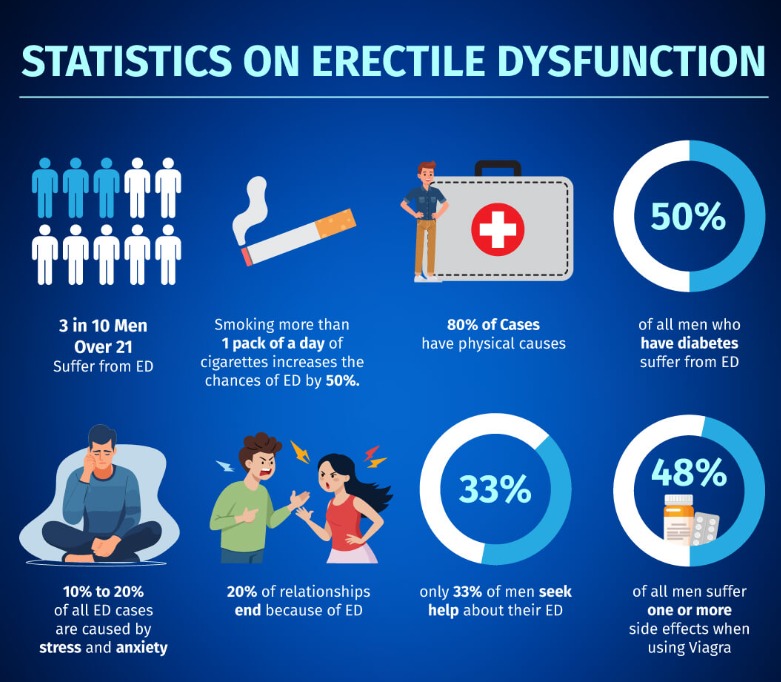
Research cited by the U.S. National Institute of Diabetes and Digestive and Kidney Diseases estimates that between 30 million and 50 million men in the United States have ED. The condition becomes more common with age, but age alone does not cause it. NIDDK notes that approximately 40% of men are affected at age 40 and around 70% report ED by age 70. These figures describe prevalence estimates, not a rule that every man will develop ED.
The encouraging news is that many contributing factors can be addressed. Regular physical activity, a healthier dietary pattern, weight management, smoking cessation, limiting excessive alcohol use, improving sleep, and managing stress may help reduce the risk of ED or improve symptoms for some men. However, “natural” does not mean that every case can or should be treated without medical care. If ED is caused by diabetes, cardiovascular disease, low testosterone, medication side effects, neurological disease, or another medical condition, identifying and managing the underlying cause is important.
This guide explains the common causes of erectile dysfunction, how ED is evaluated, which lifestyle changes have evidence behind them, what natural approaches should be viewed cautiously, and when professional treatment may be necessary.
What Is Erectile Dysfunction?
An erection depends on several systems working together. Sexual stimulation involves signals from the brain and nerves, blood flow into the penis, healthy blood vessels, appropriate hormonal function, and psychological factors. A problem affecting any part of this process can contribute to erectile difficulties.
According to NIDDK, symptoms of ED can include getting an erection sometimes but not every time sexual activity is desired, getting an erection that does not last long enough for sex, or being unable to get an erection. An occasional erection problem does not necessarily mean a person has chronic erectile dysfunction. Repeated or persistent difficulties are more likely to warrant discussion with a healthcare professional.
This distinction matters because sexual performance can temporarily be affected by fatigue, acute stress, alcohol, illness, or relationship circumstances. Persistent ED is different from one isolated episode.
How Common Is Erectile Dysfunction?
ED is common worldwide and becomes more prevalent with increasing age. NIDDK estimates that 30 million to 50 million men in the United States have erectile dysfunction. It also cites research suggesting that about 40% of men are affected at age 40, with the reported proportion increasing to about 70% by age 70. These numbers are population estimates and should not be used to predict an individual’s personal risk.
The reason prevalence increases with age is not simply aging itself. Health conditions that become more common over time—such as diabetes, high blood pressure, cardiovascular disease, obesity, and certain neurological disorders—can affect erectile function. Medication use also tends to increase with age.
For this reason, ED should be considered in the broader context of men’s health rather than treated only as a sexual-performance issue.
The Most Common Physical Causes of Erectile Dysfunction
Blood vessel and cardiovascular problems
Healthy erections require adequate blood flow. Conditions that damage or narrow blood vessels can therefore interfere with erectile function.
NIDDK lists heart and blood-vessel diseases, including atherosclerosis, high blood pressure, and stroke, among the conditions associated with ED. Smoking and other cardiovascular risk factors can also contribute to impaired blood flow.
This does not mean every person with ED has heart disease, or that ED alone can diagnose cardiovascular disease. It does mean persistent erectile problems can justify a broader health assessment, particularly when other risk factors are present.
The Urology Care Foundation similarly emphasizes the relationship between erectile function and vascular health and notes that smoking, heart disease, and diabetes can affect blood flow and contribute to ED.
Diabetes and blood sugar problems
Diabetes is one of the best-established medical conditions associated with ED. Over time, high blood glucose can damage blood vessels and nerves, both of which are important for normal erectile function.
NIDDK specifically lists diabetes among the most common conditions that can lead to erectile dysfunction. It also notes that men with diabetes can experience difficulties obtaining and maintaining erections, as well as other sexual-health problems.
For men with diabetes or prediabetes, improving overall metabolic health may therefore be relevant not only to blood sugar management but also to sexual health. Individual treatment plans should be developed with a qualified healthcare professional.
Obesity and metabolic health
Overweight and obesity are also associated with an increased likelihood of ED. Excess body weight can contribute to insulin resistance, high blood pressure, vascular dysfunction, and hormonal changes.
NIDDK includes obesity and overweight among chronic health conditions associated with erectile dysfunction. Its treatment guidance also states that maintaining a healthy body weight may improve testosterone levels and self-esteem and can help prevent conditions such as diabetes and high blood pressure that may contribute to ED.
Weight loss is not a universal cure for erectile dysfunction, and people should avoid unrealistic claims that a specific amount of weight loss will “reverse” every case. The likely benefit depends on the underlying causes and the person’s overall health.
Low testosterone and other hormonal issues
Hormones can affect sexual desire and erectile function. NIDDK lists low testosterone and thyroid imbalance among hormonal issues that can contribute to ED.
However, low testosterone should not be assumed simply because someone has erectile problems. Testosterone deficiency requires appropriate clinical evaluation and testing. ED can also occur when testosterone levels are normal because the condition has many possible causes.
NIDDK states that when ED and low testosterone coexist, a healthcare professional may consider testosterone treatment alongside other ED therapies in appropriate cases. Treatment should follow an actual diagnosis rather than self-prescribed testosterone products or unregulated “testosterone boosters.”
Nerve damage and neurological conditions
Nerves transmit the signals involved in sexual arousal and erection. Damage to these pathways can contribute to erectile difficulties.
NIDDK lists multiple sclerosis, spinal cord injuries, and nerve damage related to pelvic surgery among potential causes. Other neurological conditions or injuries may also affect erectile function.
When ED develops after surgery, an injury, or the onset of neurological symptoms, it is particularly important to discuss the issue with a healthcare professional rather than relying exclusively on supplements or home remedies.
Penile and reproductive conditions
Some physical conditions involving the penis or reproductive system can contribute to ED. NIDDK identifies Peyronie’s disease, which can involve penile curvature, and enlarged prostate among conditions associated with erectile difficulties.
Painful erections, a newly noticeable curve, or other structural changes should be medically assessed.
Psychological and Emotional Causes of ED
Erectile dysfunction is not always caused by a purely physical problem. Stress, anxiety, depression, relationship difficulties, loneliness, low self-esteem, and negative body image can contribute to ED or make an existing physical problem worse.
NIDDK specifically identifies anxiety, depression, stress, isolation, low confidence, and negative body image as mental or emotional factors that may cause or worsen erectile dysfunction.
Performance anxiety can create a particularly difficult cycle. A person experiences an erection problem, becomes worried that it will happen again, and then the anxiety itself interferes with sexual arousal during the next encounter.
This is one reason counseling can be part of evidence-based ED care. NIDDK states that healthcare professionals may recommend counseling when mental-health or emotional factors are affecting ED, and partner involvement may sometimes be useful.
Psychological causes should not be treated as meaning the problem is “imaginary.” The interaction between the brain, nervous system, emotions, relationships, and physical sexual response is real.
Can Medications Cause Erectile Dysfunction?
Yes. Some prescription and over-the-counter medicines can contribute to erectile difficulties.
NIDDK lists several categories, including certain antidepressants, blood-pressure medicines and diuretics, antihistamines, some pain medicines, sedatives, chemotherapy and hormone medicines, appetite suppressants, and some ulcer medicines.
A crucial safety point is that people should not stop a prescribed medication on their own because they believe it is causing ED. NIDDK recommends discussing medication concerns with a healthcare professional, who may determine whether another dose or treatment option is appropriate.
Medication review is therefore an important part of diagnosing erectile dysfunction.
Lifestyle Factors That Can Make ED Worse
Several daily habits can affect both erectile function and general health.
NIDDK identifies insufficient physical activity, excessive alcohol use, cigarette smoking, and recreational or illicit drug use as lifestyle behaviors that may contribute to ED.
The important pattern is that many of these factors influence blood vessels, nerves, hormones, or mental health. That is why improving overall lifestyle habits can sometimes improve erectile function rather than merely masking symptoms.
Natural Ways to Improve Erectile Function
Natural approaches should be understood as evidence-based lifestyle changes, not as unverified supplements marketed as instant cures.
1. Become more physically active
Regular physical activity supports cardiovascular health, circulation, weight management, and metabolic health. NIDDK states that increasing physical activity can help improve ED symptoms and recommends at least 150 minutes, or 2 hours and 30 minutes, of moderate-intensity physical activity each week, citing U.S. physical-activity guidance.
For example, 150 minutes can be divided into five 30-minute sessions each week. Brisk walking, cycling, swimming, and similar activities may help people meet this target depending on their fitness and medical condition.
Exercise is not a guaranteed standalone treatment for every case of ED. However, the American Urological Association guideline reports that dietary changes, weight loss, and increased physical activity can improve overall health and may produce small improvements in erectile function overall, with potentially clinically meaningful improvement for some men.
A practical goal is consistency rather than searching for a single “best exercise” for ED.
2. Follow a heart-healthy eating pattern
Diet affects several conditions linked with erectile dysfunction, including diabetes, obesity, and cardiovascular disease.
NIDDK states that research shows a healthy diet can lower the risk of developing ED or improve ED symptoms. It specifically identifies Mediterranean-style dietary patterns as associated with a lower chance of ED and recommends foods such as vegetables, fruits, legumes, nuts, seeds, fatty fish, and whole grains.
Rather than focusing on one supposedly powerful “ED food,” it is more useful to consider the overall dietary pattern.
A practical eating pattern may include:
- Vegetables and leafy greens regularly
- Whole fruits instead of relying primarily on sugary drinks
- Beans, lentils, and other legumes
- Whole grains
- Nuts and seeds in appropriate portions
- Sources of unsaturated fats
- Fish and other nutritious protein sources
NIDDK also recommends limiting dietary patterns high in saturated fat, refined carbohydrates, sodium, and added sugars when appropriate.
No individual food has been established as a universal cure for erectile dysfunction. Claims that one juice, herb, or food can reliably restore erections should therefore be treated cautiously.
3. Work toward a healthy body weight
If overweight or obesity is contributing to metabolic or cardiovascular problems, gradual weight management may improve factors associated with erectile health.
NIDDK notes that a healthy weight can improve testosterone levels and self-esteem and can help prevent diabetes and high blood pressure, both of which can contribute to ED.
There is no medically reliable rule stating that losing a particular number of kilograms will cure ED. Progress should be individualized and ideally focus on sustainable nutrition, activity, sleep, and treatment of underlying health conditions.
4. Stop smoking
Smoking can damage cardiovascular health and is associated with an increased risk of ED.
NIDDK advises people who smoke that quitting is one of the best steps they can take for both ED and overall health. The AUA guideline likewise notes evidence that cigarette smoking increases the risk of ED and supports counseling on smoking cessation.
Quitting may be difficult, particularly for long-term smokers. Professional smoking-cessation support can be more useful than relying on willpower alone.
5. Limit excessive alcohol use
Excessive alcohol consumption can interfere with sexual function and contribute to ED. NIDDK recommends limiting or stopping alcohol use as part of lifestyle changes that may help improve symptoms.
The appropriate approach depends on the individual’s health, current alcohol intake, medications, and medical history. People with alcohol dependence should seek professional support rather than attempting potentially unsafe withdrawal without medical guidance.
6. Address stress and performance anxiety
Stress-management techniques may not cure an ED caused by severe vascular disease or nerve injury, but mental and emotional health can meaningfully affect sexual function.
NIDDK recommends addressing stress and notes that counseling may be appropriate when anxiety, stress, depression, or other emotional issues are contributing to ED.
Potential strategies include regular exercise, relaxation practices, adequate downtime, psychological therapy, and couples counseling when relationship factors are relevant.
The goal should not be to create pressure to “perform better.” It is often more helpful to reduce the anxiety cycle surrounding sexual activity.
7. Improve sleep and address sleep-related health problems
Poor sleep can affect mood, energy, metabolic health, and hormonal regulation. The Urology Care Foundation includes better sleep habits among lifestyle measures that may support sexual health and its educational material suggests that approximately 7 to 8 hours of sleep may be a useful target for many adults. Individual sleep needs vary.
Persistent snoring, witnessed pauses in breathing, severe daytime sleepiness, or chronically poor sleep deserve medical attention. Treating an underlying sleep disorder may be more important than simply trying to spend more time in bed.
8. Avoid recreational and illicit drugs
NIDDK identifies recreational and illicit drug use as a behavior that may contribute to ED and recommends avoiding these substances.
Drug use can also interact dangerously with ED medicines. People should discuss substance use honestly with a healthcare professional so treatment can be chosen safely.
Are Herbal Supplements a Safe Natural Treatment for ED?
This is an area where caution is essential.
“Natural” does not automatically mean safe, effective, or free from drug interactions. NIDDK specifically advises people to speak with a healthcare professional before using vitamin or mineral supplements or complementary and alternative medicines for ED. It also warns against ordering ED medicines online without professional advice because medicines and supplements can interact with other treatments and cause serious problems.
A supplement should not be assumed to work simply because it is marketed as an herbal sexual enhancer.
Before taking any product, consider:
Is the active ingredient and dose clearly identified?
Is there high-quality human evidence supporting its use?
Could it interact with blood-pressure medicines, heart medicines, anticoagulants, diabetes medicines, or other prescriptions?
Has the product been evaluated by an appropriate healthcare professional?
If a product promises an immediate, guaranteed, or permanent cure for ED, that is a reason for caution.
How Is Erectile Dysfunction Diagnosed?
A proper ED assessment is not based only on a quick online quiz or a single testosterone test.
NIDDK states that diagnosis can involve medical, sexual, and mental-health history, a physical examination, and laboratory or other tests when needed. Healthcare professionals may review current medicines, sexual symptoms, emotional health, blood-vessel and nervous-system issues, hormonal factors, and physical conditions affecting the penis.
Depending on the clinical situation, testing may include blood tests, including tests related to thyroid or prostate health, and imaging such as ultrasound to evaluate penile blood flow. NIDDK also describes nocturnal erection testing and injection testing as additional assessments that may be used in selected cases.
The exact tests depend on the person’s symptoms and medical history. Not everyone needs every test.
Medical Treatments May Also Be Needed
Lifestyle improvements and medical treatment are not competing approaches. Many men benefit from addressing both the underlying health factors and the symptoms of ED.
NIDDK lists several treatment options, depending on the cause and individual circumstances. These include counseling, PDE5 inhibitor medicines, testosterone treatment in appropriate men with confirmed low testosterone, injectable or urethral medicines, vacuum erectile devices, and surgery in selected cases.
PDE5 inhibitors work by improving blood flow to the penis, but they are not appropriate for everyone. A healthcare professional should assess medication safety and possible interactions.
Vacuum erectile devices can also help create an erection mechanically by drawing blood into the penis and using a ring to help maintain the erection.
For severe or treatment-resistant ED, additional therapies, including penile implants, may be considered.
When Should You See a Doctor About ED?
You should consider a medical evaluation when erectile difficulties are persistent, recurrent, causing distress, or affecting your relationship or quality of life.
An assessment is particularly important when ED occurs alongside symptoms or risk factors such as:
- Diabetes or poorly controlled blood sugar
- High blood pressure or known cardiovascular disease
- Obesity or major unexplained weight changes
- Reduced sexual desire or possible hormonal symptoms
- Penile pain or curvature
- Neurological symptoms
- Depression or significant anxiety
- A recent change after starting a medication
- ED following pelvic surgery or injury
ED medicines can also cause serious adverse effects. NIDDK advises seeking medical help for an erection lasting longer than four hours, and it also identifies sudden vision or hearing loss after oral ED medication as reasons to contact a healthcare professional immediately.
A Practical Natural Improvement Plan
For someone whose healthcare profession has ruled out urgent causes, a reasonable lifestyle-focused approach may involve improving several factors at once rather than chasing one miracle solution.
Start with physical activity. Work toward at least 150 minutes of moderate-intensity activity per week if medically appropriate.
Build meals around vegetables, fruits, legumes, whole grains, nuts, seeds, and other sources of unsaturated fats, while reducing excessive intake of refined carbohydrates, added sugars, and foods high in saturated fat.
If you smoke, prioritize quitting. If alcohol or recreational drugs are contributing to the problem, seek appropriate support to reduce or stop use safely.
Pay attention to stress, mood, and sleep. If anxiety or depression is present, counseling or mental-health treatment may be an important part of improving sexual health.
Finally, review persistent symptoms with a qualified healthcare professional. Lifestyle changes may improve erectile function, but they should not delay diagnosis of diabetes, cardiovascular disease, hormonal problems, or other treatable conditions.
Final Thoughts
Erectile dysfunction is common, but it is not something that should automatically be accepted as an unavoidable consequence of aging. Persistent ED can involve physical, psychological, lifestyle-related, or medication-related factors, and more than one cause may be present at the same time.
Natural strategies can play an important role. Regular physical activity, a healthy dietary pattern, weight management where appropriate, smoking cessation, limiting excessive alcohol, avoiding recreational drugs, managing stress, and improving overall health may reduce the risk of ED or improve symptoms for some men.
But persistent erectile problems deserve proper attention. A medical evaluation can help identify conditions involving blood vessels, diabetes, hormones, nerves, mental health, or medication side effects. The safest approach is not to choose between “natural” care and medical care, but to understand the cause and use evidence-based lifestyle and treatment options appropriately.
Frequently Asked Questions
Can erectile dysfunction go away naturally?
It can improve in some cases, particularly when contributing factors such as smoking, physical inactivity, excess weight, poor metabolic health, stress, or excessive alcohol use are addressed. However, I cannot confirm that lifestyle changes alone will resolve any individual case because ED has multiple possible causes.
What is the most common cause of erectile dysfunction?
There is no single cause that applies to every person. NIDDK identifies blood-vessel disease, diabetes, obesity, hormonal issues, nerve damage, certain medicines, psychological factors, and lifestyle behaviors among common contributors.
Can exercise improve erectile dysfunction?
Regular physical activity may help improve ED symptoms and overall health. NIDDK recommends physical activity as part of lifestyle changes that may improve erectile function and cites a target of at least 150 minutes of moderate-intensity activity per week. Results vary depending on the underlying cause.
What foods may help erectile function?
NIDDK states that a healthy diet can lower the risk of developing ED or improve symptoms. It highlights dietary patterns including vegetables, fruits, legumes, whole grains, nuts, seeds, and sources of unsaturated fats and notes evidence supporting Mediterranean-style eating patterns.
Can low testosterone cause erectile dysfunction?
Yes, low testosterone can contribute to ED, although not every person with ED has low testosterone. A healthcare professional can determine whether hormonal testing is appropriate.
Does stress cause erectile dysfunction?
Stress, anxiety, depression, and other emotional factors can cause or worsen ED. Counseling may be recommended when mental-health or emotional issues are contributing to symptoms.
Can smoking cause erectile dysfunction?
Smoking is associated with cardiovascular and blood-vessel problems that can contribute to ED. NIDDK recommends quitting smoking as one of the lifestyle measures that may help erectile function and overall health.
Can alcohol make ED worse?
Yes. NIDDK lists excessive alcohol use among lifestyle behaviors that may contribute to erectile dysfunction and recommends limiting or stopping alcohol use as part of ED management when appropriate.
Are natural supplements safe for erectile dysfunction?
Not necessarily. NIDDK advises speaking with a healthcare professional before using supplements or complementary treatments for ED because they may cause side effects or interact with medicines.
How is erectile dysfunction diagnosed?
Diagnosis can include a medical, sexual, and mental-health history, physical examination, and laboratory or other tests when needed. Testing may include blood tests or imaging, depending on the person’s symptoms and suspected cause.
When should I see a doctor for ED?
You should consider seeing a healthcare professional if erectile problems are persistent, recurrent, causing distress, or affecting your quality of life. An evaluation is especially important when ED occurs with diabetes, cardiovascular risk factors, hormonal symptoms, neurological symptoms, or possible medication side effects.