
A1C Test Explained: What Your Blood Sugar Number Really Means
The A1C test is one of the most useful blood tests for understanding long-term blood sugar levels. Whether you have recently been screened for diabetes, have been told you are at risk of prediabetes, or are already managing diabetes, your A1C result can help explain how well your blood glucose has been controlled over time.
Unlike a finger-stick glucose test, which measures blood sugar at a particular moment, the A1C test estimates your average blood glucose over approximately the previous three months. It can help healthcare professionals identify prediabetes, diagnose diabetes, evaluate treatment effectiveness, and assess whether a person’s glucose levels are moving toward or away from their treatment goals. citeturn240991search0turn240991search2
However, an A1C result is not the whole story. It does not show every blood sugar spike or low, and certain medical conditions can make the result less reliable. Understanding the percentage, the diagnostic ranges, and the limitations of the test helps you make better-informed decisions with your healthcare professional.
This guide explains what the A1C test measures, what different A1C numbers mean, how the test compares with other diabetes tests, what can affect its accuracy, and which steps may help improve blood sugar control.
What Is the A1C Test?
The A1C test, also known as hemoglobin A1C, HbA1c, glycated hemoglobin, or glycosylated hemoglobin, is a blood test that measures the percentage of hemoglobin in red blood cells that has glucose attached to it.
Hemoglobin is the protein in red blood cells responsible for carrying oxygen throughout the body. As glucose circulates in the bloodstream, some of it naturally attaches to hemoglobin. This process is called glycation.
When blood glucose levels remain elevated over time, more glucose attaches to hemoglobin. Consequently, the A1C percentage generally increases as average blood sugar rises.
For example, an A1C result of 5.4% generally indicates lower average blood glucose than an A1C of 8.2%. The percentage is not the amount of sugar in your blood at that exact moment; it represents a longer-term measure of glucose exposure.
Because red blood cells circulate for roughly 120 days, the A1C test reflects glucose levels over approximately three months. More recent glucose levels tend to contribute more to the result than glucose levels from earlier in that period. citeturn240991search2turn240991search0
Why Is the A1C Test Important?
The A1C test serves several important purposes in diabetes care.
First, it can identify people whose glucose levels fall within the prediabetes or diabetes range. Detecting elevated glucose before complications develop may create an opportunity for earlier intervention.
Second, the test helps healthcare professionals assess glucose management after a diabetes diagnosis. If A1C is above an individual’s target, the care team can review eating patterns, activity, medications, sleep, illness, and other factors that may affect glucose control.
Third, A1C can help track progress over time. Comparing results from different dates can show whether a treatment plan is helping, although changes should be interpreted alongside daily glucose readings and the person’s overall health.
The test is particularly useful because it is less affected than a single glucose measurement by what you ate immediately before the test or by a brief period of stress. However, it can still be affected by certain blood disorders, medical treatments, and changes in red blood cell lifespan. citeturn240991search0turn240991search3
What Is a Normal A1C Level?
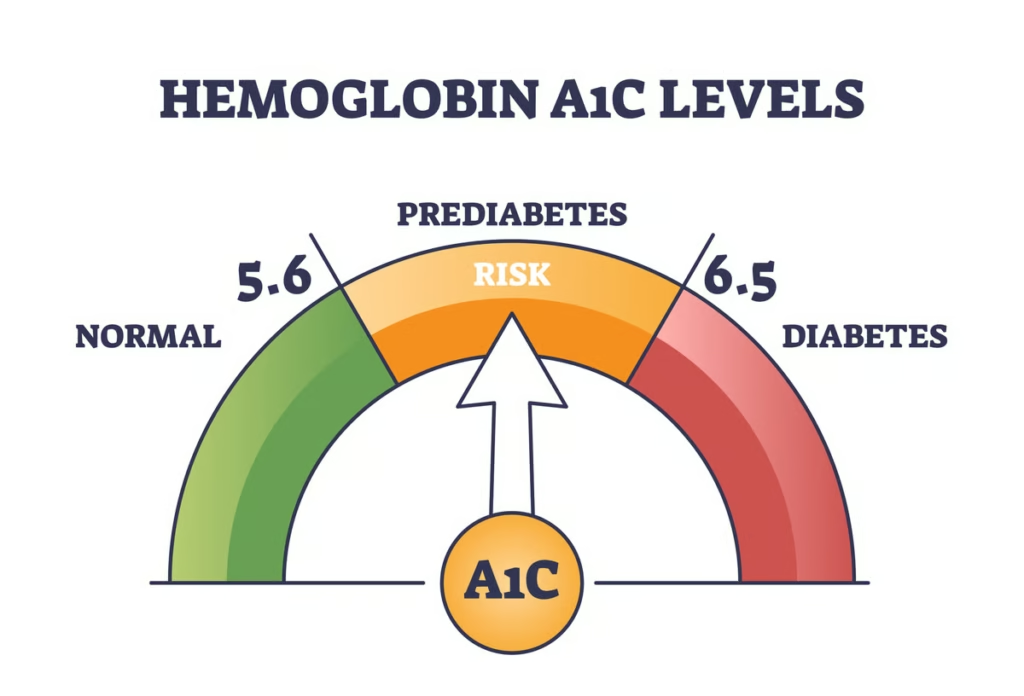
For nonpregnant adults, the American Diabetes Association (ADA) uses the following A1C ranges to help identify normal glucose regulation, prediabetes, and diabetes.
<text color=”secondary” size=”sm”>This result is below the usual A1C threshold for prediabetes. It does not rule out every form of abnormal glucose regulation.</text>
</box>
<text color=”secondary” size=”sm”>Blood glucose is above the normal range, and the risk of developing type 2 diabetes is increased.</text>
</box>
<text color=”secondary” size=”sm”>This meets the A1C threshold for diabetes when measured using an appropriate laboratory method. Confirmation is generally needed if there is no unequivocal hyperglycemia.</text>
</box>
These diagnostic categories are based on ADA criteria and are also described by the National Institute of Diabetes and Digestive and Kidney Diseases (NIDDK). citeturn240991search4turn240991search6
It is important to understand that these ranges serve different purposes from treatment targets. For example, a person who already has diabetes may have an individualized A1C goal of less than 7%, while another person may need a less stringent target to reduce the risk of low blood sugar or account for other health conditions.
A result of 6.8% in someone already diagnosed with diabetes does not automatically mean that the person’s condition is worsening. The appropriate interpretation depends on their previous readings, agreed treatment target, glucose patterns, and overall health.
What Does an A1C of 5.7% Mean?
An A1C of 5.7% is at the lower boundary of the prediabetes range.
It does not mean that you definitely have diabetes, and it does not mean you will inevitably develop it. Instead, it signals that glucose regulation may be changing and that assessing your risk factors is worthwhile.
Your healthcare professional may consider family history, body weight, physical activity, blood pressure, cholesterol, previous gestational diabetes, and other relevant factors. Depending on your circumstances, lifestyle changes and repeat testing may be recommended.
What Does an A1C of 6.0% Mean?
An A1C of 6.0% falls within the prediabetes range. It indicates a higher level of average glucose exposure than a result below 5.7%, but it is not itself a diagnosis of diabetes.
The risk of developing type 2 diabetes generally increases as A1C rises within the prediabetes range. However, individual risk depends on more than one laboratory number.
A clinician may recommend regular physical activity, a balanced eating pattern, weight management where appropriate, and follow-up testing. These steps can help reduce the risk of progression, although no lifestyle change guarantees that diabetes will be prevented.
What Does an A1C of 6.5% or Higher Mean?
An A1C of 6.5% or higher meets the ADA’s diagnostic threshold for diabetes when measured using a suitable standardized laboratory method.
If you have no clear symptoms or unequivocal hyperglycemia, a healthcare professional generally needs to confirm the diagnosis with a repeat A1C or another abnormal diagnostic test. An elevated result should prompt appropriate clinical follow-up rather than self-diagnosis.
A1C is not recommended as the sole diagnostic test for every type of diabetes or every clinical situation. For example, it should not be used to diagnose gestational diabetes, and it may be unsuitable in certain conditions that affect red blood cells. citeturn240991search4turn240991search3
What Does Your A1C Number Really Tell You About Average Blood Sugar?
A1C is reported as a percentage, but some laboratories also provide estimated average glucose (eAG) in milligrams per deciliter (mg/dL) or millimoles per liter (mmol/L).
The eAG value translates an A1C result into units similar to those used by a home glucose meter. This can make the result easier to understand, particularly if you routinely monitor blood sugar.
The following are approximate conversions based on a commonly used clinical relationship between A1C and estimated average glucose.
| A1C result | Estimated average glucose |
| 5.0% | 97 mg/dL (5.4 mmol/L) |
| 5.7% | 117 mg/dL (6.5 mmol/L) |
| 6.0% | 126 mg/dL (7.0 mmol/L) |
| 6.5% | 140 mg/dL (7.8 mmol/L) |
| 7.0% | 154 mg/dL (8.6 mmol/L) |
| 8.0% | 183 mg/dL (10.2 mmol/L) |
| 9.0% | 212 mg/dL (11.8 mmol/L) |
| 10.0% | 240 mg/dL (13.3 mmol/L) |
These figures are estimates, not a prediction of your glucose at every moment. The NIDDK explains that eAG may differ from individual finger-stick readings because A1C represents a long-term average, whereas a glucose meter measures blood sugar at a specific time. citeturn240991search0
For instance, a person with an A1C of 7.0% may have a fasting glucose of 110 mg/dL on one morning and a postmeal reading of 190 mg/dL on another occasion. Those individual readings can vary while contributing to the longer-term average.
This is why A1C should be considered alongside daily glucose monitoring, symptoms, and, where appropriate, continuous glucose monitoring (CGM).
A1C Test vs. Fasting Blood Sugar Test: What Is the Difference?
Both tests can help diagnose diabetes, but they measure different aspects of glucose regulation.
The A1C test estimates glucose exposure over approximately three months. The fasting plasma glucose test measures blood glucose after a period without caloric intake, generally at least eight hours.
A fasting glucose result can be influenced by recent illness, stress, sleep, and normal day-to-day variation. A1C is less affected by a single meal or a short-lived glucose change, but it can be misleading when conditions affect red blood cells or hemoglobin.
| Feature | A1C test | Fasting plasma glucose |
| What it measures | Long-term average glucose exposure | Blood glucose at one point in time |
| Preparation | Fasting is generally not required | Usually requires at least 8 hours without caloric intake |
| Result format | Percentage | mg/dL or mmol/L |
| Prediabetes range | 5.7–6.4% | 100–125 mg/dL (5.6–6.9 mmol/L) |
| Diabetes threshold | 6.5% or higher | 126 mg/dL (7.0 mmol/L) or higher |
| Main limitation | Can be affected by red blood cell or hemoglobin conditions | Can vary with recent circumstances and biological fluctuations |
The diagnostic values above apply to nonpregnant individuals and should be interpreted within clinical guidelines. A healthcare professional may use an oral glucose tolerance test or other measurements when the A1C and fasting glucose results do not agree. citeturn240991search4turn240991search3
Why Can A1C and Fasting Glucose Results Disagree?
Imagine that a person’s A1C is 6.6%, but their fasting glucose is below the diabetes threshold. This does not automatically mean one test is wrong. The tests measure different aspects of glucose regulation, and each has limitations.
The person may have glucose elevations at times that are not captured by the fasting test. Alternatively, the A1C may be affected by a condition that changes red blood cell lifespan or hemoglobin measurement.
When results conflict, the healthcare professional may repeat the test that was above the diagnostic threshold, investigate possible interference, or order additional testing. Diagnosis should be based on the appropriate confirmed results rather than choosing whichever number appears more reassuring. citeturn240991search5turn240991search0
How Is the A1C Test Performed?
The A1C test is usually performed using a blood sample collected from a vein in the arm. A healthcare professional sends the sample to a laboratory for analysis.
In most circumstances, you do not need to fast before an A1C test. You can usually eat and drink normally unless your clinician has ordered other tests that require fasting.
The test measures glycated hemoglobin and reports the result as a percentage. If it is being used to diagnose diabetes, the laboratory method should meet the relevant standardization requirements, including National Glycohemoglobin Standardization Program (NGSP) certification.
Some clinics also offer point-of-care A1C testing. However, the suitability of these tests for diagnosis depends on the method and testing setting; a result from an unsuitable point-of-care test should not automatically be treated as a definitive diagnosis. citeturn240991search4turn240991search6
How Often Should You Get an A1C Test?
The appropriate testing schedule depends on whether you have diabetes, prediabetes, relevant risk factors, and whether your glucose is at your target.
For people with diabetes, A1C is commonly checked at least twice a year when treatment is stable and glucose goals are being met. More frequent testing may be appropriate when treatment changes or glucose targets are not being met.
For people with prediabetes, a clinician may recommend repeat testing based on individual risk and previous results. Those with a result close to the diabetes threshold or with changing risk factors may need earlier follow-up.
If your results are normal, the appropriate screening interval depends on your age, risk factors, and local clinical guidance. There is no single schedule that fits everyone. citeturn240991search0turn240991search5
What Can Affect A1C Test Accuracy?
Although A1C is a valuable test, it is not perfectly reliable in every situation. Conditions that change the lifespan of red blood cells or alter hemoglobin can cause the result to be higher or lower than expected.
This matters because an inaccurate result could lead to an incorrect interpretation of diabetes risk or treatment effectiveness.
Iron-Deficiency Anemia and Other Blood Conditions
Iron-deficiency anemia may falsely raise A1C in some circumstances. Other conditions that affect red blood cell production, breakdown, or replacement can produce misleading results in either direction.
Examples include recent blood loss, certain hemolytic conditions, some forms of anemia, erythropoietin treatment, and recent blood transfusion. Kidney disease and liver disease can also complicate interpretation.
The impact varies by condition and the circumstances involved. A clinician should not assume that every person with anemia has an unreliable A1C, but the possibility deserves consideration when the result does not fit the clinical picture. citeturn240991search0
Hemoglobin Variants
Some people have inherited variations in hemoglobin, such as sickle cell trait or certain thalassemias. Depending on the specific variant and laboratory method, the result may be affected.
Not all A1C methods are affected by all hemoglobin variants. When a variant is known or suspected, the healthcare professional may choose a suitable assay or use a different glucose-based test.
This is particularly important when A1C results do not match home glucose readings, fasting glucose, symptoms, or other clinical findings.
Pregnancy and Recent Changes in Glucose
A1C may not accurately reflect glucose regulation in every stage of pregnancy. It is not the recommended test for diagnosing gestational diabetes, which is generally assessed using pregnancy-specific glucose testing.
A1C can also be slow to reflect very recent changes. If a person makes a substantial improvement in diet, physical activity, or medication use two weeks before testing, the result may still reflect higher glucose levels from earlier in the three-month period.
Conversely, a recent deterioration in glucose may not be fully reflected yet. This is another reason to interpret A1C alongside current glucose readings. citeturn240991search3turn240991search0
How Can You Lower a High A1C Level?
If your A1C is above your individualized target, the next step is to understand what may be contributing to the result. Effective management often combines nutrition, physical activity, medication when needed, sleep, and regular follow-up.
There is no guaranteed way to lower A1C by a specific percentage in a fixed number of days. Results depend on starting glucose levels, the underlying type of diabetes, treatment, health conditions, and how consistently the plan can be followed.
1. Build a Balanced Eating Pattern
Food choices influence postmeal glucose and can affect long-term glucose control. A balanced eating pattern typically includes non-starchy vegetables, fiber-rich foods, appropriate portions of carbohydrate-containing foods, protein sources, and unsaturated fats.
Whole grains, beans, lentils, vegetables, and whole fruit can provide fiber and nutrients. Sugary drinks, frequent large portions of refined carbohydrates, and highly processed snacks may make glucose management more difficult for some people.
However, people with diabetes do not necessarily need to eliminate all carbohydrates. The appropriate amount and distribution depend on personal nutritional needs, medication, cultural food preferences, and glucose patterns.
A registered dietitian or qualified nutrition professional can help develop an eating plan that is practical and sustainable.
2. Increase Physical Activity Gradually
Regular physical activity can improve insulin sensitivity and support glucose management. Walking, cycling, swimming, and resistance training are options, depending on fitness and health status.
For many adults, public health guidance recommends at least 150 minutes of moderate-intensity aerobic activity per week, together with muscle-strengthening activities on two or more days when appropriate. People who are inactive should build up gradually rather than attempting an intense routine immediately.
If you use insulin or medications that can cause hypoglycemia, ask your healthcare professional how to exercise safely. Activity can change glucose levels during and after exercise, so monitoring and medication planning may be important.
3. Manage Weight When Appropriate
For people with overweight or obesity and insulin resistance, weight management may improve glucose regulation. Even modest, sustained weight loss can benefit some people with type 2 diabetes or prediabetes.
However, weight loss is not necessary or appropriate for everyone. A healthy plan should account for age, nutritional status, medical conditions, and personal circumstances. Extreme dieting, prolonged fasting, or unregulated supplements may create risks and are not substitutes for evidence-based diabetes care.
4. Take Prescribed Medication Consistently
Medication may be an essential part of lowering A1C. Depending on the type of diabetes and individual needs, treatment may involve insulin, oral medications, injectable medicines, or combinations of therapies.
If A1C remains above target, your healthcare professional may review whether the medication is appropriate, whether doses are being taken as prescribed, and whether side effects, costs, or practical barriers are affecting treatment.
Do not stop, increase, or reduce diabetes medication without clinical guidance. A lower A1C is not beneficial if it is achieved at the cost of frequent or severe hypoglycemia.
5. Prioritize Sleep and Stress Management
Insufficient sleep and ongoing stress may affect glucose regulation and make diabetes self-management harder. Maintaining a regular sleep routine and seeking help for persistent insomnia or possible sleep apnea may support overall health.
Stress-management approaches can include walking, relaxation exercises, social support, or professional psychological care. These strategies complement medical treatment; they should not be presented as replacements for necessary medication.
6. Monitor Glucose and Follow Up
A1C gives a long-term overview, while a home glucose meter or CGM can show more immediate patterns. Combining these sources of information may help identify fasting hyperglycemia, postmeal spikes, or episodes of low glucose.
Follow-up testing helps determine whether a treatment plan is working and whether changes are needed. If glucose readings and A1C disagree substantially, tell your healthcare professional so that possible test interference or glucose patterns can be investigated.
What Is a Good A1C Goal for Someone With Diabetes?
For many nonpregnant adults with diabetes, the ADA considers an A1C goal below 7% appropriate when it can be achieved without significant hypoglycemia or undue treatment burden. However, this is not a universal target. citeturn240991search8
A lower target may be appropriate for some people who can achieve it safely. A less stringent target may be better for people with a history of severe hypoglycemia, significant frailty, multiple serious health conditions, or other factors that make intensive treatment risky.
For children, pregnant people, older adults, and individuals with complex health needs, goals may differ considerably.
The right goal is one that balances long-term health benefits with safety, quality of life, and the practical demands of treatment. Ask your healthcare professional what your target should be and how often it should be reviewed.
What Happens If A1C Stays High for a Long Time?
Persistently elevated blood glucose can increase the risk of diabetes-related complications. Over time, high glucose may damage blood vessels and nerves and contribute to problems affecting the eyes, kidneys, feet, and cardiovascular system.
A high A1C does not mean that complications are inevitable, nor does it predict exactly when they might occur. Risk depends on multiple factors, including the duration of diabetes, blood pressure, cholesterol, smoking, kidney function, and other health conditions.
Keeping glucose within an individualized target can help reduce risk, while routine clinical care can detect complications early. Depending on the type and duration of diabetes, recommended care may include eye examinations, kidney testing, foot assessments, blood pressure checks, and cholesterol management.
If your A1C is high, treat the result as useful information rather than a reason for shame or blame. Diabetes is influenced by biological, social, and environmental factors, and the most effective management plan is one you can follow safely with professional support.
A1C Test and Prediabetes: Can You Prevent Type 2 Diabetes?
An A1C in the prediabetes range identifies an opportunity to assess risk and take preventive action.
Lifestyle interventions that include healthier eating, regular physical activity, and weight management where appropriate can reduce the risk of developing type 2 diabetes. Some people may also benefit from medication, depending on their risk profile and clinical circumstances.
The important point is that prediabetes is not the same as diabetes, and progression is not inevitable. A healthcare professional can help determine how often to retest and which changes are most likely to benefit you.
For a more detailed explanation of risk factors, screening, and prevention, link this section to your related article, “Prediabetes Explained: Signs, Causes, and How to Prevent Type 2 Diabetes.”
Conclusion
The A1C test offers a valuable overview of average blood sugar over approximately three months. For nonpregnant adults, an A1C below 5.7% is within the normal screening range, 5.7–6.4% indicates prediabetes, and 6.5% or higher meets the diagnostic threshold for diabetes when appropriately measured and confirmed.
However, the number should never be interpreted in isolation. A1C can be affected by medical conditions, does not reveal every glucose spike or low, and may not be appropriate for every diagnostic situation.
If your A1C is elevated, work with a qualified healthcare professional to understand the result, assess other risk factors, and develop a realistic management plan. Balanced nutrition, physical activity, appropriate medication, sleep, and regular follow-up can all contribute to better glucose management.
Frequently Asked Questions
1. What does the A1C test measure?
The A1C test measures the percentage of hemoglobin in red blood cells that has glucose attached to it. It provides an estimate of average blood glucose over approximately the previous three months and is used to help diagnose prediabetes and diabetes and monitor diabetes management.
2. Do I need to fast before an A1C test?
Usually, no. Fasting is generally not required for an A1C test. However, if your healthcare professional orders additional tests that require fasting, you should follow the preparation instructions provided.
3. What is a normal A1C level?
For nonpregnant adults, an A1C below 5.7% is considered within the normal range for diabetes screening. An A1C of 5.7–6.4% falls within the prediabetes range, and 6.5% or higher meets the diabetes diagnostic threshold, subject to appropriate confirmation and clinical interpretation.
4. Is an A1C of 6.0% diabetes?
No. An A1C of 6.0% falls within the prediabetes range, not the diabetes diagnostic range. It indicates increased risk and may prompt a discussion about lifestyle changes, other risk factors, and follow-up testing.
5. Does an A1C of 6.5% mean I definitely have diabetes?
It meets the laboratory threshold for diabetes when the test is performed using an appropriate standardized method. If you do not have unequivocal hyperglycemia, a healthcare professional generally needs a second abnormal result to confirm the diagnosis.
6. How long does it take to lower A1C?
A1C reflects glucose exposure over roughly three months, so changes in glucose management may take several weeks to become fully apparent in the result. The time and degree of improvement vary according to starting levels, treatment, and individual health factors.
7. Can A1C be wrong?
Yes. Conditions affecting red blood cells, hemoglobin variants, certain treatments, and some medical conditions can make A1C misleading. If the result does not match your glucose readings or clinical situation, your healthcare professional may investigate the cause or use another test.
8. Which is more accurate: A1C or fasting blood sugar?
Neither test is universally better in every situation. A1C reflects longer-term glucose exposure, while fasting glucose measures blood sugar at one moment. Both have limitations, and a healthcare professional may use both tests or an oral glucose tolerance test when necessary.
9. Can I have diabetes with a normal A1C?
It is possible in certain circumstances. A1C and glucose-based tests can produce different results, particularly when glucose patterns or conditions affecting red blood cells complicate interpretation. If symptoms or other test results suggest diabetes despite a normal A1C, further evaluation may be appropriate.
10. How often should people with diabetes check their A1C?
A1C is commonly checked at least twice a year when treatment is stable and goals are being met. More frequent testing may be appropriate when treatment changes or glucose remains above target. Your clinician can recommend a schedule based on your individual needs.
11. Can diet alone lower A1C?
Changes to eating patterns can improve glucose management, but diet alone may not be sufficient for everyone. Some people need medication or insulin as part of their treatment. Avoid stopping prescribed treatment in favor of dietary changes without medical advice.
12. Is a lower A1C always better?
Not necessarily. Although improved glucose control can reduce the risk of complications, an excessively intensive treatment plan can cause dangerous low blood sugar in some people. Your target should balance long-term benefits, hypoglycemia risk, other health conditions, and quality of life.