
Male Hair Loss: Causes, Types, and Treatment Options
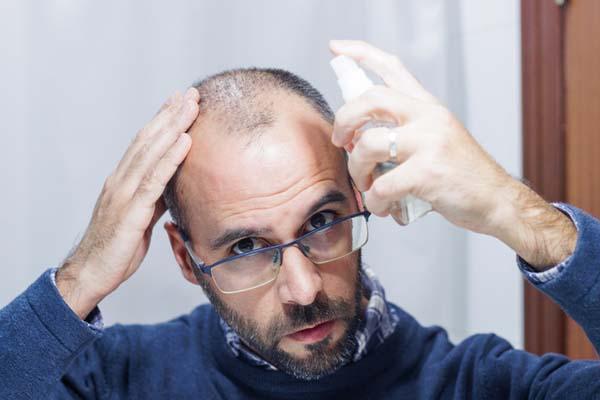
Male hair loss is common, but it does not have one universal cause or treatment. Gradual thinning around the temples and crown is often associated with male pattern baldness, while sudden shedding, patchy bald spots, scalp inflammation, nutritional deficiencies, hormonal changes, and certain medications can point to different conditions.
The distinction matters because treatments that help androgenetic alopecia may not work for alopecia areata, fungal scalp infections, or hair loss caused by an underlying medical problem. Some forms of hair loss are progressive, while others are temporary or potentially reversible once the trigger is identified.
Male pattern hair loss, medically known as androgenetic alopecia, is the most common form of hair loss in men. A review published in the National Library of Medicine’s Endotext reference reports that approximately 30% to 50% of men develop this condition by age 50. Its frequency and severity generally increase with age, although the timing and pattern vary between individuals and populations.
Hair loss can affect more than physical appearance. Some men experience reduced confidence, anxiety, social discomfort, and concerns about aging. Understanding the underlying cause and available treatments can help men make informed decisions instead of spending money on products that may not address their particular condition.
This guide explains the main types and causes of male hair loss, how doctors investigate it, and which treatments have credible evidence behind them. It also discusses realistic treatment expectations, potential side effects, and when a man should seek medical assessment rather than relying on supplements or commercial hair-growth products.
What Is Male Hair Loss?
Male hair loss, or male alopecia, refers to the partial or complete loss of hair from the scalp. It can develop gradually over several years or appear relatively quickly, depending on its underlying cause.
Hair naturally grows in repeating cycles. Each follicle passes through three principal stages:
- Anagen: The active growth phase, during which the hair shaft develops.
- Catagen: A short transitional phase in which active growth stops and the follicle begins to shrink.
- Telogen: The resting phase, after which the hair eventually sheds and a new growth cycle can begin.
Hair shedding is a normal part of this process. The NHS estimates that people commonly lose approximately 50 to 100 hairs daily. The British Association of Dermatologists gives a broader normal range of approximately 30 to 150 hairs per day, reflecting natural variation and differences in measurement.
Hair loss becomes a concern when shedding increases substantially, new hair growth does not adequately replace lost hair, or follicles gradually produce thinner and shorter hairs.
In male pattern baldness, susceptible follicles progressively miniaturise. This means they become smaller and produce finer, shorter hairs over successive growth cycles. Eventually, affected areas may become visibly thin or bald.
Other conditions affect hair differently. Telogen effluvium pushes an unusually large number of follicles into the resting phase, causing diffuse shedding. Alopecia areata involves an immune response against hair follicles, while scarring alopecia can permanently destroy follicles.
Identifying which process is occurring is the first step towards choosing an appropriate treatment.
How Common Is Male Pattern Baldness?
Male pattern baldness affects men across different age groups, although its prevalence generally increases as men get older.
A clinical review available through the National Library of Medicine estimates that androgenetic alopecia affects approximately 30% to 50% of men by age 50. Another study published in Nature Communications, involving genetic data from more than 70,000 men, describes male pattern baldness as a common condition with a prevalence approaching 50% by age 50.
A population-based study published in the Journal of Cutaneous and Aesthetic Surgery examined 1,005 men aged 30 to 49 and reported androgenetic alopecia in 58% of participants. The researchers observed a higher prevalence in older age groups within their sample.
These figures should not be treated as a universal prediction for every population. Prevalence varies according to ethnicity, age distribution, study design, diagnostic criteria, and other factors.
The important point is that male pattern hair loss is common, but the age at which it begins and the degree of progression differ considerably.
Some men notice a receding hairline in their twenties, while others maintain substantial hair density well into later adulthood. Early onset does not necessarily mean that every individual will develop complete baldness.
What Causes Male Hair Loss?
Male hair loss can result from genetic susceptibility, hormonal activity, immune system conditions, physical stress, nutritional problems, scalp disorders, medications, or hair-care practices.
In some cases, more than one cause is present. A man may have hereditary hair loss and experience an additional episode of temporary shedding after an illness or major weight loss.
1. Genetics and Hereditary Hair Loss
Genetics is one of the strongest contributors to male pattern baldness.
Men who have close relatives with significant hair loss may have a higher likelihood of developing androgenetic alopecia. However, the inheritance pattern is complex. It is not accurate to assume that baldness is inherited only from the mother’s side or that a single family member’s hair pattern determines an individual’s future.
A 2017 genome-wide association study published in Nature Communications examined more than 70,000 men and identified 71 independently replicated genetic susceptibility loci associated with male pattern baldness. The researchers reported that these loci explained approximately 38% of the risk variation in their analysis.
This finding illustrates that male pattern hair loss is genetically complex rather than controlled by one baldness gene.
Genetic susceptibility affects how individual hair follicles respond to androgens. Men with susceptible follicles may gradually develop thinning around the temples, frontal scalp, and crown.
2. Dihydrotestosterone (DHT) and Hormonal Sensitivity
Dihydrotestosterone, commonly called DHT, is an androgen hormone produced from testosterone through the action of an enzyme called 5-alpha-reductase.
DHT has several biological functions, but it also plays an important role in androgenetic alopecia.
In genetically susceptible scalp follicles, DHT interacts with androgen receptors and contributes to progressive follicular miniaturisation. Over time, affected follicles produce increasingly fine hairs and may eventually stop producing visible terminal hair.
This explains why male pattern baldness is associated with androgen sensitivity rather than simply having unusually high testosterone levels.
A man can have testosterone levels within the normal range and still develop significant hair loss because his scalp follicles are genetically more sensitive to DHT.
This hormonal mechanism is also the reason finasteride can help some men with androgenetic alopecia. The medicine inhibits type II 5-alpha-reductase, reducing the conversion of testosterone into DHT.
3. Age-Related Changes
Hair follicles can become less productive with age. Hair density, growth rate, and hair thickness may change over time.
Age also provides more time for genetically influenced follicular miniaturisation to develop.
However, age alone does not explain every case of hair loss. Sudden shedding in an older man may still be caused by illness, medication, thyroid disease, nutritional deficiency, or another treatable condition.
4. Physical and Emotional Stress
Significant physical or psychological stress can trigger a condition called telogen effluvium.
This occurs when an unusually large proportion of hair follicles move from the active growth phase into the resting phase. Several weeks or months later, the affected hairs begin shedding.
Common triggers include major surgery, high fever, serious illness, severe emotional stress, rapid weight loss, and restrictive dieting.
The British Association of Dermatologists explains that telogen effluvium commonly becomes noticeable around three months after the triggering event.
This delay can make it difficult to identify the original cause. A man may notice excessive shedding in November, for example, even though the illness or stressful event occurred in August.
In many cases, acute telogen effluvium improves once the underlying trigger has resolved. However, prolonged shedding requires assessment to identify persistent causes or overlapping conditions.
5. Nutritional Deficiencies
Hair growth requires adequate nutrition. Severe dietary restriction or certain nutrient deficiencies may contribute to hair shedding or poor hair quality.
Potential nutritional factors include:
- Iron deficiency.
- Inadequate protein intake.
- Zinc deficiency.
- Insufficient overall calorie intake.
- Certain vitamin deficiencies.
Not every man experiencing hair loss has a nutritional deficiency. Taking high-dose supplements without evidence of a deficiency may be ineffective and, in some cases, harmful.
For example, excessive intake of vitamin A or selenium can itself contribute to hair loss. A clinician may recommend blood tests when medical history or examination suggests a nutritional problem.
6. Thyroid and Other Medical Conditions
Both underactive and overactive thyroid conditions can affect the hair growth cycle. Some men experience diffuse thinning or increased shedding when thyroid function is abnormal.
Other medical conditions may also contribute to hair loss, including autoimmune diseases, severe infections, and disorders associated with nutritional or hormonal changes.
The NHS lists illness, stress, weight loss, and iron deficiency among possible causes of temporary hair loss.
If hair loss occurs alongside fatigue, unexplained weight changes, temperature sensitivity, skin changes, or other persistent symptoms, medical assessment may help identify an underlying condition.
7. Medications and Medical Treatments
Some medications can affect the hair growth cycle. Hair shedding may occur after starting a medicine, changing its dose, or stopping certain treatments.
Examples of treatments that may be associated with hair loss include some cancer therapies, anticoagulants, retinoids, and other prescription medicines.
Chemotherapy-related hair loss is different from typical male pattern baldness. Depending on the treatment, it may cause substantial shedding or loss of scalp and body hair.
Men should not stop prescribed medication simply because they suspect it is affecting their hair. A healthcare professional can assess whether the medicine is a likely contributor and whether a suitable alternative exists.
8. Scalp Infections and Inflammatory Conditions
The scalp needs to remain healthy for normal hair growth. Certain infections and inflammatory disorders can damage hair shafts or follicles.
Fungal scalp infections, such as tinea capitis, can cause scaling, itching, broken hairs, and patchy hair loss. Although more common in children, adults can also develop these infections.
Other conditions, including psoriasis, seborrhoeic dermatitis, folliculitis, and certain inflammatory scalp disorders, may contribute to irritation or shedding.
Some inflammatory disorders cause scarring alopecia, in which follicles are permanently damaged. Early diagnosis is particularly important in these cases because treatment may help prevent further irreversible loss.
Types of Male Hair Loss
Different forms of male hair loss have distinct patterns and causes. Recognising the pattern can help a dermatologist decide which investigations and treatments are appropriate.
1. Androgenetic Alopecia (Male Pattern Baldness)
Androgenetic alopecia is the most common form of male hair loss. It is associated with genetic susceptibility and the effects of androgens, particularly DHT, on susceptible hair follicles.
The condition usually develops gradually.
Common early signs include a receding hairline, thinning at the temples, and reduced density around the crown. As the condition progresses, the frontal and crown areas may become increasingly thin.
Dermatologists commonly use the Hamilton-Norwood classification to describe the progression of male pattern baldness. The scale includes different stages, ranging from minimal recession to extensive frontal and crown hair loss.
Not every man follows the same progression. Some develop pronounced temple recession, while others experience more noticeable crown thinning.
Treatment may include topical minoxidil, oral finasteride, or a combination when clinically appropriate.
2. Telogen Effluvium
Telogen effluvium causes excessive shedding across the scalp rather than following the typical male pattern.
It can develop after a major illness, surgery, fever, severe stress, significant weight loss, or nutritional deficiency.
The British Association of Dermatologists explains that the proportion of follicles in the resting phase can increase substantially in this condition. Shedding often appears around three months after the trigger.
A man may notice more hair on his pillow, in the shower, or on his comb. The scalp may look less dense overall, but the hairline does not necessarily recede in the characteristic pattern of androgenetic alopecia.
Acute telogen effluvium often improves after the underlying trigger has resolved. Persistent or recurrent shedding needs further evaluation.
3. Alopecia Areata
Alopecia areata is an autoimmune condition in which the immune system mistakenly attacks hair follicles.
It often causes one or more smooth, round or oval bald patches on the scalp. It can also affect eyebrows, eyelashes, facial hair, and other body hair.
Unlike male pattern baldness, alopecia areata is not caused by DHT-driven follicular miniaturisation.
The condition varies considerably. Some people develop only a few small patches, while others experience extensive scalp hair loss or loss of hair across the body.
The American Academy of Dermatology describes more extensive forms as alopecia totalis when the entire scalp is affected and alopecia universalis when hair loss extends across the body.
Treatment depends on the extent and severity of the condition. Options may include corticosteroid injections, topical treatments, contact immunotherapy, or specialist-prescribed medicines that modify immune activity.
4. Traction Alopecia
Traction alopecia develops when repeated pulling places excessive tension on the hair follicles.
It can occur with tight braids, ponytails, extensions, tightly secured head coverings, or hairstyles that consistently pull hair backwards.
Early traction alopecia may improve if the pulling stops. Long-standing traction can permanently damage follicles and produce scarring.
Men who regularly wear tightly pulled hairstyles should pay attention to thinning around the temples and hairline, particularly when the affected skin feels tender or irritated.
5. Scarring Alopecia
Scarring alopecia, also called cicatricial alopecia, refers to a group of disorders in which inflammation destroys hair follicles and replaces them with scar tissue.
Once a follicle has been completely destroyed, it generally cannot produce hair again.
Warning signs can include scalp burning, tenderness, itching, redness, scaling, pustules, crusting, or shiny areas where normal follicular openings are no longer visible.
Some forms progress slowly and produce few symptoms, so the absence of pain does not rule out the condition.
The American Academy of Dermatology and specialist dermatology resources emphasise the importance of early diagnosis because treatment aims to control inflammation and preserve remaining follicles. A dermatologist may recommend trichoscopy and a scalp biopsy to establish the diagnosis.
6. Anagen Effluvium
Anagen effluvium occurs when hair growth is disrupted during the active growth phase.
It is most commonly associated with chemotherapy and certain other medical exposures that affect rapidly dividing cells.
Unlike telogen effluvium, which typically causes delayed shedding, anagen effluvium can develop relatively quickly after exposure.
Hair loss may be extensive, but regrowth is possible depending on the underlying cause and whether the follicles have been permanently damaged.
Common Signs and Symptoms of Male Hair Loss
The symptoms depend on the type of alopecia.
In androgenetic alopecia, the most recognisable signs are gradual recession at the temples, thinning at the crown, and a reduction in hair density over the top of the scalp.
Other symptoms may include:
- More visible scalp through thinning hair.
- A widening area of reduced density at the crown.
- Hair that appears progressively finer.
- Increased shedding during washing or brushing.
- Smooth bald patches.
- Broken hairs and scalp scaling.
- Redness, itching, burning, or tenderness.
Not every sign indicates the same condition. For example, smooth round patches may suggest alopecia areata, while diffuse shedding after a high fever may indicate telogen effluvium.
Persistent inflammation, pain, or pustules deserve particular attention because they may indicate a scalp disorder that needs treatment.
How Is Male Hair Loss Diagnosed?
An accurate diagnosis is more useful than immediately purchasing a hair-growth product.
A dermatologist or other appropriately qualified healthcare professional typically considers the pattern of hair loss, the speed of progression, medical history, medication use, family history, and scalp examination.
Medical History and Physical Examination
The clinician may ask when the hair loss began, whether it developed suddenly or gradually, and whether other family members have experienced similar changes.
Questions may also cover recent illness, surgery, weight loss, dietary habits, stress, medication changes, and scalp symptoms.
The examination usually includes the hairline, crown, sides, back of the scalp, and any affected areas of facial or body hair.
Hair Pull Test
A hair pull test involves gently pulling a small group of hairs to assess whether an unusually large number comes away.
It may provide clues about active shedding, although it cannot independently establish the cause of hair loss.
Trichoscopy
Trichoscopy uses a magnifying device to examine the scalp and hair follicles.
It can help identify differences in hair shaft thickness, follicular openings, inflammation, scaling, broken hairs, and other patterns associated with particular types of alopecia.
This examination can be especially useful when distinguishing androgenetic alopecia from other conditions.
Blood Tests
Blood tests are not necessary for every man with a typical pattern of hereditary hair loss.
However, a clinician may request investigations if the history or examination suggests a medical or nutritional cause.
Depending on the situation, these may include:
- Complete blood count.
- Ferritin and iron studies.
- Thyroid-stimulating hormone.
- Vitamin or mineral testing when deficiency is suspected.
- Other investigations guided by symptoms and medical history.
Testing should be selected according to clinical findings rather than ordering an extensive panel without a clear reason.
Scalp Biopsy
A scalp biopsy may be recommended when the diagnosis is uncertain or scarring alopecia is suspected.
A small sample of scalp tissue is examined to identify inflammation, follicular damage, and other changes that can help distinguish different hair disorders.
The American Academy of Dermatology notes that blood testing or a scalp biopsy may be considered when a dermatologist suspects disease, vitamin deficiency, hormonal imbalance, or infection.
Treatment Options for Male Hair Loss
Treatment depends on the cause, severity, progression, medical history, and personal preferences.
The two best-established medicines for male pattern hair loss are topical minoxidil and oral finasteride. Other approaches may be considered in selected patients, but their suitability and evidence vary.
1. Topical Minoxidil
Minoxidil is a topical medicine used to treat androgenetic alopecia.
It is available in different formulations, including liquid and foam. In many markets, 5% minoxidil products are used for male pattern hair loss.
Minoxidil can help stimulate hair growth, improve hair density, and slow further thinning in some men. Its precise effects on hair follicles are not completely understood.
The American Academy of Dermatology explains that visible improvement commonly takes around six to twelve months. The British Association of Dermatologists also advises that it may take six months or longer to assess the benefit.
Possible side effects include:
- Scalp irritation.
- Itching or dryness.
- Redness or scaling.
- Unwanted hair growth outside the treated area.
- Temporary increased shedding when treatment begins.
Men should follow the instructions for their specific product and avoid applying it to irritated or broken skin.
Minoxidil does not permanently cure hereditary hair loss. If treatment is stopped, the benefits are gradually lost and hair loss may resume.
2. Oral Finasteride
Finasteride is a prescription medicine used to treat male pattern baldness.
It works by inhibiting type II 5-alpha-reductase, reducing the conversion of testosterone into DHT. This helps reduce the hormonal influence responsible for progressive follicular miniaturisation in susceptible men.
The commonly approved hair-loss dose in the United States is 1 mg daily for adult men. The appropriate dose and availability depend on the country’s medicine regulations and the prescribing clinician.
Some men experience stabilisation of hair loss, while others also see partial regrowth. Results generally require several months of consistent use.
Finasteride is not suitable for everyone. Potential adverse effects include decreased libido, erectile dysfunction, and ejaculation disorders. Regulatory information also highlights reports of mood changes, depression, and suicidal thoughts. Some reports describe sexual dysfunction continuing after treatment has been stopped.
The European Medicines Agency and the UK’s Medicines and Healthcare products Regulatory Agency have issued safety information about psychiatric and sexual adverse effects.
Men considering finasteride should discuss their medical history, mood health, sexual health, fertility concerns, and other medicines with their prescribing clinician. Anyone taking it who develops depression or suicidal thoughts should seek urgent medical advice and follow the applicable product safety guidance.
Finasteride is a long-term treatment rather than a permanent cure. Hair loss commonly resumes after discontinuation.
3. Dutasteride
Dutasteride is another 5-alpha-reductase inhibitor. It inhibits both type I and type II forms of the enzyme and can reduce DHT levels.
Some clinical studies suggest that dutasteride can improve androgenetic alopecia, but its approval for hair loss differs between countries. In some jurisdictions, it is prescribed off-label for this purpose.
It can have sexual and other adverse effects, and its long duration in the body is relevant when assessing treatment.
Dutasteride should not be started simply because it is available online or because another person has reported good results. A dermatologist or qualified prescriber should assess whether its potential benefits justify the risks.
4. Combination Treatment
Some men may benefit from using minoxidil and finasteride together.
The treatments work through different mechanisms. Minoxidil supports hair growth, while finasteride reduces DHT production. Combining them may provide better results for selected patients than using either treatment alone.
A 2025 clinical review published in the journal Therapeutic Guidelines discusses the use of minoxidil and 5-alpha-reductase inhibitors for male pattern hair loss and notes that clinical improvement commonly requires at least six months.
Combination treatment should be individualised. It is important to consider side effects, contraindications, adherence, and the patient’s treatment goals.
5. Low-Level Laser Therapy
Low-level laser therapy uses devices such as laser caps, combs, or helmets to deliver light to the scalp.
Some clinical studies suggest that these devices may improve hair density in people with hereditary hair loss. However, the evidence is less extensive than that supporting established medical treatments, and results vary.
The American Academy of Dermatology describes home laser devices as a potentially useful option but notes that more research is needed to establish who benefits most and how durable the results are.
Patients should be cautious about products promising guaranteed regrowth or claiming that laser treatment can permanently reverse advanced baldness.
6. Microneedling
Microneedling uses a device containing small needles to create controlled micro-injuries in the skin.
It has been studied as an additional treatment for androgenetic alopecia, particularly when combined with topical minoxidil.
Some studies report improved hair growth with combination treatment, but protocols vary in needle depth, frequency, and patient selection.
Microneedling can cause irritation, infection, or scarring if performed incorrectly. It may also worsen certain inflammatory scalp conditions.
It is best to discuss the procedure with a dermatologist rather than using an aggressive home device without guidance.
7. Platelet-Rich Plasma (PRP) Therapy
Platelet-rich plasma therapy involves taking a blood sample, processing it to concentrate platelets, and injecting the prepared plasma into selected areas of the scalp.
Platelets contain growth factors involved in tissue repair and biological signalling. Researchers have investigated whether these substances can improve hair growth in people with androgenetic alopecia.
Some clinical studies report improvements in hair density, but results are inconsistent. Preparation methods, injection schedules, and treatment protocols differ between clinics and studies.
PRP may be considered as an additional option for selected patients, but it should not be marketed as a guaranteed cure or replacement for an appropriate diagnosis.
Patients should ask about the practitioner’s qualifications, infection-control procedures, treatment costs, evidence, and expected maintenance sessions.
8. Hair Transplant Surgery
Hair transplantation is a surgical option for selected men with stable or appropriately assessed androgenetic alopecia.
The procedure moves hair follicles from a donor area, commonly the back or sides of the scalp, to areas affected by hair loss.
Two widely discussed techniques are:
- Follicular Unit Transplantation (FUT): A strip of scalp is removed from the donor area, and follicular units are prepared for transplantation.
- Follicular Unit Extraction (FUE): Individual follicular units are extracted from the donor area and implanted into the recipient area.
A successful transplant depends on donor hair availability, scalp condition, surgical technique, planning, and realistic expectations.
Hair transplantation does not stop the underlying genetic process affecting non-transplanted hair. Some men may therefore need ongoing medical treatment to help preserve their remaining hair.
Not every type of hair loss is suitable for transplantation. Active alopecia areata, telogen effluvium, active scalp infection, and many forms of active scarring alopecia are generally unsuitable until the underlying condition has been properly assessed and controlled.
A consultation with an experienced hair-restoration surgeon or dermatologist is essential before committing to surgery.
9. Treatment of the Underlying Medical Cause
When hair loss results from a medical condition, addressing that condition may be more important than using a cosmetic hair-growth treatment.
For example:
- Thyroid-related hair loss may improve when thyroid function is appropriately treated.
- Iron deficiency requires identification of the cause and appropriate iron replacement.
- Fungal scalp infections require suitable antifungal treatment.
- Telogen effluvium may improve after recovery from the triggering illness or correction of the underlying problem.
- Scarring alopecia requires treatment aimed at controlling inflammation and preventing additional follicular damage.
The correct approach depends on the diagnosis. A medicine that helps hereditary hair loss may not address an infection, autoimmune disorder, or nutritional problem.
Can Hair Loss Be Reversed?
Whether hair loss can be reversed depends on the condition and the amount of permanent follicular damage.
Early androgenetic alopecia may respond to minoxidil, finasteride, or selected combination treatments. These therapies can slow progression and improve hair density in some men, but they do not reliably restore every lost hair follicle.
Telogen effluvium often improves when the trigger has resolved. Hair growth may gradually recover, although visible improvement can take several months.
Alopecia areata can sometimes improve without treatment, but recurrence is possible. Specialist treatment may be needed for persistent or extensive disease.
Scarring alopecia is different. Once a follicle has been completely destroyed and replaced by scar tissue, it generally cannot regrow hair. Treatment focuses on preventing additional damage.
This is why early diagnosis is important, especially when hair loss is sudden, patchy, painful, inflamed, or accompanied by scalp changes.
Lifestyle and Hair-Care Practices That Support Hair Health
Lifestyle changes cannot eliminate the genetic causes of male pattern baldness, but they can support general health and help reduce avoidable hair damage.
Maintain a Balanced Diet
A varied diet containing adequate protein, iron, zinc, and other essential nutrients supports normal body function and healthy hair growth.
Men who follow restrictive diets, experience rapid weight loss, or have digestive disorders may be at increased risk of nutritional deficiencies.
A clinician can help determine whether testing or supplementation is necessary.
Avoid Excessive Hair Styling and Tension
Repeated pulling, harsh chemical treatments, and excessive heat styling can damage hair shafts and contribute to breakage.
Choose hairstyles that do not create constant tension around the hairline. Use heat tools cautiously and avoid aggressive brushing when hair is wet.
Manage Stress and Sleep
Chronic stress and significant physical strain can affect the hair growth cycle. Adequate sleep, regular physical activity, and appropriate stress-management practices support overall wellbeing.
These measures should not be presented as a cure for hereditary hair loss, but they may help reduce avoidable triggers of excessive shedding.
Avoid Unnecessary Supplements
Hair-growth supplements are widely advertised, but their benefits depend on whether a person has a relevant deficiency.
Biotin, for example, is not a proven general treatment for male pattern baldness in people who already have adequate levels. High-dose biotin can also interfere with certain laboratory tests.
Men should discuss supplements with a healthcare professional, particularly if they take prescription medicines or have existing medical conditions.
When Should Men See a Doctor for Hair Loss?
Gradual hereditary thinning is not usually an emergency, but medical assessment can help establish the diagnosis and identify suitable treatments.
A man should arrange an assessment if he experiences:
- Sudden or rapid hair loss.
- One or more distinct bald patches.
- Hair loss involving eyebrows, eyelashes, or facial hair.
- Scalp pain, burning, persistent itching, or tenderness.
- Redness, scaling, pustules, or crusting.
- Hair loss following a new medicine or significant illness.
- Hair shedding accompanied by unexplained fatigue, weight changes, or other symptoms.
- Progressive hair loss that does not follow a typical pattern.
Prompt assessment is particularly important when scarring alopecia is suspected, because permanent follicular damage can occur.
The NHS recommends consulting a healthcare professional about the cause of hair loss before visiting a commercial hair clinic. This is a sensible step because a correct diagnosis helps prevent inappropriate treatment and unnecessary expense.
How to Choose the Right Male Hair Loss Treatment
Choosing a treatment should begin with identifying the type of hair loss rather than selecting a product based on advertisements or online testimonials.
For a man with typical early androgenetic alopecia, a dermatologist may discuss minoxidil, finasteride, or both. If the hair loss is sudden and diffuse, the clinician may investigate telogen effluvium, medication effects, thyroid function, or nutritional deficiencies.
For smooth bald patches, alopecia areata may require a different treatment approach. Scalp pain, inflammation, or scarring may warrant specialist examination and sometimes a biopsy.
Treatment decisions should also consider age, medical history, current medicines, side-effect tolerance, cost, and willingness to continue treatment.
A useful consultation should address four practical questions:
- What is the most likely diagnosis?
- Is the hair loss temporary, progressive, or potentially permanent?
- What level of improvement is realistic with available treatments?
- How long will treatment need to continue, and what side effects should be monitored?
Men should also be wary of clinics that guarantee complete regrowth, promise permanent results from a non-surgical product, or recommend expensive procedures without a proper scalp examination.
Conclusion
Male hair loss can develop for several reasons, and male pattern baldness is only one of them. Genetics and DHT sensitivity are central to androgenetic alopecia, while stress, illness, nutritional deficiencies, medications, autoimmune conditions, and scalp disorders can produce other forms of hair loss.
The most appropriate treatment depends on the underlying cause. Topical minoxidil and oral finasteride are established options for male pattern hair loss, while dutasteride, laser therapy, microneedling, PRP, and hair transplantation may be considered in selected circumstances. Other forms of alopecia require condition-specific treatment.
Early assessment is especially important when hair loss is sudden, patchy, painful, inflamed, or associated with scarring. Some types of hair loss can improve once the underlying trigger is addressed, while others require long-term management.
Rather than relying on unverified hair-growth products, men should seek an accurate diagnosis and discuss the benefits, limitations, and risks of available treatments with a qualified healthcare professional.
Frequently Asked Questions
1. What is the most common cause of male hair loss?
The most common cause is androgenetic alopecia, also known as male pattern baldness. It is associated with inherited genetic susceptibility and the effects of DHT on susceptible hair follicles.
2. At what age does male pattern baldness usually start?
Male pattern baldness can begin after puberty, but its onset varies. Some men notice changes in their twenties, while others develop visible thinning much later. The condition generally becomes more common with age.
3. Can male hair loss be reversed naturally?
Some forms of hair loss, such as telogen effluvium caused by a temporary trigger, may improve naturally once the underlying problem resolves. Hereditary male pattern baldness is usually progressive without treatment. Diet and lifestyle improvements support general health but are not proven cures for genetic hair loss.
4. Does DHT cause male pattern baldness?
DHT contributes to male pattern baldness by affecting genetically susceptible hair follicles. It promotes progressive miniaturisation, causing hairs to become thinner and shorter over time. Not all men have the same follicular sensitivity to DHT.
5. Is minoxidil effective for male hair loss?
Topical minoxidil can improve hair growth and slow thinning in some men with androgenetic alopecia. Results generally require consistent use over several months. The benefits are usually lost gradually after treatment is stopped.
6. Does finasteride stop hair loss permanently?
No. Finasteride can slow or stabilise male pattern hair loss and may improve hair density in some men. It generally needs to be continued to maintain its benefits. It can cause sexual and psychiatric adverse effects, so treatment requires an informed discussion with a prescriber.
7. What vitamin deficiency causes hair loss in men?
Iron deficiency and certain other nutritional deficiencies may contribute to hair shedding. However, most men with hereditary pattern baldness do not have a vitamin deficiency as the primary cause. Testing should be based on symptoms, medical history, and clinical assessment.
8. Can stress cause male hair loss?
Yes. Significant physical or emotional stress can trigger telogen effluvium, a condition that causes increased shedding across the scalp. Hair shedding often becomes noticeable approximately two to three months after the triggering event.
9. What is the difference between male pattern baldness and alopecia areata?
Male pattern baldness usually causes gradual recession at the temples and thinning around the crown. Alopecia areata is an autoimmune condition that commonly causes smooth, round or oval bald patches. The two conditions have different causes and treatment approaches.
10. Can hair grow back after a hair transplant?
Transplanted follicles can produce hair after successful surgery, although results depend on donor quality, surgical technique, healing, and individual factors. A transplant does not stop genetic hair loss in non-transplanted areas, so additional treatment may be recommended.
11. Does shaving the head make hair grow thicker?
No. Shaving does not change the thickness, growth rate, or genetic characteristics of hair follicles. Newly growing stubble may feel coarser because the hair shaft has a blunt cut end, but shaving does not treat hair loss.
12. When should I worry about sudden hair loss?
Sudden hair loss, distinct bald patches, scalp pain, burning, redness, scaling, or pustules should be assessed by a healthcare professional. These symptoms may indicate conditions other than ordinary male pattern baldness, including autoimmune or inflammatory disorders.
13. Is hair loss in men always genetic?
No. Although genetics is a major factor in male pattern baldness, hair loss can also result from illness, stress, medication, nutritional deficiency, thyroid problems, infections, and autoimmune conditions.
14. How long does it take to see results from hair loss treatment?
The timeframe depends on the treatment and diagnosis. Minoxidil and finasteride commonly require several months before improvement can be assessed. Many clinical recommendations use a six-month or longer period to evaluate response, while some patients need up to twelve months to see a clearer result.