
Swollen Feet and Ankles: Causes, Treatment, and Warning Signs
Swollen feet and ankles are common problems that can affect people of different ages. Sometimes the swelling develops after standing for several hours, sitting during a long journey, eating a particularly salty meal, or spending time in hot weather. In these situations, it may improve with rest, movement, and leg elevation.
However, swelling can also be a sign of an underlying medical condition. Problems involving the veins, heart, kidneys, liver, lymphatic system, or certain medications can cause fluid to accumulate in the lower limbs. Sudden swelling in one leg may require urgent assessment because it can be associated with a blood clot.
The medical term for swelling caused by fluid accumulation in body tissues is oedema (also spelled edema). Understanding whether swelling affects one or both legs, how quickly it appeared, and whether other symptoms are present can help identify its possible cause.
This guide explains the common causes of swollen feet and ankles, how healthcare professionals investigate the problem, which treatments may help, and which warning signs should never be ignored.
Swollen Feet and Ankles: Causes, Treatment, and Warning Signs
Introduction
Swollen feet and ankles are common problems that can affect people of different ages. Sometimes the swelling develops after standing for several hours, sitting during a long journey, eating a particularly salty meal, or spending time in hot weather. In these situations, it may improve with rest, movement, and leg elevation.
However, swelling can also be a sign of an underlying medical condition. Problems involving the veins, heart, kidneys, liver, lymphatic system, or certain medications can cause fluid to accumulate in the lower limbs. Sudden swelling in one leg may require urgent assessment because it can be associated with a blood clot.
The medical term for swelling caused by fluid accumulation in body tissues is oedema (also spelled edema). Understanding whether swelling affects one or both legs, how quickly it appeared, and whether other symptoms are present can help identify its possible cause.
Peripheral oedema is particularly common in older adults. A 2021 study published in PLOS ONE, cited in an American Family Physician clinical review, estimated that approximately 20% of adults older than 50 experience peripheral oedema. This figure describes a broad population estimate; it does not mean that one in five people with swollen ankles has a serious disease.
This guide explains the common causes of swollen feet and ankles, how healthcare professionals investigate the problem, which treatments may help, and which warning signs should never be ignored.
What Are Swollen Feet and Ankles?
Swollen feet and ankles develop when excess fluid accumulates in the tissues beneath the skin. This can happen when fluid moves out of small blood vessels faster than the body can remove it through the veins and lymphatic system.
Under normal circumstances, blood circulation and lymphatic drainage maintain a balance between fluid entering and leaving body tissues. When that balance is disrupted, fluid can collect around the ankles, feet, lower legs, or sometimes throughout the body.
The swelling may be mild and temporary or persistent and progressive. Some people notice that their shoes feel tighter toward the evening, while others develop visible swelling around the ankles or experience difficulty walking comfortably.
What Does Oedema Look and Feel Like?
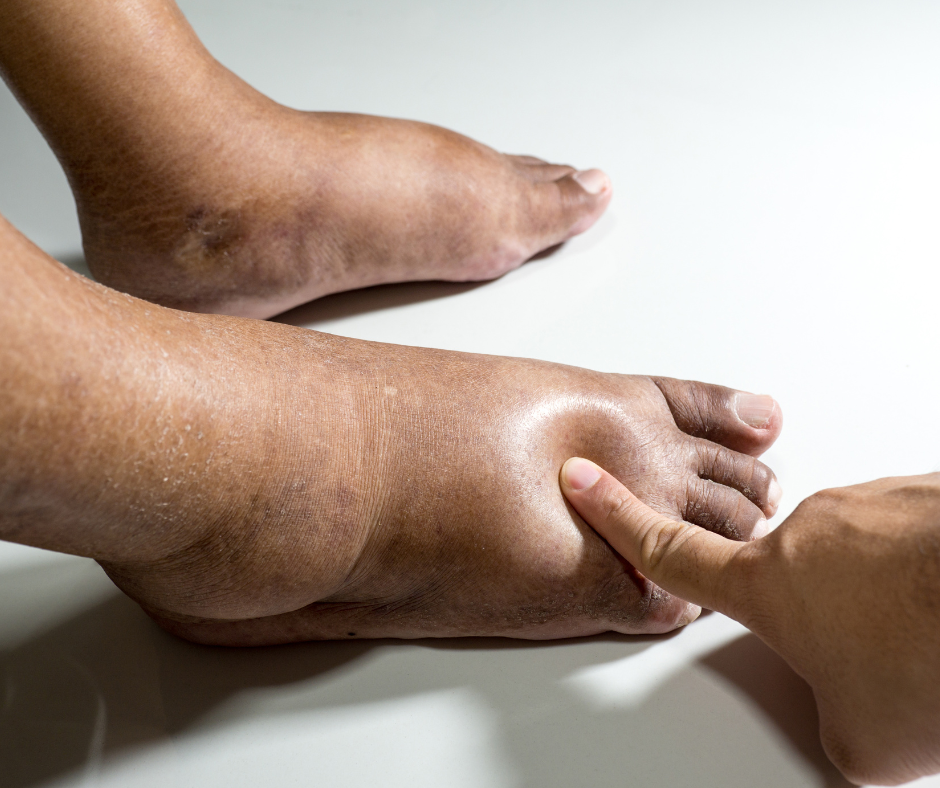
The appearance of oedema varies depending on its cause and severity. Common signs include:
- Noticeable enlargement of the feet, ankles, or lower legs.
- Skin that appears stretched, shiny, or unusually tight.
- A feeling of heaviness, pressure, or discomfort.
- Reduced flexibility when moving the ankle or toes.
- Shoes, socks, or footwear leaving deeper marks than usual.
- Skin that retains a temporary indentation after being pressed.
Some people experience pitting oedema. When gentle pressure is applied to the swollen skin, an indentation remains briefly before the tissue returns to its previous shape. This can occur with venous insufficiency and some systemic conditions.
Non-pitting oedema does not leave an obvious indentation. It may occur in established lymphoedema or certain thyroid-related conditions. However, the presence or absence of pitting alone cannot establish the diagnosis.
Common Causes of Swollen Feet and Ankles
Swollen feet and ankles can develop for many reasons. The cause may be temporary, related to circulation, associated with medication, or connected to an underlying health condition.
The pattern of swelling provides useful clues. Swelling affecting both legs may suggest a systemic condition, medication effect, or chronic venous problem. Swelling affecting one leg may be related to an injury, infection, local vein problem, or blood clot.
1. Prolonged Sitting or Standing
Remaining in the same position for several hours can cause fluid to collect in the lower legs. Gravity encourages blood and fluid to pool in the veins, particularly when the calf muscles are not moving regularly.
This is why people who work at desks, stand for long shifts, travel for extended periods, or spend much of the day sitting may notice swollen ankles.
The calf muscles normally help push blood upward toward the heart when they contract during walking and movement. When these muscles remain inactive, circulation through the lower limbs can become less efficient.
Swelling caused by prolonged sitting or standing is often mild and may improve after walking, changing position, or elevating the legs.
However, swelling after travel should not automatically be dismissed as harmless. Long periods of immobility can increase the risk of deep vein thrombosis (DVT), especially in people with additional risk factors.
The US Centers for Disease Control and Prevention notes that journeys lasting more than four hours can increase the risk of blood clots in some travellers. The overall risk for most travellers remains low, but previous blood clots, recent surgery, pregnancy, obesity, and certain medical conditions can increase it.
2. Chronic Venous Insufficiency
Chronic venous insufficiency develops when the veins in the legs cannot return blood efficiently toward the heart.
Leg veins contain valves that help prevent blood from flowing backward. If these valves become weakened or damaged, blood can accumulate in the lower limbs, increasing pressure inside the veins and encouraging fluid to move into surrounding tissues.
Common symptoms include ankle swelling, heaviness, aching, and discomfort that becomes more noticeable after prolonged standing.
Some people also develop varicose veins, skin discoloration around the ankles, itching, or thickened skin. In advanced cases, chronic venous disease can contribute to venous leg ulcers.
Venous insufficiency often causes swelling that becomes worse toward the end of the day and improves after overnight rest or leg elevation.
A healthcare professional may recommend a venous duplex ultrasound to assess blood flow and identify venous reflux or obstruction.
3. Deep Vein Thrombosis (DVT)
Deep vein thrombosis is a blood clot that forms in a deep vein, usually in the leg. It is an important cause of sudden swelling affecting one foot, ankle, or leg.
A DVT can interfere with normal blood circulation and may cause:
- Swelling in one leg.
- Pain or tenderness, often in the calf or thigh.
- Warmth in the affected area.
- Redness or changes in skin colour.
- Swollen or prominent veins.
Not everyone with DVT experiences all these symptoms. Some people have few noticeable signs.
A clot can become life-threatening if part of it breaks away and travels to the lungs, causing a pulmonary embolism.
Risk factors include recent surgery, hospitalisation, prolonged immobility, previous blood clots, certain cancers, pregnancy, the postpartum period, and some hormone-based medications.
The CDC identifies pregnancy as a significant risk factor: the risk of developing a blood clot is approximately five times higher during pregnancy than when not pregnant. The increased risk continues into the period after childbirth.
New, unexplained swelling in one leg, particularly with pain or warmth, requires urgent medical assessment. Do not attempt to diagnose or treat a suspected DVT at home.
4. Heart Failure
The heart pumps blood throughout the body. When its pumping or filling function becomes impaired, pressure can increase within the circulation, causing fluid to accumulate in body tissues.
Heart failure can cause swelling in both feet, ankles, and lower legs. Some people also experience swelling around the abdomen.
Other symptoms may include:
- Breathlessness during physical activity.
- Difficulty breathing when lying flat.
- Waking during the night feeling short of breath.
- Unusual fatigue.
- Rapid weight gain from fluid retention.
- Reduced ability to perform normal activities.
Swollen ankles alone do not establish a diagnosis of heart failure. However, swelling accompanied by breathlessness, worsening exercise tolerance, or rapid fluid-related weight gain should be medically assessed.
People with known heart failure should follow their clinician’s advice about monitoring weight, fluid intake, medication, and symptoms.
For additional background, readers can explore the existing article on high blood pressure and its effects on cardiovascular health.
5. Kidney Disease
The kidneys regulate fluid and electrolyte balance and remove waste products from the blood.
When kidney function becomes impaired, the body may retain excess salt and water. Some kidney conditions also cause protein to leak into urine. Reduced protein levels in the blood can contribute to fluid moving into surrounding tissues.
As a result, kidney-related oedema may affect the feet, ankles, legs, hands, or face.
Other possible symptoms include changes in urination, foamy urine, fatigue, nausea, itching, and breathlessness. However, chronic kidney disease may cause few or no symptoms during its early stages.
The National Institute of Diabetes and Digestive and Kidney Diseases (NIDDK) explains that swelling can occur when damaged kidneys cannot remove excess fluid and salt effectively.
A healthcare professional may recommend blood tests to assess kidney function and urine tests to check for protein or other abnormalities.
Readers can also explore the related article on why blood sugar is high in the morning, particularly when learning about the wider relationship between metabolic health, diabetes, and kidney complications.
6. Liver Disease
The liver produces albumin, a protein that helps maintain fluid balance within blood vessels. Advanced liver disease can reduce albumin production and contribute to fluid accumulation.
People with advanced liver conditions may develop swelling in the legs and ankles, alongside fluid accumulation in the abdomen, known as ascites.
Other possible symptoms include jaundice, abdominal discomfort, loss of appetite, fatigue, easy bruising, and changes in mental alertness.
Not every person with swollen ankles has liver disease. Diagnosis requires a medical assessment, which may include liver function tests, examination, and imaging when appropriate.
7. Medication Side Effects
Certain medicines can cause peripheral oedema by affecting blood vessels, fluid balance, or kidney function.
Medication-related swelling may develop after starting a new treatment or increasing a dose. It may affect both ankles and feet, although the exact pattern depends on the medicine and the individual.
Examples of medicines associated with swelling include:
| Medication category | Examples |
| Calcium channel blockers | Amlodipine, nifedipine |
| Anti-inflammatory medicines | Ibuprofen and other NSAIDs |
| Corticosteroids | Prednisolone and related medicines |
| Hormonal medicines | Oestrogen-containing contraceptives and hormone therapy |
| Diabetes medicines | Pioglitazone |
| Certain nerve-pain medicines | Gabapentin and pregabalin |
This list is not exhaustive. The likelihood of swelling depends on the specific medication, dosage, other health conditions, and combinations of treatments.
Do not stop prescribed blood pressure, heart, diabetes, or other medication without discussing it with a healthcare professional. A clinician may review the medicine, adjust the dose, or consider an alternative if appropriate.
8. Pregnancy-Related Swelling
Mild swelling in the feet and ankles is common during pregnancy, particularly later in pregnancy and toward the end of the day.
As pregnancy progresses, the body retains more fluid, and the growing uterus can place pressure on veins that return blood from the legs. This can contribute to swelling around the ankles and feet.
Gradual swelling that affects both legs is often part of normal pregnancy-related fluid changes.
However, sudden or rapidly increasing swelling of the face, hands, or feet can be a warning sign of preeclampsia, a pregnancy-related condition involving high blood pressure and possible organ complications.
Other warning signs include a severe headache, visual disturbances, pain beneath the ribs, nausea, vomiting, or feeling seriously unwell.
Pregnant people experiencing these symptoms should contact their maternity team immediately rather than assuming the swelling is normal.
The NHS and the American College of Obstetricians and Gynecologists (ACOG) both identify sudden swelling, particularly when accompanied by other symptoms, as a reason for urgent assessment.
9. Lymphoedema
The lymphatic system helps remove excess fluid from body tissues and supports immune function.
Lymphoedema develops when lymph fluid cannot drain properly. This may happen because lymphatic vessels are damaged, blocked, or underdeveloped.
It can affect one or both legs and may cause persistent swelling involving the feet, ankles, or lower limbs.
Possible causes include:
- Previous cancer treatment involving lymph node removal or radiation.
- Damage to lymphatic vessels after surgery or injury.
- Certain infections.
- Congenital abnormalities of the lymphatic system.
- Other conditions that interfere with lymphatic drainage.
In early stages, swelling may be soft and improve with elevation. Over time, untreated lymphoedema can lead to tissue thickening, skin changes, discomfort, and reduced mobility.
Specialist management may include compression therapy, exercise, skin care, and manual lymphatic drainage as part of a structured treatment programme.
10. Injury, Infection, or Inflammation
Swelling may develop after an ankle sprain, fracture, muscle injury, insect bite, or skin infection.
An injury can damage blood vessels and surrounding tissues, allowing fluid to accumulate around the affected area. The swelling may occur with bruising, tenderness, reduced movement, or pain when putting weight on the foot.
Cellulitis is a bacterial skin infection that can cause redness, warmth, tenderness, and swelling. Fever or feeling generally unwell may also occur.
A rapidly worsening injury, severe pain, inability to bear weight, spreading redness, or fever requires medical evaluation.
Why Are My Feet and Ankles Swollen on Both Sides?
Swelling affecting both feet and ankles is often associated with conditions that influence circulation or fluid balance throughout the body.
Possible explanations include chronic venous insufficiency, heart failure, kidney disease, liver disease, medication side effects, pregnancy, and prolonged inactivity.
Bilateral swelling does not automatically mean a serious condition is present. For example, a person who spends a long day standing may notice swelling in both ankles that improves overnight.
However, persistent or worsening swelling deserves assessment, particularly when accompanied by breathlessness, unusual fatigue, abdominal swelling, changes in urination, or unexplained weight gain.
A clinician will consider the timing of symptoms, medical history, medication use, and examination findings before deciding which tests are necessary.
Why Is Only One Foot or Ankle Swollen?
Swelling affecting one foot or ankle may have a local cause.
Possible explanations include an ankle injury, infection, a blood clot, chronic venous disease, or lymphatic obstruction.
Sudden swelling in one leg is particularly important because DVT can cause one-sided swelling, pain, and warmth.
The distinction between one-sided and two-sided swelling is useful during medical assessment, but it cannot independently confirm or exclude a diagnosis.
If one leg becomes suddenly swollen without an obvious explanation, arrange an urgent medical assessment. If swelling occurs with chest pain, breathlessness, fainting, or coughing up blood, seek emergency care immediately.
Warning Signs: When Should You Worry About Swollen Feet and Ankles?
Many cases of mild ankle swelling are temporary. However, certain symptoms indicate that medical assessment should not be delayed.
Seek Emergency Medical Care
Call your local emergency service immediately if swollen feet or legs are accompanied by:
- Sudden or severe difficulty breathing.
- Chest pain, tightness, or heaviness.
- Coughing up blood.
- Fainting, collapse, or severe dizziness.
- Severe breathlessness that makes speaking difficult.
These symptoms may indicate a pulmonary embolism or another serious heart or lung problem.
Seek Urgent Medical Assessment
Contact a healthcare professional urgently if:
- One foot, ankle, or leg becomes suddenly swollen without a clear explanation.
- Swelling is severe, painful, or rapidly worsening.
- The affected area is red, hot, or tender.
- You develop a fever or feel unusually unwell.
- Swelling develops after an injury and is significant or worsening.
- You have diabetes and develop new foot or ankle swelling.
- You are pregnant and develop sudden swelling of the face, hands, or feet, particularly with headache or visual symptoms.
Arrange a Routine Medical Appointment
Book an appointment if:
- Swelling persists for several days without improving.
- Both ankles repeatedly become swollen.
- Swelling gradually becomes more noticeable.
- You have a known heart, kidney, liver, or vein condition.
- Your shoes regularly feel tighter because of unexplained swelling.
- You develop skin changes, itching, or discomfort around the ankles.
The NHS advises medical review when swelling does not improve after a few days of home measures, becomes worse, or occurs alongside an existing condition affecting the heart, kidneys, or leg veins.
How Are Swollen Feet and Ankles Diagnosed?
A healthcare professional will usually begin by understanding when the swelling started, whether it affects one or both legs, and whether it is associated with other symptoms.
The purpose of the assessment is not simply to confirm that swelling exists. It is to identify the underlying reason so that treatment addresses the actual problem.
1. Medical History
The clinician may ask questions about:
- When the swelling first appeared.
- Whether it developed suddenly or gradually.
- Whether one or both legs are affected.
- Whether the swelling improves after sleeping or elevating the legs.
- Recent travel, surgery, injury, or hospitalisation.
- Current medicines and recent medication changes.
- Previous blood clots or family history of clotting disorders.
- Heart, kidney, liver, thyroid, or vascular conditions.
- Pregnancy or recent childbirth, where relevant.
These details help distinguish temporary fluid retention from conditions that require further investigation.
2. Physical Examination
The clinician may examine the feet, ankles, calves, skin, and circulation.
They may check whether the swelling leaves an indentation when pressed, whether the skin is warm or discoloured, and whether there are signs of varicose veins or infection.
Depending on the symptoms, examination may also include checking blood pressure, heart rate, breathing, heart sounds, and signs of fluid accumulation elsewhere in the body.
3. Blood and Urine Tests
The investigations depend on the suspected cause. They may include:
| Investigation | What It Helps Assess |
| Kidney function tests | Kidney function and electrolyte balance |
| Liver function tests | Possible liver-related problems |
| Thyroid-stimulating hormone (TSH) | Thyroid dysfunction |
| Urine protein testing | Protein leakage associated with kidney conditions |
| Brain natriuretic peptide (BNP or NT-proBNP) | Possible heart failure |
| D-dimer | Helps assess the possibility of a blood clot in appropriate patients |
A D-dimer result cannot confirm DVT by itself. It must be interpreted alongside clinical assessment and, when indicated, imaging.
4. Ultrasound and Other Imaging
A venous duplex ultrasound may be used when DVT or chronic venous insufficiency is suspected.
If heart failure is a concern, an echocardiogram may help assess heart structure and function.
Other investigations may include chest imaging, abdominal ultrasound, or specialised lymphatic imaging, depending on the clinical findings.
The American Family Physician review on peripheral oedema recommends organising the evaluation around whether swelling is unilateral or bilateral and whether it is acute or chronic. This approach helps clinicians narrow the possible causes and choose appropriate investigations.
Treatment for Swollen Feet and Ankles
Treatment depends on what is causing the swelling. A person with temporary fluid pooling after prolonged standing may need different care from someone with heart failure, DVT, or lymphoedema.
There is no single medicine or home remedy that safely treats every type of oedema.
1. Elevate Your Feet
If swelling is mild and there are no warning signs, raising the legs while resting may help reduce fluid accumulation.
Try supporting the legs on pillows so the feet are comfortably elevated. Avoid positions that cause pain, numbness, or breathing difficulty.
People with known heart or lung conditions should follow their clinician’s advice about comfortable positioning.
2. Move Regularly
Gentle movement helps activate the calf muscles, which support blood circulation in the legs.
Walking, ankle rotations, and simple foot movements can help reduce prolonged inactivity.
If your work involves sitting for long periods, take regular movement breaks. If you stand for extended periods, change position and walk briefly when possible.
Anyone with a suspected DVT should seek urgent medical assessment rather than trying to manage the swelling with exercise.
3. Reduce Excess Salt
Eating too much sodium can contribute to fluid retention in some people.
Reducing heavily salted foods, processed snacks, packaged meals, and excessive added salt may help support fluid balance.
People with heart failure, kidney disease, or liver disease may require individual dietary guidance. Follow the sodium recommendations provided by your healthcare professional rather than adopting an extreme low-salt diet independently.
4. Consider Compression Stockings When Appropriate
Compression stockings apply controlled pressure to the legs, supporting venous return and helping reduce certain types of swelling.
They are commonly used for chronic venous insufficiency and may form part of lymphoedema management.
However, compression is not suitable for everyone. People with significant peripheral artery disease or certain other circulation problems may be harmed by inappropriate compression.
A clinician should assess whether compression is appropriate and recommend the correct type and pressure. Do not use compression stockings as a substitute for urgent assessment of sudden unexplained swelling or suspected DVT.
5. Review Medicines With Your Doctor
If swelling begins after starting a medication, mention the timing to your healthcare professional.
The clinician may determine whether the medicine is contributing to the problem and whether its dose or treatment plan should be changed.
Do not discontinue prescribed medication independently, especially medicines used for blood pressure, heart disease, diabetes, or other long-term conditions.
6. Treat the Underlying Medical Condition
When oedema is caused by an underlying disease, treating that condition is central to long-term improvement.
For example:
- Heart failure may require prescribed medicines, fluid monitoring, and regular follow-up.
- Kidney disease may require treatment to manage blood pressure, fluid balance, and kidney function.
- Chronic venous insufficiency may require compression, movement, and specialist vein treatment in selected cases.
- Lymphoedema may require a structured programme involving compression, skin care, exercise, and lymphatic therapy.
- Cellulitis requires appropriate medical assessment and antibiotic treatment when indicated.
- DVT requires clinician-directed anticoagulant treatment in many cases.
7. Are Diuretics Used for Swollen Ankles?
Diuretics are medicines that help the kidneys remove excess salt and water through urine.
They may be prescribed for certain systemic causes of fluid retention, including heart failure and some kidney or liver conditions.
However, they are not appropriate for every type of ankle swelling. For example, swelling caused by chronic venous insufficiency or lymphatic drainage problems may not improve simply by taking a diuretic.
The American Family Physician review specifically advises that diuretics should be used for systemic causes of oedema rather than non systemic causes.
Taking diuretics without medical guidance can cause dehydration, electrolyte disturbances, low blood pressure, and kidney-related complications.
Home Remedies and Lifestyle Changes That May Help
For mild swelling without warning signs, everyday changes may help reduce discomfort and prevent recurrence.
Wear Comfortable Footwear
Choose shoes that provide enough room for the toes and do not place unnecessary pressure around the ankles. Tight footwear may make existing swelling more uncomfortable.
Avoid Staying in One Position for Too Long
Change positions regularly. If you sit for work, move your ankles and take short walking breaks. If you stand for long periods, alternate between standing and sitting when possible.
Maintain a Healthy Body Weight
Excess body weight can increase pressure on the lower-limb veins and may contribute to circulation problems.
A sustainable approach to weight management, including regular activity and balanced nutrition, may support overall vascular health.
Look After Your Skin
Swollen skin can become stretched, dry, and vulnerable to damage.
Wash and dry your feet carefully, including between the toes. Apply a suitable moisturiser to dry skin and check for cuts, blisters, redness, or signs of infection.
This is particularly important for people with diabetes or lymphoedema.
Avoid Unverified Herbal Treatments
Some supplements are promoted for fluid retention or circulation, but their safety and effectiveness vary.
Herbal products can interact with prescription medicines and may not be appropriate for people with kidney, liver, or heart conditions.
Discuss supplements with a healthcare professional before using them to treat persistent swelling.
Swollen Feet and Ankles in Older Adults
Swelling becomes more common with age because several risk factors may accumulate over time.
Older adults may have reduced mobility, chronic venous insufficiency, heart or kidney disease, and multiple medications that contribute to fluid retention.
The American Family Physician review sites a population estimate suggesting that approximately 20% of adults older than 50 experience peripheral oedema.
This does not mean swelling should be considered an inevitable part of aging. New or worsening swelling still deserves assessment, especially if it is associated with breathlessness, pain, skin changes, or reduced mobility.
A medication review can be particularly useful for older adults who take several prescription medicines.
How to Help Prevent Swollen Feet and Ankles
Not every cause of oedema is preventable, but certain habits may reduce the likelihood of swelling related to inactivity, venous pressure, or excess salt intake.
A practical prevention routine includes regular walking, avoiding prolonged immobility, wearing comfortable footwear, following an appropriate dietary plan, and maintaining good skin care.
People who travel for several hours should move their legs regularly and take opportunities to walk when safe. Those with additional blood clot risk factors should discuss travel precautions with a healthcare professional before long journeys.
People with chronic heart, kidney, liver, or venous conditions should follow their personalised treatment and monitoring plans. Preventing complications often requires managing the underlying condition rather than focusing only on the visible swelling.
When Should You See a Doctor for Swollen Feet and Ankles?
The decision to seek medical advice depends on the pattern and severity of swelling.
Mild swelling that appears after prolonged standing and improves with rest may not require emergency treatment. Nevertheless, recurring swelling should be discussed with a healthcare professional if the cause is unclear.
Sudden one-sided swelling, significant pain, redness, warmth, or rapidly worsening symptoms require urgent assessment because they may indicate DVT, infection, or injury.
Breathlessness, chest pain, coughing up blood, fainting, or collapse require emergency care.
Pregnant people should seek immediate maternity advice if swelling suddenly increases or occurs with symptoms associated with pre-eclampsia.
The safest approach is to identify the cause rather than repeatedly treating the swelling without understanding why it is happening.
Conclusion
Swollen feet and ankles can result from everyday factors such as prolonged sitting, standing, or temporary fluid retention. However, persistent or unexplained swelling may be associated with chronic venous insufficiency, heart failure, kidney disease, liver disease, medication side effects, lymphoedema, infection, or blood clots.
The pattern of swelling provides useful clues. Swelling in both legs may suggest a systemic or circulation-related cause, while sudden swelling in one leg requires particular attention because DVT is one possible explanation.
Simple measures such as leg elevation, regular movement, comfortable footwear, and appropriate dietary changes may help mild swelling. More persistent cases need treatment directed at the underlying condition. Compression stockings and diuretics should only be used when appropriate for the person’s diagnosis and health status.
Most importantly, do not ignore sudden swelling accompanied by pain, warmth, redness, chest discomfort, or breathing difficulty. Recognising warning signs and seeking timely medical care can help prevent serious complications.
Frequently Asked Questions
1. What is the most common cause of swollen feet and ankles?
Common causes include prolonged sitting or standing, excess salt intake, pregnancy, medication side effects, and chronic venous insufficiency. The cause varies from person to person, so persistent or unexplained swelling should be assessed.
2. Why are my feet and ankles swollen but I have no pain?
Oedema does not always cause pain. Mild fluid retention, venous insufficiency, medication side effects, and some systemic conditions can cause painless swelling. However, the absence of pain does not rule out an underlying medical problem.
3. When should swollen ankles be a concern?
Seek urgent assessment if swelling appears suddenly, affects one leg without a clear explanation, is severe or painful, or occurs with redness, warmth, or fever. Chest pain, severe breathlessness, fainting, or coughing up blood require emergency care.
4. Can sitting too long cause swollen feet?
Yes. Remaining seated for extended periods can reduce calf-muscle activity and encourage fluid to collect in the lower legs. Regular movement and walking breaks may help. Long journeys can also increase blood clot risk in some people.
5. Can high blood pressure cause swollen ankles?
High blood pressure itself does not always cause noticeable ankle swelling. However, heart or kidney complications associated with cardiovascular disease can contribute to fluid retention. Some blood pressure medicines, particularly calcium channel blockers such as amlodipine, can also cause ankle swelling.
6. Are swollen feet a sign of kidney problems?
They can be. Kidney disease may cause the body to retain salt and water or lose protein through urine, contributing to swelling in the feet, ankles, legs, or face. Blood and urine tests help assess kidney function.
7. Can heart problems cause swollen ankles?
Yes. Heart failure can increase pressure in the circulation and cause fluid to accumulate in the lower limbs. Other symptoms may include breathlessness, fatigue, difficulty lying flat, and rapid weight gain.
8. Why are my ankles more swollen at night?
Swelling may become more noticeable toward the evening because gravity encourages fluid to collect in the lower legs during the day. This is particularly common in people who stand or sit for long periods or have chronic venous insufficiency.
9. Do compression socks help swollen feet and ankles?
Compression stockings can help certain types of swelling, particularly chronic venous insufficiency and some cases of lymphoedema. However, they are not suitable for everyone. A healthcare professional should assess circulation and recommend the correct compression level.
10. Should I take water tablets for swollen ankles?
Water tablets, also called diuretics, should only be taken when prescribed for an appropriate medical condition. They may help certain types of systemic fluid retention but are not suitable for every cause of swelling.
11. Can pregnancy cause swollen feet and ankles?
Yes. Gradual swelling in both feet and ankles is common during pregnancy, particularly later in pregnancy. Sudden swelling of the face, hands, or feet, especially with headache, visual changes, or upper abdominal pain, requires immediate maternity assessment because it may indicate pre-eclampsia.
12. Can swollen feet be caused by diabetes?
Diabetes can contribute indirectly to foot and ankle problems through kidney disease, circulation problems, nerve damage, and infection. New swelling in someone with diabetes should be assessed promptly, especially if there is redness, warmth, a wound, or skin breakdown.
13. How long does ankle swelling take to go away?
The duration depends on the cause. Mild swelling after prolonged standing may improve after rest and elevation. Swelling related to venous disease, medication, kidney problems, or heart failure may persist until the underlying issue is addressed.
14. Can drinking more water reduce swollen ankles?
Drinking adequate water supports normal hydration, but drinking extra water is not a universal treatment for oedema. People with heart failure or kidney disease may have specific fluid recommendations. Follow medical advice rather than increasing or restricting fluids independently.
15. What is the difference between pitting and non-pitting oedema?
Pitting oedema leaves a temporary indentation after gentle pressure is applied to the swollen skin. Non-pitting oedema does not leave an obvious indentation. These patterns can help clinicians narrow down possible causes, but neither is sufficient to diagnose a condition on its own.