
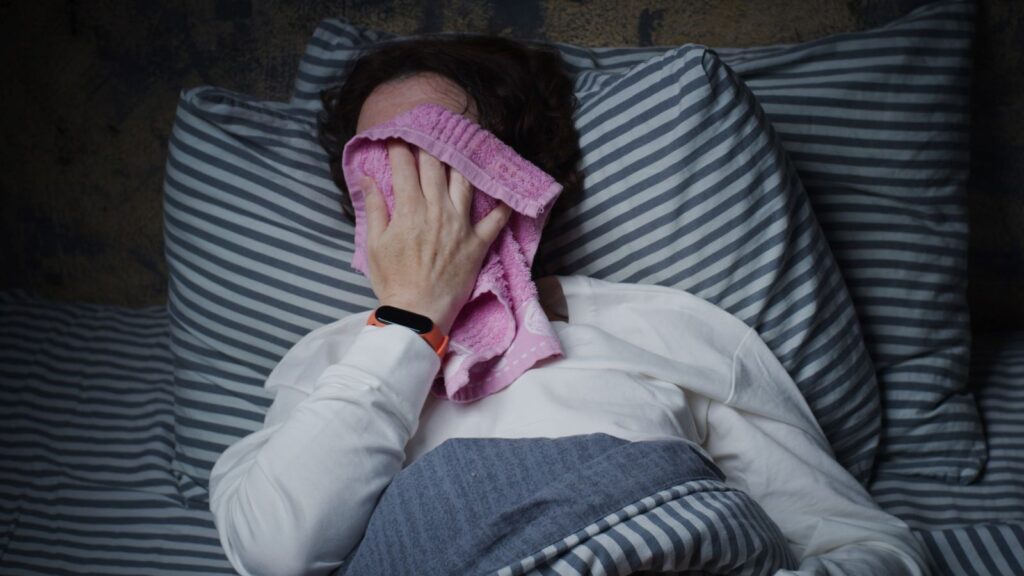
Night Sweats: Common Causes and When They May Signal a Health Problem
0opNight sweats can be unsettling, particularly when you wake up with damp clothing, wet bedsheets, or a need to change your nightwear. Sometimes the explanation is simple: a warm bedroom, heavy bedding, or an unusually hot night. However, repeated episodes of heavy sweating during sleep can also be associated with hormonal changes, medication side effects, infections, blood sugar fluctuations, or other medical conditions.
The important distinction is between ordinary sweating caused by the sleeping environment and genuinely drenching night sweats that occur despite a comfortably cool room. Night sweats do not automatically mean that someone has a serious illness. In fact, research shows that the symptom is relatively common in primary care. One study of 2,267 patients found that 41% reported night sweats during the previous month, although the study does not mean that 41% had an underlying disease.
PubMed+1
This guide explains what night sweats are, why they happen, which symptoms deserve medical attention, how doctors investigate the cause, and what may help reduce episodes. It also explores the relationship between night sweats and conditions such as menopause, tuberculosis, diabetes, thyroid disorders, and lymphoma.
Medical note: This article provides general health information, not an individual diagnosis. Persistent, unexplained, or severe symptoms should be assessed by a qualified healthcare professional.
What Are Night Sweats?
Night sweats are episodes of excessive sweating during sleep that can soak your nightclothes or bedding even when the bedroom is not excessively warm. They may happen occasionally or repeatedly over several nights, and some people wake up feeling hot, flushed, or uncomfortable.
Sweating is part of the body’s natural temperature-regulation system. The brain monitors internal temperature and activates sweat glands when the body needs to release heat. During sleep, temperature regulation continues, but the amount of sweating can change with the room temperature, bedding, hormones, illness, and other factors.
It is useful to distinguish three experiences:
- Normal nighttime sweating: Mild sweating caused by warm weather, thick blankets, synthetic sleepwear, or a poorly ventilated bedroom.
- Nighttime hot flashes: Sudden waves of heat, sometimes involving the face, neck, and chest, that may be followed by sweating. These commonly occur during menopause.
- Drenching night sweats: Heavy sweating that leaves clothing or bedding soaked despite a cool or comfortable sleeping environment.
The third pattern deserves more attention, particularly when it happens repeatedly or appears with other symptoms. The NHS and Mayo Clinic both describe night sweats in terms of substantial sweating that occurs even when the sleeping environment is cool. NHS: Night sweats and Mayo Clinic: Night sweats provide useful explanations of this distinction.
How Common Are Night Sweats?
Night sweats are not unusual, but reported prevalence varies depending on the age group, definition, and population studied.
A study published in the Journal of the American Board of Family Practice examined 2,267 patients attending primary care practices. Researchers found that 41% had experienced night sweats during the previous month. Of the participants, 23% reported night sweats without daytime sweating, while another 18% experienced both daytime and nighttime sweating. The researchers also found that many people had not discussed the symptom with their doctors, even when it was frequent or severe.
A separate study involving 795 adults older than 64 found that 10% were bothered by night sweats. These figures should not be compared as though they measured exactly the same population or symptom severity: the studies used different age groups and definitions. Read the primary care prevalence study and the study of older primary care patients.
The practical lesson is that night sweats are relatively common and have many possible explanations. Their presence alone does not establish a diagnosis of infection, cancer, or hormonal disease. The pattern, duration, severity, associated symptoms, medical history, and examination findings all matter.
Common Causes of Night Sweats
The causes range from temporary environmental factors to medical conditions that need treatment. Identifying the likely cause usually starts with looking at when the sweating happens, what other symptoms accompany it, and whether anything has recently changed.
1. Menopause and Hormonal Changes
Menopause is one of the best-known causes of night sweats. During the menopausal transition, fluctuations and eventual reductions in estrogen affect the body’s temperature-regulation system. This can make the brain more sensitive to small changes in core body temperature.
A woman may experience a sudden feeling of heat that spreads through the chest, neck, and face. The episode may cause sweating, flushing, and sometimes a racing heartbeat. If it happens during sleep, it is commonly described as a night sweat or nocturnal hot flash.
Menopausal night sweats can vary considerably. Some women experience occasional mild episodes, while others wake repeatedly, need to change their clothing, or struggle to return to sleep. Sleep disruption may contribute to daytime tiredness, irritability, difficulty concentrating, and reduced quality of life.
Hormonal changes can also occur in other situations, including certain medical treatments that affect sex hormones. For example, hormone-blocking treatment for some cancers may cause hot flashes and night sweats. These symptoms should be discussed with the treating clinician rather than managed by stopping prescribed treatment.
Not every episode of sweating in a woman around or after menopause should automatically be attributed to hormones. New, persistent, or unusual symptoms—especially when accompanied by fever, unexplained weight loss, or other concerning changes—may require assessment for a separate cause.
2. Infections, Including Tuberculosis
Infections can cause night sweats because the immune system releases inflammatory signals that affect the body’s temperature regulation. Sweating may occur as a fever rises or as the temperature falls.
Some infections cause short-term sweating during an acute illness. Others can produce prolonged symptoms, especially when the infection remains untreated.
Tuberculosis (TB) is an important example. It is an infectious disease caused by Mycobacterium tuberculosis, most commonly affecting the lungs, although it can involve other parts of the body. Pulmonary TB may cause a persistent cough, fever, night sweats, fatigue, reduced appetite, and unintentional weight loss.
Night sweats alone are not enough to diagnose tuberculosis. A person with TB may have several symptoms, and some people have less typical presentations. A persistent cough, exposure to someone with infectious TB, fever, or unexplained weight loss makes medical assessment particularly important.
Other infections that may be associated with night sweats include:
- HIV infection.
- Bacterial infections affecting the bloodstream or heart valves, such as endocarditis.
- Certain deep-seated infections or abscesses.
- Brucellosis and other infections depending on a person’s exposure and location.
The appropriate tests depend on the symptoms and risk factors. For suspected pulmonary TB, a clinician may recommend a chest X-ray and sputum testing, including molecular testing where appropriate. HIV testing may be considered when clinically indicated and with appropriate consent and counselling.
People should not assume that sweating means they have TB. However, persistent night sweats combined with a prolonged cough, fever, or unexplained weight loss should not be ignored. The Mayo Clinic’s overview of night-sweat causes includes tuberculosis among the possible associated conditions.
3. Low Blood Sugar During Sleep
Nocturnal hypoglycemia occurs when blood glucose falls too low during the night. It is especially relevant to people with diabetes who use insulin or certain glucose-lowering medicines.
When blood glucose drops, the body releases counter-regulatory hormones, including adrenaline. This response can cause sweating, shaking, a rapid heartbeat, hunger, and anxiety. A person may wake up with damp clothing or bedsheets and feel confused, weak, or unusually tired.
Some people do not fully wake during an episode. Others notice symptoms in the early morning, such as a headache, poor concentration, or unusual fatigue.
Possible contributing factors include:
- Taking more insulin or glucose-lowering medicine than required.
- Eating less than usual after taking medication.
- Exercising more than usual during the day or evening.
- Drinking alcohol, particularly without adequate food.
- Changes in meal timing or illness.
Night sweats are not proof of hypoglycemia. If a person with diabetes suspects a nighttime low, checking blood glucose according to their diabetes care plan can help establish whether it is occurring. Continuous glucose monitoring may also help identify overnight patterns.
Repeated nighttime low blood glucose should be discussed with the diabetes care team. Medication doses, meal timing, exercise, and alcohol intake may need review. Do not independently stop insulin or change prescribed doses without appropriate medical advice.
Severe hypoglycemia can cause seizures, unconsciousness, or an inability to treat oneself. If someone is unconscious or unable to swallow safely, do not give food or drink by mouth; seek emergency help and use prescribed glucagon if available and the person assisting knows how to administer it.
4. Overactive Thyroid (Hyperthyroidism)
The thyroid gland produces hormones that help regulate metabolism, heart rate, and body temperature. When it produces too much thyroid hormone, the body’s metabolic activity can increase.
Hyperthyroidism may cause heat intolerance and excessive sweating during the day or night. A person may also notice a racing heartbeat, hand tremors, unexplained weight loss despite a normal or increased appetite, frequent bowel movements, anxiety, and difficulty sleeping.
Some people develop a visible enlargement of the thyroid gland, known as a goitre. Symptoms can vary depending on the cause and severity of the condition.
Night sweats alone are not enough to identify thyroid disease. If other symptoms suggest an overactive thyroid, a clinician may request thyroid function tests, usually including thyroid-stimulating hormone (TSH) and free thyroxine (FT4), with additional tests if needed.
Treatment depends on the underlying cause and may involve antithyroid medicines, radioactive iodine, or surgery in selected cases. Managing the thyroid disorder may reduce excessive sweating and other symptoms.
5. Medication Side Effects
Medication-related sweating is an important possibility, especially when night sweats begin after starting a medicine, increasing a dose, or changing treatment.
Several types of medicines have been associated with excessive sweating. Examples include:
- Some antidepressants, particularly selective serotonin reuptake inhibitors (SSRIs).
- Certain pain medicines, including some opioids.
- Steroids and some hormone-related treatments.
- Certain medicines used to manage blood glucose.
- Some medicines used for psychiatric or neurological conditions.
The exact mechanism depends on the drug. Some medicines affect neurotransmitters involved in temperature regulation, while others influence hormones or blood glucose.
The timing of symptoms can offer a useful clue. If night sweats begin shortly after a new prescription, the medicine should be reviewed with the prescribing clinician or pharmacist. However, timing alone does not prove that the drug is responsible.
Do not abruptly stop antidepressants, steroids, opioid medicines, or other prescribed treatments because of sweating. Sudden discontinuation can cause withdrawal symptoms or worsen the condition being treated. A healthcare professional can assess whether a dose adjustment, alternative medicine, or further investigation is appropriate.
6. Anxiety, Stress, and Panic Attacks
Emotional stress activates the sympathetic nervous system, which prepares the body to respond to perceived danger. This can increase heart rate, muscle tension, alertness, and sweating.
People experiencing anxiety may notice sweating before sleep, during stressful dreams, or after waking suddenly with a feeling of fear. Panic attacks can involve intense fear, a racing heart, trembling, shortness of breath, dizziness, and sweating.
Chronic stress can also interfere with sleep quality. Poor sleep and anxiety may reinforce one another, creating a cycle in which a person becomes increasingly concerned about waking during the night.
However, it is important not to label unexplained drenching night sweats as anxiety without considering other causes. Anxiety may be part of the explanation, but fever, unexplained weight loss, persistent cough, or other physical symptoms need separate attention.
When anxiety appears to contribute, treatment may include psychological therapies such as cognitive behavioural therapy, stress-management techniques, and medication when clinically appropriate.
7. Alcohol and Substance Use
Alcohol can affect the nervous system, sleep architecture, and temperature regulation. Some people experience sweating during the night after drinking, while others may develop sweating as alcohol levels fall.
Heavy or prolonged alcohol use can also lead to withdrawal symptoms when intake is reduced or stopped. Sweating, shaking, anxiety, nausea, rapid heartbeat, and sleep disturbance can occur during withdrawal.
Withdrawal from alcohol can become dangerous. Severe cases may involve seizures, hallucinations, or delirium. Anyone who drinks heavily or regularly and is considering stopping should seek medical advice rather than attempting an unsupervised withdrawal.
Other substances, including some recreational drugs and opioids, may also be associated with sweating during use or withdrawal. A healthcare professional needs accurate information about alcohol, prescription medicines, supplements, and other substances to assess the possible cause safely.
8. Sleep Apnea and Other Sleep Disorders
Obstructive sleep apnea is a sleep-related breathing disorder in which the upper airway repeatedly becomes partially or completely blocked during sleep. These interruptions can cause brief awakenings and changes in heart rate and stress-hormone activity.
Some people with sleep apnea report night sweats, although sweating is not enough to diagnose the condition.
Other signs include loud snoring, witnessed pauses in breathing, waking up gasping or choking, morning headaches, and excessive daytime sleepiness. People may also experience poor concentration and feel unrefreshed despite spending enough time in bed.
A clinician may recommend a sleep study when the history suggests obstructive sleep apnea. Treatment can include positive airway pressure therapy, oral appliances, and other measures depending on the person’s anatomy and clinical assessment.
If night sweats occur alongside loud snoring, repeated choking awakenings, or significant daytime sleepiness, sleep-disordered breathing is worth discussing with a healthcare professional.
9. Autoimmune and Inflammatory Conditions
Some autoimmune and inflammatory diseases can produce systemic symptoms, including fever, fatigue, joint pain, and night sweats.
Examples include certain inflammatory disorders and connective tissue diseases. The immune system becomes abnormally activated and can cause inflammation in different organs and tissues.
The symptoms depend on the specific condition. A person might experience joint swelling, muscle pain, skin rashes, unexplained fever, or prolonged fatigue in addition to sweating.
Because these symptoms overlap with infections and other illnesses, diagnosis usually requires a careful history, physical examination, and selected blood tests. A raised inflammatory marker does not identify one particular disease by itself.
10. Certain Cancers, Including Lymphoma and Leukemia
Night sweats can occur in some cancers, particularly certain blood cancers such as lymphoma and leukemia. This association can understandably cause concern, but it is important to understand what the symptom does—and does not—mean.
Lymphoma affects lymphocytes, a type of white blood cell involved in immune function. Some people with lymphoma develop so-called B symptoms, which include:
- Unexplained fever.
- Drenching night sweats.
- Unintentional weight loss.
In lymphoma staging and clinical assessment, significant unexplained weight loss is commonly defined as losing more than 10% of body weight over six months. This is a clinical criterion used in particular contexts, not a rule that can diagnose cancer at home.
Other possible signs of lymphoma include enlarged lymph nodes, often in the neck, armpit, or groin. These may be painless, although swollen lymph nodes can also result from common infections.
Leukemia can produce symptoms such as persistent fatigue, frequent infections, easy bruising, bleeding, fever, and sometimes night sweats. These symptoms are not specific to leukemia and can have many other explanations.
A person with night sweats but no other concerning symptoms does not automatically need cancer imaging or specialist referral. Clinical examination and initial tests help determine whether further investigation is justified. A 2025 NHS regional referral guideline, for example, emphasizes assessing the full clinical picture, including weight loss, lymph-node enlargement, spleen enlargement, and abnormal blood results, rather than treating isolated night sweats as proof of blood cancer. See the NHS regional guidance.
When Do Night Sweats Become a Warning Sign?
The severity, frequency, duration, and accompanying symptoms are more useful than sweating alone when deciding whether medical assessment is necessary.
An occasional episode after sleeping in a warm room is usually less concerning than repeated drenching episodes without an obvious explanation. A new pattern of sweating that repeatedly interrupts sleep deserves attention, especially if it occurs alongside other physical changes.
Symptoms That Should Not Be Ignored
Arrange a medical appointment if you experience:
- Repeated night sweats that soak your clothing or bedding.
- Night sweats without an obvious environmental explanation.
- Unexplained weight loss or reduced appetite.
- A persistent fever or repeated episodes of chills.
- A cough that does not resolve, particularly with fever or weight loss.
- Unexplained lumps or swollen lymph nodes in the neck, armpit, or groin.
- Persistent fatigue, weakness, or a noticeable decline in general health.
- Night sweats that begin after starting a new medicine and continue.
The NHS advises people to see a GP if night sweats regularly wake them, cause concern, or occur with a very high temperature, cough, diarrhoea, or unexplained weight loss. Mayo Clinic similarly recommends medical assessment when night sweats recur or accompany fever, weight loss, localized pain, cough, or diarrhoea.
When to Seek Urgent Medical Attention
Night sweats alone are not usually an emergency. However, heavy sweating accompanied by chest pain, significant breathlessness, fainting, severe dizziness, or confusion may indicate an urgent medical problem.
Seek emergency medical care if sweating occurs with symptoms that could indicate a heart attack, severe infection, serious breathing difficulty, or severe hypoglycemia. Do not assume that sweating is the main problem when other serious symptoms are present.
How Doctors Diagnose the Cause of Night Sweats
There is no single test that diagnoses every cause of night sweats. A clinician usually starts with a detailed history and physical examination, then selects investigations based on the findings.
This approach matters because ordering large numbers of tests without a clear reason can produce misleading results, unnecessary anxiety, and avoidable costs.
1. Medical History and Symptom Assessment
The clinician may ask questions such as:
- When did the night sweats begin?
- How many nights per week do they occur?
- Are your clothes or bedsheets actually soaked?
- Does sweating happen in a cool room?
- Do you experience fever, chills, coughing, or weight loss?
- Have you recently started or changed any medication?
- Do you have diabetes or symptoms of thyroid disease?
- Are you experiencing menopause-related hot flashes?
- Do you snore heavily or wake up gasping for air?
- Have you recently travelled or had contact with someone who has an infectious illness?
These questions help distinguish environmental sweating from possible hormonal, metabolic, infectious, medication-related, and sleep-related causes.
2. Physical Examination
Depending on the history, the clinician may check body temperature, heart rate, blood pressure, and weight.
They may also examine the neck, armpits, and groin for enlarged lymph nodes, check the thyroid gland, listen to the heart and lungs, and look for signs of infection or other medical conditions.
An enlarged lymph node does not automatically indicate cancer. Infections are a common reason for swollen lymph nodes, and the location, size, duration, and other examination findings help determine whether further assessment is needed.
3. Blood Tests
Blood tests are selected according to the suspected cause. They may include:
| Test | What it may help investigate |
| Complete blood count (CBC) | Anaemia, changes in white blood cells, and some blood disorders |
| C-reactive protein (CRP) or ESR | Evidence of inflammation |
| Thyroid function tests | Overactive or underactive thyroid |
| Blood glucose | High or low blood glucose patterns |
| Liver and kidney function tests | Problems affecting these organs |
| HIV testing | HIV infection when clinically indicated |
| Other infection tests | Specific infections suggested by symptoms and exposure |
A CBC is particularly useful when there are concerns about abnormal blood-cell counts. However, a normal result does not rule out every possible cause of night sweats.
4. Chest X-ray and Additional Investigations
A chest X-ray may be appropriate if the person has a persistent cough, suspected tuberculosis, or other respiratory symptoms. Further TB testing may include sputum molecular tests and culture, depending on the clinical situation.
If sleep apnea is suspected, a sleep study may be recommended. If there are signs of a hormone disorder, additional endocrine tests may be needed.
Imaging such as ultrasound, CT, or other scans is not automatically necessary for every person experiencing night sweats. These investigations are usually considered when the history, physical examination, or initial results suggest a reason to investigate further.
Treatment Options for Night Sweats
There is no universal treatment for night sweats because the correct approach depends on the underlying cause. Treating the condition responsible for excessive sweating is generally more effective than simply trying to suppress the symptom.
Treating Menopause-Related Night Sweats
For women experiencing troublesome menopausal hot flashes and night sweats, treatment may include menopausal hormone therapy when appropriate. Hormone therapy can be effective for vasomotor symptoms, but it is not suitable for everyone.
A clinician should consider age, time since menopause, medical history, personal risk factors, and treatment preferences before recommending it.
Non-hormonal prescription treatments may also be appropriate for some women. Options depend on individual circumstances and may include certain antidepressants or other medicines used to manage vasomotor symptoms.
Lifestyle measures can help some people, although they may not eliminate severe symptoms. Keeping the bedroom cool, wearing breathable nightwear, and identifying personal triggers can improve comfort.
Managing Night Sweats Related to Diabetes
If nighttime sweating is caused by hypoglycemia, the priority is to prevent low blood glucose rather than treating sweating itself.
The diabetes care team may review medication timing, insulin doses, evening meals, exercise, and alcohol intake. Glucose monitoring can help identify patterns and guide safer treatment adjustments.
Repeated hypoglycemia should not be ignored because it can become dangerous, particularly during sleep when a person may not recognize the early warning signs.
Treating Thyroid Problems
When excessive sweating is linked to hyperthyroidism, treatment aims to control excess thyroid hormone production or its effects.
Depending on the cause, treatment may involve antithyroid medication, radioactive iodine, or surgery. Some people may also receive medicines to control symptoms such as a rapid heartbeat.
The correct option depends on the underlying thyroid disorder, the person’s health, and their treatment preferences.
Treating Infections
Infections require treatment appropriate to the organism and the site of infection. Bacterial infections may need antibiotics, while tuberculosis requires a specific combination of medicines taken over a prescribed treatment period.
People should complete prescribed antimicrobial treatment and attend follow-up appointments. Stopping treatment early without medical advice can lead to treatment failure and, in some infections, drug resistance.
Antibiotics should not be taken simply because someone experiences night sweats. They are useful against susceptible bacterial infections, not viral illnesses or non-infectious causes such as menopause.
Reviewing Medication Side Effects
If a medicine appears to be contributing to night sweats, a clinician may review its dose, timing, or suitability. An alternative may be considered if the benefits and risks support a change.
Patients should not discontinue prescription medication independently. This is especially important for antidepressants, steroids, diabetes medicines, and medicines that can cause withdrawal symptoms.
Addressing Sleep Apnea
When obstructive sleep apnea is responsible for disrupted sleep and associated symptoms, treatment may include continuous positive airway pressure (CPAP), an oral appliance, or other specialist-recommended approaches.
Weight management may also be advised when appropriate, but sleep apnea can affect people of different body sizes. A person should not assume that weight alone explains their symptoms.
Home Remedies and Lifestyle Changes That May Help
Simple adjustments can reduce sweating caused by environmental heat and may improve sleep comfort. They are not a substitute for medical assessment when symptoms are persistent or unexplained.
Keep Your Bedroom Cool and Comfortable
Try to maintain a comfortable sleeping temperature and improve ventilation where possible. A fan or air conditioner may help during hot weather, provided it is safe and suitable for the environment.
Choose breathable bedding and avoid excessive layers. If you regularly wake up sweating, consider whether your mattress protector, duvet, or synthetic sheets may be trapping heat.
Choose Breathable Nightwear
Cotton and other breathable fabrics may feel more comfortable than thick synthetic materials for people who overheat during sleep.
Wear lightweight clothing that can be changed easily if it becomes damp. Keep a spare nightshirt nearby if episodes are frequent.
Identify Personal Triggers
Some people notice that particular foods, drinks, or activities make nighttime sweating worse. Potential triggers can include alcohol, spicy foods, hot beverages, and intense exercise close to bedtime.
These are not universal triggers. Keeping a brief symptom diary can help identify whether a particular habit is consistently associated with episodes.
Maintain a Regular Sleep Routine
A regular bedtime and wake-up time can support better sleep habits. Reducing stimulating activities before bed and creating a quiet, comfortable sleep environment may help people whose symptoms are aggravated by stress or poor sleep.
Relaxation techniques, breathing exercises, and mindfulness may help reduce stress-related symptoms. They should not be used to dismiss persistent sweating that may have a medical explanation.
Stay Hydrated
Heavy sweating can contribute to fluid loss, particularly in hot weather. Drinking enough fluids during the day helps maintain hydration.
However, drinking excessive amounts of water immediately before bedtime is not necessary and may increase nighttime urination. People with kidney, heart, or other conditions that require fluid restrictions should follow their clinician’s advice.
Night Sweats in Men and Women: Are the Causes Different?
Some causes affect men and women differently, but many possible explanations are shared.
Women may experience night sweats during perimenopause and menopause because of hormonal changes. Pregnancy, the postpartum period, and certain hormone-related treatments may also affect sweating.
Men can experience night sweats because of infections, medication effects, thyroid disorders, alcohol use, sleep apnea, and other medical conditions. Reduced testosterone levels can contribute to hot flashes and sweating in some men, particularly when testosterone production is suppressed by certain medical treatments.
The symptoms should be assessed in context rather than assuming that sweating is always a normal age-related change. For example, a woman experiencing new drenching sweats many years after menopause should not automatically assume that menopause is the explanation.
Similarly, night sweats in men should not automatically be attributed to low testosterone without appropriate clinical assessment.
Night Sweats in Older Adults
Night sweats in older adults deserve careful assessment because several conditions and medications can contribute to excessive sweating.
Older people may have multiple chronic illnesses and may take several medicines, making it important to review their full medication list. Diabetes-related hypoglycemia, thyroid disease, infections, sleep disorders, and medication effects are among the possibilities.
A study of 795 adults older than 64 found that 10% reported being bothered by night sweats. The same study found associations between night sweats and factors including fever, muscle cramps, numbness, and other health symptoms. These associations do not establish that any one condition caused the sweating, but they demonstrate why a broader health assessment may be useful. Source: Prevalence and predictors of night sweats in older primary care patients.
Older adults should seek assessment when sweating is persistent, newly developed, or accompanied by fever, unexplained weight loss, weakness, or a noticeable change in general health.
Night Sweats: Common Myths and Medical Facts
Misunderstandings about night sweats can lead either to unnecessary fear or to delayed medical care.
| Common belief | What the evidence supports |
| Night sweats always mean cancer. | Many causes are non-cancerous, including menopause, medicines, anxiety, and environmental heat. |
| Sweating during sleep always means tuberculosis. | TB is one possible cause, but night sweats alone cannot diagnose it. |
| Only women experience night sweats. | Men and women can both experience them. |
| Every episode requires blood tests and scans. | Investigations should be selected according to the medical history and examination. |
| Stopping a suspected medicine is the best solution. | Medication changes should be discussed with the prescribing clinician. |
| A cool bedroom will solve every case. | Environmental changes may help overheating but cannot treat an underlying infection, hormonal disorder, or other medical condition. |
How to Prepare for a Doctor’s Appointment
A little preparation can help make an appointment more productive. Instead of describing only that you sweat at night, record what actually happens.
For one or two weeks, if practical, note how often the episodes occur, whether your clothing or bedding becomes soaked, and whether the room feels cool or warm. Record any fever, cough, weight changes, pain, palpitations, or other symptoms.
Make a list of prescription medicines, over-the-counter products, supplements, and recent medication changes. Include relevant information about diabetes, menopause, alcohol intake, travel, possible infection exposure, and sleep problems.
If you have measured a fever or recorded low blood glucose during an episode, bring those readings to the appointment. Do not delay seeking care simply to complete a symptom diary if you have warning signs.
Conclusion
Night sweats can result from something as simple as excessive bedding or a warm bedroom, but repeated drenching episodes may also be associated with menopause, low blood glucose, thyroid disorders, medication effects, infections, sleep apnea, and less commonly certain cancers.
The most useful clues are how severe the sweating is, how often it occurs, whether it happens in a cool environment, and whether other symptoms are present. Unexplained weight loss, persistent fever, a prolonged cough, enlarged lymph nodes, or worsening general health are reasons to arrange medical assessment.
A healthcare professional can use your medical history, physical examination, and selected investigations to identify the likely cause. Avoid self-diagnosing a serious illness from sweating alone, but do not dismiss a persistent or unusual change in your health.
Frequently Asked Questions
1. What is the most common cause of night sweats?
There is no single cause that explains every case. Commonly recognized causes include menopause-related hot flashes, anxiety, certain medicines, low blood glucose, alcohol use, and excessive warmth from the sleeping environment. The most likely explanation depends on a person’s age, health, medication history, and other symptoms.
2. When should I worry about night sweats?
You should arrange a medical assessment if night sweats repeatedly wake you, soak your clothing or bedding, or occur without an obvious environmental cause. They deserve particular attention when accompanied by unexplained weight loss, persistent fever, cough, diarrhoea, enlarged lymph nodes, or other unexplained symptoms.
3. Can night sweats be a sign of cancer?
Yes, night sweats can occur in certain cancers, including lymphoma and leukemia. However, they are not specific to cancer and are also associated with many non-cancerous conditions. A clinician considers other symptoms, examination findings, and test results before deciding whether cancer investigations are necessary.
4. Can stress and anxiety cause night sweats?
Yes. Anxiety can activate the body’s stress response and cause sweating, a racing heartbeat, and sleep disturbance. Panic attacks may also cause sweating during or after an episode. However, persistent drenching night sweats should not automatically be attributed to anxiety without considering other possible causes.
5. Can diabetes cause sweating while sleeping?
Yes. Low blood glucose during sleep can trigger the release of stress hormones, which may cause sweating, shaking, and a rapid heartbeat. This is particularly relevant for people taking insulin or certain glucose-lowering medicines. Repeated suspected nighttime hypoglycemia should be discussed with a diabetes care professional.
6. Do night sweats mean I have tuberculosis?
No. Tuberculosis can cause night sweats, especially when accompanied by symptoms such as a prolonged cough, fever, fatigue, and unexplained weight loss. However, sweating alone cannot confirm TB. Medical assessment and appropriate testing are needed when the disease is suspected.
7. Why do I wake up sweating even when my room is cold?
Possible explanations include hormonal changes, medication side effects, anxiety, low blood glucose, thyroid disorders, infections, and sleep apnea. If the episodes are frequent, drenching, or unexplained, arrange a medical assessment rather than assuming that room temperature is responsible.
8. Can medications cause night sweats?
Yes. Some antidepressants, steroids, pain medicines, hormone treatments, and glucose-lowering medicines have been associated with sweating. If the symptom begins after starting or changing a medicine, ask your prescriber or pharmacist whether it could be related. Do not stop the medicine without medical advice.
9. Are night sweats normal during menopause?
Night sweats are a common menopausal symptom. They occur when hormonal changes affect the body’s temperature regulation and may interrupt sleep. However, new or persistent sweating with symptoms such as fever, unexplained weight loss, or a prolonged cough should be assessed rather than automatically attributed to menopause.
10. What tests are done for unexplained night sweats?
Tests depend on the person’s symptoms and examination. A clinician may request a complete blood count, inflammatory markers, thyroid function, glucose, or tests for specific infections. A chest X-ray, sleep study, or further imaging may be considered when the clinical findings justify it.
11. Can night sweats happen without a fever?
Yes. Menopause, medication effects, anxiety, low blood glucose, and several other causes can produce night sweats without a measured fever. The absence of fever does not identify the cause or rule out every underlying condition.
12. How can I stop night sweats naturally?
If sweating is related to overheating, try lighter bedding, breathable nightwear, and a cooler bedroom. You can also track possible triggers such as alcohol, spicy food, and stressful evenings. These measures may improve comfort, but persistent or unexplained episodes need medical evaluation.
13. Are night sweats in men a sign of low testosterone?
Reduced testosterone can contribute to hot flashes and sweating in some men, particularly when hormone levels are suppressed by medical treatment. However, many other conditions can cause night sweats. Testosterone testing is not automatically necessary for everyone who experiences them.
14. Can night sweats be caused by sleep apnea?
Night sweats have been reported in people with obstructive sleep apnea, although they are not a diagnostic sign by themselves. Loud snoring, pauses in breathing, waking up gasping, and daytime sleepiness are additional symptoms that may justify a sleep assessment.
15. Should I see a doctor if night sweats happen every night?
Yes. Repeated night sweats that interrupt sleep or soak clothing and bedding should be assessed, particularly if they have no clear environmental explanation. A clinician can review possible causes and decide whether tests or treatment are needed.