Childhood Eczema: Causes, Symptoms, and Treatment
Childhood eczema is a common, long-term skin condition that can cause persistent itching, dryness, redness, inflammation, and recurring flare-ups. It often begins during infancy or early childhood and can affect a child’s sleep, concentration, school activities, emotional well-being, and family routine. Although eczema cannot currently be cured, the right combination of daily skin care, appropriate medication, and trigger management can help control symptoms and reduce flare-ups.
This guide explains the causes and symptoms of childhood eczema, how doctors diagnose it, and which treatments are supported by current clinical guidance. It also covers eczema in babies, practical skin-care routines, infection warning signs, and common questions parents ask.
What Is Childhood Eczema?
Childhood eczema, most commonly atopic dermatitis, is a chronic inflammatory skin condition. It affects the skin barrier, which normally helps retain moisture and protect the body from irritants, allergens, and microorganisms. When this barrier is weakened, the skin loses water more easily and becomes dry, sensitive, and prone to inflammation.
The condition usually follows a relapsing pattern. A child may experience periods when the skin looks almost normal, followed by flare-ups involving itching, redness, rough patches, or cracked skin. These episodes can occur repeatedly, even when parents follow a consistent skin-care routine.
Eczema is not contagious. A child cannot catch it through touching, playing, sharing toys, or sitting beside another child who has the condition. It is also not simply the result of poor hygiene. In fact, frequent washing with harsh soaps can make symptoms worse by stripping the skin of its natural protective oils. The NHS identifies atopic eczema as a condition that can be managed with moisturisers and other treatments, although there is currently no cure.
NHS+1
How Common Is Eczema in Children?
Childhood eczema is a significant public-health concern. A 2025 systematic analysis using Global Burden of Disease Study 2021 data estimated that approximately 72.4 million children aged 0–14 years worldwide were living with atopic dermatitis in 2021. The researchers also found substantial differences in prevalence between countries and regions.
PubMed
A separate systematic review and meta-analysis, which included 310 studies and approximately 25.5 million people, estimated the point prevalence of atopic dermatitis at 11.1% among children and adolescents. This figure represents the pooled estimate across the included studies; it should not be interpreted as the exact prevalence in every country or age group.
PubMed+1
For another national reference point, the US National Center for Health Statistics reported that 10.8% of children aged 0–17 had diagnosed eczema in 2021. The reported proportion was 10.4% among children aged 0–5, 12.1% among those aged 6–11, and 9.8% among adolescents aged 12–17. These are US figures, not global estimates.
These findings show why parents, caregivers, and healthcare professionals need reliable information about eczema symptoms, diagnosis, and long-term management.
What Causes Childhood Eczema?
There is no single cause of childhood eczema. It develops through a combination of genetic susceptibility, skin-barrier dysfunction, immune-system activity, and environmental influences. A child may inherit a tendency towards eczema, but everyday exposures can influence when symptoms appear and how severe they become.
Understanding these contributing factors helps parents manage the condition without assuming that one food, product, or household exposure is responsible for every flare-up.
1. Genetic Factors and Family History
Genetics can influence a child’s likelihood of developing atopic dermatitis. Children are more likely to develop eczema when a parent or close family member has eczema, asthma, or allergic rhinitis, commonly known as hay fever.
One important factor is filaggrin, a protein involved in maintaining the outer skin barrier. Certain inherited changes affecting the filaggrin gene can weaken the barrier, making the skin more vulnerable to moisture loss and external irritants. However, not every child with eczema has a filaggrin-related genetic change, and genetic testing is not normally needed to diagnose the condition.
A family history of allergic conditions is useful information for a clinician, but it does not determine whether a child will develop eczema or how severe it will become. NICE includes personal and family histories of atopic conditions among the factors healthcare professionals should consider when assessing a child.
2. A Weakened Skin Barrier
Healthy skin acts as a protective barrier. It helps retain water while limiting exposure to substances that can irritate or inflame the skin.
In children with atopic dermatitis, this barrier may not work as effectively. Moisture escapes more easily, leading to dry and rough skin. Irritants and allergens can then penetrate the outer skin more readily and activate inflammatory responses.
This creates a cycle: the skin becomes inflamed and itchy, the child scratches it, scratching damages the barrier further, and the inflammation becomes more difficult to control.
This is why moisturising is not simply a cosmetic step. Regular use of an appropriate emollient is a central part of eczema management, including when the skin appears clear.
3. Immune-System Activity and Inflammation
Atopic dermatitis involves an overactive or altered immune response in the skin. Inflammatory signals contribute to redness, swelling, itching, and irritation.
The immune response and the damaged skin barrier influence one another. Barrier disruption can increase exposure to irritants and allergens, while inflammation can further weaken the barrier.
This helps explain why eczema is more than ordinary dry skin. A moisturiser may improve dryness and support the barrier, but an active inflammatory flare may also require an anti-inflammatory treatment prescribed by a healthcare professional.
4. Environmental Irritants and Allergens
Environmental exposures can trigger or aggravate symptoms, particularly when a child’s skin barrier is already sensitive. Common potential irritants include:
- Fragranced soaps, shampoos, bubble baths, and shower gels.
- Laundry detergents and fabric softeners.
- Rough fabrics, wool, and clothing that rub against the skin.
- Excessive heat, sweating, and sudden temperature changes.
- Dust, pollen, and animal allergens in children who are sensitive to them.
- Some topical products that contain fragrances, preservatives, or other irritating ingredients.
Not every child reacts to the same exposure. For example, one child may experience more itching after sweating, while another may have symptoms after using a fragranced body wash.
Parents can keep a simple record of flare-ups, products used, weather conditions, and activities. This may help identify repeat patterns that can be discussed with a doctor. However, it is important not to remove large groups of foods or make major household changes without a clear reason.
5. Food Allergies and Childhood Eczema
Food allergy and eczema can occur together, particularly in some infants and young children with moderate or severe atopic dermatitis. However, food is not the cause of every eczema flare, and most children with eczema do not need broad food-allergy testing.
A food allergy may be worth investigating if a child develops immediate symptoms after eating a particular food, such as hives, swelling, vomiting, wheezing, or other signs of an allergic reaction. Clinicians may also consider food allergy in babies and young children whose moderate or severe eczema remains uncontrolled despite appropriate treatment, particularly when there are associated digestive symptoms or concerns about growth.
NICE advises against relying on commercial high-street or internet allergy tests for eczema because there is no evidence that these tests are useful for managing the condition. It also recommends specialist assessment where food allergy is suspected in children with moderate or severe eczema.
NICE+1
Parents should not start an elimination diet, remove dairy, eggs, wheat, or other major food groups, or change an infant’s formula without medical advice. Unnecessary restriction can affect nutrition and a child’s growth.
Common Symptoms of Childhood Eczema
Eczema symptoms differ between children. Some experience occasional dry patches and mild itching, while others develop widespread inflammation, broken skin, and significant sleep disruption.
The most characteristic symptom is itching. In many children, itching is persistent and can become more troublesome at night. Scratching may temporarily relieve the sensation, but it can damage the skin and increase inflammation.
1. Dry, Rough, and Sensitive Skin
Dry skin is one of the most common signs of childhood eczema. Affected areas may feel rough, flaky, tight, or unusually sensitive. The skin may look dull or scaly and can become uncomfortable after bathing or exposure to soaps.
Dryness may remain even between visible flare-ups. This is why regular moisturising is recommended as part of everyday eczema care, rather than only when a rash appears.
2. Persistent Itching
Itching can be one of the most disruptive symptoms. A young child may rub their skin against bedding, furniture, or clothing because they cannot explain what they are feeling.
Older children may scratch their arms, legs, neck, or other affected areas throughout the day. At night, itching can interrupt sleep and leave children tired or irritable the next morning.
Repeated scratching can cause small wounds, bleeding, scabs, and thickened skin. It can also increase the risk of secondary infection.
3. Redness and Inflamed Patches
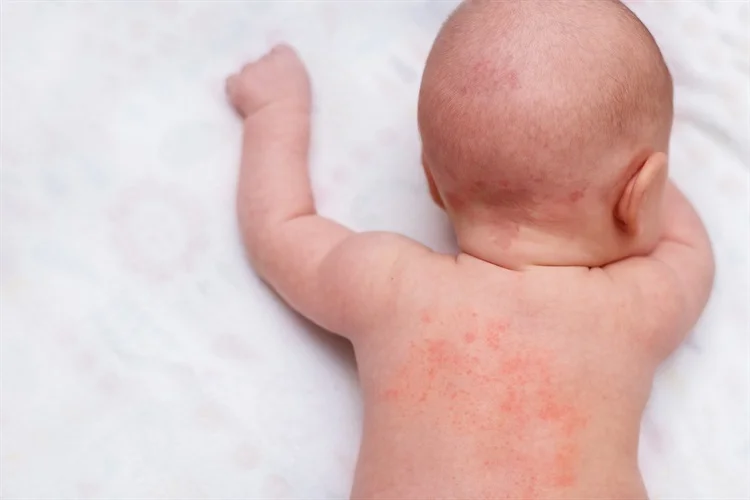
Eczema commonly causes areas of inflamed skin. Depending on the child’s natural skin tone, these areas may appear red, pink, purple, brown, grey, or darker than the surrounding skin.
This variation matters when recognising eczema in children with different skin tones. Redness may be less obvious on darker skin, so parents should also look for changes in texture, swelling, warmth, dryness, and persistent itching.
4. Cracked, Oozing, or Crusted Skin
More severe inflammation can cause the skin to crack, bleed, or develop small areas of fluid leakage. Scratching can make these changes worse.
Crusting and weeping can occur during an eczema flare, but they may also indicate infection. Parents should seek medical advice if the affected skin becomes increasingly painful, warm, swollen, develops pus, or worsens rapidly.
5. Thickened Skin and Changes in Colour
Repeated scratching over a long period can cause lichenification, a medical term for thickened skin with more noticeable skin markings. The affected area may feel rough or leathery.
After inflammation settles, some children experience temporary changes in skin colour. The affected area may become lighter or darker than the surrounding skin. NICE notes that atopic eczema can temporarily alter skin pigmentation.
Where Does Eczema Usually Appear in Children?
The location of eczema can change with age. It may also vary according to the child’s skin tone and individual pattern of disease.
Eczema in babies
In infants, eczema commonly affects the cheeks, forehead, scalp, and outer surfaces of the arms and legs. The skin may become dry, rough, red or darker than usual, and itchy. Some babies rub their faces against bedding or clothing because of discomfort.
The nappy area is often less affected by typical atopic dermatitis because moisture and contact patterns differ there. A rash concentrated in the nappy area may have another cause and should be assessed if it persists or worsens.
Eczema in toddlers and young children
As children grow, eczema commonly appears around the elbows, knees, wrists, ankles, and neck. Skin creases can become particularly itchy and inflamed.
Children at this age may scratch without realising they are damaging their skin. Keeping nails short and maintaining a consistent moisturising routine can help reduce avoidable skin injury.
Eczema in school-aged children
Older children may experience eczema on their hands, feet, wrists, elbows, knees, and around the neck. Hand eczema can become particularly troublesome because frequent washing, sweating, and contact with classroom materials may irritate the skin.
NICE also highlights that eczema can have different patterns in different ethnic groups. In Asian, Black African, and Black Caribbean children, it may affect the outer surfaces of the limbs rather than the typical skin folds. Circular or follicular patterns may also be more common.
Types of Eczema That Can Affect Children
Although atopic dermatitis is the most common form of childhood eczema, several other inflammatory skin conditions can cause eczema-like symptoms. Correct identification matters because treatment may differ.
Atopic Dermatitis
Atopic dermatitis is a chronic, itchy inflammatory condition associated with a weakened skin barrier and an increased tendency towards allergic conditions. It often begins in infancy or childhood and can involve repeated flare-ups.
Contact Dermatitis
Contact dermatitis develops when the skin reacts to an irritant or an allergen. Irritant contact dermatitis may follow repeated exposure to substances such as soaps, detergents, or cleaning products. Allergic contact dermatitis is an immune reaction to a particular substance, such as certain fragrances, preservatives, or metals.
It may appear where the skin has contacted the trigger. Persistent facial, eyelid, or hand eczema, or a rash that worsens after applying a particular product, may prompt a clinician to consider allergic contact dermatitis.
Nummular or Discoid Eczema
Discoid eczema produces round or oval patches that may be dry, itchy, inflamed, or scaly. Its appearance can resemble other skin conditions, so a healthcare professional may need to examine it before confirming the diagnosis.
Dyshidrotic Eczema
Dyshidrotic eczema, also known as pompholyx, can cause small, intensely itchy blisters on the palms, sides of the fingers, and soles of the feet. It is less typical of the usual childhood atopic dermatitis pattern, but it can occur.
Not every itchy or scaly rash is eczema. Ringworm, scabies, psoriasis, and some infections can look similar. A clinician should assess an unusual, persistent, or treatment-resistant rash rather than assuming it is atopic dermatitis.
How Is Childhood Eczema Diagnosed?
Doctors usually diagnose childhood eczema by examining the skin and asking about the child’s symptoms, medical history, and family history. There is no single blood test that confirms ordinary atopic dermatitis.
During an assessment, a healthcare professional may ask when the rash began, which areas are affected, how often flare-ups occur, whether itching is worse at night, and whether previous treatments have helped.
They may also ask about:
- A personal or family history of eczema, asthma, or hay fever.
- Possible reactions to soaps, detergents, fabrics, or skincare products.
- Symptoms that appear after eating a particular food.
- Sleep disturbance, school attendance, and the effect on daily activities.
- The child’s growth, development, and previous skin infections.
NICE provides clinical diagnostic criteria for children, including an itchy skin condition and a combination of other characteristic features such as typical distribution, dry skin, and a history of atopic disease. The clinician must interpret these features in the context of the child’s age and skin presentation.
Are Allergy Tests Necessary?
Most children with mild eczema do not need routine allergy tests. Testing may be appropriate when the history suggests a specific allergy, but the results must be interpreted alongside symptoms and clinical assessment.
A positive allergy test does not automatically mean that a child will react when exposed to that food or substance. Testing without a clear clinical reason can lead to unnecessary restrictions and confusion.
If eczema remains moderate or severe despite appropriate treatment, or if a child experiences immediate symptoms after a particular food, the doctor may refer the family to an allergy specialist.
Childhood Eczema Treatment: What Actually Helps?
There is no single treatment that works for every child. The right approach depends on the severity of inflammation, the child’s age, the affected body areas, previous treatment response, and whether infection or another condition is present.
The goal is to restore and protect the skin barrier, control inflammation, reduce itching, prevent infection, and improve sleep and quality of life.
The NICE childhood eczema guideline, last updated on 22 September 2025, recommends a stepped approach: daily emollients form the foundation of treatment, while additional medicines are used according to severity.
1. Emollients and Moisturisers
Emollients are moisturising products that help soften the skin, reduce water loss, and support the skin barrier. They are a central part of eczema treatment and should be used even when the child’s skin looks clear.
Available products include ointments, creams, lotions, and gels. Thicker creams and ointments may be more suitable for very dry skin because they generally provide a stronger barrier than lighter lotions. However, the best product is one the child tolerates and the family can use consistently.
Parents should apply emollients generously and frequently, including after bathing. NICE advises offering unperfumed emollients and recommends that children under 12 may need approximately 250–500 grams per week, depending on their needs and the extent of affected skin. This illustrates that eczema moisturising often requires much larger quantities than ordinary cosmetic skincare.
If a product causes burning, stinging, or irritation that does not settle, parents should discuss an alternative with a healthcare professional. A different formulation may be better tolerated.
2. Topical Corticosteroid Creams and Ointments
Topical corticosteroids are anti-inflammatory medicines applied directly to affected skin. They help reduce redness, swelling, and itching during eczema flare-ups.
Some parents worry about using steroid creams on children. These concerns are understandable, but avoiding prescribed treatment can allow inflammation to persist and may lead to more scratching and skin damage. When the correct product is used in the correct amount, on the appropriate body area, and for the recommended duration, topical corticosteroids are an established treatment for childhood eczema.
The strength of the medicine matters. NICE recommends selecting potency according to eczema severity and body site:
- Mild eczema generally requires a mild-potency topical corticosteroid.
- Moderate eczema may require a moderate-potency preparation.
- Severe eczema may need a potent preparation under appropriate clinical guidance.
- Mild-potency preparations are generally used on the face and neck; stronger treatments on sensitive areas require careful, short-term medical direction.
NICE advises against using very potent topical corticosteroids in children without specialist dermatological advice. It also advises that potent corticosteroids should not be used in children under 12 months without specialist supervision.
Parents should follow the prescriber’s instructions rather than choosing a steroid strength themselves, using an adult’s medicine, or extending a course because the rash has not disappeared.
3. Topical Calcineurin Inhibitors and Other Prescription Treatments
Some children need treatments other than moisturisers and topical corticosteroids, particularly when eczema affects sensitive areas or remains difficult to control.
Topical calcineurin inhibitors, including tacrolimus and pimecrolimus, are non-steroid anti-inflammatory medicines that may be considered in selected cases. Their suitability depends on the child’s age, the medicine’s licensing in the country, the affected area, and specialist guidance. NICE does not recommend them as first-line treatment for childhood eczema.
Other prescription topical medicines may be available for particular age groups and clinical circumstances. Newer treatments, including topical PDE-4 inhibitors and biologic medicines, have expanded the options for some children with moderate-to-severe disease. The 2026 American Academy of Dermatology pediatric guideline includes evidence-based recommendations for several topical and systemic therapies, but not every medicine is suitable or licensed for every age group or country.
PubMed+1
A dermatologist should determine whether a newer treatment is appropriate, especially when eczema is widespread, repeatedly flares, or has not responded to a well-followed treatment plan.
4. Wet Wrap Therapy
Wet wrap therapy may be recommended for selected children with more severe flare-ups. It involves applying the prescribed moisturiser or medication to the affected skin, covering it with a damp layer of bandage or clothing, and adding a dry layer over it.
The technique can help retain moisture, reduce scratching, and improve the effect of topical treatment. However, wet wraps are not suitable for every child or every flare. The medicine, duration, body area, and wrapping method should be selected by a healthcare professional because covering treated skin can increase absorption of topical medication.
The American Academy of Dermatology identifies wet wraps as a possible option for children with significant itching and scratching, with guidance from a dermatologist.
American Academy of Dermatology+1
5. Antihistamines: When Might They Be Used?
Antihistamines are sometimes considered when a child has an additional allergic condition or significant symptoms that interfere with sleep. However, they do not repair the skin barrier or directly treat the underlying inflammation of atopic dermatitis.
Parents should not give a child an antihistamine simply because the eczema is itchy. The choice of medicine, age suitability, dose, and duration should be discussed with a clinician. Some antihistamines can cause drowsiness or other side effects.
6. Treatment for Severe Childhood Eczema
Children with severe eczema may need specialist care when standard topical treatment does not provide adequate control or when the disease significantly affects daily life.
Depending on the child’s circumstances, a dermatologist may consider phototherapy or systemic medicines that act on inflammation throughout the body. Biologic treatments and oral targeted medicines are among the options available for selected patients, subject to age-specific approval, contraindications, monitoring, and local availability.
These treatments are not routine options for mild eczema. They require specialist assessment and a clear plan for monitoring benefits and potential adverse effects. The 2026 AAD pediatric guideline includes recommendations for biologics and systemic targeted therapies in children and adolescents with atopic dermatitis.
PubMed+1
7. Are Antibiotics Needed for Childhood Eczema?
Antibiotics are only appropriate when a clinician identifies a bacterial infection that requires treatment. They do not treat the underlying inflammation of ordinary eczema.
Infected eczema may involve increasing pain, warmth, swelling, pus-filled spots, crusting, or rapidly worsening symptoms. However, weeping or crusting alone does not always prove that bacteria are causing an infection.
NICE advises against routinely prescribing topical or oral antibiotics for secondary bacterial infection of eczema when the person is not systemically unwell. The decision depends on the extent and severity of infection, the child’s overall health, and the risk of complications. Repeated unnecessary antibiotic use can contribute to antimicrobial resistance.
Daily Skin-Care Routine for a Child With Eczema
A consistent routine can help reduce dryness, protect the skin barrier, and make flare-ups easier to manage. Parents do not need a large collection of skincare products. A simple routine using suitable moisturisers, gentle washing practices, and prescribed treatments is often more practical.
Morning Routine
Start by checking the child’s skin for new dry patches, redness, cracks, or signs of infection. Apply the child’s regular emollient to the skin, including areas that currently look clear.
If a doctor has prescribed a topical anti-inflammatory medicine, apply it to the affected areas according to the treatment plan. Do not mix medicines and moisturisers together unless the healthcare professional has specifically instructed you to do so.
Choose soft, comfortable clothing that does not rub against inflamed skin. If the child has eczema on their hands, consider whether repeated contact with soaps, classroom materials, or other irritants is contributing to symptoms.
Bathing and Washing
Bathing does not need to be avoided because a child has eczema. The important factors are water temperature, duration, and the products used.
The American Academy of Dermatology recommends warm rather than hot water and suggests keeping a child’s bath to around 5–10 minutes. Parents should use a mild, fragrance-free cleanser only where needed and avoid bubble baths that may irritate sensitive skin.
American Academy of Dermatology
After bathing, gently pat the skin rather than rubbing it vigorously with a towel. Apply prescribed topical medication as directed, followed by moisturiser and to the remaining skin. Follow the child’s individual treatment instructions if the clinician has recommended a different sequence.
NICE recommends using leave-on emollients or emollient soap substitutes instead of ordinary soaps and detergent-based washing products. It also advises against using emollient bath additives as a treatment for childhood atopic eczema.
Evening Routine
Before bedtime, check whether the child’s skin feels dry or itchy. Apply moisturiser generously and use prescribed medicines only as directed.
Keep the bedroom at a comfortable temperature because overheating and sweating may aggravate itching. Choose soft bedding and sleepwear that do not irritate the skin.
If itching repeatedly interrupts sleep, discuss it with a healthcare professional. Night-time discomfort can be a sign that the eczema treatment plan needs reviewing.
How Can Parents Prevent Childhood Eczema Flare-Ups?
There is no guaranteed way to prevent every flare-up, particularly when a child has an inherited tendency towards atopic dermatitis. However, reducing avoidable irritation and maintaining the skin barrier can help limit the frequency and severity of symptoms.
Use Fragrance-Free Skincare Products
Choose unperfumed moisturisers, gentle cleansers, and suitable laundry products. Fragrance-free products are generally preferable to products that simply claim to have a mild scent.
Avoid introducing several new products at once. If the child’s skin becomes irritated, it can otherwise be difficult to identify which product caused the reaction.
Avoid Overheating and Excessive Sweating
Heat and sweat can increase itching in some children. Dress children in comfortable layers so that clothing can be adjusted when the weather changes or when they become active.
After heavy sweating, gently wash or rinse the skin if needed, pat it dry, and apply moisturiser. Avoid vigorous scrubbing.
Keep Fingernails Short
Short, smooth fingernails reduce the chance of skin damage when a child scratches. For younger children who scratch during sleep, parents can ask a healthcare professional whether soft cotton sleepwear or other protective measures are appropriate.
The aim is not to punish or constantly stop a child from scratching. It is to reduce the damage caused by an itch that the child may find difficult to control.
Identify Individual Triggers
Parents can record when flare-ups happen and whether they appear after particular activities, products, weather conditions, or exposures.
A useful record may include the date, affected body areas, skincare products used, recent illnesses, and any suspected food reactions. This information can help a clinician distinguish a repeated trigger from an unrelated coincidence.
Do not assume that every exposure is harmful. For example, pets, dust, or particular foods should not automatically be removed from a child’s environment without a clear clinical reason.
Follow the Treatment Plan Between Flare-Ups
One common mistake is stopping all skin care as soon as the rash improves. Eczema-prone skin can remain dry and vulnerable even when visible inflammation has settled.
Continue regular emollient use and follow any maintenance treatment prescribed by the clinician. For children with frequent flare-ups in the same areas, a doctor may recommend a planned intermittent anti-inflammatory treatment to help prevent recurrence.
Childhood Eczema and Food: What Should Parents Know?
Food-related concerns are common among parents of children with eczema. Some children have both atopic dermatitis and a confirmed food allergy, but the two conditions should not be treated as interchangeable.
A child may have eczema without having any food allergy. Similarly, a positive allergy test does not necessarily mean that eating the food will trigger symptoms.
Parents should seek medical assessment if a child develops immediate symptoms after eating a particular food. Symptoms such as hives, facial swelling, repeated vomiting, wheezing, breathing difficulty, or collapse may indicate an allergic reaction. Breathing difficulty, collapse, or signs of a severe allergic reaction require emergency medical help.
If a child has moderate or severe eczema that remains poorly controlled despite appropriate treatment, a clinician may consider whether food allergy is contributing. NICE recommends specialist investigation and management for children with moderate or severe eczema when food allergy is suspected.
Do not remove milk, eggs, wheat, nuts, or other major food groups from a child’s diet without professional advice. Restrictive diets can lead to inadequate nutrient intake, particularly during periods of rapid growth. If an exclusion diet is medically necessary, a qualified dietitian can help maintain nutritional balance.
Childhood Eczema Complications
Most children with eczema can be managed with appropriate skin care and treatment. However, persistent inflammation and scratching can lead to complications that deserve attention.
Secondary Skin Infections
Damaged skin provides an opportunity for microorganisms to enter. Children with eczema can develop bacterial infections, including infections involving Staphylococcus aureus.
Warning signs may include increasing redness or colour change, warmth, swelling, pain, pus, crusting, or rapidly worsening symptoms. Fever or general illness alongside worsening eczema should prompt urgent medical assessment.
Eczema Herpeticum
Eczema herpeticum is a potentially serious infection caused by the herpes simplex virus. It can develop in children with atopic dermatitis and requires urgent medical treatment.
Possible signs include:
- Rapidly worsening and painful eczema.
- Groups of small blisters that may resemble cold sores.
- Similar-looking, round, punched-out sores or erosions.
- Fever, unusual tiredness, or a distressed appearance.
If eczema herpeticum is suspected, the child needs a same-day specialist assessment. NICE recommends immediate treatment with systemic aciclovir and same-day specialist dermatological advice. If the skin around the eyes is involved, urgent ophthalmological and dermatological advice is also required.
Sleep Disturbance
Persistent itching can make it difficult for children to fall asleep or stay asleep. Repeated sleep disruption may contribute to daytime tiredness, irritability, and difficulty concentrating.
Parents should mention sleep problems during medical appointments. Eczema severity should not be judged only by how much skin is affected; the effect on sleep and everyday life also matters.
Emotional and Social Effects
Visible skin changes and persistent itching can affect a child’s confidence. Some children may feel uncomfortable wearing short sleeves, participating in sports, or explaining their skin condition to classmates.
Parents can support children by explaining that eczema is not contagious and is not their fault. Schools and caregivers should also understand that itching, moisturising, and occasional treatment may be part of the child’s daily routine.
NICE recommends assessing the impact of eczema on children’s quality of life and psychosocial well-being, as well as its physical severity.
When Should Parents Take a Child With Eczema to a Doctor?
A healthcare professional should assess a child who develops persistent itching, repeated rashes, unexplained dry patches, or symptoms that interfere with sleep and daily activities.
A routine appointment is appropriate when:
- The rash keeps returning or spreads to new areas.
- Moisturisers and appropriate home care are not improving symptoms.
- The child scratches frequently or has disturbed sleep.
- Eczema affects the face, eyelids, hands, or other sensitive areas.
- Parents are uncertain whether the rash is eczema or another skin condition.
- The child has suspected food allergy symptoms or concerns about growth.
Seek urgent medical attention if the child’s eczema becomes painful, swollen, warm, rapidly worse, or develops pus-filled spots, particularly when accompanied by fever or general illness. These may be signs of infection.
NHS+1
Suspected eczema herpeticum requires same-day specialist assessment. Do not wait for a routine appointment if the child develops painful, rapidly spreading lesions or clustered blisters.
Does Childhood Eczema Go Away With Age?
Some children experience significant improvement as they grow older. Others continue to have eczema during adolescence or adulthood, and some experience recurring symptoms after periods of improvement.
The course varies from child to child. A history of eczema in infancy does not mean that a child will necessarily have severe eczema later in life, but parents should not assume that the condition will disappear by a particular birthday.
Even when symptoms improve, maintaining healthy skin-care habits can be useful. Children who continue to experience dryness or recurring inflammation may need ongoing treatment and periodic medical review.
NICE advises healthcare professionals to explain that eczema often improves with time, but not every child grows out of it.
Common Mistakes Parents Should Avoid When Managing Childhood Eczema
Good intentions do not always lead to effective eczema care. Some common approaches can irritate the skin, delay appropriate treatment, or create unnecessary health risks.
Stopping Prescribed Steroid Treatment Too Early or Avoiding It Entirely
Parents may be worried about topical corticosteroids and avoid using them even when a clinician has prescribed them. Leaving inflammation untreated can prolong a flare and increase scratching.
The safer approach is to understand the prescribed strength, application area, frequency, and duration. Ask the doctor or pharmacist to explain anything that is unclear.
Using Strong Soaps or Fragranced Products
Ordinary soaps, scented body washes, bubble baths, and fragranced lotions may aggravate sensitive skin. Choose gentle, unperfumed products that the child tolerates.
Applying Moisturiser Only When the Rash Is Visible
Eczema-prone skin can remain vulnerable even when inflammation has settled. Daily emollient use should continue according to the child’s care plan.
Trying Unverified Herbal or Home Remedies
Some families try herbal creams, essential oils, or homemade mixtures. Natural does not automatically mean safe for a child’s skin. Some unregulated products may contain irritating ingredients or undeclared medicines.
NICE notes that the effectiveness and safety of several complementary approaches, including herbal remedies and food supplements, have not been adequately assessed in clinical trials. It also warns that topical corticosteroids may be added to some herbal products marketed for childhood eczema.
NICE
Following Restrictive Diets Without Medical Advice
Removing several foods without confirming an allergy can affect a child’s nutrition. Discuss suspected food reactions with a qualified healthcare professional rather than relying on online allergy claims or unvalidated testing.
Ignoring Signs of Infection
A sudden change in the child’s eczema should not automatically be treated as an ordinary flare. Increasing pain, fever, pus, rapid worsening, or clustered painful blisters require prompt medical attention.
Final Thoughts
Childhood eczema can be frustrating for children and parents because symptoms may improve and return without warning. However, it is a manageable inflammatory skin condition, and effective care does not depend on finding one miracle cream or eliminating every possible trigger.
The most reliable approach combines regular emollient use, gentle bathing, appropriate prescription treatment, and attention to individual irritants. Parents should also recognise signs of infection, avoid unnecessary food restrictions, and seek medical advice when symptoms are persistent, severe, or affecting sleep and daily life.
With an individualised treatment plan and consistent support, many children can achieve better symptom control, fewer disruptive flare-ups, and an improved quality of life.
Frequently Asked Questions
1. What is the main cause of childhood eczema?
There is no single cause. Childhood eczema is associated with a combination of genetic susceptibility, skin-barrier dysfunction, immune-system activity, and environmental influences. Irritants and allergens can aggravate symptoms, but they are not responsible for every case.
2. Is childhood eczema contagious?
No. Atopic dermatitis is not contagious. Children cannot catch eczema through physical contact, sharing toys, playing together, or attending school with an affected child.
3. What are the first signs of eczema in babies?
Early signs may include dry, rough, itchy, or inflamed patches on the cheeks, forehead, scalp, and outer arms or legs. Some babies rub their faces against bedding or clothing because their skin feels uncomfortable.
4. What is the best treatment for childhood eczema?
There is no single best treatment for every child. Regular emollient use is the foundation of care, while topical corticosteroids and other prescription medicines may be needed during flare-ups. Treatment should be selected according to the child’s age, symptoms, affected areas, and disease severity.
5. Can childhood eczema be cured permanently?
There is currently no established permanent cure for atopic dermatitis. Many children improve as they grow older, while others continue to experience symptoms. Consistent skincare and appropriate treatment can help control the condition.
6. Should I bathe my child every day if they have eczema?
Bathing does not automatically make eczema worse. Short baths using warm rather than hot water and mild, fragrance-free cleansers can form part of a skin-care routine. Apply the child’s recommended moisturiser after bathing and follow any additional instructions from their clinician.
7. Can certain foods make childhood eczema worse?
Some children have a confirmed food allergy alongside eczema, but food is not the cause of every flare-up. If a child develops immediate symptoms after eating a particular food, seek medical advice. Do not remove major food groups without professional guidance.
8. Are steroid creams safe for children with eczema?
Topical corticosteroids are established treatments for childhood eczema when the correct strength is used on the appropriate area for the prescribed duration. The risks depend on factors such as potency, body site, quantity, and length of use. Parents should follow medical instructions rather than selecting or extending treatment independently.
9. Why does my child’s eczema get worse at night?
Itching can become particularly disruptive at night. Warmth, sweating, dry skin, and the absence of daytime distractions may contribute to discomfort. If night-time itching repeatedly interrupts sleep, the child’s treatment plan should be reviewed.
10. Can eczema cause permanent skin damage?
Repeated scratching and prolonged inflammation can cause thickened skin, cracking, and temporary changes in pigmentation. Many of these changes improve when inflammation is controlled, but persistent skin damage or scarring should be assessed by a healthcare professional.
11. When is childhood eczema an emergency?
Suspected eczema herpeticum requires same-day specialist assessment. Rapidly worsening painful eczema, clustered blisters, or punched-out sores are warning signs. Severe allergic reactions, breathing difficulty, collapse, or a child who appears seriously unwell also require emergency medical help.
12. Should children with eczema avoid swimming?
Not every child with eczema needs to avoid swimming. However, pool chemicals, prolonged exposure to water, and drying after swimming may irritate some children’s skin. Rinse off after swimming, pat the skin dry, and apply the child’s usual moisturiser. If swimming repeatedly causes significant flare-ups, discuss practical adjustments with a healthcare professional.
13. Can stress make childhood eczema worse?
Stress may be associated with flare-ups in some children, but it is not a single established cause of eczema. The relationship can work in both directions: itching and sleep disruption can increase stress, while stress may aggravate symptoms in some individuals. NICE notes that the role of factors such as stress in causing eczema flares is not fully clear.
14. How often should a child with eczema use moisturiser?
Moisturiser should generally be applied regularly throughout the day, including when the skin appears clear. The amount and frequency depend on the child’s skin condition and the product. NICE recommends generous, frequent application and notes that children may need substantial quantities each week.