
Type 2 Diabetes Early Symptoms, Risk Factors, and Prevention
Type 2 Diabetes Early Symptoms, Risk Factors, and Prevention
Type 2 diabetes is one of the most common chronic metabolic conditions worldwide. It develops when the body does not use insulin effectively and, over time, cannot produce enough insulin to keep blood glucose within a healthy range. Unlike type 1 diabetes, which is primarily an autoimmune disease, type 2 diabetes is strongly influenced by a combination of genetics, age, body composition, physical activity, diet, and other metabolic and social factors.
The challenge is that type 2 diabetes can develop gradually. Many people have few or no noticeable symptoms during the early stages. In fact, the U.S. Centers for Disease Control and Prevention (CDC) estimates that 40.1 million people in the United States had diagnosed or undiagnosed diabetes in 2023, representing about 12.0% of the population. The same report estimates that 11.0 million U.S. adults with diabetes were undiagnosed.
Prediabetes is even more widespread. An estimated 115.2 million U.S. adults had prediabetes in 2023, and approximately 8 in 10 adults with prediabetes did not know they had it.
These numbers explain why understanding early warning signs, risk factors, screening, and prevention matters. Recognizing symptoms is useful, but waiting for symptoms is not a reliable screening strategy.
What Is Type 2 Diabetes?
Type 2 diabetes occurs when the body develops insulin resistance and progressively loses the ability to produce enough insulin to maintain normal blood glucose levels.
Insulin is a hormone produced by the pancreas. It helps glucose move from the bloodstream into cells, where it can be used for energy. When insulin does not work effectively, the pancreas may initially compensate by producing more insulin. Over time, however, insulin production may become insufficient, causing blood glucose levels to rise.
The World Health Organization reports that more than 95% of people with diabetes have type 2 diabetes. WHO also describes type 2 diabetes as a condition linked to genetics, aging, and lifestyle factors.
Type 2 diabetes is different from prediabetes. Prediabetes means blood glucose is higher than normal but has not reached the diagnostic range for diabetes. It is an important warning state because the likelihood of developing type 2 diabetes is increased.
For readers interested in the earlier stage of the condition, an appropriate internal link is your existing article, “Prediabetes Explained: Signs, Causes, and How to Prevent Type 2 Diabetes,” using anchor text such as “prediabetes and diabetes prevention.”
Why Type 2 Diabetes Can Be Difficult to Detect Early
One of the biggest misconceptions about diabetes is that high blood sugar always produces obvious symptoms.
It does not.
Type 2 diabetes can develop gradually, and some people may have elevated blood glucose for years without recognizing a specific warning sign. Symptoms may become noticeable only after blood glucose has been elevated for some time.
This is why risk-based screening is important. The U.S. Preventive Services Task Force recommends screening asymptomatic adults ages 35 to 70 who are overweight or obese for prediabetes and type 2 diabetes. It also recommends considering earlier screening for certain higher-risk populations.
In other words, someone can feel completely well and still have prediabetes or type 2 diabetes.
Early Symptoms of Type 2 Diabetes
When symptoms do appear, they are often related to elevated blood glucose and changes in how the body handles glucose and fluids.
Increased Thirst
Excessive thirst, sometimes called polydipsia, is a classic symptom of hyperglycemia.
When glucose levels become significantly elevated, the kidneys may excrete more glucose into the urine. This can increase fluid loss and contribute to dehydration, making a person feel unusually thirsty.
Occasionally drinking more water on a hot day is normal. Persistent or unexplained thirst, particularly when it occurs together with frequent urination, deserves medical evaluation.
Frequent Urination
Frequent urination, or polyuria, can occur when excess glucose enters the urine and pulls additional water with it.
Someone may notice:
- Going to the bathroom more frequently
- Waking repeatedly at night to urinate
- Producing larger amounts of urine
- A noticeable change from their normal urination pattern
Frequent urination has many possible causes, including urinary tract problems, medications, pregnancy, prostate conditions, and increased fluid intake. It does not automatically mean diabetes.
However, frequent urination combined with increased thirst is a classic pattern associated with high blood glucose.
Increased Hunger
Some people with diabetes experience increased hunger or persistent appetite despite eating regularly.
When insulin resistance interferes with glucose entering cells effectively, the body can have difficulty using glucose efficiently for energy. This can contribute to increased hunger.
However, appetite changes are nonspecific and can also result from sleep deprivation, stress, medications, thyroid disorders, changes in physical activity, and other health conditions.
Unexplained Weight Loss
Unintentional weight loss can occur when the body cannot effectively use glucose for energy and begins using stored fat and muscle.
This symptom is particularly important when it occurs without a deliberate change in diet or exercise.
Unexplained weight loss should not automatically be attributed to diabetes. It can have many causes and warrants medical assessment, especially when accompanied by thirst, frequent urination, fatigue, nausea, or other symptoms.
Persistent Fatigue
Fatigue is common and has a very long list of potential causes.
In diabetes, disrupted glucose metabolism can contribute to tiredness or reduced energy. However, fatigue alone is not a reliable indicator of diabetes.
It becomes more concerning when persistent fatigue occurs alongside other symptoms such as excessive thirst, frequent urination, blurred vision, or unexplained weight change.
Blurred Vision
High blood glucose can affect fluid balance in the eye and temporarily alter vision.
Some people notice blurred or fluctuating vision when blood glucose levels are elevated.
New or sudden vision changes should not simply be assumed to be diabetes. Eye conditions can also cause blurred vision, and sudden significant visual changes require prompt medical assessment.
Slow-Healing Cuts and Wounds
People with diabetes can experience impaired wound healing, particularly when blood glucose has been poorly controlled for an extended period.
High blood glucose can be associated with blood-vessel changes, nerve damage, and impaired immune function, all of which may contribute to complications.
A wound that repeatedly fails to heal should be assessed rather than treated solely with home remedies.
Tingling or Numbness
Persistent tingling, burning, or numbness in the hands or feet can be associated with diabetic peripheral neuropathy.
However, neuropathy is more commonly associated with established diabetes rather than being the first sign of newly developing disease.
Other causes include vitamin deficiencies, nerve compression, alcohol use, thyroid disorders, medications, and other neurological conditions.
Recurrent Infections
People with diabetes may be more susceptible to certain infections, particularly when blood glucose remains elevated.
Recurring infections can have many causes, so this symptom alone cannot diagnose diabetes.
The important principle is that symptoms should be interpreted as a pattern rather than as individual diagnostic clues.
A Simple Type 2 Diabetes Warning-Sign Pattern
The following combination deserves particular attention:
Increased thirst + frequent urination + unexplained weight loss + fatigue
This does not prove diabetes, but it is a strong reason to arrange blood glucose testing.
The American Diabetes Association’s 2026 diagnostic standards recognize classic hyperglycemic symptoms such as increased urination, increased thirst, and unexplained weight loss when evaluating diabetes.
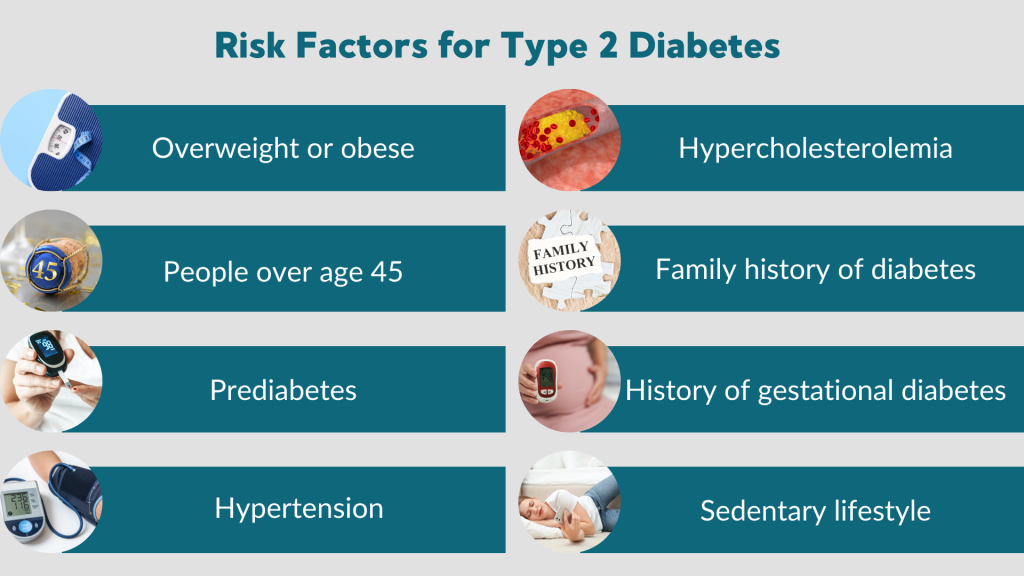
Type 2 Diabetes Risk Factors
Type 2 diabetes develops through multiple interacting factors. Some can be changed, while others cannot.
Understanding the difference helps people focus on realistic prevention rather than blaming themselves for developing the condition.
Overweight and Obesity
Excess body fat, particularly when associated with increased abdominal fat, is an important risk factor for insulin resistance and type 2 diabetes.
The USPSTF identifies overweight and obesity as the strongest risk factors for developing prediabetes and type 2 diabetes in adults.
Importantly, body weight is not the only determinant. People at lower body weights can also develop type 2 diabetes, and BMI does not fully capture body-fat distribution or metabolic risk.
Physical Inactivity
Regular physical activity improves insulin sensitivity and helps the body use glucose for energy.
A sedentary lifestyle can contribute to metabolic risk, especially when combined with other risk factors.
Physical activity does not need to mean intense gym workouts. Walking, cycling, swimming, resistance training, household activity, and other forms of movement can contribute to overall activity.
Family History
Having a parent, brother, or sister with type 2 diabetes increases risk.
Genetics can influence insulin sensitivity, pancreatic beta-cell function, body-fat distribution, and other metabolic characteristics.
A family history does not mean diabetes is inevitable. It means prevention and appropriate screening may deserve greater attention.
Age
The likelihood of developing type 2 diabetes generally increases with age.
However, type 2 diabetes can occur in younger adults, teenagers, and children. NIDDK notes that people can develop type 2 diabetes at any age.
The increasing incidence of type 2 diabetes among younger people makes it inappropriate to consider the disease solely an older-adult condition.
History of Gestational Diabetes
People who have experienced gestational diabetes have an increased future risk of developing type 2 diabetes.
This is one reason postpartum glucose screening and long-term follow-up are important.
Polycystic Ovary Syndrome
Polycystic ovary syndrome (PCOS) is associated with insulin resistance and increased metabolic risk.
People with PCOS may therefore benefit from discussing diabetes screening with their healthcare professional, particularly when other risk factors are present.
For readers exploring reproductive and hormonal health, relevant internal links can include your articles on “Endometriosis: Symptoms, Causes, Diagnosis, and Treatment” and “Uterine Fibroids: Symptoms, Causes, and Treatment Options,” although these conditions should not be presented as direct causes of type 2 diabetes.
High Blood Pressure
Hypertension frequently overlaps with insulin resistance and other cardiometabolic risk factors.
People with high blood pressure may therefore have a broader cardiovascular risk profile that warrants assessment of blood glucose, cholesterol, weight, physical activity, and other factors.
A natural internal link here would be your existing article “High Blood Pressure Explained: Causes, Symptoms, Diagnosis, and Treatment,” using anchor text such as “high blood pressure and metabolic health.”
Abnormal Cholesterol and Triglycerides
Unhealthy lipid patterns can occur alongside insulin resistance and metabolic syndrome.
High triglycerides, low HDL cholesterol, elevated blood pressure, abdominal adiposity, and elevated blood glucose can cluster together.
This makes cardiovascular risk assessment an important part of preventive care rather than viewing diabetes as an isolated blood sugar problem.
An internal link to “What Causes High Cholesterol and How Can You Lower It?” can support this section with additional information about cholesterol and cardiovascular risk.
Certain Ethnic and Population Risk Factors
Diabetes prevalence varies across populations because of a complex combination of genetic, metabolic, environmental, socioeconomic, and healthcare-access factors.
The USPSTF identifies higher diabetes prevalence among several U.S. racial and ethnic populations and recommends considering earlier screening in some higher-risk groups.
These differences should be interpreted carefully. Race and ethnicity are not biological diagnoses; they can correlate with a mixture of genetic ancestry, social determinants, environmental exposure, healthcare access, and other factors.
Prediabetes: The Important Warning Stage
Prediabetes is an important opportunity for prevention.
According to the ADA’s 2026 diagnostic standards, prediabetes in nonpregnant individuals includes:
| Test | Prediabetes range |
| A1C | 5.7%–6.4% |
| Fasting plasma glucose | 100–125 mg/dL |
| 2-hour oral glucose tolerance test | 140–199 mg/dL |
These values indicate increased metabolic risk, not an inevitable progression to diabetes.
This distinction matters because lifestyle intervention can substantially reduce the likelihood of progression in high-risk individuals.
The CDC estimates that more than 2 in 5 U.S. adults had prediabetes in 2023, yet 8 in 10 did not know they had it.
How Is Type 2 Diabetes Diagnosed?
Symptoms alone cannot diagnose type 2 diabetes.
Blood testing is required.
The ADA’s 2026 Standards of Care recognize four principal diagnostic pathways for nonpregnant individuals:
| Test | Diabetes diagnostic threshold |
| A1C | ≥6.5% |
| Fasting plasma glucose | ≥126 mg/dL |
| 2-hour glucose during 75-g OGTT | ≥200 mg/dL |
| Random plasma glucose with classic symptoms or hyperglycemic crisis | ≥200 mg/dL |
When there is no unequivocal hyperglycemia, the ADA recommends confirmation with additional abnormal testing rather than diagnosing diabetes from a single unexpected result.
A1C Test
A1C estimated average blood glucose exposure over approximately the previous few months.
It is convenient because fasting is generally not required.
However, certain conditions affecting red blood cells, hemoglobin, or other factors can affect A1C interpretation. A healthcare professional should determine which test is most appropriate.
Fasting Plasma Glucose
Fasting plasma glucose measures blood glucose after at least 8 hours without caloric intake.
It is widely used for screening and diagnosis.
Oral Glucose Tolerance Test
The oral glucose tolerance test measures how the body handles a standardized glucose load.
It can identify abnormal glucose regulation that may not be detected by fasting glucose alone.
The ADA notes that the different tests do not identify exactly the same people because they reflect different aspects of glucose metabolism.
Who Should Be Screened for Type 2 Diabetes?
Screening recommendations depend on age, weight, risk factors, symptoms, pregnancy status, and medical history.
The USPSTF recommends screening asymptomatic adults ages 35 to 70 who are overweight or obese. It recommends offering or referring people with prediabetes to effective preventive interventions.
Earlier testing may be appropriate for people with significant risk factors, including a strong family history, previous gestational diabetes, PCOS, or membership in populations with higher diabetes prevalence.
People with symptoms suggestive of hyperglycemia should not wait for routine screening intervals; they should discuss testing with a healthcare professional.
Can Type 2 Diabetes Be Prevented?
In many people at elevated risk, type 2 diabetes can be prevented or delayed.
This is one of the most important differences between discussing diabetes prevention and simply managing established disease.
The Diabetes Prevention Program was a landmark randomized clinical trial involving 3,234 high-risk participants. Its lifestyle intervention targeted approximately 7% weight loss and at least 150 minutes of physical activity per week.
After about three years, the intensive lifestyle intervention reduced the incidence of type 2 diabetes by 58% compared with placebo. Among participants aged 60 and older, the reduction was 71%. Metformin reduced diabetes incidence by 31% in the original trial.
The longer-term results remained meaningful. Over approximately 10 years, diabetes incidence was reduced by 34% in the original lifestyle group and 18% in the metformin group compared with placebo.
These findings provide strong evidence that prevention is more than general health advice.
Weight Management and Diabetes Prevention
The goal is not necessarily to reach an arbitrary “ideal weight.”
For adults with overweight or obesity who are at high risk for type 2 diabetes, the ADA’s 2026 Standards recommend aiming for at least 5–7% reduction in initial body weight alongside healthy eating and at least 150 minutes per week of moderate-intensity physical activity.
For example, someone weighing 200 pounds would have a 5% weight-loss target of approximately 10 pounds and a 7% target of approximately 14 pounds.
Even relatively modest weight reduction can improve metabolic health.
At the same time, people should avoid extreme diets or rapid weight-loss approaches that are difficult to maintain.
The most effective strategy is usually the one that can be continued over years rather than weeks.
Physical Activity for Type 2 Diabetes Prevention
A practical target is at least 150 minutes of moderate-intensity physical activity per week.
That could mean roughly:
30 minutes × 5 days = 150 minutes
Brisk walking is one accessible option.
Other possibilities include cycling, swimming, dancing, recreational sports, and structured aerobic exercise.
Resistance training is also valuable because maintaining muscle mass supports glucose utilization and overall metabolic health.
Importantly, the DPP showed that achieving the physical-activity goal was beneficial even when the full weight-loss target was not achieved. The ADA’s 2026 prevention standards report that achieving at least 150 minutes of activity per week was associated with a 44% reduction in diabetes incidence in the DPP analysis.
People who have been inactive should increase activity gradually and seek professional advice when medical conditions make exercise more complicated.
Nutrition for Type 2 Diabetes Prevention
There is no single “diabetes prevention diet” that every person must follow.
The ADA’s 2026 standards emphasize evidence-based eating patterns and recommend that meals emphasize foods such as non starchy vegetables, whole fruits, legumes, whole grains, nuts, seeds, lean proteins, and appropriate low-fat dairy or alternatives. They also recommend minimizing sugar-sweetened beverages, sweets, refined grains, processed foods, and ultra processed foods.
A practical approach is to focus on food quality and overall energy balance rather than labeling individual foods as universally “good” or “bad.”
Prioritize Fiber-Rich Foods
Vegetables, legumes, whole grains, fruits, nuts, and seeds provide fiber and other nutrients.
Fiber-rich foods can also improve satiety, making it easier to maintain a healthy eating pattern.
Reduce Sugar-Sweetened Beverages
Soft drinks, sweetened teas, energy drinks, and other sugary beverages can add substantial amounts of rapidly absorbed carbohydrate without providing the same satiety as a balanced meal.
Replacing them with water or unsweetened beverages is a practical prevention strategy.
Watch Portion Size
Healthy foods can still contribute substantial calories when consumed in very large portions.
Portion awareness can therefore be more sustainable than eliminating entire food groups without medical necessity.
Choose Sustainable Eating Patterns
The ADA recognizes several evidence-based eating approaches, including Mediterranean-style and lower-carbohydrate patterns, provided they are nutritionally adequate and individualized.
The best eating pattern is one that supports metabolic goals while fitting the person’s culture, preferences, budget, schedule, and medical needs.
Sleep, Stress, and Diabetes Risk
Sleep and psychological stress are often overlooked in discussions about diabetes prevention.
Poor sleep can affect appetite regulation, activity levels, and metabolic health. Chronic stress can also influence eating behavior, sleep, physical activity, and other behaviors that affect diabetes risk.
This does not mean stress directly “causes” diabetes in every person.
Rather, sleep, stress, behavior, and metabolic health can interact in complex ways.
A realistic prevention plan should therefore consider the whole lifestyle rather than focusing exclusively on calories.
Type 2 Diabetes in Children and Teenagers
Type 2 diabetes is not exclusively an adult disease.
NIDDK notes that children and teenagers can also develop type 2 diabetes.
Risk may be higher when a young person has obesity, a family history of type 2 diabetes, signs of insulin resistance, or certain medical conditions.
Prevention in children should not be based on crash diets, calorie restriction, or shame about body size.
Instead, families can focus on:
- Regular physical activity
- Balanced meals
- Adequate sleep
- Limiting sugar-sweetened beverages
- Regular pediatric healthcare
- Healthy family routines
Your existing article “Healthy Weight for Kids: Nutrition Tips for Every Age” would be a natural internal link here, with anchor text such as “healthy weight and nutrition for children.”
Type 2 Diabetes and Cardiovascular Health
Diabetes is not simply a blood sugar disorder.
Persistently elevated blood glucose is associated with damage to blood vessels and increased risk of cardiovascular, kidney, eye, and nerve complications. WHO notes that diabetes can damage the heart, kidneys, eyes, nerves, and blood vessels over time.
That is why prevention should address the broader cardiometabolic picture.
Blood pressure, cholesterol, smoking, physical activity, body weight, nutrition, and glucose all matter.
Someone with prediabetes should not wait until diabetes develops before paying attention to cardiovascular health.
Can Prediabetes Return to a Normal Range?
Yes, blood glucose can return to a normal range in some people with prediabetes.
However, this should not be described as a guaranteed “cure.”
Risk is influenced by genetics, age, body composition, activity, diet, and other factors. Even when glucose returns to a normal range, maintaining healthy behaviors and following recommended screening remains important.
The goal should be long-term metabolic health rather than temporarily changing a laboratory value.
When Should You See a Doctor?
Consider discussing diabetes testing with a healthcare professional if you have symptoms such as persistent thirst, frequent urination, unexplained weight loss, unusual fatigue, or blurred vision.
You should also consider risk-based screening if you have:
- A strong family history of type 2 diabetes
- Overweight or obesity
- A history of gestational diabetes
- PCOS
- High blood pressure
- Abnormal cholesterol or triglycerides
- Prediabetes
- Limited physical activity
- Other metabolic risk factors
Do not wait for symptoms if you are in a group for whom routine screening is recommended.
When Is High Blood Sugar an Emergency?
Severe hyperglycemia can become a medical emergency.
Seek urgent medical care for severe symptoms such as vomiting, significant dehydration, confusion, extreme weakness, difficulty breathing, or altered consciousness, particularly when blood glucose is known to be very high.
Type 2 diabetes can sometimes present with severe hyperglycemia or hyperosmolar hyperglycemic state, which requires urgent medical treatment.
A person with new severe symptoms should not attempt to diagnose or treat the condition solely from an online article.
A Practical Type 2 Diabetes Prevention Plan
A realistic prevention strategy can be built around several measurable goals.
Start by identifying your personal risk factors and discussing appropriate blood glucose screening.
If you have overweight or obesity and are at elevated risk, a 5–7% weight-loss target may be clinically meaningful.
Work toward at least 150 minutes of moderate-intensity physical activity each week.
Build meals around vegetables, whole foods, fiber-rich carbohydrates, lean protein, healthy fats, and appropriate portions.
Replace sugar-sweetened beverages with water or unsweetened alternatives most of the time.
Avoid tobacco.
Pay attention to sleep and stress.
Keep track of blood pressure, cholesterol, weight trends, and glucose testing when recommended.
Most importantly, choose changes that can become routine rather than attempting a dramatic short-term transformation.
Key Facts at a Glance
Type 2 diabetes is largely driven by insulin resistance and progressive impairment of insulin production.
More than 95% of people with diabetes have type 2 diabetes, according to WHO.
In the United States, the CDC estimates that 40.1 million people had diagnosed or undiagnosed diabetes in 2023, while 115.2 million adults had prediabetes.
Common early symptoms can include increased thirst, frequent urination, increased hunger, fatigue, blurred vision, slow-healing wounds, and unexplained weight loss, although many people have no symptoms.
The ADA’s 2026 diagnostic threshold for diabetes is an A1C of at least 6.5%, fasting plasma glucose of at least 126 mg/dL, a 2-hour OGTT glucose of at least 200 mg/dL, or random plasma glucose of at least 200 mg/dL when classic symptoms or a hyperglycemic crisis are present.
The Diabetes Prevention Program found that intensive lifestyle intervention reduced diabetes incidence by 58% over approximately three years, while the reduction was 71% among participants aged 60 and older.
The ADA’s 2026 prevention recommendations emphasize achieving and maintaining at least 5–7% weight loss for adults with overweight or obesity at high risk, together with at least 150 minutes of moderate-intensity physical activity per week.
Frequently Asked Questions
What are the first warning signs of type 2 diabetes?
Common symptoms can include increased thirst, frequent urination, increased hunger, fatigue, blurred vision, unexplained weight loss, and slow-healing wounds. However, type 2 diabetes can develop without noticeable symptoms, so testing is more reliable than waiting for warning signs.
Can you have type 2 diabetes without symptoms?
Yes. Many people have no obvious symptoms, especially during the early stages. This is one reason risk-based screening is important.
What are the 3 most common symptoms of type 2 diabetes?
Increased thirst, frequent urination, and increased hunger are among the classic symptoms. Unexplained weight loss and fatigue can also occur.
What is the main cause of type 2 diabetes?
There is no single cause. Type 2 diabetes usually develops through a combination of insulin resistance, genetic susceptibility, age, body composition, physical inactivity, and other metabolic and environmental factors.
Can type 2 diabetes be prevented?
In many high-risk people, type 2 diabetes can be prevented or delayed. The Diabetes Prevention Program demonstrated a 58% reduction in diabetes incidence through intensive lifestyle intervention over approximately three years.
How much weight loss can reduce diabetes risk?
For adults with overweight or obesity at high risk of type 2 diabetes, the ADA recommends targeting at least 5–7% reduction in initial body weight as part of a structured prevention approach.
How much exercise should I do to prevent type 2 diabetes?
A commonly recommended target is at least 150 minutes of moderate-intensity physical activity per week. This can be divided across multiple days and can include activities such as brisk walking, cycling, swimming, or similar exercise.
What A1C level indicates diabetes?
For nonpregnant adults, an A1C of 6.5% or higher is within the diagnostic range for diabetes. When there is no unequivocal hyperglycemia, abnormal results generally require confirmation.
What A1C level is considered prediabetes?
An A1C of 5.7% to 6.4% is within the ADA’s prediabetes range for nonpregnant individuals.
Is prediabetes the same as diabetes?
No. Prediabetes means blood glucose is elevated above the normal range but has not reached the diagnostic threshold for diabetes. It indicates increased risk but does not mean that progression to diabetes is inevitable.
Can prediabetes go away?
Blood glucose can return to a normal range in some people through lifestyle changes and other interventions. However, long-term risk can remain elevated, so ongoing healthy habits and appropriate monitoring are important.
Who should be screened for type 2 diabetes?
The USPSTF recommends screening asymptomatic adults ages 35 to 70 who are overweight or obese. People with additional risk factors may need screening earlier or at different intervals based on clinical judgment.
Can children develop type 2 diabetes?
Yes. Type 2 diabetes can occur in children and teenagers. Risk is influenced by factors including family history, excess weight, physical inactivity, and metabolic risk factors.
Does eating sugar directly cause type 2 diabetes?
Type 2 diabetes is not caused by one food or ingredient alone. Excess calorie intake, body-fat accumulation, insulin resistance, physical inactivity, genetics, and other factors interact to influence risk. Reducing sugar-sweetened beverages can nevertheless be a useful component of an overall diabetes-prevention eating pattern.
Can walking help prevent type 2 diabetes?
Yes. Regular walking can contribute to the physical-activity target used in diabetes prevention programs. The DPP demonstrated substantial risk reduction through a lifestyle program that included at least 150 minutes of weekly activity and weight-loss goals.
Is type 2 diabetes reversible?
Some people can achieve normal blood glucose levels or diabetes remission through substantial and sustained lifestyle changes, weight management, medications, or metabolic surgery, depending on individual circumstances. However, “reversible” should not be interpreted as a guaranteed permanent cure. Diabetes can return, so ongoing monitoring remains important.
When should I get tested for diabetes?
Testing is appropriate when symptoms suggest hyperglycemia or when you have significant risk factors. Routine screening is also recommended for certain age and weight groups. The USPSTF recommends screening adults aged 35–70 with overweight or obesity.
Can type 2 diabetes affect the heart?
Yes. Diabetes is associated with increased cardiovascular risk and can contribute to damage involving blood vessels over time. Managing glucose alongside blood pressure, cholesterol, tobacco exposure, physical activity, and weight is therefore important for long-term health.