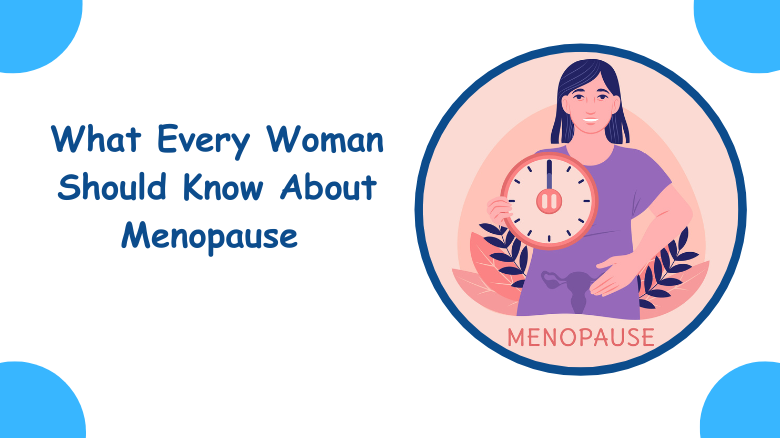
Menopause Symptoms Explained: What Every Woman Should Expect
Menopause is a normal biological stage of life, but the experience can be very different from one woman to another. Some women notice only changes in their menstrual cycle, while others experience hot flashes, night sweats, sleep disruption, mood changes, vaginal dryness, reduced sexual desire, brain fog, joint discomfort, or changes in weight and body composition.
Understanding menopause symptoms matters because many of these changes can begin years before the final menstrual period. At the same time, not every new symptom in your 40s or 50s should automatically be blamed on menopause. Thyroid disorders, anemia, depression, medication side effects, sleep disorders and other health conditions can cause similar symptoms.
The average age of menopause in the United States is about 52, although the menopausal transition commonly begins between ages 45 and 55 and can continue for several years. Menopause itself is reached only after 12 consecutive months without a menstrual period, assuming there is no other explanation for the absence of periods.
This guide explains what menopause symptoms can look like, why they happen, which changes are considered typical, when symptoms require medical attention, and what treatment options may be available.
What Is Menopause?
Menopause marks the end of menstrual periods and the natural end of reproductive fertility. It occurs because ovarian activity declines and levels of hormones such as estrogen and progesterone fall.
It is useful to distinguish three related stages:
Perimenopause
Perimenopause is the transition leading up to menopause. It can begin several years before the final menstrual period.
During this stage, hormone levels fluctuate rather than simply declining in a straight line. This is why symptoms can be unpredictable. You may have a few months with relatively normal periods followed by a shorter or longer cycle, heavier bleeding, hot flashes or sleep problems.
Menopause
Menopause is not a single day when symptoms suddenly begin. Clinically, it is identified retrospectively after a woman has gone 12 months without a menstrual period and there is no other cause for the absence of menstruation.
Postmenopause
Postmenopause refers to the years after menopause. Some symptoms improve considerably after the transition, while others, such as vaginal dryness or changes in bone health, may continue.
The NHS notes that menopause and perimenopause symptoms can last for 7 to 9 years in some women and may last longer, although the timing and severity vary substantially.
If your website already has an article about [irregular periods and when to see a doctor], this is an ideal internal-link opportunity because menstrual changes are often one of the earliest signs of the menopausal transition.
When Do Menopause Symptoms Usually Start?
Many women associate menopause exclusively with their 50s, but symptoms can begin earlier.
Most women begin the menopausal transition between ages 45 and 55. The average age of menopause in the United States is approximately 52.
However, age alone does not determine whether symptoms are caused by menopause.
A woman in her early 40s with new hot flashes, irregular periods and sleep problems may be experiencing early menopause, while another woman of the same age may have symptoms caused by another condition.
Menopause occurring before age 45 is generally considered early menopause. When menopause occurs before age 40, it is considered premature menopause or premature ovarian insufficiency, depending on the clinical situation.
This distinction is important because earlier loss of ovarian hormone production can have implications for bone health, cardiovascular health and reproductive planning.
The Most Common Menopause Symptoms
There is no single menopause symptom checklist that every woman will experience. Symptoms can range from barely noticeable to disruptive enough to affect work, relationships, exercise, sleep and mental wellbeing.
The NHS lists changes in periods, hot flushes, night sweats, sleep problems, mood changes, memory problems, vaginal symptoms, urinary symptoms, reduced libido, headaches, joint and muscle pain, hair changes and skin changes among possible symptoms.
Here is what those symptoms can actually feel like in everyday life.
1. Irregular or Changing Periods
For many women, menstrual changes are among the earliest signs of perimenopause.
Your periods may become:
- More frequent
- Less frequent
- Heavier
- Lighter
- Longer
- Shorter
- Unpredictable
You may also skip a period and then have another one several weeks later.
This happens because ovulation becomes less predictable as ovarian function changes.
A changing menstrual pattern does not automatically mean menopause. Pregnancy, thyroid disorders, significant weight changes, stress, certain medications and other hormonal conditions can also alter menstrual cycles.
If your website has a service page for gynecology consultations or menstrual health assessments, this section provides a natural internal-link opportunity. A related article on abnormal uterine bleeding can also help readers understand when changes are more concerning than typical perimenopausal irregularity.
2. Hot Flashes and Night Sweats
Hot flashes are one of the symptoms most strongly associated with menopause.
A hot flash can cause a sudden sensation of heat, particularly around the face, neck and chest. Sweating, anxiety, dizziness or a noticeable heartbeat may occur at the same time. At night, these episodes are commonly called night sweats.
For some women, hot flashes are mild and occasional. For others, they can happen repeatedly during the day or interrupt sleep several times during the night.
The underlying mechanism is related to changes in the brain’s temperature-regulation system as estrogen levels fluctuate and decline.
This symptom can have secondary consequences. Repeated night sweats may cause sleep deprivation, which can then contribute to irritability, difficulty concentrating, daytime fatigue and reduced productivity.
If a woman experiences severe or new episodes of sweating accompanied by chest pain, fainting, severe shortness of breath or other alarming symptoms, she should not automatically assume they are menopause symptoms.
3. Sleep Problems
Menopause can affect sleep directly and indirectly.
Some women struggle to fall asleep. Others wake repeatedly during the night or wake earlier than usual.
Night sweats can obviously interrupt sleep, but sleep disruption can occur even without significant sweating.
Poor sleep can then amplify other menopause symptoms. After several nights of inadequate rest, a woman may notice:
- Reduced concentration
- Memory difficulties
- Irritability
- Anxiety
- Daytime fatigue
- Reduced motivation
- Lower tolerance for stress
NICHD notes that sleep difficulties during menopause can contribute to fatigue, low energy and memory problems.
This creates an important SEO and patient-education content cluster. A menopause article can naturally link to existing website content about sleep disorders, insomnia, stress management or women’s mental health.
4. Brain Fog, Memory and Concentration Changes
“Brain fog” is a common phrase women use to describe difficulty concentrating, forgetfulness or feeling mentally less sharp.
You may find yourself:
- Forgetting names or appointments
- Losing your train of thought
- Struggling to concentrate during meetings
- Needing more time to complete familiar tasks
- Forgetting why you entered a room
- Finding multitasking more difficult
Hormonal changes may contribute, but sleep disruption, stress, anxiety and aging can also influence memory and concentration.
Importantly, occasional forgetfulness is not the same thing as significant cognitive impairment. Severe or rapidly worsening memory problems deserve medical evaluation rather than being automatically attributed to menopause.
5. Mood Changes, Anxiety and Irritability
Hormonal fluctuations can coincide with changes in mood.
A woman may notice increased irritability, emotional sensitivity, anxiety or periods of low mood. The experience can become particularly difficult when several symptoms occur together.
For example, irregular periods may create uncertainty, night sweats may reduce sleep quality, and sleep deprivation may increase irritability. Work pressures, family responsibilities and other life changes occurring during midlife can add another layer.
NICHD notes that mood changes such as irritability and anxiety can occur during menopause and may also be influenced by lifestyle and circumstances common during this stage of life.
Persistent depression, severe anxiety, panic attacks or thoughts of self-harm should never be dismissed as “just menopause.” Those symptoms require appropriate medical or mental-health support.
6. Vaginal Dryness and Genitourinary Symptoms
Lower estrogen levels can affect tissues of the vagina and urinary tract.
Women may experience:
- Vaginal dryness
- Burning or irritation
- Itching
- Pain during sex
- Reduced sexual comfort
- Increased urinary frequency
- Burning during urination
- Recurrent urinary tract infections
- Urinary leakage
The NHS includes vaginal dryness, painful sex and increased urinary symptoms among possible menopause-related changes.
These symptoms can be particularly underreported because some women feel uncomfortable discussing them.
That makes this topic an important E-E-A-T opportunity for a healthcare website. Clear, medically reviewed information about vaginal health can answer questions women may hesitate to ask during an appointment.
A website’s gynecology service page, women’s wellness service or pelvic-health page can be internally linked here.
7. Changes in Sexual Desire
Sexual desire can increase, decrease or remain unchanged during menopause.
There is no universal “normal” libido during menopause.
Reduced sexual interest can be influenced by hormonal changes, vaginal dryness, pain during sex, fatigue, sleep problems, relationship factors, anxiety, medications and general health.
It is therefore more useful to treat reduced libido as a symptom worth discussing rather than assuming that menopause inevitably causes loss of sexual interest.
If sex has become painful, addressing vaginal and pelvic symptoms may improve sexual wellbeing even if hormone levels themselves are not the only factor.
8. Weight Gain and Changes in Body Composition
Many women notice changes in body shape during the menopausal transition.
Weight may become easier to gain, particularly around the abdomen, although menopause is not the only explanation for midlife weight changes.
Age-related changes in muscle mass, physical activity, sleep, diet, stress and metabolic health can all contribute.
NIA explains that during the menopausal transition the body begins to use energy differently, while fat distribution and body composition can change.
This is an important distinction for responsible medical content. A good menopause article should avoid claiming that every case of abdominal weight gain is caused by hormones.
Instead, readers should understand that menopause can be one factor within a broader change in metabolism and body composition.
9. Headaches and Migraines
Hormonal fluctuations can influence headaches and migraines.
Some women notice that their migraines become more frequent or severe during perimenopause, particularly when estrogen levels fluctuate substantially.
If headaches are new, unusually severe or accompanied by neurological symptoms such as weakness, confusion, vision loss or difficulty speaking, they should be medically assessed rather than assumed to be hormonal.
10. Joint and Muscle Pain
Joint stiffness and muscle aches can become more noticeable around menopause.
The NHS lists muscle aches and joint pains among possible menopause symptoms.
However, joint pain has many possible causes, including osteoarthritis, inflammatory arthritis, injuries, vitamin deficiencies and other medical conditions.
A useful healthcare article should therefore explain the association without suggesting that menopause is the only possible diagnosis.
11. Hair and Skin Changes
Hormonal changes can affect the skin and hair.
Women may notice:
- Drier skin
- Itchy skin
- Changes in skin texture
- Hair thinning
- Increased hair shedding
- Changes in facial or body hair
These changes can affect confidence as much as physical comfort.
If a healthcare website offers dermatology, nutritional, endocrine or women’s health services, appropriate internal links can help readers move from symptom education to professional assessment.
12. Heart Palpitations
Some women notice a faster, stronger or more noticeable heartbeat during perimenopause.
The NHS includes palpitations among possible menopause and perimenopause symptoms.
However, palpitations can also be caused by anemia, thyroid disorders, arrhythmias, medication, dehydration, anxiety and other conditions.
For that reason, persistent or concerning palpitations should be discussed with a healthcare professional.
Chest pain, fainting, severe shortness of breath or sustained rapid heartbeat requires urgent medical assessment.
Why Menopause Affects More Than Your Periods
Menopause is often described as a reproductive event, but declining estrogen can influence multiple systems in the body.
One of the most important long-term considerations is bone health.
NIA notes that women can lose bone mass relatively quickly around menopause. Low estrogen is one factor associated with osteoporosis, while other factors include physical inactivity, smoking, heavy alcohol use, low body weight and certain medications.
Heart health is another important consideration.
After menopause, cardiovascular risk increases as age-related and hormonal changes occur. NHLBI notes that women’s risk of heart disease increases after menopause and that estrogen provides some protection before menopause.
Cholesterol patterns can also change. NHLBI reports that after menopause, total and LDL cholesterol generally increase while HDL cholesterol can decrease.
This does not mean menopause directly causes heart disease in every woman. Instead, menopause occurs during a life stage when several cardiovascular risk factors may change at the same time.
That is why a comprehensive menopause consultation can be more useful than treating hot flashes in isolation.
How Menopause Is Diagnosed
In many women over 45, menopause and perimenopause can be identified from symptoms and menstrual history rather than a large panel of hormone tests.
The NHS states that there is no routine test for perimenopause and menopause. A healthcare professional may consider age, symptoms and menstrual changes when making an assessment.
Blood testing may sometimes be appropriate, particularly when menopause occurs unusually early or when another condition needs to be investigated.
This is an important area where health websites should avoid SEO-driven overpromises such as “one hormone test can tell you exactly where you are in menopause.”
Hormone levels fluctuate significantly during perimenopause, so a single measurement may not provide a complete picture.
What Can Help Manage Menopause Symptoms?
Treatment should be individualized according to symptoms, age, health history, personal preferences and risk factors.
Some women have mild symptoms that require little or no medical treatment. Others need a structured treatment plan.
Lifestyle Strategies
Lifestyle measures can support overall health and may help manage certain symptoms.
Regular physical activity can support cardiovascular health, muscle strength and bone health. Adequate sleep, a balanced diet, maintaining a healthy weight, avoiding tobacco and moderating alcohol are also important components of midlife health.
For women experiencing hot flashes, identifying personal triggers may help. Some women notice that heat, alcohol, caffeine, spicy foods or stress make symptoms worse, although triggers differ between individuals.
Lifestyle changes should complement—not replace—medical evaluation when symptoms are severe.
Menopausal Hormone Therapy
Menopausal hormone therapy, sometimes called hormone replacement therapy or HRT, can be highly effective for certain menopause symptoms.
It may help relieve symptoms such as hot flashes, night sweats and vaginal symptoms and can also help prevent bone loss.
However, hormone therapy is not appropriate for everyone.
The risks and benefits depend on factors such as age, time since menopause, medical history, type of hormone used, dose, route of administration and whether the woman has a uterus.
Large studies, including the Women’s Health Initiative, established that particular hormone therapy regimens can increase risks including blood clots, stroke and breast cancer in some groups.
At the same time, current clinical thinking emphasizes individualized risk assessment rather than treating all hormone therapy as identical. Recent cardiovascular literature highlights that cardiovascular effects vary according to factors including age, time since menopause and the formulation and route of hormone therapy.
Therefore, women should discuss the potential benefits and risks with a qualified healthcare professional rather than starting, stopping or changing hormone therapy based solely on an online article.
Non-Hormonal Treatment Options
Hormone therapy is not the only approach.
Depending on the symptom and medical history, clinicians may recommend non-hormonal medications, vaginal treatments, behavioral approaches or other targeted interventions.
For example, treatment for vaginal symptoms may differ substantially from treatment for hot flashes or sleep disturbance.
This is another useful internal-linking opportunity. A healthcare website can connect this article to dedicated pages about:
- Menopause treatment
- HRT consultations
- Vaginal dryness treatment
- Women’s wellness services
- Gynecology consultations
- Bone health assessments
- Cardiovascular screening
- Mental health support
Such contextual links are more useful than adding a generic “read more” section because they connect a symptom to a relevant next step.
When Should You See a Doctor About Menopause Symptoms?
You should consider speaking with a healthcare professional if symptoms are interfering with sleep, work, relationships, sexual health, exercise or daily activities.
You should also seek medical advice when menstrual bleeding becomes significantly heavier or otherwise unusual.
Postmenopausal bleeding deserves particular attention. If you have gone at least 12 months without a period and then experience vaginal bleeding—even light spotting—it should be assessed. The NHS specifically advises medical evaluation for postmenopausal bleeding because, although it is often not serious, it can sometimes be associated with cancer.
Women younger than 45 who develop symptoms suggesting menopause should also seek medical advice because early or premature menopause may require additional assessment and management.
A healthcare professional may also investigate symptoms that do not fit a typical menopause pattern.
How to Make This Article More Authoritative Over Time
Medical content should not be treated as a publish-once SEO asset.
Menopause guidance evolves as research develops, particularly around hormone therapy, cardiovascular risk and non-hormonal treatments.
The page should therefore have a visible “last medically reviewed” date and be periodically checked against current guidance.
References should prioritize high-quality sources such as government health agencies, major medical organizations, peer-reviewed research and established clinical societies.
For example, this article draws on current information from the National Institute on Aging, NIH/NICHD, NHLBI, NHS and The Menopause Society.
That source mix supports E-E-A-T while giving search engines and LLMs clearer evidence that the article is grounded in established medical information.
The Most Important Thing to Remember About Menopause
Menopause is not one symptom and it is not the same experience for every woman.
One woman may primarily experience irregular periods and hot flashes. Another may struggle most with insomnia and anxiety. Someone else may have significant vaginal symptoms while experiencing very few hot flashes.
The transition also has implications beyond immediate symptoms. Changes in estrogen are associated with changes in bone density, body composition and cardiovascular risk factors, which is why midlife healthcare should include more than simply treating hot flashes.
The right approach is to understand what is happening, identify which symptoms are actually affecting quality of life, rule out other possible medical causes and discuss appropriate treatment options with a qualified healthcare professional.
Menopause is a natural stage of life—but that does not mean women have to silently tolerate symptoms that are disrupting their health or daily life.
Frequently Asked Questions About Menopause Symptoms
What is the first sign of menopause?
A change in menstrual pattern is often one of the earliest signs of perimenopause. Periods may become irregular, heavier, lighter, shorter or longer. Hot flashes and sleep problems may also appear during the transition.
What are the most common symptoms of menopause?
Common symptoms include irregular periods, hot flashes, night sweats, sleep problems, mood changes, brain fog, vaginal dryness, urinary symptoms, reduced libido, headaches, joint and muscle pain, weight or body-composition changes and skin or hair changes. Not every woman experiences all of these symptoms.
What age does menopause usually start?
Most women begin the menopausal transition between 45 and 55. The average age of menopause in the United States is approximately 52. However, menopause can occur earlier.
How do you know when you have officially reached menopause?
Menopause is confirmed retrospectively after 12 consecutive months without a menstrual period, provided there is no other explanation for the absence of periods.
Can menopause cause anxiety?
Anxiety and mood changes can occur during perimenopause and menopause. Hormonal changes, sleep disruption and other midlife stressors can contribute. Persistent or severe anxiety should be discussed with a healthcare professional rather than automatically attributed to menopause.
Does menopause cause weight gain?
Weight gain and changes in body-fat distribution are common during midlife and may be influenced by menopause-related hormonal changes, aging, reduced activity, sleep disruption and metabolic factors. Menopause is one possible contributor rather than the sole explanation for every case.
Can menopause cause vaginal dryness?
Yes. Lower estrogen levels can contribute to vaginal dryness, irritation, burning and painful sex. Urinary symptoms can also become more common. Treatment options are available, so women do not necessarily have to live with these symptoms.
Can menopause affect bone health?
Yes. Bone loss can accelerate around menopause because lower estrogen levels contribute to reduced bone density. Other factors such as smoking, low body weight, physical inactivity, heavy alcohol use and certain medications can also affect osteoporosis risk.
Does menopause increase heart disease risk?
Cardiovascular risk increases after menopause as hormonal, metabolic and age-related factors change. Cholesterol patterns can also shift after menopause. This is one reason midlife cardiovascular risk assessment is important.
Is hormone replacement therapy safe?
Hormone therapy can be an effective treatment for appropriate patients, but it is not risk-free or suitable for everyone. Benefits and risks depend on factors including age, time since menopause, medical history, formulation and route of administration. A healthcare professional should help determine whether it is appropriate.
Can you still get pregnant during perimenopause?
Yes. Ovulation can still occur during perimenopause even when periods become irregular. Women who do not want pregnancy should continue using appropriate contraception until menopause has been established.
Is bleeding after menopause normal?
No. Vaginal bleeding after 12 months without a period should be medically assessed, even if it is only light spotting. Although postmenopausal bleeding is often caused by non-cancerous conditions, it can sometimes be an early sign of cancer.
When should I see a doctor about menopause symptoms?
Consider speaking with a healthcare professional if symptoms are interfering with sleep, work, relationships, sexual health or everyday activities; if bleeding becomes unusually heavy; if menopause-like symptoms occur before age 45; or if you develop postmenopausal bleeding or symptoms that seem unusual or severe.
Can menopause symptoms last for years?
Yes. The duration varies considerably. The NHS reports that symptoms commonly last 7 to 9 years, sometimes longer, while NIA notes that the menopausal transition and related symptoms can vary substantially between women.
Medical Disclaimer
This article is intended for general educational purposes and should not replace an individual medical assessment, diagnosis or treatment plan. Menopause symptoms can overlap with other medical conditions. Women experiencing new, severe, persistent or concerning symptoms should speak with a qualified healthcare professional.