
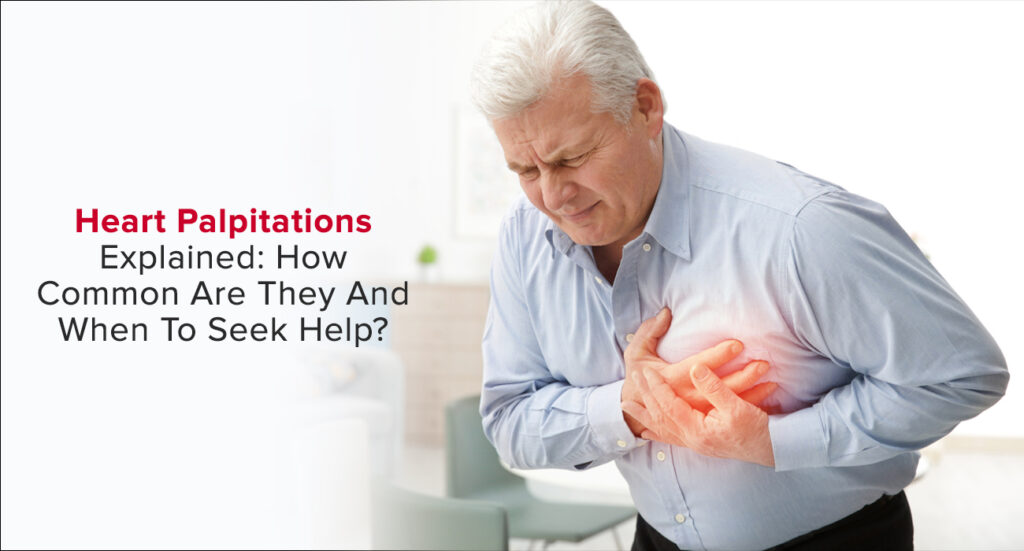
Heart Palpitations: Common Causes and When to Seek Medical Care
Have you ever felt your heart suddenly race while sitting quietly, flutter unexpectedly after drinking coffee, or pound noticeably when lying in bed? These sensations are known as heart palpitations. They can last a few seconds or continue for several minutes, and they may occur during physical activity, emotional stress, or periods of rest.
Heart palpitations describe the sensation of an unusually noticeable heartbeat. A person might feel a racing pulse, a skipped beat, a fluttering sensation in the chest, or a forceful heartbeat that seems stronger than normal. Sometimes the cause is a temporary trigger, such as caffeine, anxiety, dehydration, or strenuous exercise. In other cases, palpitations may be associated with anemia, thyroid disorders, medication effects, or a heart rhythm abnormality called an arrhythmia.
According to the NHS, palpitations are often harmless, but certain accompanying symptoms require immediate medical attention. The important distinction is not simply how strongly the heart beats, but whether the symptoms are new, persistent, recurrent, or associated with signs that may indicate a more serious condition.
Understanding the common causes of heart palpitations can help you identify potential triggers and communicate more effectively with a healthcare professional. It can also help you recognize when monitoring symptoms is reasonable and when professional assessment should not be delayed.
This guide explores the causes of heart palpitations, their relationship with stress and caffeine, symptoms that may indicate an underlying heart condition, available diagnostic tests, treatment approaches, and practical steps for protecting cardiovascular health.
What Are Heart Palpitations?
Heart palpitations are sensations in which you become unusually aware of your heartbeat. Your heart may feel as though it is racing, pounding, fluttering, skipping beats, or beating irregularly.
These sensations can occur in the chest, throat, or neck. Some people notice them after climbing stairs, exercising, consuming caffeine, or experiencing a stressful situation. Others experience palpitations while sitting quietly or trying to fall asleep.
Palpitations are a symptom rather than a diagnosis. They do not automatically mean that the heart is damaged or that an abnormal rhythm is present. Sometimes the heart is beating normally but feels more noticeable because of stress, body position, or increased awareness of bodily sensations.
In other cases, premature heartbeats or an arrhythmia may be responsible. Premature beats occur earlier than expected in the normal heartbeat sequence. The pause that can follow may make the next heartbeat feel unusually forceful.
According to MedlinePlus, a resting heart rate of 60 to 100 beats per minute is typical for many adults. However, this range is not a universal diagnostic rule. Physical fitness, medications, age, illness, and individual circumstances can influence heart rate.
A person with a resting pulse outside this range does not necessarily have a dangerous heart condition, just as a person with a pulse inside the range is not automatically free of heart disease. Symptoms and clinical context matter.
Sources: MedlinePlus, Heart Palpitations, and the NHS, Heart Palpitations.
What Do Heart Palpitations Feel Like?
The experience of palpitations differs from person to person. Some people notice a sudden burst of rapid heartbeats, while others describe a single skipped beat followed by a strong thump.
Common descriptions include a racing heartbeat, fluttering in the chest, pounding in the throat, an irregular pulse, or a feeling that the heart briefly pauses. Episodes may begin and end gradually or occur suddenly.
The circumstances surrounding an episode can offer useful clues. For example, a noticeable heartbeat after vigorous exercise may reflect the normal cardiovascular response to exertion. Symptoms after consuming several caffeinated drinks may suggest a possible stimulant-related trigger.
By contrast, recurrent episodes that begin and stop abruptly may warrant assessment for an intermittent rhythm disorder. Palpitations accompanied by fainting, unusual breathlessness, or chest discomfort deserve particular attention.
These patterns cannot establish a diagnosis on their own. An episode that lasts only a few seconds is not necessarily harmless, and a prolonged episode does not automatically indicate a dangerous condition. Medical assessment depends on the complete pattern of symptoms and the person’s health history.
Common Causes of Heart Palpitations
Heart palpitations can result from everyday habits, temporary changes in the body’s stress response, medication effects, or underlying medical conditions. Identifying the likely cause requires considering when symptoms occur, how frequently they return, and whether other symptoms are present.
1. Stress, Anxiety, and Panic Attacks
Stress and anxiety are common triggers of heart palpitations. When the body responds to a perceived threat, it activates physiological processes that prepare it for action. Adrenaline and related stress responses can increase heart rate and make the heartbeat feel stronger.
This can happen during a difficult conversation, before an examination, during a work deadline, or when worrying about a health problem. During a panic attack, palpitations may occur alongside sweating, trembling, rapid breathing, chest discomfort, and intense fear.
Anxiety-related palpitations can feel similar to those caused by a physical heart condition. Therefore, new or unexplained symptoms should not automatically be attributed to stress.
Once a healthcare professional has appropriately assessed the symptoms, stress-management strategies may help. These can include regular sleep, relaxation techniques, psychological support, and evidence-based treatment for an anxiety disorder when indicated.
2. Caffeine, Nicotine, and Alcohol
Caffeine, nicotine, alcohol, and certain recreational substances can trigger palpitations in susceptible people. Coffee, energy drinks, strong tea, nicotine products, and stimulant-containing supplements may increase heart rate or make the heartbeat more noticeable.
Sensitivity varies. One person may tolerate a moderate amount of caffeine without symptoms, while another may notice palpitations after a smaller quantity. The caffeine content of energy drinks and supplements can also vary considerably.
Alcohol is another potential trigger. Some people notice palpitations after drinking, particularly following heavy consumption. Alcohol-related dehydration, sleep disruption, and changes in cardiovascular activity may also contribute.
If you suspect a substance is responsible, record what you consumed, the approximate amount, and when the symptoms began. Reducing the suspected trigger may help identify a pattern, but persistent or severe palpitations still require medical assessment.
Source: NHS, Heart Palpitations.
3. Physical Activity and Dehydration
During exercise, the heart pumps more blood to supply working muscles with oxygen. As exercise intensity increases, the heart rate generally rises. This is a normal physiological response.
However, palpitations may become more noticeable during intense exercise, especially in people who are not accustomed to that level of activity. Dehydration can also contribute by reducing circulating fluid volume and, in some circumstances, affecting electrolyte balance.
Electrolytes such as potassium and magnesium play important roles in electrical signalling throughout the body. Significant abnormalities can affect heart rhythm, but symptoms alone cannot establish whether an electrolyte imbalance is present.
If palpitations repeatedly occur during exercise, begin suddenly at high intensity, or are accompanied by chest pain, unusual breathlessness, dizziness, or near-fainting, stop exercising and seek medical assessment. If severe warning symptoms occur, seek emergency care.
4. Lack of Sleep and Fatigue
Poor sleep can contribute to stress, changes in autonomic nervous system activity, and increased awareness of bodily sensations. Some people notice palpitations after several nights of insufficient sleep or during periods of prolonged fatigue.
Sleep deprivation can also coincide with other triggers, including increased caffeine consumption, dehydration, and anxiety. Together, these factors can make it difficult to identify the main cause.
Maintaining a consistent sleep schedule, limiting late-day caffeine, and addressing persistent insomnia may help reduce episodes when sleep disruption is contributing.
However, recurring palpitations should not automatically be attributed to tiredness. If the episodes are new, unexplained, or accompanied by other symptoms, arrange a medical assessment.
5. Hormonal Changes and Pregnancy
Hormonal changes during pregnancy and menopause can coincide with palpitations.
During pregnancy, blood volume and circulation change, and the heart generally works harder to support the pregnant person and the developing baby. Some people notice a faster or more forceful heartbeat as a result.
Palpitations during pregnancy are not necessarily dangerous, but new, persistent, or concerning symptoms should be discussed with a healthcare professional. A clinician can determine whether the symptoms are consistent with physiological changes or whether further investigation is needed.
During menopause, palpitations may occur alongside hot flashes, sleep disturbances, and anxiety. However, thyroid disorders, anemia, and heart rhythm abnormalities can produce similar symptoms.
Pregnant people experiencing palpitations with chest pain, severe breathlessness, fainting, or significant dizziness should seek urgent medical care rather than assuming that hormonal changes are responsible.
6. Medication and Supplement Side Effects
Certain prescription medicines, over-the-counter products, and supplements can contribute to heart palpitations. Examples include some decongestants, stimulant-containing weight-loss products, certain asthma medicines, thyroid medication, and other drugs that affect heart rate or electrical activity.
The effect depends on the specific medicine, dosage, underlying health conditions, and possible interactions with other substances.
If palpitations begin after starting a medication, changing a dose, or adding a supplement, contact your prescriber or pharmacist. Provide a complete list of the medicines, vitamins, herbal products, and non-prescription treatments you use.
Do not stop a prescribed medication or change its dosage without professional advice unless emergency clinicians instruct you to do so.
7. Anemia and Thyroid Disorders
Some medical conditions outside the heart can cause palpitations.
Anemia, including iron-deficiency anemia, reduces the blood’s oxygen-carrying capacity when hemoglobin levels are low. The heart may compensate by beating faster, particularly during physical activity. Other symptoms can include fatigue, weakness, dizziness, pale skin, and breathlessness.
An overactive thyroid, known as hyperthyroidism, can increase the body’s metabolic activity and cause a fast heartbeat, tremor, sweating, heat intolerance, and unexplained weight loss.
Low blood sugar may also cause a racing heartbeat, sweating, and shakiness, particularly in people taking medicines that lower glucose.
When these conditions are suspected, a clinician may recommend blood tests to assess blood counts, thyroid function, glucose, or electrolytes. The appropriate treatment depends on identifying and addressing the underlying cause rather than treating palpitations in isolation.
8. Heart Rhythm Disorders
Arrhythmias are abnormalities in the speed or regularity of the heartbeat. Some are relatively benign, while others may require prompt treatment because they can interfere with the heart’s ability to pump blood effectively.
Examples include atrial fibrillation, supraventricular tachycardia, and certain ventricular arrhythmias.
Atrial fibrillation can cause an irregular heartbeat and may require treatment to manage symptoms and reduce the risk of complications, including stroke. Supraventricular tachycardia can cause episodes of a very rapid heartbeat that begin and end abruptly.
Some ventricular arrhythmias can be dangerous, particularly in people with underlying heart disease. Not every episode of palpitations indicates an arrhythmia, and not every arrhythmia causes noticeable symptoms.
An electrocardiogram and, when necessary, longer-term heart rhythm monitoring can help determine whether an abnormal rhythm is present.
Source: NHS, Arrhythmia.
When Should You Seek Medical Care for Heart Palpitations?
The urgency of medical care depends on accompanying symptoms, the pattern and duration of the episodes, and your medical history.
Warning Signs That Require Emergency Care
Seek emergency medical care immediately if palpitations occur with chest pain or pressure, difficulty breathing, fainting, or a feeling that you are about to lose consciousness. Severe dizziness, unusual sweating, or significant weakness may also be concerning when they occur with a racing or irregular heartbeat.
If these symptoms are happening now, do not wait for them to disappear or attempt to diagnose yourself online. Do not drive yourself if you may be experiencing a medical emergency.
If the palpitations and warning symptoms have stopped, you should still seek urgent medical advice. The disappearance of symptoms does not necessarily mean the underlying cause is harmless.
Sources: NHS, Heart Palpitations, and Mayo Clinic, Heart Palpitations in Adults.
When to Schedule a Medical Appointment
Arrange a medical appointment if palpitations keep returning, become more frequent, last longer than usual, or interfere with everyday activities.
Assessment is particularly important if you have a known heart condition, a family history of significant heart rhythm problems, or other cardiovascular risk factors. New palpitations that begin after a medication change or repeatedly occur during exercise should also be discussed with a healthcare professional.
A clinician can review your symptoms, examine you, and determine whether an electrocardiogram, blood tests, or a heart rhythm monitor is appropriate.
Even when episodes are brief, keeping a record of their timing and associated symptoms can help guide the evaluation.
When Occasional Palpitations May Be Less Concerning
A brief episode following a clear trigger, such as strenuous exercise or excess caffeine, that settles without other symptoms may be less concerning than persistent or unexplained palpitations.
Nevertheless, no symptom pattern can guarantee that an episode is harmless. If palpitations are new, recurrent, or worrying, seek medical advice instead of relying solely on a suspected trigger.
How Are Heart Palpitations Diagnosed?
Diagnosing palpitations involves determining whether the sensation reflects a normal heartbeat, occasional premature beats, or an underlying rhythm or medical disorder.
Medical History and Physical Examination
A clinician will usually ask when the palpitations began, how long they last, how often they occur, and whether they start or stop suddenly. They may ask whether the heartbeat feels regular or irregular and whether symptoms occur during exercise, rest, sleep, or emotional stress.
You may also be asked about caffeine, alcohol, nicotine, medications, supplements, recent illness, pregnancy, and family history. A physical examination may include checking your pulse and blood pressure and listening to your heart and lungs.
Keeping a symptom diary can make this discussion more useful. Record the time of each episode, its approximate duration, what you were doing, possible triggers, and any accompanying symptoms.
Electrocardiogram (ECG)
An electrocardiogram, commonly called an ECG or EKG, records the heart’s electrical activity using electrodes placed on the skin. It can help identify an abnormal rhythm, a conduction problem, or other electrical patterns that may explain palpitations.
A standard ECG captures only a short period of heart activity. If symptoms are intermittent, the rhythm may appear normal during the test even if an abnormal rhythm occurs at other times.
For this reason, a normal ECG does not always rule out an intermittent arrhythmia.
Holter and Event Monitors
A Holter monitor records heart rhythm continuously, often over 24 to 48 hours, although the recommended monitoring period varies. It can be useful when symptoms occur frequently enough to be captured during the recording.
An event monitor or another longer-term wearable ECG device may be recommended when episodes happen less often. Some devices record continuously, while others allow the user to mark symptoms or capture selected events.
The clinician chooses the monitoring method according to symptom frequency and the suspected condition.
Blood Tests and Additional Investigations
Depending on the clinical picture, blood tests may assess anemia, thyroid function, electrolytes, kidney function, or glucose levels.
An echocardiogram uses ultrasound to examine the heart’s structure and pumping function. It may be recommended when structural heart disease is suspected. Exercise testing may be appropriate when symptoms are associated with physical exertion.
Not everyone needs every test. Investigations should be selected according to symptoms, examination findings, medical history, and initial test results.
How Are Heart Palpitations Treated?
Treatment depends on the underlying cause. Occasional palpitations associated with a temporary trigger may not require medication or a procedure, while symptoms caused by an underlying medical condition may need specific treatment.
If caffeine, nicotine, alcohol, or another substance appears to trigger symptoms, reducing exposure may help. If dehydration contributes, a clinician may recommend appropriate fluid intake, taking account of any medical conditions that require fluid restriction.
When palpitations are associated with anemia or thyroid disease, treatment focuses on correcting the underlying problem. Medication-related symptoms may require a review of the dose, alternative treatments, or assessment of possible drug interactions.
If an arrhythmia is diagnosed, management depends on its type, severity, and associated risks. Options may include medication, specific manoeuvres for selected rhythm disorders under appropriate clinical guidance, catheter ablation, or other specialist treatments.
For some people with atrial fibrillation, treatment may also involve assessing stroke risk and deciding whether anticoagulant medication is appropriate. This decision must be individualized by a qualified clinician.
It is important not to take heart medication, potassium supplements, or other treatments simply because palpitations occur. The wrong treatment can be harmful, and symptom relief alone does not establish the cause.
How to Reduce the Risk of Recurring Heart Palpitations
Although not every cause is preventable, practical changes may help reduce episodes in people whose symptoms are associated with lifestyle triggers.
Identify and Manage Personal Triggers
Pay attention to whether palpitations occur after caffeine, energy drinks, alcohol, nicotine, particular medications, or periods of emotional stress. A diary can help identify patterns more reliably than memory alone.
If a trigger seems likely, try a reasonable change and monitor whether the episodes improve. Persistent symptoms should still be assessed, even if a possible trigger has been identified.
Prioritize Sleep and Stress Management
A consistent sleep schedule, relaxation exercises, and appropriate support for anxiety may reduce symptoms associated with stress and fatigue.
Slow, comfortable breathing can help some people manage stress-related symptoms, but it should never replace emergency care when warning signs are present. If anxiety is persistent or affects daily life, a healthcare professional can discuss evidence-based treatment options.
Stay Hydrated and Exercise Appropriately
Maintain adequate hydration, particularly in hot weather or during physical activity, unless your clinician has advised fluid restriction.
Increase exercise gradually and seek medical advice if palpitations repeatedly occur during exertion. Regular physical activity supports cardiovascular health, but people with unexplained exercise-related palpitations should be assessed before pushing through symptoms.
Review Medicines and Maintain Routine Health Checks
Ask a clinician or pharmacist to review medicines and supplements if symptoms begin after a treatment change. Do not assume that an over-the-counter cold remedy or herbal supplement cannot affect heart rate.
Routine healthcare can also help identify conditions such as high blood pressure, thyroid disorders, and anemia when appropriate. Early assessment may make it easier to identify treatable causes of recurring symptoms.
Heart Palpitations at Night: Why Do They Happen?
Palpitations can feel more noticeable at night because the environment is quieter and there are fewer distractions. When lying in bed, people may become more aware of sensations they barely notice during daytime activities.
Body position can influence how strongly some people perceive their heartbeat. Other possible contributors include late-day caffeine, alcohol, stress, lack of sleep, and anxiety.
However, nighttime palpitations are not always caused by increased awareness. Recurrent episodes may be associated with premature beats, an arrhythmia, or another medical condition.
If palpitations repeatedly wake you from sleep, last longer than usual, or are associated with dizziness or breathlessness, arrange a medical assessment. Seek emergency care for chest pain, difficulty breathing, or fainting.
Heart Palpitations During Exercise: When Should You Be Concerned?
An increased heart rate during exercise is normal. The heart must circulate more blood to supply the muscles, and its rate generally rises as exercise intensity increases.
The concern is not simply that the heart beats faster, but how the symptoms develop and what accompanies them. A sudden racing heartbeat, repeated episodes during exertion, or palpitations associated with chest discomfort, unusual breathlessness, dizziness, or fainting should not be ignored.
If severe symptoms occur, stop exercising and seek emergency care. If episodes recur without emergency symptoms, arrange a medical assessment before continuing strenuous activity.
A clinician may recommend an ECG, a wearable rhythm monitor, or an exercise stress test depending on the circumstances.
Conclusion
Heart palpitations can result from stress, caffeine, dehydration, exercise, hormonal changes, medication effects, or medical conditions such as anemia, thyroid disorders, and arrhythmias. Many episodes are temporary and do not indicate a serious problem, but it is not possible to identify the cause from the sensation alone.
The most important step is to recognize when medical care is needed. Palpitations accompanied by chest pain, difficulty breathing, or fainting require emergency assessment. New, recurring, worsening, or unexplained symptoms should be discussed with a healthcare professional.
A symptom diary, a review of potential triggers, appropriate sleep and hydration, and medical evaluation when needed can help people understand their symptoms and make informed decisions about heart health.
Reliable information is valuable, but it cannot replace an individualized assessment. If you are concerned about your heartbeat, contact a qualified healthcare professional rather than attempting to establish a diagnosis yourself.
Frequently Asked Questions
1. What is the most common cause of heart palpitations?
Common triggers include stress, anxiety, caffeine, strenuous exercise, alcohol, nicotine, and lack of sleep. However, palpitations can also result from anemia, thyroid disorders, medication effects, or abnormal heart rhythms. The most likely cause depends on the individual’s circumstances and medical history.
2. Are heart palpitations dangerous?
Many episodes are harmless, especially when brief and unaccompanied by other symptoms. However, palpitations can sometimes indicate an arrhythmia or another medical condition. Seek emergency care if they occur with chest pain, difficulty breathing, or fainting.
3. When should I go to the hospital for heart palpitations?
Seek emergency medical care if palpitations occur with chest pain or pressure, severe breathlessness, fainting, or near-fainting. If these warning symptoms have stopped, obtain urgent medical advice. Do not delay emergency care while monitoring your pulse.
4. Can anxiety cause heart palpitations?
Yes. Anxiety and stress can activate the body’s stress response, increasing heart rate and making the heartbeat feel stronger. However, anxiety should not automatically be assumed to be the cause of new or unexplained palpitations.
5. Why do I experience heart palpitations at night?
Palpitations may become more noticeable at night because there are fewer distractions. Caffeine, alcohol, stress, body position, and sleep disruption may contribute. Recurrent nighttime episodes should be discussed with a healthcare professional, particularly if they disrupt sleep or cause other symptoms.
6. Can dehydration cause heart palpitations?
Dehydration can contribute to palpitations by affecting circulating fluid volume and, in some cases, electrolyte balance. Other conditions can cause similar symptoms, so persistent or recurrent palpitations should not automatically be attributed to dehydration.
7. Can caffeine cause an irregular heartbeat?
Caffeine can trigger noticeable heartbeats or palpitations in some people, although sensitivity varies. Reducing caffeine may help if it is a personal trigger. Persistent or severe symptoms require medical assessment rather than relying solely on dietary changes.
8. What heart rate is considered normal for adults?
A resting heart rate of 60 to 100 beats per minute is typical for many adults. Trained athletes and people taking certain medicines may have a lower resting rate. Symptoms, pulse regularity, and individual health circumstances matter alongside the number.
9. How do doctors test for heart palpitations?
Assessment may include a medical history, physical examination, ECG, blood tests, and ambulatory heart rhythm monitoring. An echocardiogram or exercise test may be recommended when clinically appropriate. The tests selected depend on the symptoms and suspected cause.
10. Can heart palpitations go away on their own?
Yes, palpitations caused by temporary triggers may settle without specific treatment. However, improvement does not prove that the cause is harmless. Seek medical advice for new, recurring, worsening, or unexplained episodes.
11. Can anemia or thyroid problems cause palpitations?
Yes. Anemia can reduce the blood’s oxygen-carrying capacity, while an overactive thyroid can increase heart rate and metabolic activity. A clinician may use blood tests to investigate these and other potential causes.
12. Should I exercise if I have heart palpitations?
An occasional, previously assessed, harmless palpitation may not require avoiding all exercise. However, stop exercising if palpitations occur with chest pain, unusual breathlessness, dizziness, or near-fainting, and seek appropriate medical care. Recurrent unexplained palpitations during exercise should be assessed before continuing strenuous activity.
13. Can medications cause heart palpitations?
Yes. Some decongestants, asthma medicines, thyroid treatments, stimulants, and supplements may contribute. Ask a healthcare professional to review possible side effects and interactions. Do not stop prescribed medication without appropriate medical advice.
14. What should I record before seeing a doctor about palpitations?
Record when episodes start, how long they last, how often they occur, what you were doing, possible triggers, and any accompanying symptoms. Include medicines, supplements, caffeine, and alcohol consumption. This information may help the clinician decide which tests are appropriate.