Childhood Pneumonia: Symptoms and When to Seek Medical Care
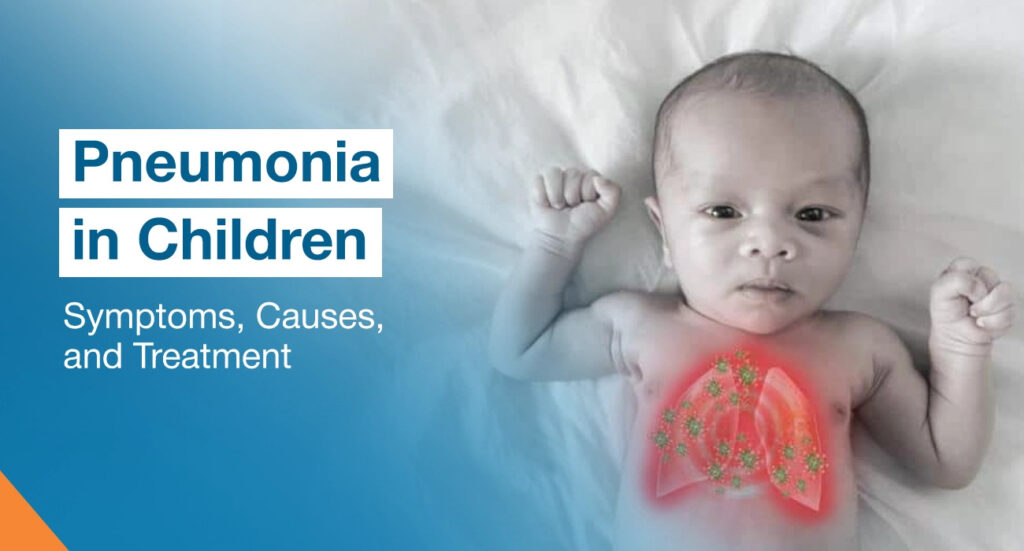
Childhood pneumonia is a lung infection that can affect babies, toddlers, preschoolers, and school-age children. It may begin with symptoms that resemble a common cold, such as a cough, fever, and reduced appetite, but it can progress to fast breathing, difficulty breathing, chest discomfort, and low oxygen levels. Recognizing these warning signs early helps parents seek appropriate medical care before the illness becomes severe.
Pneumonia can be caused by viruses, bacteria, and, less commonly, fungi. Some children recover with supportive care at home under medical guidance, while others need antibiotics, oxygen, or hospital treatment. A child’s age, breathing pattern, hydration, alertness, underlying health conditions, and ability to feed all help determine how urgently they need assessment.
The global impact is substantial. UNICEF reports that pneumonia kills more than 700,000 children under five every year, making it one of the leading infectious causes of death in young children. Its data also show that lower respiratory infections, including pneumonia, accounted for approximately 13% of deaths among children under five worldwide in 2024. These figures underline why timely recognition, vaccination, good nutrition, and access to healthcare matter. UNICEF pneumonia data and UNICEF child mortality data.
This guide explains the symptoms of pneumonia in children, how it differs from a cold or other respiratory infections, which children face greater risks, how doctors diagnose and treat it, and when parents should seek urgent or emergency medical care.
What Is Childhood Pneumonia?
Pneumonia is an infection that inflames the lungs. The lungs contain millions of tiny air sacs called alveoli, where oxygen enters the bloodstream and carbon dioxide leaves it. When a child develops pneumonia, these air sacs may fill with fluid and inflammatory material, making it harder for the lungs to exchange oxygen efficiently.
The infection can affect one lung or both. Its severity varies: one child may have a cough and fever but continue drinking and breathing comfortably, while another may develop significant breathing difficulty and need hospital care.
Pneumonia is a lower respiratory tract infection because it affects the lungs rather than only the nose and throat. It may develop after a viral respiratory illness, but it can also occur without an obvious cold beforehand. Symptoms alone cannot always reveal whether the cause is viral or bacterial, so medical assessment is important when pneumonia is suspected.
How common is pneumonia in children?
Pneumonia remains a major global child-health concern, especially in children under five. UNICEF estimates that the disease causes more than 700,000 deaths in this age group each year, including around 190,000 newborn deaths. The burden is not distributed equally: children living with undernutrition, household air pollution, limited access to healthcare, and incomplete vaccination face greater risks.
The World Health Organization (WHO) has also highlighted the severity of childhood pneumonia. Its earlier estimates attributed 740,180 deaths among children under five to pneumonia in 2019, representing 14% of deaths in that age group at the time. Because estimates vary by year and methodology, statistics should always be presented with their reference year rather than treated as current annual counts.
These deaths are not inevitable. Vaccination, early assessment, appropriate treatment, adequate nutrition, and access to oxygen and other supportive care can reduce the risk of severe outcomes.
Common Symptoms of Pneumonia in Children
Pneumonia symptoms may develop suddenly or gradually over several days. Some children have a high fever, while others have a mild fever or no noticeable fever. The most important signs to monitor are changes in breathing, energy, drinking, and responsiveness.
1. Persistent cough
A cough is one of the most common symptoms of childhood pneumonia. It may be dry at first and later become wetter. Older children may cough up mucus, but young children often swallow their secretions, so parents may never see any phlegm.
A cough alone does not prove that a child has pneumonia. Colds, influenza, RSV, asthma, and other respiratory illnesses can also cause coughing. Concern increases when a cough occurs alongside rapid breathing, chest indrawing, fever, unusual tiredness, or reduced feeding.
Seek medical advice if the cough is worsening, breathing appears abnormal, or the child is not recovering as expected.
2. Fast breathing
Rapid breathing is an important sign of possible pneumonia, particularly in babies and toddlers. Parents may notice that a child is breathing faster than usual even when resting quietly.
Breathing rates normally vary with age, activity, crying, and fever. If you want to count your child’s breaths, wait until they are calm or asleep, then count each rise of the chest or abdomen for a full 60 seconds. A clinician can interpret the number according to the child’s age and condition.
WHO guidance for children aged 2–12 months uses a breathing rate of 50 breaths per minute or more as a fast-breathing threshold, and for children aged 12 months to under five years, 40 breaths per minute or more. These are screening thresholds used in specific clinical guidance, not a stand-alone diagnosis. Age, local clinical protocols, fever, and the child’s overall appearance matter. Newborns require age-specific assessment.
Do not delay care to count breaths if the child is struggling to breathe, has blue or grey lips, or is becoming unusually sleepy.
3. Difficulty breathing or chest indrawing
Laboured breathing is more concerning than a cough alone. A child may use extra effort to draw air into the lungs, causing the skin between or beneath the ribs to pull inward with each breath. This is often called chest indrawing or retractions.
Other signs of respiratory distress include flaring nostrils, grunting, pronounced movement of the abdomen, pauses in breathing, or difficulty speaking, crying, or feeding because of breathlessness.
Chest indrawing, grunting, or marked breathing effort requires urgent medical assessment. Severe difficulty breathing, pauses in breathing, or blue or grey lips or face should be treated as an emergency.
4. Fever, chills, or an unusually low temperature
Fever is common in pneumonia, particularly when the infection is caused by certain bacteria or viruses. A child may feel hot, sweat, shiver, or appear flushed. However, not every child with pneumonia develops a high temperature.
Very young infants and seriously ill children may instead have an unusually low temperature. In newborns and young babies, any abnormal temperature accompanied by poor feeding, lethargy, or breathing changes deserves prompt medical attention.
For babies younger than three months, a temperature of 38°C (100.4°F) or higher requires urgent medical assessment, even if the baby does not otherwise look very unwell.
5. Reduced appetite and difficulty feeding
A child with pneumonia may lose interest in food, breast milk, formula, or other fluids. Babies may feed for shorter periods, stop frequently to catch their breath, or become too tired to finish a feed.
This symptom matters because reduced fluid intake can lead to dehydration, while poor feeding may also indicate that breathing is taking too much effort. Watch for fewer wet nappies or urination, a dry mouth, fewer tears, or unusual sleepiness.
If a baby cannot feed because of breathing difficulty, or a child is unable to keep fluids down and is becoming dehydrated, seek urgent medical care.
6. Tiredness, irritability, and changes in behaviour
Children with pneumonia may appear unusually tired, weak, clingy, or irritable. A normally active child may stop playing, want to be carried, or sleep more than usual.
These changes can be subtle in infants, who cannot explain how they feel. Parents may notice that a baby is less responsive, makes less eye contact, or is difficult to settle.
Mild tiredness can accompany many infections. However, extreme drowsiness, confusion, limpness, difficulty waking, or a seizure is an emergency warning sign.
7. Chest or abdominal pain
Older children may describe chest pain, particularly when coughing or taking a deep breath. Some children experience pain in the upper abdomen instead of clearly identifying it as chest discomfort.
Abdominal pain can occur because of coughing, muscle strain, or irritation near the lower parts of the lungs. However, abdominal pain has many other possible causes and should not automatically be attributed to pneumonia.
Severe or persistent pain, especially with breathing difficulty, faintness, or a child who appears very unwell, needs urgent assessment.
8. Vomiting, headache, or body aches
Some children experience headache, muscle aches, nausea, or vomiting along with respiratory symptoms. Vomiting may occur after a forceful coughing episode or as part of the infection itself.
These symptoms are not specific to pneumonia. Their significance depends on the overall picture, particularly whether the child is breathing normally, drinking enough, urinating, and remaining alert.
What Are the Emergency Warning Signs of Pneumonia?
Parents should not wait for every possible symptom to appear. A child with pneumonia may not have a high fever or an obvious cough, and breathing problems can worsen over a short period.
Seek emergency medical care immediately if your child has:
- Severe difficulty breathing, gasping, or obvious exhaustion from breathing.
- Blue, grey, or unusually pale lips, tongue, or face.
- Pauses in breathing or severe grunting with each breath.
- Marked chest indrawing or rapidly worsening respiratory distress.
- Unusual unresponsiveness, difficulty waking, limpness, or confusion.
- A seizure or sudden loss of consciousness.
- Inability to drink or breastfeed because of breathing difficulty, particularly with marked weakness or reduced alertness.
Call your local emergency service or go to the nearest emergency department. Do not delay because the child has no fever or because you are unsure whether pneumonia is the cause.
Arrange urgent medical assessment if:
Your child is breathing faster than usual, has persistent fever and cough, is drinking much less than normal, has fewer wet nappies or less urine, or is getting worse after initially improving. A baby younger than three months with a temperature of 38°C (100.4°F) or above needs urgent assessment.
Children with chronic lung or heart disease, immune-system problems, significant prematurity, or other serious medical conditions may need assessment sooner than otherwise healthy children.
The CDC’s respiratory illness guidance also identifies fast or difficult breathing, ribs pulling inward, bluish lips or face, dehydration, reduced alertness, and symptoms that improve and then return or worsen as important warning signs. See the CDC emergency warning signs.
What Causes Pneumonia in Children?
Pneumonia can be caused by different infectious organisms. Identifying the likely cause helps clinicians decide whether antibiotics or another treatment is appropriate.
Viral pneumonia
Viruses are common causes of pneumonia in children. Respiratory syncytial virus (RSV), influenza viruses, and other respiratory viruses can infect the lower airways and lungs. Some children develop pneumonia during or after a viral illness.
Viral pneumonia may cause cough, fever, wheezing, fatigue, and fast breathing. Treatment often focuses on supportive care, such as maintaining hydration and monitoring breathing. Antibiotics do not treat viruses, although a clinician may prescribe them if a bacterial infection is also suspected.
Learn more about related illnesses in our existing articles on [RSV in babies and children] and [bronchiolitis in babies].
Bacterial pneumonia
Bacteria can also cause pneumonia, sometimes following a viral respiratory infection. Streptococcus pneumoniae (pneumococcus) is an important bacterial cause of pneumonia in children. Other bacteria may be responsible depending on the child’s age, vaccination status, health history, and local disease patterns.
Bacterial pneumonia may cause fever, cough, fast breathing, chest pain, or a child who appears particularly unwell. Nevertheless, symptoms overlap substantially with viral pneumonia, so parents should not try to identify the organism based on symptoms alone.
When bacterial pneumonia is suspected, a healthcare professional may prescribe antibiotics. The choice of medicine and treatment duration depend on the child’s clinical condition and local guidelines.
Less common causes
Fungal pneumonia is less common in otherwise healthy children but can occur in certain environments or in children with weakened immune systems. Aspiration, in which food, liquid, or another substance enters the lungs, can also cause lung inflammation or infection in particular circumstances.
A clinician may investigate unusual or recurrent pneumonia differently from a straightforward first episode.
Who Is at Higher Risk of Severe Childhood Pneumonia?
Any child can develop pneumonia, but the chance of serious illness is higher in certain groups.
Babies and children under five are particularly vulnerable because their airways and immune systems are still developing. Newborns and young infants deserve special caution because they can deteriorate quickly and may show few obvious symptoms.
Premature babies and children with chronic lung disease, congenital heart disease, neuromuscular conditions that affect swallowing or coughing, immune-system disorders, or other significant medical conditions may be at greater risk of complications. Children who are undernourished or have incomplete immunization may also face increased risk.
Environmental and social conditions matter as well. Exposure to tobacco smoke, indoor air pollution from cooking or heating fuels, overcrowded living conditions, and limited access to healthcare can increase respiratory infection risks or make timely treatment more difficult.
Risk factors do not mean that a child will definitely develop severe pneumonia. They indicate when prevention and early medical assessment are especially important.
How Is Pneumonia Diagnosed in Children?
A healthcare professional usually begins by asking about the child’s symptoms, when they started, whether they are worsening, and whether the child is drinking and urinating normally. The clinician may also ask about recent respiratory infections, vaccination history, exposure to illness, underlying medical conditions, and previous episodes of pneumonia.
Physical examination
The clinician will assess the child’s general appearance, temperature, breathing rate, hydration, and oxygen level when appropriate. They may use a stethoscope to listen for crackling sounds, reduced air entry, or other changes in the lungs.
The absence of a particular sound does not always rule out pneumonia. Diagnosis depends on the full clinical picture rather than one symptom or examination finding.
Oxygen measurement
A pulse oximeter may be placed on a finger, toe, or another suitable site to estimate the amount of oxygen in the blood. Oxygen levels help clinicians assess severity and determine whether additional treatment or hospital observation is needed.
The reading must be interpreted in context. Movement, poor circulation, device limitations, and other factors can affect accuracy. A reassuring reading should not override obvious signs of respiratory distress.
Chest X-ray and other tests
A chest X-ray is not necessary for every child with suspected uncomplicated pneumonia. It may be considered when the diagnosis is uncertain, the illness is severe, complications are suspected, or the child is not improving as expected.
Blood tests, respiratory virus testing, or other investigations may be appropriate in selected cases. A sample of mucus or blood may occasionally be tested when a serious bacterial infection is suspected. Many children treated for uncomplicated pneumonia do not need extensive testing.
Parents should not request or interpret a chest X-ray or laboratory result in isolation. The findings need to be considered alongside the child’s symptoms, examination, and response to treatment.
Treatment for Childhood Pneumonia
Treatment depends on the likely cause, severity, age of the child, oxygen level, ability to drink, and presence of other health conditions. Some children can be treated at home with a clinician’s plan, while others need hospital care.
Antibiotics for bacterial pneumonia
Antibiotics treat bacterial infections, not viral pneumonia. When a clinician suspects bacterial pneumonia, they may prescribe an antibiotic appropriate for the child’s age, likely organism, allergies, and local treatment recommendations.
Give the medicine exactly as prescribed. Do not use leftover antibiotics, share medication between siblings, change the dose, or stop treatment early without advice from the prescribing clinician. If the child develops a possible serious allergic reaction, seek emergency care.
If symptoms are not improving within the timeframe given by the clinician, or the child becomes more unwell at any point, arrange reassessment. Worsening breathing or reduced responsiveness requires urgent care rather than waiting for the next dose.
Supportive care at home
Children with mild pneumonia who have been assessed and cleared for home care may need rest, frequent fluids, and monitoring. Offer small, regular drinks if the child is able to swallow comfortably. Breastfeeding can usually continue, with shorter, more frequent feeds if needed.
A fever or pain medicine may be suitable, depending on the child’s age, weight, medical history, and the product’s instructions. Ask a healthcare professional or pharmacist if you are unsure about the correct medicine or dose.
Do not give aspirin to children unless specifically directed by a specialist. Avoid over-the-counter cough and cold products in young children unless a clinician recommends them. Never use hot-water steam inhalation because it can cause serious burns.
Home care is not a substitute for assessment when a child has fast breathing, chest indrawing, poor feeding, or other warning signs. A child who is struggling to breathe should not be managed with fluids or fever medicine alone.
Hospital treatment
Children with severe pneumonia may need admission to hospital for closer monitoring. Treatment may include oxygen, fluids, antibiotics when bacterial infection is suspected, and support with feeding or breathing.
Some children require additional investigations or intensive care, particularly if oxygen levels remain low, breathing becomes exhausting, or complications develop. Hospitalization does not necessarily mean that long-term lung damage will occur; it allows clinicians to provide the level of monitoring and support the child needs.
How Long Does Pneumonia Last in Children?
Recovery time varies. Fever and general discomfort may begin to improve within a few days after effective treatment, but cough and tiredness can last longer. Some children need several weeks to return fully to their usual energy levels.
The expected course depends on the cause, severity, age, and any underlying conditions. Viral pneumonia may improve gradually with supportive care, while bacterial pneumonia may require antibiotics. A child with complications or a serious underlying condition may recover more slowly.
Follow the clinician’s instructions about reassessment. Seek help sooner if breathing becomes harder, the child drinks less, fever persists or returns after improvement, or the overall condition deteriorates. Do not assume that a prolonged or worsening cough is harmless simply because pneumonia has already been diagnosed.
Possible Complications of Childhood Pneumonia
Many children recover without lasting problems, particularly when the illness is recognized and treated appropriately. However, severe pneumonia can cause complications.
Low blood oxygen levels can affect the body’s organs and may require oxygen therapy. Dehydration can develop when a child cannot drink enough. In more serious cases, infection may lead to sepsis, a dangerous whole-body response to infection.
Pneumonia can sometimes cause fluid to collect around the lungs, known as a pleural effusion. In some cases, this fluid becomes infected and requires additional treatment. A lung abscess or other localized complication can occur less commonly.
The risk of complications is higher in very young infants, children with underlying medical problems, and those who develop severe disease or cannot access timely care. Early assessment does not guarantee that complications will never occur, but it gives clinicians an opportunity to recognize deterioration and provide appropriate treatment.
How Can Parents Help Prevent Pneumonia?
Prevention combines vaccination, good nutrition, reduced exposure to respiratory infections, and a healthier home environment.
Keep vaccinations up to date
Vaccines help protect children from several infections that can cause pneumonia or increase the risk of severe respiratory illness. Depending on the country’s immunization schedule, these may include vaccines against pneumococcus, Haemophilus influenzae type b (Hib), measles, pertussis, influenza, and other preventable diseases.
Eligibility and schedules differ by country and by the child’s medical history. Follow the national immunization schedule and ask a healthcare professional about any missed doses or additional vaccines recommended for children at higher risk.
Vaccination cannot prevent every case of pneumonia, but it can reduce the risk of certain infections and their complications.
Support nutrition and breastfeeding
Adequate nutrition supports normal growth and immune function. WHO recommends exclusive breastfeeding for the first six months of life, followed by appropriate complementary foods while breastfeeding continues as recommended.
For older children, offer a varied diet with adequate energy, protein, fruits, vegetables, and other nutrient-rich foods. Children who are not growing as expected or who have feeding difficulties may need an assessment by a healthcare professional.
Nutrition supports health but cannot replace vaccines or medical treatment for an active infection.
Reduce smoke and indoor air pollution
Keep children away from cigarette smoke, including smoke from other people smoking indoors or in vehicles. Where possible, improve ventilation and reduce exposure to fumes from cooking or heating fuels.
In homes that use solid fuels, safer cooking arrangements and cleaner energy sources can reduce harmful indoor air pollution. Avoid burning materials indoors in ways that produce smoke, and do not allow smoking near babies or children.
Practise hand hygiene and respiratory etiquette
Encourage handwashing with soap, especially before eating and after coughing, sneezing, using the toilet, or caring for someone who is ill. Teach children to cough or sneeze into a tissue or their elbow and to avoid sharing cups or utensils when sick.
Keep a child home from school or childcare when they are too unwell to participate or when public-health guidance recommends staying home. Ventilation and avoiding close contact with people who have respiratory infections can also help reduce exposure.
These measures lower risk but cannot eliminate all respiratory infections. Parents should still watch for warning signs when a child becomes ill.
When Should a Child Return to School or Childcare?
A child should generally return when they are well enough to participate in normal activities, breathing comfortably, drinking adequately, and recovering as expected. Follow the treating clinician’s advice and the school’s or childcare centre’s infection-control policy.
If antibiotics have been prescribed, follow the instructions about medicine and activity. The decision to return should not be based on fever alone: a child who remains breathless, unusually tired, or unable to manage normal activities may need more recovery time.
Pneumonia has different causes, and contagiousness depends on the organism responsible. Ask the clinician whether any specific precautions are appropriate for your child’s diagnosis.
Conclusion
Childhood pneumonia can range from a manageable infection to a life-threatening illness, and early symptoms may resemble a common cold. Cough, fever, fast breathing, reduced feeding, and unusual tiredness deserve attention, particularly when several occur together. Chest indrawing, severe breathing difficulty, blue or grey lips, seizures, or reduced responsiveness require emergency care.
Parents can reduce risk through vaccination, adequate nutrition, hand hygiene, and limiting exposure to smoke and indoor air pollution. When pneumonia is suspected, a healthcare professional can assess breathing, oxygen levels, hydration, and the need for further tests or treatment.
This article is for general educational purposes only and does not replace professional medical advice, diagnosis, or treatment. If a child has breathing difficulty or other emergency warning signs, seek immediate medical care rather than relying on online information.
Frequently Asked Questions
1. What are the first signs of pneumonia in a child?
Early symptoms may include cough, fever, reduced appetite, tiredness, and faster-than-usual breathing. Some children develop symptoms gradually after a cold. Fast or difficult breathing, chest indrawing, or a child who is becoming unusually sleepy should prompt urgent assessment.
2. Can a child have pneumonia without a fever?
Yes. Fever is common but is not present in every case. Some babies and children with serious infections may have a normal or unusually low temperature. Breathing difficulty, poor feeding, or reduced responsiveness matters even when there is no fever.
3. How can I tell if my baby has pneumonia?
Possible signs include rapid breathing, grunting, nostrils flaring, chest indrawing, difficulty breastfeeding, fewer wet nappies, and unusual sleepiness or irritability. Babies may not cough prominently or may not develop a high fever. Seek urgent medical advice if you suspect pneumonia in a baby, and emergency care for severe breathing problems or reduced responsiveness.
4. Is pneumonia in children contagious?
The lung inflammation itself is not passed directly from one person to another, but the viruses and bacteria that cause some types of pneumonia can spread between people. Whether a child is contagious and for how long depends on the organism. Follow the clinician’s advice and local school or childcare guidance.
5. Does every child with pneumonia need antibiotics?
No. Antibiotics work against bacteria, not viruses. A clinician may prescribe antibiotics when bacterial pneumonia is suspected or confirmed. The decision depends on the child’s age, examination, severity, and local treatment guidance. Do not give a child leftover antibiotics or medicine prescribed for someone else.
6. Can pneumonia be treated at home?
Some children with mild pneumonia can recover at home after clinical assessment and with an appropriate care plan. They need adequate fluids, rest, prescribed medication if indicated, and close observation. Children with breathing difficulty, low oxygen levels, dehydration, or other serious signs may need hospital treatment.
7. How fast should a child breathe?
Breathing rates depend on age and circumstances. In WHO guidance for children with cough or difficult breathing, 50 breaths per minute or more is a fast-breathing threshold for ages 2–12 months, and 40 or more for ages 12 months to under five years. These are screening thresholds, not a diagnosis for parents to use alone. Seek care for abnormal breathing and do not delay if the child appears distressed.
8. How long does childhood pneumonia take to heal?
Some symptoms may improve within a few days of effective treatment, but cough and tiredness can last for several weeks. Recovery varies according to the cause and severity. If breathing worsens, fever returns after improvement, or the child is not improving as expected, contact a healthcare professional.
9. Can pneumonia lead to complications?
Yes. Severe cases can cause low oxygen levels, dehydration, infection around the lungs, or sepsis. Many children recover well, but complications are more likely in very young infants and children with underlying medical conditions. Early evaluation and appropriate treatment are important.
10. How can I reduce my child’s risk of pneumonia?
Keep vaccinations up to date, provide adequate nutrition, avoid tobacco smoke, reduce indoor air pollution where possible, encourage handwashing, and seek timely care when symptoms develop. These steps reduce risk but cannot prevent every case.
11. When should I take my child to the emergency department?
Seek emergency care for severe or laboured breathing, blue or grey lips or face, pauses in breathing, marked chest indrawing, seizures, or difficulty waking the child. A baby younger than three months with a temperature of 38°C (100.4°F) or above needs urgent medical assessment. When in doubt about severe symptoms, do not wait for an online answer.
12. Can pneumonia come back after a child recovers?
Yes, a child can develop pneumonia more than once because different infections can affect the lungs at different times. Repeated episodes, slow recovery, or persistent symptoms may require further assessment to look for contributing factors, such as an underlying lung condition, aspiration, or immune-system problem.