
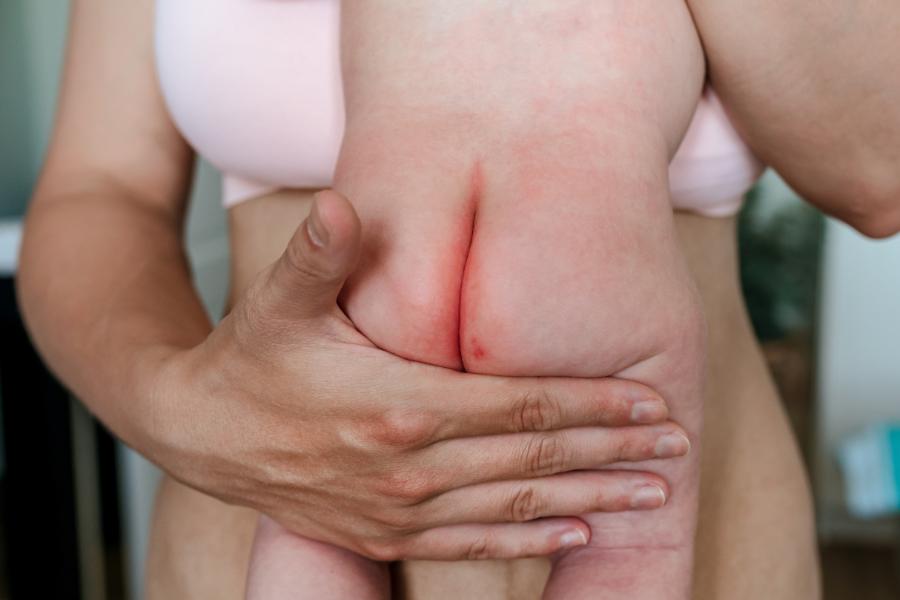
Diaper Rash: Causes, Types, and Treatment
Diaper rash is one of the most common skin problems during infancy. It can appear as mild redness around a baby’s bottom or develop into painful, inflamed skin with small bumps, blisters, peeling, and open sores. Although most cases improve with simple changes to diapering and skincare routines, persistent or severe rashes sometimes indicate a fungal infection, bacterial infection, allergic reaction, or another skin condition.
For parents, the challenge is often knowing what kind of diaper rash their baby has and which treatment is appropriate. A basic irritation caused by prolonged contact with urine and stool does not need the same treatment as a Candida infection. Applying the wrong cream, using fragranced products, or delaying medical assessment can make some rashes worse.
This guide explains the main causes and types of diaper rash, how to recognise their differences, and which treatments are supported by pediatric and dermatological guidance. It also covers diaper rash in newborns, zinc oxide creams, diaper-free time, prevention, warning signs, and when a baby needs medical attention.
What Is Diaper Rash?
Diaper rash, medically known as diaper dermatitis or nappy rash, is inflammation of the skin covered by a diaper. It commonly affects the buttocks, genitals, lower abdomen, upper thighs, and the skin around the anus.
The most common form is irritant contact dermatitis. It develops when sensitive skin remains exposed to moisture, urine, stool, friction, and changes in skin pH. The diaper environment can weaken the skin’s natural protective barrier, making it more vulnerable to irritation and inflammation.
Diaper rash can affect newborns, infants, and toddlers who still wear diapers. It may develop even when parents follow good hygiene practices because babies have delicate skin and frequent bowel movements. Diarrhea, antibiotic use, tight diapers, and certain skincare products can increase the likelihood of irritation.
Diaper rash is not usually contagious. However, some infections that develop in the diaper area, including Candida yeast infections and certain bacterial infections, require specific treatment.
How Common Is Diaper Rash?
Diaper dermatitis is common during the first years of life. A 2025 clinical review examining evidence from 7,500 subjects across 12 countries reported diaper dermatitis incidence estimates ranging from 36% to 75% in home and hospital settings. The reported proportion of severe cases ranged from 1% to 24%. These wide ranges reflect differences in study populations, assessment methods, and clinical settings rather than one universal prevalence figure.
PubMed
The Royal Children’s Hospital Melbourne clinical guideline also notes that more than half of infants experience nappy rash by 12 months of age.
rch.org.au
A separate 2025 systematic review analysed 13 studies involving 2,935 children. It identified frequent diaper changes, diaper-free periods, gentle cleansing, and barrier products containing ingredients such as zinc oxide or dexpanthenol among the interventions associated with effective prevention or treatment.
PubMed
These findings demonstrate why diaper rash deserves attention even though most cases are mild. It can cause discomfort, interfere with sleep, and sometimes require medical treatment.
What Causes Diaper Rash?
Diaper rash usually develops because of a combination of moisture, friction, skin-barrier disruption, and exposure to irritating substances. In some babies, an infection or underlying skin condition contributes to the problem.
Understanding the cause is important because the appearance of the rash and the appropriate treatment can vary considerably.
1. Prolonged Contact With Urine and Stool
One of the leading causes of diaper rash is prolonged contact with urine and faeces.
When a wet or dirty diaper remains against the skin, moisture can soften the outer skin layer. This process, called maceration, makes the skin more vulnerable to friction and irritation.
Stool contains digestive enzymes that can further irritate sensitive skin. The combination of moisture, faecal enzymes, and friction can damage the skin barrier, leading to redness, soreness, and inflammation.
This is why changing wet and soiled diapers promptly is one of the most important steps in preventing diaper dermatitis.
2. Friction From Diapers
A diaper that is too tight or does not fit properly can rub against the baby’s skin. Repeated friction may cause irritation around the waist, thighs, groin, and diaper edges.
Friction becomes more damaging when the skin is already wet or inflamed. Babies who move frequently, crawl, or walk may experience additional rubbing as their bodies move inside the diaper.
Parents should check that the diaper fits comfortably around the waist and legs without leaving deep marks or restricting movement.
3. Diarrhea and Frequent Bowel Movements
Diarrhea can increase the risk of diaper rash because the skin comes into contact with stool more frequently. Loose stools may also contain substances that irritate the skin, and repeated cleaning can add friction.
Babies with diarrhoea may therefore develop redness and soreness quickly, particularly around the anus and buttocks.
If diarrhea is persistent, the priority is to manage the underlying illness and prevent dehydration while protecting the diaper area. Parents should not assume that treating the rash alone will solve the problem.
For further information about childhood diarrhea, see Diarrhea in Children: Causes, Dehydration Risks, and Treatment.
4. Yeast and Fungal Infections
Candida albicans is a yeast that can grow in warm, moist areas of the body. The diaper area provides conditions that may allow Candida to multiply, particularly when the skin barrier has already been damaged.
A Candida diaper rash may develop after a course of antibiotics, during or after diarrhea, or alongside oral thrush. Antibiotics can alter normal microbial populations, making yeast overgrowth more likely in some babies.
Unlike typical irritant diaper rash, Candida dermatitis often affects the skin folds and may produce bright-red patches with smaller spots around the main rash. It generally needs an antifungal treatment rather than barrier cream alone.
American Academy of Pediatrics+1
5. Irritation From Wipes, Soaps, and Skincare Products
Some baby-care products can irritate sensitive skin. Possible triggers include fragranced wipes, harsh cleansers, soaps, bubble baths, detergents, and products containing irritating preservatives or other ingredients.
A product that works well for one baby may cause irritation in another. Parents should pay attention to whether a rash develops after introducing a new wipe, diaper cream, laundry product, or bathing product.
Choose gentle, fragrance-free products designed for infant skin. If a particular product repeatedly causes irritation, discontinue it and ask a healthcare professional about a suitable alternative.
6. Antibiotic Use
Antibiotics can sometimes contribute to diaper rash in two ways. They may cause diarrhea in some children, increasing exposure to irritating stool. They can also alter the balance of microorganisms and contribute to Candida overgrowth.
A rash developing during or after antibiotic treatment should be assessed based on its appearance and associated symptoms. Antibiotics should never be stopped or changed without consulting the prescribing clinician.
7. Allergic Reactions
Some babies develop allergic contact dermatitis after exposure to a particular ingredient or material. Possible triggers include fragrances, preservatives, topical products, and substances used in diapers or wipes.
Allergic contact dermatitis may cause redness, itching, swelling, or a rash concentrated in areas exposed to the triggering substance. It can resemble ordinary irritant diaper rash, so persistent cases may require medical assessment.
8. Underlying Skin Conditions
Babies with eczema or other inflammatory skin conditions may be more prone to irritation in the diaper area.
Atopic dermatitis is not the most typical cause of a rash confined to the diaper region, but it can coexist with diaper dermatitis. Other conditions, including seborrhoeic dermatitis and psoriasis, can also affect the diaper area.
If a rash does not improve with ordinary diaper care, a clinician should consider whether another skin condition is responsible.
Types of Diaper Rash
Not every diaper rash looks the same. The location, colour, texture, and distribution of the affected skin can provide useful clues about its cause.
The following are important types parents should understand.
1. Irritant Contact Diaper Dermatitis
The good life – Diaper Rash Survival Guide for Parents
Irritant contact dermatitis is the most common form of diaper rash. It develops when moisture, urine, stool, and friction damage the skin barrier.
The rash usually appears on the convex surfaces that come into direct contact with the diaper, such as the buttocks, genital area, and upper thighs. The skin folds are often relatively spared because they have less direct contact with the diaper’s surface.
Common symptoms include:
- Pink or red patches in the diaper area.
- Dryness, soreness, or mild swelling.
- Small superficial bumps.
- Discomfort during cleaning or diaper changes.
- More extensive redness when irritation becomes severe.
In more advanced cases, the skin may develop erosions, open areas, or bleeding.
The characteristic distribution—affected exposed surfaces with relative sparing of the folds—is an important clinical clue that helps distinguish irritant dermatitis from Candida infection.
American Academy of Pediatrics+1
2. Candida Diaper Rash
Bleeksem med svamp – Patienthåndbogen på sundhed.dk
Candida diaper dermatitis is a fungal or yeast-related infection that can develop in the warm, moist diaper environment.
It often produces a bright-red or deep-red rash involving the groin folds. Smaller red bumps or pustules may appear around the edges of the main affected area. These are known as satellite lesions.
Other signs may include:
- Redness involving the groin creases.
- Small surrounding spots or pustules.
- Persistent inflammation despite ordinary barrier care.
- A rash that develops during or after antibiotic treatment.
- Possible oral thrush at the same time.
A Candida diaper rash generally requires an antifungal cream prescribed or recommended by a healthcare professional. Zinc oxide can still provide a protective barrier, but it does not eliminate the fungal infection.
Parents should not use combination creams containing strong corticosteroids unless specifically directed by a clinician. Steroids can mask symptoms and may worsen certain infections.
3. Allergic Contact Dermatitis
Allergic contact dermatitis occurs when the immune system reacts to a particular substance that touches the skin.
In the diaper area, possible triggers include ingredients in wipes, creams, diapers, or laundry products. The rash may appear where the allergen has contacted the skin and can cause itching, redness, swelling, or small blisters.
Unlike ordinary irritant dermatitis, allergic contact dermatitis can continue or recur even after parents improve diaper-changing frequency. Identifying and avoiding the specific trigger is important.
If the reaction repeatedly returns or is difficult to identify, a dermatologist may consider further assessment, including patch testing in selected cases.
4. Seborrhoeic Dermatitis in the Diaper Area
Seborrhoeic dermatitis is an inflammatory skin condition that can affect babies. It commonly causes greasy or yellowish scales on the scalp, often called cradle cap, but can also involve skin folds and the diaper region.
In the diaper area, it may appear as relatively well-defined red patches, sometimes with less obvious itching than other forms of dermatitis.
A baby may have seborrhoeic dermatitis on the scalp, behind the ears, and in the diaper area at the same time.
It can resemble Candida or irritant diaper rash, so a clinician may need to examine the distribution and other affected areas before confirming the diagnosis.
5. Bacterial Diaper Rash
Bacterial infections can develop when the skin barrier becomes damaged. Certain bacteria, including Staphylococcus aureus and streptococci, may contribute to infection in the diaper region.
One particular condition is perianal streptococcal dermatitis. It can cause a sharply defined, bright-red area around the anus, sometimes accompanied by pain during bowel movements, itching, or small cracks in the skin.
Warning signs of a bacterial infection may include:
- Increasing redness, warmth, or swelling.
- Pus or yellowish discharge.
- Pain or tenderness.
- Crusting or rapidly worsening skin changes.
- Fever or a baby who appears unwell.
Bacterial diaper infections need medical assessment. Depending on the diagnosis, a clinician may prescribe an appropriate topical or oral antibiotic.
6. Severe Diaper Dermatitis
Severe diaper dermatitis describes extensive or advanced inflammation rather than one specific cause.
The skin may become very red, swollen, raw, cracked, or ulcerated. In some cases, there may be open sores and bleeding.
A baby with severe diaper rash may cry during diaper changes, become unusually unsettled, or have difficulty sleeping.
Severe symptoms should not be managed with repeated experimentation with over-the-counter creams. Medical assessment is important to identify the underlying cause and determine whether prescription treatment is required.
Diaper Rash Symptoms: What Should Parents Look For?
The first signs of diaper rash may be subtle. Parents may notice a small pink patch, dryness, or mild irritation before the rash becomes more extensive.
Symptoms vary according to the cause and severity.
Early Symptoms
Mild diaper rash may involve:
- Slight redness around the buttocks or genital area.
- Dry or sensitive skin.
- Mild discomfort when wiping.
- Small patches of irritation near the diaper edges.
At this stage, prompt diaper changes, gentle cleansing, and barrier cream may be sufficient.
Moderate Symptoms
As inflammation increases, the skin may become brighter red, swollen, or more tender. Small bumps may develop, and the baby may cry or move away when the area is cleaned.
Some babies become more unsettled during diaper changes or have difficulty sleeping because of discomfort.
Severe Symptoms
More advanced diaper dermatitis may cause broken skin, blisters, erosions, ulcers, or bleeding. Pus, spreading redness, fever, or significant pain may indicate infection or another condition that needs medical attention.
The appearance of a rash should always be considered alongside the baby’s overall condition. A baby who is feeding poorly, unusually sleepy, or feverish needs more attention than a baby with a small, uncomplicated patch of redness.
Recognising Diaper Rash on Different Skin Tones
Redness may be easier to recognise on lighter skin, but it can look different on darker skin. Inflamed areas may appear deep red, purple, brown, grey, or darker than the surrounding skin.
Parents should also look for changes in texture, swelling, warmth, tenderness, peeling, and the baby’s behaviour. The NHS notes that spots may be harder to see on brown and black skin.
NHS
How Is Diaper Rash Diagnosed?
Most cases of diaper rash can be diagnosed through a physical examination and a discussion of the baby’s symptoms. Doctors usually do not need blood tests or other investigations for straightforward irritant diaper dermatitis.
During an assessment, a healthcare professional may ask how long the rash has been present, how quickly it developed, how often diapers are changed, and which products are used to clean the baby’s skin.
They may also ask about recent diarrhea, antibiotic treatment, feeding, previous skin conditions, and any creams already applied.
The clinician will examine the affected skin, including whether the rash involves the skin folds, whether there are satellite spots, and whether there are signs of infection. They may also examine other areas of the body or the baby’s mouth if Candida infection or another skin condition is suspected.
Are Tests Needed?
Most uncomplicated diaper rashes do not require laboratory testing. Diagnosis is generally clinical, based on the history and appearance of the affected skin.
NCBI
If Candida infection is uncertain, a clinician may consider examining a skin sample under a microscope using potassium hydroxide preparation. If bacterial infection is suspected, a swab or other investigation may occasionally be appropriate.
Testing is more likely to be considered when the rash is persistent, unusual, recurrent, or not responding to appropriate treatment.
Diaper Rash Treatment: What Actually Works?
The right diaper rash treatment depends on its cause. Irritant dermatitis usually improves when parents reduce exposure to moisture and stool, protect the skin barrier, and avoid irritating products. Fungal and bacterial infections may need prescription medicines.
The main treatment goals are to reduce inflammation, protect damaged skin, prevent additional irritation, and allow the skin to heal.
1. Change Wet and Dirty Diapers Promptly
Frequent diaper changes are one of the most effective ways to reduce exposure to urine and stool.
Parents should check diapers regularly and change them as soon as they become wet or soiled. This is particularly important after bowel movements because faeces can irritate the skin.
There is no single changing schedule suitable for every baby. Newborns may need more frequent changes than older infants, and some babies pass stools more often than others.
The Indian Academy of Pediatrics recommends frequent diaper changes, with suggested intervals varying by age, including approximately every two hours in neonates and every three to four hours in infants. These are practical guidance intervals rather than a reason to leave a soiled diaper unchanged until a scheduled time.
Indian Pediatrics
2. Clean the Diaper Area Gently
Cleaning should remove urine and stool without causing additional friction.
Use lukewarm water and a soft cloth, cotton pad, or suitable fragrance-free and alcohol-free baby wipe. If the skin is very sore, rinsing with water from a squeeze bottle may be more comfortable than wiping.
Avoid scrubbing or rubbing the affected area. Instead, gently pat the skin dry or allow it to air dry before putting on another diaper.
Ordinary soaps, bubble baths, fragranced products, and harsh cleansers can aggravate irritation. The NHS advises using water or fragrance-free, alcohol-free wipes and avoiding soaps and bubble baths when a baby has nappy rash.
NHS
3. Apply a Zinc Oxide Diaper Rash Cream
Zinc Oxide Diaper Rash Ointment: Benefits & Best Options Guide
Zinc oxide is a commonly used ingredient in diaper barrier creams. It forms a protective layer between the skin and irritating substances, helping reduce further exposure to moisture and stool.
A suitable zinc oxide diaper cream can be applied after gently cleaning and drying the skin. A generous layer is often recommended, particularly when the skin is visibly irritated.
Parents do not need to remove every trace of barrier cream during each diaper change. Excessive wiping can damage already inflamed skin. Remove visible stool or contamination gently and apply another layer as directed.
The Royal Children’s Hospital Melbourne recommends barrier preparations containing zinc oxide, white soft paraffin, or petrolatum, and notes that a thicker barrier layer may be helpful.
rch.org.au
Zinc oxide cream protects the skin but does not treat Candida or bacterial infection. If the rash has features of infection, a clinician should assess whether another treatment is necessary.
4. Use Petroleum Jelly or Other Suitable Barrier Ointments
Petrolatum, commonly known as petroleum jelly, can help protect the skin from moisture and friction. It is an alternative barrier ingredient used in some diaper-care products.
Some babies tolerate one barrier formulation better than another. Parents should choose an unperfumed product intended for infant skin and stop using it if it appears to cause irritation.
Barrier products are particularly useful as part of routine care for babies who repeatedly develop mild irritant diaper rash.
5. Give the Baby Diaper-Free Time
Allowing the diaper area to remain uncovered for short periods can help the skin dry and reduce continuous contact with moisture.
Parents can place the baby on a clean, absorbent towel or washable mat in a warm, safe environment. The baby should always be supervised, particularly when placed on a raised surface.
Diaper-free time does not need to follow a rigid schedule. Short, practical periods during the day can be incorporated into normal changing and bathing routines.
The NHS and American Academy of Dermatology both recommend allowing the diaper area to air dry when possible.
NHS+1
6. Consider a Different Diaper Type or Fit
If a baby repeatedly develops irritation around the diaper edges, the diaper may be too tight, poorly fitted, or unsuitable for the child’s skin.
Parents can check the fit around the waist and thighs and consider a more absorbent product if moisture remains against the skin.
Superabsorbent disposable diapers can help reduce skin overhydration by drawing moisture away from the skin. However, individual tolerance varies, and a diaper marketed as hypoallergenic is not automatically suitable for every baby.
For cloth diapers, thorough washing and rinsing are important. Detergent residues and insufficient drying may contribute to irritation.
7. Antifungal Creams for Candida Diaper Rash
When a clinician identifies Candida diaper dermatitis, an antifungal medicine may be needed.
Commonly used topical antifungal medicines include nystatin, clotrimazole, and miconazole. The appropriate medicine, application frequency, and duration depend on the child’s age, diagnosis, local guidance, and product formulation.
Antifungal treatment is generally applied to the affected skin according to the clinician’s instructions. Barrier care and frequent diaper changes should continue alongside the prescribed medicine.
If the rash does not improve, becomes more extensive, or develops new symptoms, the baby should be reassessed. A persistent rash may have a different cause or require a change in treatment.
Parents should not use an antifungal cream simply because a rash is red. Irritant dermatitis and Candida infection can look different, and the wrong treatment may delay improvement.
8. Mild Topical Corticosteroids for Selected Cases
A clinician may recommend a short course of a low-potency topical corticosteroid when inflammation is significant and simple barrier care has not been sufficient.
Hydrocortisone is an example of a mild topical corticosteroid. However, the diaper area is covered and can increase absorption of medicines applied to the skin. This makes the choice of strength, amount, body area, and treatment duration particularly important.
The Royal Children’s Hospital guideline describes short-term low-potency hydrocortisone as an option for selected cases that do not respond to simple measures.
rch.org.au
Parents should not apply stronger steroid creams, adult eczema preparations, or combination antifungal-steroid products without medical advice. Avoid using topical steroids for longer than prescribed.
9. Antibiotics for Bacterial Infections
Antibiotics may be needed if a clinician diagnoses a bacterial skin infection. The treatment may be topical or oral, depending on the type, severity, and extent of infection.
A bacterial rash should not be treated with leftover antibiotics or a cream prescribed for another family member. The wrong medicine can be ineffective, cause side effects, or contribute to antimicrobial resistance.
If the baby has fever, spreading redness, pus, significant pain, or appears unwell, prompt medical assessment is important.
How to Prevent Diaper Rash
Prevention focuses on maintaining a healthy skin barrier and limiting prolonged exposure to moisture, stool, and irritating products.
A baby may still develop occasional diaper rash despite good care. The aim is to reduce avoidable triggers and respond early when the skin begins to look irritated.
Follow a Consistent Diaper-Changing Routine
Check diapers frequently, particularly after feeding and bowel movements. Change wet and soiled diapers promptly rather than waiting until the diaper feels full.
During diarrhea, check more frequently because stool may irritate the skin quickly.
Keep the Skin Clean and Dry
Use lukewarm water or suitable fragrance-free wipes. Avoid vigorous rubbing, and allow the skin to dry before putting on a fresh diaper.
Do not use harsh soaps, antiseptic lotions, or strongly fragranced products on irritated skin.
Use a Barrier Product When Appropriate
A thin protective layer of zinc oxide or petrolatum-based barrier product may help prevent recurring irritant diaper rash, particularly in babies who have frequent episodes.
The Indian Academy of Pediatrics recommends barrier preparations containing zinc oxide, dimethicone, or petrolatum for babies with diaper dermatitis.
Indian Pediatrics
Choose Comfortable, Absorbent Diapers
A suitable diaper should fit comfortably, absorb moisture effectively, and avoid excessive friction. Avoid fastening diapers too tightly.
If irritation repeatedly occurs after changing brands, consider whether a particular material, fragrance, or product component may be contributing.
Wash Cloth Diapers Thoroughly
Reusable cloth diapers should be washed with an appropriate detergent and rinsed thoroughly to remove residue. They should be completely dried before reuse.
Avoid fabric products or laundry additives that appear to irritate the baby’s skin.
Avoid Talcum Powder and Unnecessary Products
Talcum and other loose powders are not recommended for routine diaper rash treatment. Powders can become airborne and may be inhaled by babies. They can also collect in skin folds.
The NHS specifically advises against using talcum powder and antiseptic creams or lotions on nappy rash.
NHS
Keep the routine simple. A gentle cleanser, suitable diaper, and protective barrier product are generally more useful than applying several creams, oils, and powders.
Diaper Rash in Newborns: What Parents Should Know
Newborn skin is delicate and still adapting to life outside the womb. Parents may notice redness around the buttocks, genitals, or anus during the first weeks of life.
Mild irritation can occur as babies begin passing urine and stool frequently. Meconium, the first dark stool passed by a newborn, can also be difficult to clean and may require gentle attention.
Newborns often need frequent diaper changes. Parents should clean the area gently, allow it to dry, and use an appropriate barrier product if irritation develops.
However, a newborn with a rash should be assessed promptly if the skin develops blisters, open sores, spreading redness, pus, or significant swelling. Fever in a young infant is also a reason for urgent medical assessment. Do not assume that a rash in a newborn is ordinary diaper irritation.
Diaper Rash and Diarrhea: Why the Two Often Occur Together
Diarrhea is an important risk factor for diaper dermatitis. Frequent bowel movements increase the amount of time that stool contacts the skin and can make cleaning more frequent.
Loose stools may also contain digestive enzymes that irritate the skin. As a result, babies with diarrhea can develop redness, soreness, and broken skin around the buttocks and anus.
Parents can help protect the skin by changing diapers promptly after bowel movements, rinsing rather than scrubbing, drying gently, and applying a suitable barrier cream.
However, the underlying diarrhea also needs attention. Babies can become dehydrated, especially when diarrhea is frequent or accompanied by vomiting.
Look for reduced urine output, fewer wet diapers, dry mouth, unusual sleepiness, poor feeding, or other signs of dehydration. Seek medical advice if these symptoms occur.
For guidance on fluid replacement, warning signs, and age-related treatment, read Diarrhea in Children: Causes, Dehydration Risks, and Treatment.
When Should Parents See a Doctor for Diaper Rash?
Most mild diaper rashes improve within a few days when parents use gentle cleaning, frequent diaper changes, and barrier protection. However, some symptoms suggest that a baby needs medical assessment.
Arrange a medical review if:
- The rash is not improving after approximately two to three days of appropriate home care.
- The rash becomes worse or spreads beyond the diaper area.
- The skin develops blisters, open sores, or significant peeling.
- The baby seems unusually uncomfortable or cries during every diaper change.
- The rash repeatedly returns despite consistent diaper care.
- There is a suspected fungal or bacterial infection.
Seek urgent medical attention if the baby develops fever alongside a worsening rash, rapidly spreading redness, pus, significant swelling, or appears seriously unwell.
A baby with blisters, severe pain, or extensive skin breakdown also needs prompt assessment. The American Academy of Dermatology advises contacting a doctor when a baby has signs of skin infection, including fever, blisters, draining pus, worsening rash, or significant pain.
American Academy of Dermatology
For young infants, particularly those under three months, a temperature of 38°C (100.4°F) or higher requires urgent medical assessment, even if the diaper rash appears mild.
Common Mistakes Parents Should Avoid
1. Leaving a Wet or Dirty Diaper On for Too Long
Prolonged exposure to moisture and stool increases irritation. Check diapers regularly and change them promptly, particularly after bowel movements.
2. Rubbing the Skin Too Hard
Scrubbing may remove dirt, but it can also damage the skin barrier. Use gentle rinsing, soft cloths, and patting rather than vigorous wiping.
3. Using Too Many Skincare Products
Applying multiple creams, oils, powders, and lotions can make it difficult to identify an irritating ingredient. Keep the routine simple and use products suitable for infant skin.
4. Treating Every Rash With Antifungal Cream
Not all diaper rashes are caused by Candida. Irritant dermatitis is more common, and antifungal medicines do not treat the underlying irritation.
5. Applying Strong Steroid Creams Without Advice
The diaper area can increase absorption of topical medication. Strong corticosteroids may cause harm when used incorrectly, particularly in babies.
6. Using Home Remedies Without Checking Their Safety
Some parents apply kitchen oils, herbal mixtures, fragranced products, or antiseptic preparations. These may irritate sensitive skin or interfere with appropriate treatment.
A product being natural does not automatically make it safe for an infant. Use established infant skincare products and seek professional advice if the rash is persistent.
7. Ignoring Repeated or Persistent Rash
A rash that repeatedly returns may be caused by Candida, allergic contact dermatitis, eczema, psoriasis, or another condition. If ordinary diaper care does not help, the diagnosis should be reviewed.
Final Thoughts
Diaper rash is common during infancy, but persistent redness, soreness, and skin breakdown should not be ignored. Most uncomplicated cases develop because moisture, stool, and friction damage the skin’s protective barrier. Frequent diaper changes, gentle cleansing, diaper-free time, and suitable zinc oxide or petrolatum-based barrier products can help the skin recover.
The most important step is recognising when a rash may have another cause. Candida infections often involve the skin folds and may require antifungal treatment, while bacterial infections can cause pain, pus, swelling, or spreading redness. Allergic reactions and other inflammatory skin conditions may also resemble ordinary diaper dermatitis.
Parents should avoid strong creams, unnecessary powders, and unverified home remedies. If the rash does not improve within a few days, becomes severe, or is accompanied by fever or signs of infection, consult a healthcare professional.
With consistent diaper care and appropriate treatment, most babies recover comfortably and experience fewer recurring episodes.
Frequently Asked Questions
1. What is the most common cause of diaper rash?
The most common cause is irritant contact dermatitis. It develops when a baby’s skin is exposed to moisture, urine, stool, and friction for prolonged periods. Frequent diaper changes, gentle cleaning, and barrier creams can help prevent and manage it.
2. How long does diaper rash usually take to heal?
Mild diaper rash often improves within two to three days with appropriate home care. More severe inflammation or fungal and bacterial infections may take longer and require medical treatment. A rash that is not improving should be assessed by a healthcare professional.
3. What is the best cream for diaper rash?
Zinc oxide and petrolatum-based barrier creams are commonly recommended for ordinary irritant diaper rash. They protect the skin from moisture and stool. If the rash is caused by Candida or bacteria, a specific antifungal or antibiotic treatment may be necessary.
4. Is zinc oxide safe for babies?
Zinc oxide is a commonly used ingredient in diaper barrier creams. It helps protect sensitive skin from moisture and irritants. Choose a product intended for infant skin and follow its directions. It does not, however, treat fungal or bacterial infections.
5. How can I tell the difference between a normal diaper rash and a yeast infection?
Ordinary irritant diaper rash usually affects exposed skin surfaces and often spares the groin folds. Candida diaper rash commonly involves the skin folds and may have a bright-red appearance with smaller surrounding spots or pustules. A clinician can confirm the likely cause and recommend appropriate treatment.
6. Can teething cause diaper rash?
Teething itself is not an established direct cause of diaper rash. However, babies may experience changes in feeding, drooling, or bowel habits around the same developmental period. If a baby develops diarrhea, more frequent stool contact may contribute to diaper irritation.
7. Should I stop using diapers if my baby has a rash?
Not necessarily. You can continue using suitable diapers while changing them promptly, avoiding tight fits, and allowing short diaper-free periods when practical. Keeping the skin clean and dry is more important than completely stopping diaper use.
8. Are baby wipes safe for diaper rash?
Many fragrance-free and alcohol-free baby wipes are suitable for routine cleaning. However, some babies react to particular ingredients. If wipes cause stinging or worsen irritation, use lukewarm water and a soft cloth instead.
9. Can diaper rash spread to other parts of the body?
Ordinary irritant diaper dermatitis usually remains in the diaper area. If a rash spreads to the abdomen, legs, arms, or other areas, a different condition or infection may be responsible. Medical assessment is advisable.
10. Can antibiotics cause diaper rash?
Antibiotics can contribute indirectly to diaper rash in some babies. They may cause diarrhea or alter the normal balance of microorganisms, increasing the possibility of Candida overgrowth. A persistent rash during or after antibiotic treatment should be assessed.
11. Is diaper rash contagious?
Ordinary irritant diaper dermatitis is not contagious. Some infections that affect the diaper area have infectious causes, but uncomplicated diaper rash does not spread from one baby to another through normal contact.
12. Should I use petroleum jelly for diaper rash?
Petroleum jelly can help protect the skin by creating a barrier against moisture and friction. It may be suitable for mild irritant diaper rash and prevention. If the rash is infected, however, petroleum jelly alone will not treat the underlying cause.
13. Can cloth diapers cause diaper rash?
Cloth diapers do not automatically cause diaper rash, but moisture retention, friction, detergent residue, and inadequate rinsing may contribute to irritation. Change them promptly, wash them thoroughly, and make sure they are completely dry before reuse.
14. When is diaper rash serious?
Diaper rash needs medical attention when it causes blisters, open sores, pus, significant pain, spreading redness, or does not improve with appropriate home care. Fever, rapidly worsening symptoms, or a baby who appears seriously unwell require urgent assessment.
15. Can diaper rash leave scars?
Most uncomplicated diaper rashes heal without permanent scarring. However, severe inflammation, deep skin damage, or certain infections can cause complications. Prompt treatment helps protect the skin and reduce the risk of further damage.