Common Childhood Allergies: Symptoms, Triggers, and Treatment
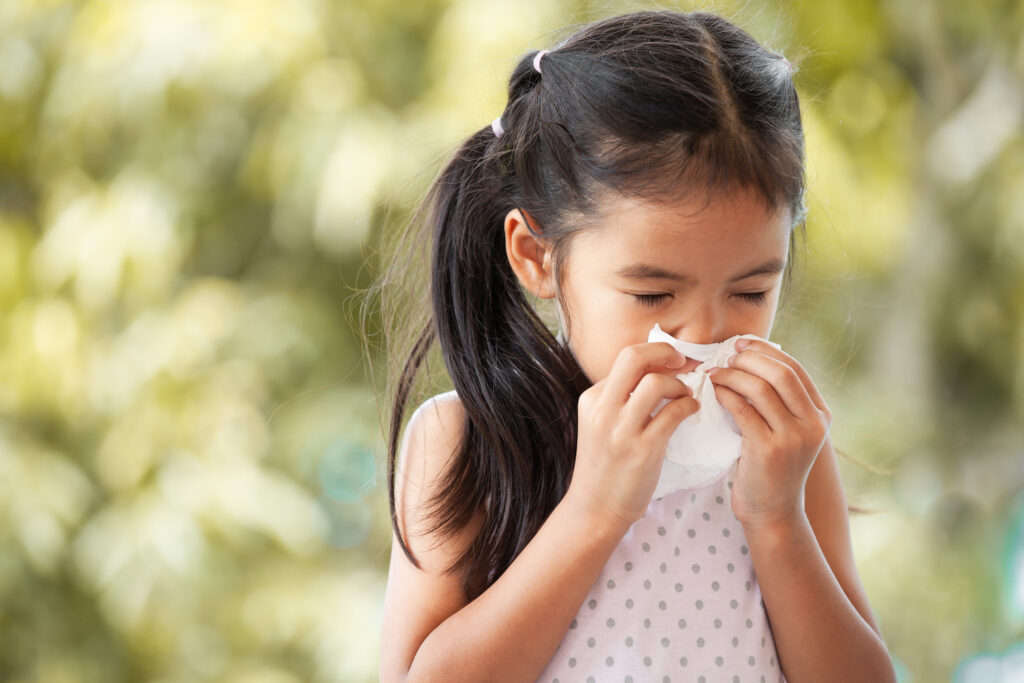
Childhood allergies can look very different from one child to another. One child may sneeze and develop itchy, watery eyes every spring, while another may develop hives after eating a particular food. Some children experience eczema, recurring nasal congestion, coughing, wheezing, or reactions after insect stings. Because many allergy symptoms overlap with common childhood illnesses, identifying the underlying trigger is not always straightforward.
Allergies occur when the immune system reacts to a substance that is usually harmless, known as an allergen. Depending on the type of allergy and the child’s sensitivity, symptoms can range from mild itching and sneezing to a severe, potentially life-threatening reaction called anaphylaxis.
Childhood allergies are also common. CDC data from the 2022 National Survey of Children’s Health found that about 21.8% of U.S. children aged 0–17 had an allergy, including food, drug, insect, seasonal, or other allergies. Among children with current asthma, approximately 65.9% had an allergy.
Food allergies are particularly important because reactions can happen unexpectedly and may require emergency treatment. The CDC estimates that approximately 1 in 13 U.S. children, or about 8%, have food allergies—equivalent to roughly two students in an average classroom.
Understanding common childhood allergies, their symptoms, triggers, diagnostic process, and treatment options can help parents recognize patterns and know when professional evaluation is appropriate.
What Are Childhood Allergies?
An allergy is an immune-system response to an allergen. Instead of ignoring a normally harmless substance, the immune system identifies it as a threat and launches a defensive response.
For some allergic conditions, immunoglobulin E (IgE) antibodies play an important role. When an allergic person encounters a relevant allergen, immune cells can release chemicals such as histamine, producing symptoms such as sneezing, itching, hives, swelling, vomiting, coughing, or wheezing.
Common allergens in children include:
- Pollen from trees, grasses, and weeds
- Dust mites
- Mold
- Pet dander
- Certain foods
- Insect venom
- Some medications
- Certain materials or substances that cause contact dermatitis
Importantly, not every unpleasant reaction is an allergy. A child may have a food intolerance, viral infection, irritant reaction, or another medical condition that produces symptoms resembling an allergy. For example, lactose intolerance is not the same thing as a milk allergy.
This distinction matters because unnecessary elimination diets, medications, or environmental restrictions can create problems of their own.
How Common Are Allergies in Children?
Allergic diseases represent a significant part of pediatric healthcare.
According to the CDC’s 2022 National Survey of Children’s Health, approximately 21.8% of U.S. children aged 0–17 had some type of diagnosed allergy. The same dataset found a substantially higher prevalence among children with current asthma than among children without asthma.
Food allergies are another major concern. The CDC estimates that 8% of U.S. children—about 1 in 13—are affected by food allergies. The CDC also reports that at least 40% of children with food allergies have been treated in an emergency department for a food-allergic reaction.
Eczema is also common during childhood. Current AAAAI statistics report eczema in approximately 12.7% of children, with reported prevalence varying by age group.
These numbers highlight why parents, teachers, caregivers, and healthcare professionals need to understand the differences between common allergic conditions and how they are managed.
Common Types of Childhood Allergies
Childhood allergies can be broadly divided into respiratory allergies, food allergies, skin-related allergies, insect allergies, and medication allergies.
1. Allergic Rhinitis and Seasonal Allergies
Allergic rhinitis, commonly called hay fever, affects the nose and upper airways. It can be seasonal or occur throughout the year.
Seasonal allergic rhinitis is often associated with pollen from trees, grasses, and weeds. Perennial symptoms may be associated with indoor allergens such as dust mites, pet dander, cockroaches, or mold.
Typical symptoms include:
- Frequent sneezing
- Runny nose
- Stuffy or congested nose
- Itchy nose or throat
- Postnasal drainage
- Itchy, red, or watery eyes
- Coughing
- Puffy eyelids
One useful distinction is that allergic rhinitis does not cause a fever. A child with a runny nose, congestion, and sneezing may have an allergy, but an infection can cause similar symptoms.
If symptoms repeatedly occur during a particular season, after exposure to a specific environment, or around a particular animal, keeping a symptom diary can help a pediatrician or allergist identify patterns.
2. Food Allergies
Food allergies happen when the immune system reacts to a particular food as harmful.
Common food allergens include:
- Peanuts
- Tree nuts
- Milk
- Eggs
- Wheat
- Soy
- Fish
- Shellfish
- Sesame
The exact foods that cause allergic reactions can differ between children and populations.
Food allergy symptoms may appear soon after eating or coming into contact with the allergen. They can affect multiple body systems, including the skin, gastrointestinal tract, respiratory system, and cardiovascular system.
Possible symptoms include hives, itching, swelling, vomiting, abdominal cramps, diarrhea, coughing, wheezing, difficulty breathing, or trouble swallowing.
A child who develops symptoms after eating a particular food should not automatically be assumed to have a food allergy. A healthcare professional may need to combine the child’s history with appropriate testing.
3. Eczema and Allergic Skin Conditions
Eczema, also known as atopic dermatitis, is a common inflammatory skin condition in children.
Symptoms may include:
- Dry skin
- Itching
- Red or inflamed patches
- Scaling
- Cracking
- Skin thickening from repeated scratching
Eczema and food allergies can sometimes occur together, particularly in children with more significant eczema. However, eczema does not mean that a child is automatically allergic to food.
Parents should avoid removing multiple foods from a child’s diet solely because eczema is present unless this has been discussed with an appropriate healthcare professional.
AAAAI statistics currently report eczema in approximately 12.7% of children, demonstrating how frequently this condition occurs during childhood.
4. Allergic Asthma
Some children develop asthma symptoms after exposure to allergens.
Potential triggers include pollen, dust mites, mold, pet allergens, and other environmental exposures. A child with allergic asthma may experience coughing, wheezing, chest tightness, or difficulty breathing.
The relationship between asthma and allergies is well documented. CDC data from 2022 found that approximately 65.9% of U.S. children aged 17 or younger with current asthma also had an allergy.
However, asthma has multiple triggers and mechanisms. Not every child with asthma has allergies, and not every allergic child has asthma.
Persistent nighttime coughing, recurrent wheezing, breathing difficulty, or exercise-related symptoms deserve pediatric evaluation.
5. Insect Sting Allergies
Most children experience some redness, pain, or swelling after an insect sting. A local reaction does not necessarily mean the child has a dangerous allergy.
Some children, however, can develop systemic reactions to insect venom.
Potential symptoms of a serious reaction include widespread hives, swelling away from the sting site, breathing difficulty, dizziness, vomiting, or other symptoms involving multiple body systems.
Children who have experienced a significant systemic reaction to an insect sting should be evaluated by a healthcare professional. An allergist may discuss testing, emergency planning, and in selected cases allergen immunotherapy.
6. Medication Allergies
Children can also have allergic reactions to medications.
A rash after taking an antibiotic, for example, does not automatically prove that the child has a medication allergy. Viral infections can also cause rashes, and some medication-related reactions are not immune-mediated allergies.
Because incorrectly labeling a child as allergic to a medication can influence future treatment decisions, parents should provide healthcare professionals with as much detail as possible about the reaction, including:
- Medication name
- Dose, if known
- Timing of symptoms
- Type of symptoms
- How long symptoms lasted
- Whether treatment was required
- Whether the child has taken the medication before
A specialist evaluation may sometimes clarify whether a suspected drug allergy is genuine.
Common Childhood Allergy Symptoms
Allergy symptoms depend on the allergen, route of exposure, and individual child.
Nose and Eye Symptoms
Respiratory allergies commonly cause:
- Sneezing
- Runny nose
- Nasal congestion
- Itchy nose
- Itchy throat
- Watery eyes
- Red eyes
- Puffy eyelids
Persistent nasal congestion can interfere with sleep and daytime comfort. ACAAI notes that untreated allergic nasal congestion can contribute to mouth breathing and disrupted sleep.
Skin Symptoms
Skin-related allergic symptoms can include:
- Hives
- Itching
- Redness
- Swelling
- Eczema flare-ups
- Contact dermatitis
Hives generally appear as raised, itchy areas that can change location or disappear and reappear.
Digestive Symptoms
Food-related reactions can cause:
- Nausea
- Vomiting
- Stomach cramps
- Abdominal pain
- Diarrhea
Digestive symptoms alone do not always mean an allergy. This is one reason a careful medical history is important.
Breathing Symptoms
More concerning symptoms include:
- Wheezing
- Persistent coughing
- Chest tightness
- Shortness of breath
- Noisy or difficult breathing
- Throat tightness
Breathing problems following a suspected allergen exposure require prompt medical attention.
How to Tell Childhood Allergies From a Cold
Allergies and viral infections can look remarkably similar.
A common cold often develops after exposure to a respiratory virus and generally improves over several days. Allergic rhinitis, by contrast, may continue as long as the child is exposed to the relevant allergen.
Consider the pattern:
| Feature | Allergies | Common cold |
| Sneezing | Common | Common |
| Itchy eyes/nose | Common | Less typical |
| Watery eyes | Common | Less typical |
| Fever | Not caused by allergy | May occur |
| Symptoms recurring in the same season | Common | Less typical |
| Triggered by pollen/pets/dust | Possible | No |
| Duration | Can persist with exposure | Usually improves with time |
ACAAI notes that cold symptoms commonly improve within approximately 3–7 days, while recurrent symptoms that appear around the same time every year can suggest allergic rhinitis.
This is not a diagnostic checklist, but the pattern can help parents decide whether professional evaluation is worthwhile.
What Triggers Childhood Allergies?
Identifying the trigger is one of the most useful parts of allergy management.
Indoor Allergens
Indoor triggers can include:
- Dust mites
- Mold
- Pet dander
- Cockroaches
Symptoms that occur primarily at home or worsen in a particular bedroom may warrant consideration of indoor allergens.
Outdoor Allergens
Outdoor triggers include pollen from:
- Trees
- Grass
- Weeds
- Certain plants
Seasonal patterns can provide useful clues.
Food Triggers
Food allergens vary from child to child. A reaction may occur after eating a particular food or, in some cases, after cross-contact with an allergen.
Parents of children with confirmed food allergies need to understand ingredient labels, cross-contact risks, school procedures, and emergency medication plans.
Irritants Versus Allergens
Smoke, strong fragrances, cleaning products, air pollution, and other irritants can worsen respiratory symptoms without necessarily causing an allergic immune response.
This distinction is important because removing an irritant and treating an allergy are not always the same thing.
How Are Childhood Allergies Diagnosed?
There is no single allergy test that should be performed for every child.
A clinician generally begins with the child’s medical history and physical examination. Useful information includes:
- What symptoms occur?
- When did they begin?
- How frequently do they occur?
- What was the child doing before symptoms appeared?
- Was the child eating, outdoors, around an animal, or in a particular room?
- How quickly did symptoms appear?
- How long did they last?
- Has the same exposure caused symptoms previously?
- Is there a family history of allergies or asthma?
Depending on the situation, an allergist may use skin testing, blood testing, elimination strategies, or a medically supervised challenge.
AAAAI describes skin-prick testing as a common method for identifying specific allergens. Reactions are typically assessed within approximately 15–20 minutes. Blood tests may be useful when skin testing is unsuitable or cannot be performed reliably.
For suspected food allergy, a medically supervised oral food challenge may sometimes be used to establish whether a food actually causes a reaction. AAAAI specifically cautions that food challenges should not be performed at home.
A positive allergy test does not automatically mean that a child will develop symptoms every time they encounter that substance. Test results must be interpreted in the context of the child’s history.
Why At-Home Allergy Testing Can Be Misleading
Parents may encounter commercial tests that claim to identify numerous food sensitivities or allergies.
Testing should be selected and interpreted by an appropriately trained healthcare professional. AAAAI specifically states that IgG testing is not recommended for diagnosing food allergy and identifies several nonstandard testing approaches as inappropriate or unproven.
Over-testing can lead to unnecessary food restrictions. In growing children, eliminating several foods without nutritional supervision can make it harder to meet energy, protein, vitamin, and mineral requirements.
This is particularly important for children who already have picky eating patterns.
Internal linking opportunity: connect this section to your website’s “Picky Eating in Children” and “Child Nutrition by Age” articles.
Treatment for Common Childhood Allergies
Treatment depends on the type and severity of allergy.
Allergen Avoidance
Avoiding a confirmed allergen is an important part of allergy management.
For environmental allergies, this might involve reducing exposure to dust mites, mold, pollen, or pet allergens where practical.
For food allergies, avoidance involves reading labels and preventing cross-contact.
However, complete avoidance is not always possible with airborne allergens. In those situations, medication or other treatment strategies may be appropriate.
Antihistamines
Antihistamines can help control symptoms caused by histamine, including sneezing, itching, runny nose, watery eyes, and some hives.
The appropriate medication, formulation, and dose depend on the child’s age, weight, medical history, and symptoms. Parents should not assume that an adult allergy medicine or dose is appropriate for a child.
Nasal Allergy Treatments
For allergic rhinitis, treatment can include antihistamines, nasal sprays, and other medications.
ACAAI identifies intranasal corticosteroids as the most effective medication class for allergic rhinitis overall, although individual treatment decisions should be made with a healthcare professional, particularly for children.
Asthma Treatment
Children with asthma may need controller medication, rescue medication, trigger management, or a written asthma action plan depending on their condition.
Allergy management can be an important component when specific allergens contribute to asthma symptoms.
Allergy Immunotherapy
Allergen immunotherapy is a longer-term treatment approach for selected allergic conditions.
Depending on the allergy, immunotherapy may involve gradually exposing the patient to controlled amounts of an allergen under medical supervision. ACAAI identifies immunotherapy as a preventive treatment option for allergens including grass pollens, house dust mites, and bee venom.
It is not appropriate for every child, and the risks and benefits should be assessed by an allergy specialist.
Food Allergy Treatment and Emergency Planning
Food allergies require particular attention because accidental exposure can result in anaphylaxis.
The CDC states that there is currently no cure for food allergies and that strict avoidance of the allergen is the primary method of preventing reactions.
Families should create a practical food allergy management plan that includes:
- Identifying the child’s confirmed allergens
- Teaching age-appropriate avoidance skills
- Informing caregivers and school staff
- Understanding food labels
- Having prescribed emergency medication available
- Knowing when and how to use epinephrine
- Keeping emergency instructions accessible
Epinephrine and Anaphylaxis
Anaphylaxis is a medical emergency.
Potential signs include difficulty breathing, throat or tongue swelling, widespread hives, repeated vomiting, dizziness, fainting, or symptoms involving more than one body system.
Epinephrine is the first-line treatment for anaphylaxis. NIAID-sponsored guidelines emphasize prompt intramuscular epinephrine and emergency medical assistance; antihistamines are not substitutes for epinephrine in anaphylaxis.
If a child has a prescribed epinephrine auto-injector and develops symptoms consistent with anaphylaxis, caregivers should follow the child’s emergency action plan and seek emergency medical care immediately.
Do not wait to see whether a severe reaction resolves on its own.
Newer Treatment Options for Food Allergy
Food allergy management is evolving.
For example, the FDA has approved peanut allergen oral immunotherapy for appropriately diagnosed patients. PALFORZIA is used to reduce the risk and severity of reactions from accidental peanut exposure, but it does not eliminate the need for peanut avoidance and is not an emergency treatment for anaphylaxis. FDA labeling currently permits treatment initiation in children as young as 1 year with confirmed peanut allergy.
The FDA has also approved omalizumab for reducing allergic reactions from accidental exposure to one or more foods in certain patients. In the pivotal study supporting that indication, 168 pediatric and adult participants with peanut plus at least two other food allergies were studied.
These treatments are specialized therapies. They should only be considered through appropriate medical evaluation rather than attempted independently.
Can Childhood Allergies Be Prevented?
Not every childhood allergy can be prevented, but evidence has changed some recommendations around food allergy prevention.
For infants at high risk of peanut allergy because of severe eczema, egg allergy, or both, NIAID-sponsored guidelines recommend consideration of peanut-containing foods as early as 4–6 months, after appropriate evaluation by the infant’s healthcare provider. Whole peanuts should never be given to infants because of choking risk.
The broader principle is important: parents should not automatically delay allergenic foods simply because they are considered “high-risk” foods.
AAAAI also notes that delaying introduction of common allergenic foods may increase allergy risk and recommends gradual introduction of solid foods around 4–6 months, when developmentally appropriate.
For a baby with severe eczema or an existing food allergy, parents should discuss introduction of potentially allergenic foods with the child’s healthcare provider rather than following a generic internet schedule.
Internal linking opportunity: this section can naturally link to a “Child Nutrition by Age” or “Infant Feeding and Complementary Foods” article.
Everyday Strategies for Managing Childhood Allergies
Managing allergies is not only about medication. Consistent routines can reduce exposure and improve symptom control.
For respiratory allergies, families may benefit from keeping windows closed during high-pollen periods, washing the child’s face or hair after substantial outdoor exposure, reducing indoor moisture where appropriate, and addressing known household triggers.
For children with food allergies, management should extend beyond the home. Schools, relatives, babysitters, camps, restaurants, and other caregivers need clear information about the child’s allergens and emergency plan.
Children should also gradually learn age-appropriate allergy safety skills. A preschool child may simply learn not to accept food without asking a trusted adult. An older child can learn how to recognize their symptoms, communicate their allergy, read age-appropriate food labels, and understand their emergency medication plan.
When Should Parents See a Pediatrician or Allergist?
Consider professional evaluation when:
- Symptoms repeatedly occur after exposure to a particular substance.
- Seasonal nasal symptoms interfere with school or sleep.
- A child has recurrent unexplained hives.
- Food consistently appears to trigger symptoms.
- A child develops wheezing or breathing problems around suspected allergens.
- Eczema is persistent, severe, or difficult to control.
- Allergy symptoms interfere with exercise, sleep, concentration, or school attendance.
- A child has experienced a significant reaction to a medication or insect sting.
- Parents are considering eliminating several foods from the child’s diet.
ACAAI recommends evaluation by an allergist when a child has symptoms that may be allergy-related, while allergy testing should be guided by the child’s history rather than performed indiscriminately.
Internal linking opportunity: add a contextual link here to your Pediatric Consultation, Pediatric Wellness Checkup, and Pediatric Allergy/Immunology services pages.
When Is a Childhood Allergy an Emergency?
Some allergic reactions require immediate emergency care.
Seek emergency medical help if a child has signs of a potentially severe allergic reaction such as:
- Difficulty breathing
- Severe wheezing
- Throat tightness
- Swelling of the tongue or throat
- Fainting or collapse
- Severe dizziness
- Widespread allergic symptoms with breathing or circulation problems
- A rapidly progressing reaction after a known allergen exposure
For children with prescribed epinephrine, caregivers should follow the child’s emergency action plan. Epinephrine is the first-line medication for anaphylaxis.
Do not rely on an antihistamine alone when anaphylaxis is suspected.
Childhood Allergy Management: A Practical Parent Framework
A useful long-term approach is to think about allergy management in five stages.
First, identify the pattern. Record when symptoms occur, what the child was exposed to, what they ate, how quickly symptoms appeared, and how long they lasted.
Second, obtain an appropriate diagnosis. Allergy testing is most useful when it answers a specific clinical question rather than being used as a broad screening exercise.
Third, identify confirmed triggers. Avoidance strategies should focus on allergens that are actually relevant to the child.
Fourth, create a treatment plan. Depending on the condition, this may involve environmental control, medication, asthma management, immunotherapy, food avoidance, or specialized food allergy treatment.
Finally, create an emergency plan when the child is at risk of severe reactions. Schools and caregivers should understand what to do and where emergency medication is kept.
This approach is more practical than trying to eliminate every possible allergen from a child’s environment.
Related Semantic Keywords to Cover
To strengthen topical relevance without keyword stuffing, naturally incorporate related terms such as:
common childhood allergies, childhood allergy symptoms, allergy symptoms in children, pediatric allergies, allergies in kids, childhood food allergies, seasonal allergies in children, allergic rhinitis in children, hay fever in children, childhood eczema, atopic dermatitis, allergic asthma, food allergy triggers, common food allergens, peanut allergy, milk allergy, egg allergy, tree nut allergy, environmental allergies, pollen allergy, dust mite allergy, pet allergies, mold allergy, insect sting allergy, medication allergy, allergy testing for children, pediatric allergy testing, skin prick test, IgE blood test, oral food challenge, allergy treatment for children, antihistamines for children, allergy immunotherapy, food allergy management, anaphylaxis in children, epinephrine auto-injector, allergy prevention, allergy action plan, pediatric allergist, childhood allergy diagnosis, allergy trigger avoidance, and allergy emergency plan.
The goal is semantic coverage, not repetition. Each term should appear only where it contributes useful information.
Conclusion
Common childhood allergies can affect the skin, respiratory system, digestive system, and overall daily life. Seasonal allergies may cause persistent sneezing and itchy eyes, food allergies can produce reactions ranging from hives to anaphylaxis, and allergic conditions such as eczema and asthma may require longer-term management.
The most useful approach is not to assume that every recurring symptom is an allergy. Instead, parents can look for consistent patterns, document possible triggers, seek an appropriate medical evaluation, and use testing when clinically indicated.
For children with confirmed allergies, management usually combines trigger avoidance with appropriate treatment and, when necessary, a written emergency plan. Newer therapies are also expanding the options available for selected children with food allergies, although these treatments require specialist oversight.
Early recognition and appropriate management can help children participate in school, sports, family activities, and everyday life while reducing avoidable exposure and improving control of allergic symptoms.
Frequently Asked Questions
What are the most common allergies in children?
Common childhood allergies include food allergies, seasonal allergic rhinitis, dust mite and mold allergies, pet allergies, eczema-associated allergic conditions, insect sting allergies, and some medication allergies. The exact prevalence varies by condition and population. CDC data indicate that about 21.8% of U.S. children aged 0–17 had an allergy in 2022.
What are the first signs of an allergy in a child?
The first signs depend on the allergen. They may include sneezing, itchy or watery eyes, runny nose, hives, itching, eczema flare-ups, vomiting, abdominal symptoms, coughing, wheezing, or swelling. A severe reaction can involve breathing difficulty, throat swelling, dizziness, or collapse.
How can I tell if my child’s runny nose is an allergy or a cold?
Allergies are more likely when symptoms repeatedly occur around the same season or after exposure to pollen, dust, pets, or another identifiable trigger. Itchy eyes and nose are also common with allergic rhinitis. A cold is an infection and often improves within several days. However, symptoms overlap, so persistent or recurrent problems should be discussed with a healthcare professional.
Can children outgrow allergies?
Some childhood allergies can become less likely with age, while others may persist. The likelihood varies substantially by allergen and individual child. A healthcare professional can reassess certain food allergies over time and determine whether additional testing or a supervised food challenge is appropriate.
Are food allergies the same as food intolerance?
No. A food allergy involves an immune response, while food intolerance generally does not involve the same immune mechanism. Lactose intolerance, for example, is different from an IgE-mediated milk allergy. Correctly distinguishing the two can prevent unnecessary dietary restrictions.
Should I remove common allergens from my child’s diet to prevent allergies?
Parents should not routinely eliminate major allergens from a child’s diet without medical guidance. Current guidance supports age-appropriate introduction of complementary foods, and high-risk infants may benefit from early peanut introduction under appropriate medical guidance. NIAID recommends that infants with severe eczema, egg allergy, or both be evaluated regarding peanut introduction around 4–6 months.
What allergy tests are used for children?
Depending on the suspected condition, clinicians may use skin-prick testing, specific IgE blood testing, elimination approaches, or supervised oral food challenges. Testing should be selected based on the child’s medical history. AAAAI notes that skin and blood tests can produce false-positive results, which is why results need clinical interpretation.
Can an antihistamine treat anaphylaxis?
No. Antihistamines may relieve some allergy symptoms, but they are not a substitute for epinephrine during anaphylaxis. NIAID guidelines identify intramuscular epinephrine as the first-line treatment for food-induced anaphylaxis.
When should a child with allergies see an allergist?
An allergist may be appropriate when symptoms are recurrent, difficult to control, associated with suspected food or medication reactions, interfering with sleep or daily activities, or accompanied by asthma or significant skin disease. Allergy specialists can combine the medical history, examination, and appropriate testing to develop a management plan.
Can childhood allergies affect sleep and school performance?
Yes. Persistent nasal congestion, itching, coughing, and other symptoms can interfere with sleep and daytime comfort. ACAAI notes that allergic rhinitis can be associated with fatigue, sleep problems, reduced concentration, irritability, and missed school days.
What should I do if my child has a severe allergic reaction?
If a child has symptoms suggesting anaphylaxis, follow their prescribed emergency action plan. If epinephrine has been prescribed, it is the first-line treatment for anaphylaxis. Emergency medical services should be contacted immediately. Do not delay emergency treatment while waiting to see whether symptoms improve.