High Blood Pressure Explained: Causes, Symptoms, Diagnosis, and Treatment
High blood pressure, medically known as hypertension, is one of the most common chronic health conditions worldwide. It often develops gradually and may remain unnoticed for years because many people have no obvious symptoms. Yet persistently elevated blood pressure can damage blood vessels and increase the risk of heart disease, stroke, kidney disease, vision problems, and other serious complications.
The World Health Organization (WHO) estimates that 1.4 billion adults aged 30–79 years worldwide had hypertension in 2024, representing about 33% of people in that age group. Around 600 million of those adults, or 44%, were unaware they had the condition, while only about 23% had their blood pressure under control.
The condition is also highly prevalent in the United States. According to the CDC’s June 2026 data, approximately 48.1% of U.S. adults—about 119.9 million people—have high blood pressure under its current definition. High blood pressure was listed as a primary or contributing cause in 680,179 U.S. deaths in 2024.
Understanding blood pressure numbers, risk factors, symptoms, diagnosis, treatment options, and lifestyle changes can help people recognize why regular blood pressure monitoring matters.
Medical disclaimer: This article is for general educational purposes and does not replace an examination, diagnosis, or treatment plan from a qualified healthcare professional. Blood pressure targets and treatment decisions can vary based on age, pregnancy, kidney disease, diabetes, cardiovascular disease, medications, and other individual factors.
What Is High Blood Pressure?
Blood pressure is the force of circulating blood against the walls of your arteries. It naturally changes throughout the day depending on activity, stress, sleep, posture, medications, hydration, and other factors.
A blood pressure reading contains two numbers:
- Systolic blood pressure is the top number and represents pressure in the arteries when the heart contracts.
- Diastolic blood pressure is the bottom number and represents pressure when the heart relaxes between beats.
For example, a reading of 130/80 mm Hg means a systolic pressure of 130 mm Hg and a diastolic pressure of 80 mm Hg.
According to the current American Heart Association framework, adult blood pressure categories are:
| Category | Systolic | Diastolic |
| Normal | Less than 120 mm Hg | Less than 80 mm Hg |
| Elevated | 120–129 mm Hg | Less than 80 mm Hg |
| Stage 1 hypertension | 130–139 mm Hg | 80–89 mm Hg |
| Stage 2 hypertension | 140 mm Hg or higher | 90 mm Hg or higher |
| Severe hypertension | Higher than 180 mm Hg | and/or higher than 120 mm Hg |
The higher category is generally used when either the systolic or diastolic number reaches that range. A healthcare professional must interpret repeated measurements and the individual’s overall health before confirming a diagnosis.
It is important to recognize that different international organizations may use somewhat different thresholds for defining hypertension. For example, WHO defines hypertension in adults as blood pressure of 140/90 mm Hg or higher, typically based on measurements on two different days.
This difference is one reason patients should not diagnose themselves from a single home reading.
Why Does High Blood Pressure Matter?
Blood pressure that stays elevated for long periods puts additional mechanical stress on arteries and organs. Over time, this can contribute to changes in blood vessel structure and damage to organs that depend on a healthy blood supply.
Uncontrolled hypertension is associated with increased risk of:
- Coronary artery disease
- Heart attack
- Heart failure
- Stroke
- Chronic kidney disease
- Peripheral artery disease
- Vision complications
- Cognitive decline and dementia
- Pregnancy complications
The relationship is not simply about one unusually high reading. Long-term exposure to elevated blood pressure is particularly important.
The CDC identifies high blood pressure as a major risk factor for heart disease and stroke. WHO similarly describes hypertension as a major cause of premature death worldwide.
This is why hypertension is sometimes called a “silent” condition: the absence of symptoms does not mean the blood pressure is harmless.
What Causes High Blood Pressure?
There is no single cause of hypertension for most adults. Instead, blood pressure usually reflects an interaction between genetics, age, vascular changes, diet, physical activity, body weight, sleep, medications, medical conditions, and environmental or social factors.
Primary Hypertension
Most cases of adult hypertension are classified as primary, or essential, hypertension. This means there is no single identifiable medical condition responsible for the elevated blood pressure.
Primary hypertension generally develops gradually rather than appearing because of one isolated event.
Factors that can contribute include:
- Increasing age
- Family history of hypertension
- Genetic predisposition
- Excess body weight
- High dietary sodium intake
- Low potassium intake
- Physical inactivity
- Excessive alcohol consumption
- Poor-quality sleep
- Chronic stress
- Tobacco exposure
- Certain socioeconomic and environmental factors
NHLBI notes that blood pressure tends to increase with age as arteries become thicker and stiffer. It also identifies unhealthy dietary patterns, inadequate physical activity, poor sleep, stress, overweight and obesity, and some substance use as relevant risk factors.
Secondary Hypertension
Secondary hypertension occurs when another medical condition, medication, or substance contributes to elevated blood pressure.
Potential causes include:
- Chronic kidney disease
- Obstructive sleep apnea
- Thyroid disorders
- Certain adrenal or other hormone-related conditions
- Some tumors
- Certain medications
- Some recreational or stimulant drugs
NHLBI specifically identifies kidney disease, sleep apnea, thyroid problems, metabolic syndrome, obesity, certain medications, and some stimulants among potential contributors.
Secondary hypertension may be particularly important when blood pressure becomes difficult to control, develops unusually early, or changes suddenly.
Common Risk Factors for High Blood Pressure
Some hypertension risk factors cannot be changed, while others can be addressed through lifestyle or medical treatment.
Age and Family History
The likelihood of hypertension generally increases with age. Family history also matters because genetics can influence blood pressure regulation, kidney function, vascular health, and salt sensitivity.
Having relatives with hypertension does not mean a person will inevitably develop it. However, it can make regular screening especially important.
Diet and Sodium
Dietary sodium is a major modifiable factor. Sodium can contribute to fluid retention and influence blood pressure, particularly in people who are salt-sensitive.
WHO recommends that adults consume less than 2,000 mg of sodium per day, equivalent to less than 5 grams of salt per day.
Reducing sodium does not necessarily mean simply removing the salt shaker. Processed meats, packaged foods, instant noodles, sauces, canned foods, salty snacks, restaurant meals, and other processed products can contribute substantial sodium.
Physical Inactivity
Regular physical activity supports cardiovascular health and can help with blood pressure management. Sedentary behavior, especially when combined with excess weight and an unhealthy diet, can increase cardiovascular risk.
Overweight and Obesity
Higher body weight can increase the workload on the cardiovascular system and is associated with a greater likelihood of hypertension.
Weight management should be approached as a long-term health goal rather than a rapid diet challenge. Even when weight loss is not immediately achieved, improving diet quality, physical activity, sleep, and cardiovascular fitness can still provide health benefits.
Alcohol and Tobacco
Excess alcohol consumption can contribute to elevated blood pressure. Tobacco use damages blood vessels and substantially increases cardiovascular risk.
Stopping smoking is therefore relevant to overall cardiovascular health even if blood pressure itself does not immediately normalize.
Sleep and Stress
Poor-quality sleep and certain sleep disorders, especially obstructive sleep apnea, can contribute to hypertension.
Stress can temporarily raise blood pressure, and chronic stress may also influence behaviors such as poor sleep, unhealthy eating, inactivity, and alcohol use. NHLBI includes inadequate sleep and high-stress situations among hypertension risk factors.
What Are the Symptoms of High Blood Pressure?
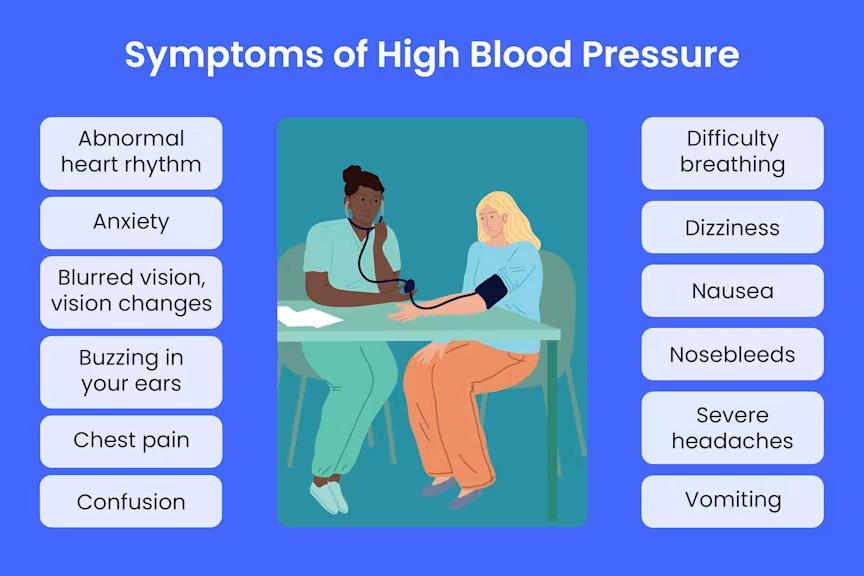
One of the most important facts about hypertension is that it frequently causes no symptoms.
A person can have significantly elevated blood pressure and still feel completely normal. The American Heart Association emphasizes that measuring blood pressure is the only way to know whether someone has hypertension.
This means symptoms such as occasional headaches, tiredness, dizziness, or stress should not be used as a substitute for blood pressure measurement.
Very severe blood pressure elevation can occur with symptoms that require urgent medical attention, particularly when there may be acute organ damage.
Potential warning symptoms include:
- Chest pain
- Shortness of breath
- Severe headache
- New weakness or numbness
- Difficulty speaking
- Sudden vision changes
- Back pain
- Confusion or other significant neurological changes
A blood pressure reading above 180/120 mm Hg accompanied by concerning symptoms can represent a hypertensive emergency. The AHA advises seeking emergency medical care in this situation.
What Is a Hypertensive Crisis?
A reading above 180/120 mm Hg is considered severely elevated under the AHA classification.
If a home reading is unexpectedly above this level, the AHA advises waiting about one minute and taking the measurement again. If it remains that high, the appropriate next step depends on whether symptoms are present.
If severe elevation occurs with symptoms such as chest pain, shortness of breath, weakness, numbness, vision changes, back pain, or difficulty speaking, emergency medical care is warranted.
If the reading remains above 180/120 mm Hg without those emergency symptoms, the person should promptly contact a healthcare professional for guidance.
Do not attempt to rapidly lower very high blood pressure by taking extra prescription medication unless a healthcare professional has specifically instructed you to do so.
How Is High Blood Pressure Diagnosed?
Hypertension should not normally be diagnosed from one isolated blood pressure measurement.
A clinician considers repeated readings, measurement technique, medical history, risk factors, and sometimes home or ambulatory blood pressure monitoring.
NHLBI notes that two or more readings at separate medical appointments may be needed to diagnose hypertension.
The USPSTF recommends screening adults aged 18 years or older for hypertension using office blood pressure measurement and confirming the diagnosis outside the clinical setting before starting treatment. Home blood pressure monitoring or ambulatory blood pressure monitoring can be used for confirmation.
This approach helps identify two important situations:
White-Coat Hypertension
Some people have higher readings in a medical setting than they typically have outside the clinic. This is commonly called white-coat hypertension.
Masked Hypertension
The opposite can also occur. A person’s office blood pressure may look acceptable while measurements outside the clinic are higher.
Home and ambulatory monitoring can therefore provide additional information that a single clinic measurement cannot.
How to Measure Blood Pressure Correctly at Home
Incorrect technique can produce misleading readings.
For a more reliable home measurement, the AHA recommends sitting with the back supported, keeping both feet flat on the floor, supporting the arm at heart level, and remaining quiet and still during the measurement.
Practical steps include:
- Avoid measuring immediately after exercise or other situations that can temporarily raise blood pressure.
- Sit quietly for several minutes before reading.
- Use an appropriately sized upper-arm cuff.
- Keep your back supported.
- Keep both feet flat on the floor.
- Support your arm at approximately heart level.
- Avoid talking during the measurement.
- Record readings consistently and share the log with your healthcare professional.
A validated automated upper-arm device is generally preferred over relying on unvalidated consumer devices.
What Tests May Be Done After a Hypertension Diagnosis?
A healthcare professional may order additional tests depending on the person’s age, symptoms, medical history, blood pressure severity, and risk factors.
The evaluation may include blood and urine testing, kidney function assessment, blood glucose or diabetes screening, cholesterol testing, an electrocardiogram, or other tests when clinically appropriate.
The purpose is not only to confirm elevated blood pressure but also to identify possible secondary causes and determine whether hypertension has affected organs such as the kidneys or heart.
The exact testing strategy should therefore be individualized rather than based on a fixed checklist for every patient.
How Is High Blood Pressure Treated?
Treatment depends on the degree of blood pressure elevation, cardiovascular risk, age, pregnancy status, kidney function, diabetes, previous cardiovascular disease, other medications, and the presence of secondary causes.
The current 2025 AHA/ACC guideline recommends lifestyle interventions for adults with elevated blood pressure and hypertension. It recommends medication for adults with an average blood pressure of at least 140/90 mm Hg and for selected adults with average blood pressure of at least 130/80 mm Hg depending on cardiovascular disease, previous stroke, diabetes, chronic kidney disease, or predicted cardiovascular risk.
Lifestyle Changes
Lifestyle modification remains an important part of hypertension management, whether or not medication is prescribed.
Common evidence-based strategies include:
- Following a heart-healthy eating pattern
- Reducing sodium intake
- Increasing appropriate dietary potassium
- Maintaining or working toward a healthy weight
- Getting regular physical activity
- Limiting or avoiding alcohol
- Stopping tobacco use
- Improving sleep
- Managing stress
- Monitoring blood pressure at home when advised
The DASH eating pattern—Dietary Approaches to Stop Hypertension—is one established dietary approach used in blood pressure management.
A heart-healthy diet generally emphasizes vegetables, fruits, whole grains, legumes, nuts, seeds, and appropriate sources of lean protein while limiting excess sodium, highly processed foods, saturated fat, and added sugars.
Blood Pressure Medications
Some people need medication in addition to lifestyle changes.
Common antihypertensive medication classes include:
- Thiazide-type diuretics
- ACE inhibitors
- Angiotensin II receptor blockers, or ARBs
- Calcium channel blockers
Other medications, including beta-blockers, aldosterone antagonists, alpha-blockers, and vasodilators, may be appropriate in particular clinical situations.
The choice depends on the individual’s health profile. For example, kidney disease, heart failure, diabetes, pregnancy, electrolyte abnormalities, heart rhythm conditions, and other factors can affect medication selection.
The AHA advises patients not to stop or change blood pressure medication without consulting their healthcare professional.
What Blood Pressure Goal Should You Aim For?
There is no single target that applies identically to every person.
WHO states that for most people with hypertension, a blood pressure below 140/90 mm Hg is a general treatment goal, while a target below 130/80 mm Hg may be appropriate for people with cardiovascular disease, diabetes, chronic kidney disease, or high cardiovascular risk.
The 2025 AHA/ACC guideline places greater emphasis on achieving systolic blood pressure below 130 mm Hg for adults being treated for hypertension, while recognizing that treatment decisions should be individualized.
These differences illustrate why patients should use the target provided by their own healthcare professional rather than applying a generic number from the internet.
Can High Blood Pressure Be Prevented?
Not every case can be prevented because age, genetics, and some medical conditions cannot be changed.
However, many lifestyle factors are modifiable.
A prevention strategy can include maintaining a healthy weight, eating a balanced diet, limiting sodium, staying physically active, avoiding tobacco, moderating alcohol, getting sufficient quality sleep, and managing conditions such as diabetes and high cholesterol.
Regular blood pressure screening is also a form of prevention because it can identify elevated blood pressure before complications develop.
The USPSTF suggests annual screening for adults aged 40 and older and adults at increased risk, while adults aged 18–39 with normal previous readings and no increased risk may be screened less frequently, such as every 3–5 years.
High Blood Pressure in Younger Adults
Hypertension is not exclusively a condition of older adults.
Young adults can develop high blood pressure because of family history, obesity, dietary patterns, physical inactivity, kidney disease, sleep apnea, medications, endocrine conditions, or other causes.
When hypertension appears at a young age or is unusually difficult to control, healthcare professionals may pay closer attention to secondary causes.
Children and adolescents can also develop elevated blood pressure, but pediatric blood pressure interpretation differs from adult classification and depends on age, sex, and height. Parents should therefore not apply adult blood pressure thresholds to children without pediatric guidance.
High Blood Pressure During Pregnancy
Pregnancy requires special attention because blood pressure disorders can affect both the pregnant person and fetus.
Hypertension during pregnancy can include chronic hypertension, gestational hypertension, preeclampsia, and other related conditions.
Symptoms such as severe headache, visual changes, upper abdominal pain, significant swelling, chest pain, or shortness of breath during pregnancy require prompt medical assessment.
Medication selection is also different during pregnancy. Some commonly used blood pressure medicines are not appropriate during pregnancy, so people who are pregnant or planning pregnancy should review their medications with their healthcare professional.
The AHA notes that pregnancy-related blood pressure thresholds and emergency considerations differ from those used in routine adult hypertension management.
High Blood Pressure and Kidney Health
The kidneys play an important role in controlling fluid balance and blood pressure.
Hypertension can damage kidney blood vessels over time, while kidney disease can also contribute to hypertension. This creates a potentially harmful cycle in which each condition can worsen the other.
People with chronic kidney disease should therefore have blood pressure monitored carefully and may have different medication considerations and treatment targets.
NHLBI identifies chronic kidney disease as both a risk factor for hypertension and a potential medical condition associated with secondary hypertension.
High Blood Pressure and Heart Disease
The cardiovascular consequences of uncontrolled hypertension are among its most important long-term concerns.
Persistently elevated blood pressure increases the workload placed on the heart and contributes to vascular damage. Over time, this can contribute to coronary artery disease, heart failure, stroke, and other cardiovascular complications.
Blood pressure management is therefore not simply about improving a number on a monitor. The broader goal is reducing the risk of cardiovascular and organ damage over time.
The CDC identifies hypertension as an important risk factor for heart disease and stroke and reported nearly 120 million U.S. adults with high blood pressure in 2024.
Common Myths About High Blood Pressure
Myth: “I feel fine, so my blood pressure must be normal.”
Not necessarily. Hypertension frequently produces no noticeable symptoms. Measurement is the reliable way to identify elevated blood pressure.
Myth: “One high reading means I have hypertension.”
A single high reading does not necessarily establish chronic hypertension. Repeated measurements and, when appropriate, home or ambulatory monitoring are commonly used to confirm the diagnosis.
Myth: “Medication means lifestyle changes are no longer necessary.”
Medication and lifestyle measures can work together. Treatment plans commonly include both when clinically appropriate.
Myth: “Only older people get high blood pressure.”
Hypertension can affect younger adults as well. Certain medical conditions, medications, family history, obesity, sleep disorders, and lifestyle factors can contribute.
Myth: “I can stop my medication once my numbers improve.”
A lower reading while taking medication can mean the treatment is working. Stopping medication without medical advice can cause blood pressure to rise again and may create health risks.
How to Build a Long-Term Blood Pressure Management Plan
Effective hypertension management is usually a process rather than a one-time intervention.
A practical plan can start with understanding your baseline numbers. Keep a blood pressure log if your healthcare professional recommends home monitoring. Record the date, time, reading, and any relevant circumstances.
Next, review modifiable factors such as dietary sodium, physical activity, alcohol intake, tobacco use, sleep, weight, and medication adherence.
If blood pressure remains elevated despite these measures, discuss the results with a healthcare professional rather than repeatedly changing your routine without guidance.
People taking medication should also review over-the-counter products and supplements with a clinician or pharmacist. Some medicines, including certain decongestants and nonsteroidal anti-inflammatory drugs, can affect blood pressure.
The 2025 AHA/ACC guideline also emphasizes home monitoring and team-based care as part of improving hypertension management.
Semantic Keywords and Related Search Terms
To strengthen topical coverage without keyword stuffing, this article naturally targets related concepts such as:
high blood pressure, hypertension, blood pressure symptoms, hypertension symptoms, high blood pressure causes, hypertension causes, blood pressure diagnosis, hypertension diagnosis, blood pressure treatment, hypertension treatment, blood pressure medication, antihypertensive drugs, systolic blood pressure, diastolic blood pressure, normal blood pressure, elevated blood pressure, stage 1 hypertension, stage 2 hypertension, hypertensive crisis, blood pressure monitoring, home blood pressure monitoring, ambulatory blood pressure monitoring, DASH diet, low sodium diet, hypertension risk factors, cardiovascular risk, heart disease and hypertension, hypertension and kidney disease, hypertension during pregnancy, secondary hypertension, primary hypertension, blood pressure numbers, how to lower blood pressure, hypertension prevention, high blood pressure complications, blood pressure medication side effects, lifestyle changes for hypertension, and heart-healthy lifestyle.
These terms help search engines and AI systems understand that the article comprehensively addresses the user’s underlying information need rather than targeting a single exact-match phrase.
Final Takeaway
High blood pressure is common, often silent, and highly relevant to long-term cardiovascular and overall health. WHO estimates that 1.4 billion adults aged 30–79 had hypertension worldwide in 2024, while CDC data indicate that nearly half of U.S. adults currently meet the U.S. definition of high blood pressure.
The most important first step is knowing your numbers through accurate, regular measurement. When hypertension is identified, treatment may include lifestyle changes, medication, or both. The appropriate blood pressure target and treatment strategy depend on the person’s overall health and risk profile.
Because high blood pressure can exist without symptoms, waiting until you feel unwell is not a reliable strategy. Regular screening, accurate home monitoring when recommended, evidence-based lifestyle changes, and appropriate medical follow-up can all play a role in reducing the long-term risks associated with hypertension.
For anyone with repeatedly elevated readings, symptoms of severe hypertension, pregnancy-related blood pressure concerns, kidney disease, diabetes, or cardiovascular disease, individualized guidance from a qualified healthcare professional is especially important.
Frequently Asked Questions
What is considered high blood pressure?
Under the current AHA/ACC adult classification, stage 1 hypertension begins at 130–139 mm Hg systolic or 80–89 mm Hg diastolic, while stage 2 begins at 140 mm Hg systolic or 90 mm Hg diastolic. WHO uses 140/90 mm Hg or higher as its definition of hypertension.
What are the symptoms of high blood pressure?
Most people with hypertension do not experience noticeable symptoms. Very severe hypertension may occur with symptoms such as chest pain, shortness of breath, neurological changes, or vision problems and may require emergency care.
Can high blood pressure be cured?
Hypertension can often be effectively controlled, but whether it can be permanently resolved depends on its cause and the individual. Some people require long-term medication and lifestyle management. Secondary hypertension may improve when its underlying cause is treated.
Can stress cause high blood pressure?
Stress can temporarily increase blood pressure, and chronic stress may contribute indirectly through sleep problems, unhealthy eating, inactivity, alcohol use, or other behaviors. Stress is only one factor among many that influence long-term blood pressure.
How can I lower my blood pressure naturally?
Evidence-based lifestyle measures include reducing sodium, eating a heart-healthy diet, increasing appropriate physical activity, maintaining a healthy weight, avoiding tobacco, limiting alcohol, improving sleep, and managing stress. People with established hypertension should not replace prescribed treatment with lifestyle measures without discussing it with their healthcare professional.
What should I do if my blood pressure is over 180/120?
Repeat the reading after about one minute. If it remains above 180/120 mm Hg and you have symptoms such as chest pain, shortness of breath, weakness, numbness, vision changes, back pain, or difficulty speaking, seek emergency medical care. If it remains severely elevated without those symptoms, contact a healthcare professional promptly for advice.
How often should blood pressure be checked?
The appropriate frequency depends on age, risk factors, previous readings, and whether hypertension has already been diagnosed. USPSTF guidance recommends screening all adults aged 18 and older and suggests more frequent screening for older adults and people at increased risk.
Is 130/80 considered high blood pressure?
Under the AHA/ACC classification, 130/80 mm Hg falls within stage 1 hypertension because either the systolic or diastolic value meets the stage 1 threshold. However, a diagnosis should be based on appropriately measured and repeated readings rather than one isolated measurement.
What foods should people with high blood pressure avoid?
There is no single universal list of forbidden foods. However, limiting high-sodium processed foods, heavily salted meals, processed meats, and other foods that contribute large amounts of sodium can help. WHO recommends less than 2,000 mg of sodium per day for adults.
Do people with high blood pressure need medication?
Some do and some do not. Treatment depends on the blood pressure level and overall cardiovascular risk. The 2025 AHA/ACC guideline recommends medication for adults with average blood pressure of at least 140/90 mm Hg and for selected adults at lower levels when cardiovascular risk or conditions such as diabetes, kidney disease, cardiovascular disease, or prior stroke are present.
Can high blood pressure damage the kidneys?
Yes. Long-standing hypertension can damage kidney blood vessels and contribute to chronic kidney disease. Kidney disease can also contribute to hypertension, making regular monitoring important in both conditions.
Is high blood pressure dangerous during pregnancy?
Hypertension during pregnancy can be serious and may be associated with conditions such as preeclampsia. Pregnant patients with elevated blood pressure or symptoms such as severe headache, visual changes, chest pain, abdominal pain, or shortness of breath should receive prompt medical assessment.