
Prediabetes Explained: Signs, Causes, and How to Prevent Type 2 Diabetes
Prediabetes is a warning stage in which blood glucose levels are higher than normal but not yet high enough to meet the diagnostic criteria for diabetes. It is closely associated with insulin resistance and an increased risk of developing type 2 diabetes, cardiovascular disease, and other metabolic health problems.
The condition is remarkably common. According to the U.S. National Institute of Diabetes and Digestive and Kidney Diseases (NIDDK), an estimated 97.6 million U.S. adults had prediabetes in 2021, representing more than 1 in 3 adults. The CDC’s more recent public-health messaging describes the prevalence as more than 2 in 5 U.S. adults, while also emphasizing that many people do not know they have it.
Prediabetes does not automatically mean that type 2 diabetes is inevitable. Evidence from the Diabetes Prevention Program and subsequent research shows that structured lifestyle changes can substantially reduce the risk of progression. The CDC reports that participation in its evidence-based lifestyle change program reduced the incidence of type 2 diabetes by 58%, with a 71% reduction reported among participants older than 60.
The challenge is that prediabetes often produces no obvious symptoms. A person may feel healthy while blood glucose and insulin regulation are gradually changing. This makes appropriate screening particularly important for people with risk factors.
This guide explains what prediabetes means, what causes it, the possible signs and symptoms, who is at higher risk, how prediabetes is diagnosed, what the numbers mean, and the evidence-based steps that can help prevent or delay type 2 diabetes.
What Is Prediabetes?
Prediabetes means that blood glucose is above the normal range but below the threshold used to diagnose diabetes.
It is not simply a vague condition of having “slightly high sugar.” It reflects an increased metabolic risk and can indicate that the body is becoming less responsive to insulin.
Insulin is a hormone produced by the pancreas. After you eat, carbohydrates are broken down into glucose, which enters the bloodstream. Insulin helps glucose move from the blood into cells where it can be used for energy.
With insulin resistance, cells in the muscles, liver, and fat tissue do not respond as effectively to insulin. The pancreas initially compensates by producing more insulin. Over time, however, the pancreas may not be able to produce enough insulin to overcome the resistance, causing blood glucose levels to rise. NIDDK describes this combination of insulin resistance and inadequate insulin production as a central part of how type 2 diabetes develops.
Prediabetes represents an intermediate stage in this process. It can sometimes improve substantially when the factors contributing to insulin resistance are addressed.
Is Prediabetes the Same as Type 2 Diabetes?
No.
Prediabetes and type 2 diabetes are related but have different diagnostic thresholds.
For nonpregnant adults, NIDDK lists the following ranges:
| Test | Normal | Prediabetes | Diabetes |
| A1C | Below 5.7% | 5.7%–6.4% | 6.5% or higher |
| Fasting plasma glucose | 99 mg/dL or below | 100–125 mg/dL | 126 mg/dL or higher |
| 2-hour oral glucose tolerance test | 139 mg/dL or below | 140–199 mg/dL | 200 mg/dL or higher |
These values apply to standard diagnostic testing in nonpregnant individuals; pregnancy uses different testing approaches and thresholds.
The distinction matters because someone with an A1C of 6.0%, for example, has a result in the prediabetes range—not a diagnosis of diabetes.
However, the risk of developing diabetes generally increases as glucose or A1C moves higher within the prediabetes range. NIDDK notes that people toward the higher end of the prediabetes range have greater progression risk than people at the lower end.
What Causes Prediabetes?
Prediabetes usually develops through a combination of insulin resistance, genetic susceptibility, body-fat distribution, physical inactivity, dietary patterns, age, and other health factors.
It is important not to reduce prediabetes to one cause such as “eating too much sugar.” Added sugar can contribute to excess calorie intake and metabolic risk, but prediabetes is a complex condition involving how the body produces and responds to insulin.
Insulin Resistance
Insulin resistance is one of the central mechanisms behind prediabetes.
When cells become less responsive to insulin, the pancreas has to produce more insulin to maintain normal blood glucose. For a period of time, this compensation may keep glucose within or near the normal range.
Eventually, compensation may become insufficient. Blood glucose then begins to rise.
This helps explain why prediabetes can exist for years before diabetes develops. The metabolic changes can occur gradually rather than appearing suddenly.
Excess Body Weight and Abdominal Fat
Overweight and obesity are important risk factors for prediabetes and type 2 diabetes.
However, body weight alone does not determine whether someone will develop prediabetes. Fat distribution also matters. Excess visceral or abdominal fat is associated with insulin resistance and other metabolic abnormalities.
A person can therefore have prediabetes without having severe obesity, while another person with a higher body weight may not have prediabetes.
NIDDK identifies overweight or obesity, including elevated waist circumference, as important risk factors for diabetes.
Physical Inactivity
Muscle tissue plays an important role in glucose metabolism.
When skeletal muscles contract during physical activity, glucose uptake can increase through mechanisms that are not completely dependent on insulin. Regular activity also improves insulin sensitivity over time.
In contrast, prolonged physical inactivity is associated with higher risk of insulin resistance and type 2 diabetes.
CDC identifies being physically active fewer than three times per week as a risk factor for prediabetes and type 2 diabetes.
Genetics and Family History
Genetics influence susceptibility to insulin resistance and type 2 diabetes.
Having a parent, brother, or sister with type 2 diabetes increases risk. Genetic susceptibility may interact with body weight, physical activity, diet, sleep, age, and other environmental factors.
A family history does not mean diabetes is inevitable. It means prevention and screening may be particularly important.
Age
The risk of prediabetes and type 2 diabetes generally increases with age.
CDC identifies age 45 or older as a risk factor for prediabetes, although younger adults and children can also develop insulin resistance and type 2 diabetes.
Age should therefore be considered alongside other factors rather than treated as a strict cutoff.
History of Gestational Diabetes
Women who have had gestational diabetes have an increased risk of developing type 2 diabetes later in life.
A history of giving birth to a baby weighing more than 9 pounds is also recognized as a diabetes risk factor by CDC and NIDDK.
This is one reason postpartum metabolic follow-up is important for people with a history of gestational diabetes.
Polycystic Ovary Syndrome
Polycystic ovary syndrome, or PCOS, is associated with insulin resistance and an increased risk of prediabetes and type 2 diabetes.
CDC lists PCOS among risk factors that should prompt attention to diabetes risk.
People with PCOS may benefit from individualized screening and management of weight, blood pressure, cholesterol, glucose, and other metabolic factors.
High Blood Pressure and Abnormal Cholesterol
Prediabetes often occurs as part of a broader pattern of cardiometabolic risk.
High blood pressure, elevated triglycerides, low HDL cholesterol, and excess abdominal fat can occur alongside insulin resistance.
The 2026 American Diabetes Association Standards of Care notes that prediabetes is associated with obesity, dyslipidemia, hypertension, and other cardiometabolic risk factors and recommends comprehensive assessment of cardiovascular risk factors.
This is why treating prediabetes should not focus only on the glucose number.
What Are the Signs and Symptoms of Prediabetes?
One of the most important facts about prediabetes is that there may be no obvious symptoms.
CDC states that people can have prediabetes for years without clear symptoms, and approximately 8 in 10 people with prediabetes do not know they have it.
That means the absence of symptoms does not mean blood glucose is normal.
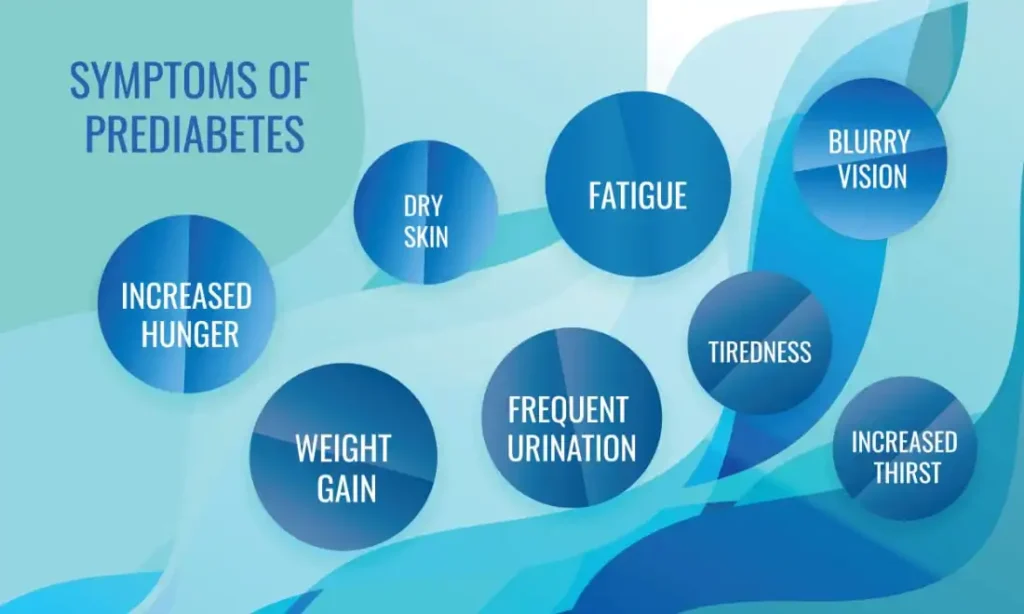
Some people may experience nonspecific symptoms such as fatigue or increased hunger, but these symptoms are not reliable ways to diagnose prediabetes. Many are caused by common conditions unrelated to blood glucose.
For that reason, laboratory testing is much more useful than attempting to identify prediabetes based on how you feel.
Does Prediabetes Cause Frequent Urination or Excessive Thirst?
These are classic symptoms of diabetes, but they are not reliable indicators of prediabetes.
When blood glucose becomes sufficiently high, glucose can spill into urine and draw water with it, contributing to increased urination and thirst.
Prediabetes generally does not produce glucose levels high enough to consistently cause these symptoms.
If someone develops persistent excessive thirst, frequent urination, unexplained weight loss, blurred vision, or significant fatigue, they should discuss these symptoms with a healthcare professional because they may indicate diabetes or another medical problem.
Who Should Be Tested for Prediabetes?
Screening decisions depend on age, body weight, family history, pregnancy history, and other risk factors.
People who are overweight or obese, have a family history of type 2 diabetes, are physically inactive, have high blood pressure, have abnormal cholesterol, have PCOS, or have had gestational diabetes may have an increased likelihood of prediabetes.
CDC specifically lists several risk factors, including being 45 or older, having overweight or obesity, having a parent or sibling with type 2 diabetes, being physically active fewer than three times a week, having had gestational diabetes, and having PCOS.
The 2026 ADA Standards of Care also recommend risk-based screening for children and adolescents with overweight or obesity plus additional diabetes risk factors, beginning after puberty or age 10, whichever comes first.
Screening should therefore be individualized rather than based solely on age.
How Is Prediabetes Diagnosed?
Prediabetes is diagnosed using blood tests.
The three standard testing approaches are the A1C test, fasting plasma glucose test, and oral glucose tolerance test. NIDDK confirms that these are the recommended methods for identifying prediabetes.
A1C Test
The A1C test measures glycated hemoglobin and reflects average blood glucose over approximately the previous two to three months.
An A1C of:
- Below 5.7% is considered normal.
- 5.7% to 6.4% is in the prediabetes range.
- 6.5% or higher is in the diabetes range.
A major advantage is that fasting is not required for an A1C test.
However, A1C may be affected by certain medical conditions, including some disorders involving red blood cells or hemoglobin. A healthcare professional can determine whether another test would be more appropriate.
Fasting Blood Glucose
Fasting plasma glucose measures blood glucose after fasting, generally overnight.
A fasting glucose of 100–125 mg/dL is in the prediabetes range.
A result of 126 mg/dL or higher is in the diabetes range, but diabetes generally requires confirmation with repeat testing unless symptoms or other diagnostic circumstances make the diagnosis clear.
Oral Glucose Tolerance Test
An oral glucose tolerance test measures how the body responds to a standardized glucose load.
The person drinks a glucose solution and blood glucose is measured after two hours.
A 2-hour glucose value of 140–199 mg/dL indicates impaired glucose tolerance, a form of prediabetes. A result of 200 mg/dL or higher falls in the diabetes range.
The test can identify some people whose fasting glucose or A1C does not show prediabetes, so the different tests are not completely interchangeable.
What Does an A1C of 5.7%, 6.0%, or 6.4% Mean?
An A1C between 5.7% and 6.4% falls within the prediabetes range.
However, these values should not be interpreted as three identical levels of risk.
Within the prediabetes range, higher A1C generally corresponds to greater risk of progression to diabetes. NIDDK notes that risk becomes higher as glucose measurements move toward the diabetes threshold.
For example, an A1C of 6.4% is much closer to the diagnostic threshold for diabetes than an A1C of 5.7%.
That does not mean a person with 6.4% will definitely develop diabetes. Nor does 5.7% mean there is no meaningful risk.
The correct interpretation depends on the person’s full health profile.
Can Prediabetes Be Reversed?
Prediabetes can improve, and blood glucose can return to the normal range in some people.
However, “reversing prediabetes” should not be interpreted as permanently eliminating future diabetes risk.
A person may improve their A1C through weight loss, increased physical activity, healthier eating, better sleep, and treatment of related conditions. If those changes are not maintained, blood glucose can rise again.
The CDC states that early action can reverse prediabetes and prevent or delay type 2 diabetes.
The practical goal is therefore long-term metabolic health rather than achieving one normal test result and then returning to previous habits.
How Can You Prevent Type 2 Diabetes If You Have Prediabetes?
The strongest evidence supports a combination of dietary improvement, increased physical activity, and modest weight reduction when appropriate.
The 2026 ADA Standards of Care recommend that adults with overweight or obesity who are at high risk of type 2 diabetes pursue at least 5%–7% weight loss through a healthy reduced-calorie eating pattern and at least 150 minutes per week of moderate-intensity physical activity.
These numbers are practical targets, not requirements for everyone.
Aim for Modest, Sustainable Weight Loss
If you are overweight or obese, losing approximately 5%–7% of initial body weight can improve metabolic health.
For example, a person weighing 200 pounds would be targeting approximately 10–14 pounds.
The CDC uses this same 5%–7% range in its diabetes prevention guidance.
The emphasis should be on sustainable changes rather than crash dieting.
Rapid weight-loss programs may produce short-term changes but can be difficult to maintain. A structured approach that combines nutrition, physical activity, sleep, behavioral strategies, and professional support may be more realistic for long-term prevention.
Increase Physical Activity
A common evidence-based target is at least 150 minutes of moderate-intensity physical activity per week.
Brisk walking is one example.
You could divide 150 minutes into 30-minute sessions on five days each week, although physical activity can be distributed differently depending on your schedule and health.
The ADA notes that physical activity of at least 150 minutes per week reduced the incidence of type 2 diabetes by 44% in the Diabetes Prevention Program even without achieving the program’s weight-loss target.
That finding is important because it shows that exercise has benefits beyond weight loss.
Choose a Sustainable Eating Pattern
There is no single diet that every person with prediabetes must follow.
The 2026 ADA Standards of Care recommend evidence-based eating patterns such as Mediterranean-style and lower-carbohydrate approaches for people with prediabetes, while allowing dietary choices to be individualized.
A practical eating pattern can emphasize vegetables, legumes, whole grains, nuts, seeds, lean protein, fish where appropriate, and minimally processed foods.
At the same time, it can reduce frequent consumption of sugar-sweetened beverages, highly refined carbohydrates, heavily processed foods, and excess calories.
The goal is not to eliminate carbohydrates completely. Carbohydrate quality, portion size, fiber content, and the overall dietary pattern matter.
Increase Fiber-Rich Foods
Fiber can help improve satiety and support healthier blood glucose responses.
Beans, lentils, vegetables, whole grains, nuts, seeds, and whole fruits can all contribute to dietary fiber intake.
Replacing highly refined carbohydrate foods with higher-fiber alternatives can be a practical step for people working to improve glucose control.
Be Careful With Sugary Drinks
Sugar-sweetened beverages can provide substantial amounts of rapidly absorbed carbohydrates without providing the same satiety as whole foods.
Regular consumption can contribute to excess calorie intake and weight gain.
Replacing soft drinks, sweetened juices, energy drinks, and other sugary beverages with water or unsweetened options can be a relatively simple behavioral change.
Don’t Smoke
Smoking is associated with increased risk of type 2 diabetes as well as cardiovascular disease.
NIDDK lists smoking and tobacco exposure among factors associated with increased diabetes risk.
If you smoke, quitting provides benefits well beyond diabetes prevention.
Improve Sleep
Sleep is increasingly recognized as part of metabolic health.
Poor sleep can make it harder to regulate appetite, maintain physical activity, and follow healthy eating patterns. It may also interact with insulin sensitivity and weight regulation.
People with prediabetes should therefore consider sleep as part of their overall prevention strategy rather than focusing exclusively on diet and exercise.
Manage Stress
Stress does not mean that someone caused their prediabetes by “being stressed.”
However, chronic stress can influence sleep, food choices, physical activity, and other behaviors that affect metabolic health.
Stress-management strategies can include regular exercise, adequate sleep, relaxation practices, social support, counseling, mindfulness, or other approaches that fit the person’s circumstances.
How Effective Is the Diabetes Prevention Program?
The Diabetes Prevention Program, or DPP, is one of the most influential clinical studies in diabetes prevention.
The lifestyle intervention focused on weight loss, healthier eating, and at least 150 minutes of moderate physical activity each week.
According to CDC, people participating in a structured lifestyle-change program reduced their risk of developing type 2 diabetes by 58%, while people older than 60 experienced a 71% reduction.
The results are especially important because they demonstrate that type 2 diabetes prevention is not purely theoretical.
Lifestyle intervention can change the probability of developing the disease.
Long-term follow-up also found persistent benefit. CDC reports that participants remained about one-third less likely to develop type 2 diabetes a decade later compared with the placebo group.
These results support the use of structured prevention programs rather than relying solely on general advice such as “eat less sugar.”
Can Medication Prevent Type 2 Diabetes?
Lifestyle intervention is generally the foundation of prediabetes management, but medication may be considered for selected high-risk individuals.
Metformin has been studied extensively for diabetes prevention and may be appropriate for certain people, particularly those with higher-risk characteristics.
NIDDK notes that people with prediabetes can discuss metformin with their healthcare professional as one option for preventing or delaying type 2 diabetes.
Medication decisions should be individualized.
Factors such as age, BMI, A1C, pregnancy history, previous gestational diabetes, kidney function, other medications, and overall diabetes risk can influence whether medication is appropriate.
Medication should not be started or stopped based solely on an online article.
Prediabetes and Heart Disease Risk
Prediabetes is not only about future diabetes.
It can occur alongside high blood pressure, abnormal cholesterol, abdominal obesity, and other cardiometabolic risk factors.
NIDDK states that prediabetes increases the risk of heart disease, while the ADA recommends assessing cardiovascular risk factors when prediabetes is identified.
This means a prediabetes evaluation may also be an opportunity to check:
- Blood pressure.
- Cholesterol and triglycerides.
- Body weight and waist circumference.
- Smoking status.
- Physical activity.
- Family history.
- Cardiovascular disease history.
Managing these factors can provide broader health benefits even if a person’s glucose levels never progress to diabetes.
Prediabetes During Pregnancy and After Gestational Diabetes
Prediabetes and gestational diabetes should not be confused.
Gestational diabetes is diabetes diagnosed during pregnancy and requires pregnancy-specific screening and management.
However, a history of gestational diabetes increases the risk of developing type 2 diabetes later.
CDC identifies previous gestational diabetes as a risk factor for prediabetes and type 2 diabetes.
Women with this history should discuss appropriate postpartum and long-term diabetes screening with their healthcare professional.
Pregnancy also changes glucose metabolism and diagnostic criteria, so the standard nonpregnant A1C and glucose thresholds should not simply be applied to pregnancy without medical guidance.
Prediabetes in Children and Teenagers
Prediabetes is not exclusively an adult condition.
Children and adolescents with overweight or obesity and additional risk factors may need screening.
The 2026 ADA Standards of Care recommend considering risk-based screening after puberty or at age 10, whichever occurs earlier, in children and adolescents with overweight or obesity who have additional diabetes risk factors. These include family history, maternal diabetes or gestational diabetes during pregnancy, and certain high-risk population backgrounds.
For children, prevention should be family-centered rather than focused on restrictive dieting or weight stigma.
Healthy meals, adequate physical activity, good sleep, reduced sugary beverages, and regular pediatric care can support metabolic health.
Parents should discuss abnormal glucose results with a pediatrician rather than trying to manage a child’s blood sugar independently.
A Practical Prediabetes Prevention Plan
A realistic prevention plan does not need to involve dozens of simultaneous changes.
Start by identifying the highest-impact habits.
If sugary drinks are consumed frequently, replacing them with water or unsweetened beverages may be an achievable first step.
If physical activity is minimal, begin with regular walking and gradually increase duration.
If meals are dominated by refined carbohydrates, add vegetables, legumes, whole grains, lean protein, and other high-fiber foods.
If weight loss is medically appropriate, a 5%–7% reduction is a reasonable evidence-based initial target.
If sleep is consistently inadequate, establish a regular sleep schedule and address factors interfering with rest.
Most importantly, track progress over time rather than expecting a dramatic change within days.
Prediabetes prevention works best as a long-term health strategy.
When Should You See a Doctor?
You should discuss screening with a healthcare professional if you have risk factors for prediabetes or type 2 diabetes.
You should also seek medical evaluation if you develop symptoms that could indicate diabetes, including persistent excessive thirst, frequent urination, unexplained weight loss, blurred vision, or unusual fatigue.
Do not rely on a home glucose meter to diagnose diabetes. NIDDK states that over-the-counter blood glucose meters are not suitable for diagnosing diabetes. Laboratory blood testing is required for diagnosis.
If a test shows prediabetes, ask what the result means in the context of your overall risk and when repeat testing is appropriate.
Internal Linking Opportunities for This Article
This article can serve as a core page within a broader diabetes, nutrition, cardiovascular health, and preventive-care content cluster.
Suggested internal links to existing or related blog content include:
- “High Blood Pressure: Causes, Symptoms & Treatment” — anchor text: high blood pressure and diabetes risk
- “What Causes High Cholesterol and How Can You Lower It?” — anchor text: cholesterol and metabolic health
- “Healthy Weight for Kids: Nutrition Tips by Age” — anchor text: healthy weight and diabetes prevention
- “Signs of Vitamin Deficiency in Children” — anchor text: healthy nutrition for children
- “Why Kids Get Sick Often & Build Immunity” — anchor text: healthy lifestyle habits for children
- A future “Type 2 Diabetes: Symptoms, Causes and Treatment” article — anchor text: type 2 diabetes symptoms and treatment
- A future “Insulin Resistance Explained” article — anchor text: insulin resistance
- A future “Best Foods for Blood Sugar Control” article — anchor text: foods for healthy blood sugar
- A future “A1C Test Explained” article — anchor text: A1C blood test
- A future “Gestational Diabetes: Symptoms, Risks and Prevention” article — anchor text: gestational diabetes
- A future “Diabetes-Friendly Meal Planning Guide” article — anchor text: diabetes meal planning
Relevant healthcare service-page opportunities include:
- Diabetes Management — anchor text: diabetes management
- Preventive Health Checkup — anchor text: preventive health screening
- Nutrition Consultation — anchor text: personalized nutrition counseling
- Weight Management Program — anchor text: weight management support
- Endocrinology Consultation — anchor text: endocrinology consultation
- Family Medicine Consultation — anchor text: comprehensive diabetes risk assessment
- Laboratory Testing Services — anchor text: blood glucose and A1C testing
- Pediatric Consultation — anchor text: pediatric diabetes screening
The actual URLs should be taken from the website’s sitemap or CMS rather than invented. This preserves link accuracy while creating a strong internal topical structure.
Related Semantic Keywords for SEO, LLMS, and GEO
The primary keyword should remain natural throughout the article rather than being repeated mechanically.
Useful related semantic keywords include:
prediabetes explained, what is prediabetes, prediabetes symptoms, signs of prediabetes, prediabetes causes, prediabetes risk factors, prediabetes treatment, prediabetes diet, how to reverse prediabetes, can prediabetes be reversed, how to prevent type 2 diabetes, type 2 diabetes prevention, insulin resistance, insulin resistance symptoms, high blood sugar, blood glucose levels, fasting blood sugar, fasting glucose, A1C test, HbA1c, prediabetes A1C range, normal A1C, fasting glucose range, oral glucose tolerance test, impaired fasting glucose, impaired glucose tolerance, diabetes risk factors, diabetes prevention, diabetes prevention program, healthy eating for prediabetes, exercise for prediabetes, weight loss and blood sugar, blood sugar control, metabolic health, cardiovascular risk, gestational diabetes, PCOS and insulin resistance, prediabetes in children, prediabetes screening, type 2 diabetes risk, and diabetes lifestyle changes.
For GEO and LLM visibility, the article should also directly answer conversational queries such as:
“What does prediabetes mean?”
“Can prediabetes go away?”
“What A1C level is prediabetes?”
“What are the first signs of prediabetes?”
“How can I prevent prediabetes from becoming diabetes?”
“What foods should I eat with prediabetes?”
“Does exercise reverse prediabetes?”
“Can you have prediabetes without symptoms?”
These question formats make the page easier for search engines and AI systems to associate with specific user intents.
E-E-A-T Recommendations for Publishing This Health Article
Prediabetes is a medical topic, so trust signals should be especially strong.
The website should identify the article’s author and, where possible, include a medical reviewer such as a physician, endocrinologist, registered dietitian, or another appropriately qualified healthcare professional.
The page should display the original publication date and a clearly visible “last medically reviewed” or “last updated” date.
Because diabetes screening thresholds and prevention recommendations can evolve, the content should be reviewed periodically against current guidance from organizations such as the CDC, NIDDK, and American Diabetes Association.
Primary sources should be preferred over commercial health websites when citing diagnostic thresholds and prevention recommendations.
The article should also distinguish between association and causation. For example, having obesity, physical inactivity, or a family history increases diabetes risk, but no single factor guarantees that an individual will develop diabetes.
Avoid claims that a particular food, herb, supplement, detox program, or fasting method can “cure” prediabetes. Evidence-based lifestyle changes can improve glucose regulation and reduce diabetes risk, but individual outcomes vary.
Key Takeaways
Prediabetes means blood glucose is higher than normal but not yet in the diabetes range.
It is common and often silent. CDC estimates that more than 2 in 5 U.S. adults have prediabetes, and approximately 8 in 10 people with prediabetes do not know they have it.
The most common diagnostic tests are A1C, fasting plasma glucose, and the 2-hour oral glucose tolerance test. Prediabetes generally corresponds to an A1C of 5.7%–6.4%, fasting glucose of 100–125 mg/dL, or a 2-hour glucose result of 140–199 mg/dL.
Prediabetes develops through complex interactions between insulin resistance, genetics, body-fat distribution, physical activity, age, diet, and other health factors.
It does not mean that type 2 diabetes is inevitable.
For people at high risk, evidence-based lifestyle intervention can significantly reduce the chance of developing type 2 diabetes. The CDC reports a 58% reduction in diabetes incidence through its structured lifestyle-change program, increasing to 71% among adults older than 60.
A practical prevention strategy focuses on sustainable changes: modest weight loss when appropriate, at least 150 minutes of moderate physical activity per week, a nutrient-dense eating pattern, adequate sleep, tobacco avoidance, and management of blood pressure, cholesterol, and other cardiometabolic risk factors.
The earlier prediabetes is identified, the more opportunity there is to address risk factors before type 2 diabetes develops.
Frequently Asked Questions About
What is prediabetes?
Prediabetes is a condition in which blood glucose levels are higher than normal but not high enough to meet the criteria for diabetes. It is associated with increased risk of developing type 2 diabetes and cardiovascular disease.
What are the first signs of prediabetes?
Usually, there are no obvious signs. Prediabetes can exist for years without noticeable symptoms, which is why blood testing is important for people with risk factors.
Can you have prediabetes without knowing it?
Yes. In fact, most people with prediabetes may not know they have it. CDC reports that approximately 8 in 10 people with prediabetes are unaware of their condition.
What A1C level is considered prediabetes?
An A1C of 5.7% to 6.4% is considered the prediabetes range for standard adult testing. An A1C of 6.5% or higher falls in the diabetes range and generally requires appropriate confirmation.
Is fasting blood sugar of 110 considered prediabetes?
Yes. A fasting plasma glucose of 100–125 mg/dL falls within the prediabetes range. A single result should be interpreted by a healthcare professional and, when necessary, confirmed according to diagnostic guidance.
Can prediabetes be reversed naturally?
Blood glucose can return to the normal range in some people through lifestyle changes such as weight loss when appropriate, increased physical activity, and healthier eating. However, the underlying risk may remain, so long-term healthy habits and appropriate monitoring are important.
How much weight should I lose if I have prediabetes?
For adults with overweight or obesity who are at high risk, the 2026 ADA Standards of Care recommend targeting at least 5%–7% weight loss as part of an evidence-based diabetes prevention strategy.
How much exercise should I do to prevent diabetes?
A commonly recommended target is at least 150 minutes of moderate-intensity physical activity each week. Brisk walking is one practical example. The ADA notes that achieving at least 150 minutes of weekly activity reduced diabetes incidence by 44% in the Diabetes Prevention Program even without achieving the study’s weight-loss target.
What foods should I eat if I have prediabetes?
A healthy eating pattern can emphasize vegetables, whole fruits, legumes, whole grains, nuts, seeds, lean protein, and other minimally processed foods. The 2026 ADA Standards of Care recognize several evidence-based dietary patterns, including Mediterranean-style and lower-carbohydrate approaches.
Should I stop eating carbohydrates if I have prediabetes?
Not necessarily. Carbohydrates are not automatically unhealthy. The type, portion, fiber content, and overall dietary pattern matter. A healthcare professional or registered dietitian can help create an eating pattern appropriate for your glucose levels, health conditions, medications, and preferences.
Can prediabetes cause fatigue?
Prediabetes usually has no specific symptoms, and fatigue has many possible causes. Persistent fatigue should not automatically be attributed to prediabetes. If fatigue is ongoing or accompanied by excessive thirst, frequent urination, blurred vision, or unexplained weight loss, medical evaluation is appropriate.
Does prediabetes always become diabetes?
No. Prediabetes increases the risk of type 2 diabetes, but progression is not inevitable. Lifestyle changes can substantially reduce the risk of developing type 2 diabetes.
Can walking lower blood sugar?
Regular walking and other physical activities can improve insulin sensitivity and glucose regulation. Walking is also a practical way to work toward the evidence-based target of at least 150 minutes of moderate activity per week.
Is prediabetes dangerous?
Prediabetes is considered a serious health condition because it increases the risk of type 2 diabetes, cardiovascular disease, and other metabolic problems. The CDC recommends taking early action rather than waiting for diabetes to develop.
Can children have prediabetes?
Yes. Children and adolescents can develop prediabetes, particularly those with overweight or obesity and additional risk factors. The 2026 ADA Standards of Care recommend risk-based screening for certain higher-risk children beginning after puberty or age 10, whichever comes first.
Is prediabetes the same as insulin resistance?
They are closely related but not identical terms. Insulin resistance describes reduced responsiveness to insulin, while prediabetes describes blood glucose or A1C levels that fall within a defined intermediate range. Insulin resistance is an important mechanism contributing to prediabetes and type 2 diabetes.
Can medication prevent prediabetes from becoming diabetes?
In selected high-risk individuals, medication such as metformin may be considered alongside lifestyle intervention. NIDDK recommends discussing whether metformin is appropriate with a healthcare professional rather than treating medication as a universal solution.
How often should prediabetes be checked?
The appropriate interval depends on the individual’s glucose results, age, risk factors, treatment plan, and clinical history. Your healthcare professional can determine when repeat A1C or glucose testing is appropriate.
What is the most effective way to prevent type 2 diabetes?
Evidence supports combining sustainable lifestyle changes rather than relying on one intervention. For high-risk adults with overweight or obesity, the 2026 ADA recommends at least 5%–7% weight loss, a healthy eating pattern, and at least 150 minutes of moderate physical activity per week.