
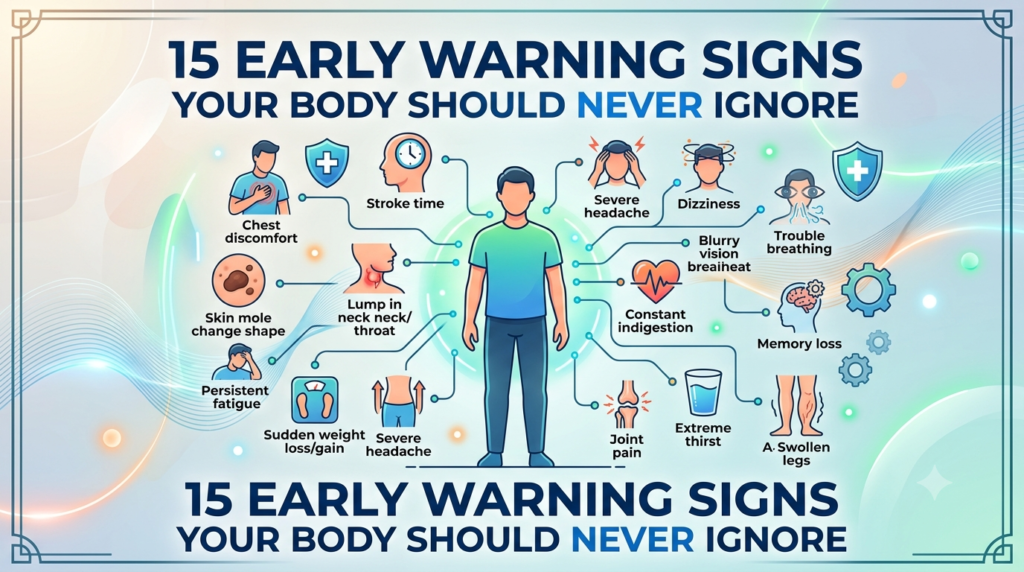
15 Early Warning Signs Your Body Should Never Ignore
Your body constantly sends signals about your health. While occasional aches, fatigue, or headaches are often harmless, some symptoms can be early indicators of serious medical conditions that require prompt attention. Unfortunately, many people dismiss these warning signs as stress, aging, or temporary discomfort, delaying diagnosis until the condition becomes more advanced.
According to the World Health Organization (WHO), non-communicable diseases such as cardiovascular disease, cancer, diabetes, and chronic respiratory diseases account for approximately 74% of all deaths globally. Many of these illnesses develop gradually and present subtle symptoms long before they become medical emergencies. Likewise, the Centers for Disease Control and Prevention (CDC) reports that 6 in 10 adults live with at least one chronic disease, and 4 in 10 adults have two or more chronic conditions.
The encouraging news is that many serious illnesses can be treated more effectively when detected early. Recognizing unusual changes in your body and seeking timely medical evaluation can significantly improve treatment outcomes, reduce complications, and even save your life.
In this guide, you’ll learn about 15 early warning signs your body should never ignore, the medical conditions they may indicate, and when it’s time to consult a healthcare professional.
Why Paying Attention to Early Symptoms Matters
Every person experiences occasional discomfort, but persistent or unexplained symptoms deserve careful attention. The body often provides warning signals before a disease progresses to an advanced stage. Identifying these signs early allows doctors to diagnose conditions sooner, begin treatment promptly, and reduce the risk of long-term complications.
For example, patients diagnosed with heart disease before experiencing a heart attack often have significantly better outcomes than those treated after permanent heart muscle damage occurs. Similarly, many cancers—including breast, colorectal, cervical, and prostate cancer—have much higher survival rates when detected in their earliest stages through symptom recognition and routine screening.
It’s equally important to remember that not every symptom indicates a life-threatening illness. Chest pain may result from acid reflux, fatigue may stem from poor sleep, and headaches are frequently caused by stress. However, when symptoms are persistent, worsening, or accompanied by other concerning changes, professional medical evaluation is the safest approach.
Expert Insight: Healthcare providers recommend paying attention to symptoms that are new, persistent, unexplained, or progressively worsening, especially if they interfere with your daily activities or quality of life.
1. Persistent Chest Pain or Pressure
Chest pain is one of the most important warning signs your body can produce. Although many people associate chest pain exclusively with heart attacks, it can also signal other serious cardiovascular or respiratory conditions that require immediate medical attention.
People often describe heart-related chest pain as pressure, squeezing, heaviness, tightness, or a burning sensation rather than a sharp pain. The discomfort may remain in the center of the chest or radiate to the left arm, right arm, shoulders, neck, jaw, or upper back. Some individuals, particularly women, older adults, and people living with diabetes, may experience less obvious symptoms such as nausea, unusual fatigue, dizziness, or shortness of breath instead of severe chest pain.
Several medical conditions can cause chest discomfort. Coronary artery disease, angina, and heart attacks are among the most serious cardiovascular causes. Lung conditions such as pulmonary embolism, pneumonia, or inflammation of the lung lining may also trigger chest pain. In some cases, digestive disorders including gastroesophageal reflux disease (GERD) or muscle strain can produce similar symptoms, making self-diagnosis unreliable.
The American Heart Association emphasizes that every minute counts during a heart attack because delayed treatment increases heart muscle damage. Modern treatments such as angioplasty and clot-dissolving medications are most effective when administered quickly after symptoms begin.
If chest pain lasts more than a few minutes, occurs during physical activity, or is accompanied by sweating, difficulty breathing, nausea, dizziness, or pain spreading to the jaw or arm, seek emergency medical care immediately rather than waiting to see if the symptoms improve.
Why Early Diagnosis Matters
Early diagnosis of heart disease allows physicians to begin treatments that reduce the risk of future heart attacks and strokes. Lifestyle changes, medications, and preventive care can significantly improve long-term cardiovascular health when initiated before permanent damage occurs.
Internal Linking Opportunities
Related Blogs
- Heart Attack vs. Heartburn: How to Tell the Difference
- 10 Warning Signs of Heart Disease
- How to Lower Your Blood Pressure Naturally
Relevant Service Pages
- Cardiology Services
- Emergency Care
- Cardiac Health Screening
2. Sudden Shortness of Breath
Feeling breathless after intense exercise is perfectly normal. However, sudden or unexplained shortness of breath during everyday activities—or even while resting—should never be ignored.
Breathing difficulties occur when the body struggles to obtain enough oxygen or efficiently remove carbon dioxide. This symptom can develop gradually over several weeks or appear suddenly within minutes. Either pattern deserves medical evaluation if there is no obvious explanation.
Shortness of breath may result from respiratory diseases such as asthma, chronic obstructive pulmonary disease (COPD), pneumonia, or severe respiratory infections. It can also indicate heart failure, pulmonary embolism, anemia, allergic reactions, or anxiety disorders. Because multiple body systems influence breathing, determining the exact cause requires clinical assessment and, in many cases, diagnostic testing.
People experiencing heart-related breathing problems often notice increasing breathlessness while climbing stairs, walking short distances, or lying flat in bed. Others may wake suddenly during the night struggling to breathe, which can indicate fluid accumulation caused by heart failure.
According to the Global Initiative for Chronic Obstructive Lung Disease (GOLD), COPD remains one of the leading causes of illness and death worldwide, while cardiovascular disease continues to be a major contributor to breathing difficulties in older adults.
Shortness of breath becomes particularly concerning when accompanied by chest pain, coughing up blood, blue lips or fingertips, confusion, or fainting. These symptoms may indicate a medical emergency requiring immediate treatment.
Why Early Diagnosis Matters
Identifying the underlying cause early helps prevent serious complications. Conditions such as asthma, pneumonia, heart failure, and pulmonary embolism respond much better when treated promptly. Delaying evaluation can increase the risk of respiratory failure, permanent organ damage, or other life-threatening complications.
3. Unexplained Weight Loss
Losing weight intentionally through a balanced diet and regular exercise is generally a positive health outcome. However, unexplained weight loss—especially when you haven’t changed your eating habits or activity level—can be an early warning sign of an underlying medical condition. Healthcare providers typically consider losing more than 5% of your body weight within 6 to 12 months without trying to be clinically significant and worthy of further investigation.
Unexpected weight loss occurs when your body burns more calories than it consumes or struggles to absorb nutrients properly. While stress or temporary illness may contribute to short-term weight changes, ongoing or rapid weight loss often requires medical evaluation to determine the underlying cause.
Several health conditions can lead to unexplained weight loss. An overactive thyroid (hyperthyroidism) speeds up metabolism, causing the body to burn calories more quickly. Diabetes, particularly when undiagnosed, can prevent the body from using glucose efficiently, resulting in weight loss despite a normal appetite. Digestive disorders such as Crohn’s disease or celiac disease may reduce nutrient absorption, while chronic infections and certain cancers can increase the body’s energy demands and suppress appetite.
In many cases, unexplained weight loss is accompanied by additional symptoms such as persistent fatigue, night sweats, prolonged fever, changes in bowel habits, swollen lymph nodes, or ongoing pain. These combinations of symptoms should never be ignored, as they may indicate a more serious underlying condition.
Why Early Diagnosis Matters
Identifying the cause of unexplained weight loss at an early stage significantly improves treatment outcomes. For example, early detection of thyroid disorders can help restore hormonal balance, while prompt diagnosis of diabetes reduces the risk of kidney disease, vision loss, and nerve damage. Likewise, many cancers have considerably higher survival rates when diagnosed before they spread to other parts of the body.
If you’ve experienced noticeable weight loss without changing your lifestyle, schedule a comprehensive medical evaluation rather than assuming it is simply a result of stress or aging.
Internal Linking Opportunities
Related Blogs
- Why Am I Losing Weight Without Trying?
- Early Signs of Diabetes You Should Know
- Understanding Thyroid Disorders
Relevant Service Pages
- Endocrinology Services
- Comprehensive Health Checkups
- Diabetes Screening and Management
4. Persistent Fatigue That Doesn’t Improve With Rest
Feeling tired after a busy week or a poor night’s sleep is normal, but persistent fatigue that continues for several weeks despite adequate rest should never be considered a normal part of life. Chronic exhaustion can interfere with work, relationships, and daily activities, while also serving as an early symptom of several medical conditions.
Fatigue is one of the most common reasons people visit their primary care physician because it can result from physical illnesses, mental health conditions, nutritional deficiencies, or hormonal imbalances. Unlike ordinary tiredness, persistent fatigue often leaves people feeling physically drained, mentally exhausted, and unable to regain energy even after sleeping.
Numerous health conditions can contribute to chronic fatigue. Iron-deficiency anemia reduces the body’s ability to transport oxygen, leading to weakness and exhaustion. Thyroid disorders, diabetes, sleep apnea, chronic kidney disease, liver disease, depression, and certain autoimmune conditions may also cause ongoing fatigue. In some cases, persistent tiredness is the body’s first indication that something is wrong.
The Centers for Disease Control and Prevention (CDC) emphasizes that chronic diseases often develop gradually, making persistent fatigue an important symptom that should not be overlooked—particularly when it is accompanied by unexplained weight loss, shortness of breath, dizziness, frequent infections, or prolonged fever.
Lifestyle factors such as poor nutrition, dehydration, excessive stress, and lack of physical activity can also contribute to fatigue. However, if improving sleep habits and overall wellness does not restore your energy, a medical evaluation is essential to identify the underlying cause.
Why Early Diagnosis Matters
Early diagnosis allows healthcare providers to detect treatable conditions before complications develop. Correcting vitamin deficiencies, managing thyroid disorders, treating sleep apnea, or controlling diabetes can dramatically improve energy levels and overall quality of life. Ignoring persistent fatigue, on the other hand, may delay treatment for conditions that become more difficult to manage over time.
5. Severe or Persistent Headaches
Headaches are one of the most common health complaints worldwide, and the majority are caused by tension, dehydration, stress, or migraines. However, a headache that is unusually severe, persistent, or different from your typical headaches may indicate a serious neurological condition that requires immediate medical attention.
A sudden, explosive headache—often described as the “worst headache of my life”—can be a symptom of a brain aneurysm or bleeding around the brain. Persistent headaches that worsen over time, especially when accompanied by nausea, vomiting, vision changes, confusion, weakness, seizures, or difficulty speaking, should never be ignored.
Several medical conditions can cause severe headaches, including migraines, uncontrolled high blood pressure, meningitis, brain tumors, stroke, or temporal arteritis. While these conditions are relatively uncommon compared to tension headaches, recognizing warning signs early can be life-saving.
According to the American Stroke Association, every minute counts during a stroke because approximately 1.9 million brain cells die each minute when blood flow to the brain is interrupted. Early recognition of neurological symptoms—including severe headache, facial drooping, arm weakness, and speech difficulties—can significantly improve recovery outcomes.
It’s also important to pay attention to changes in your usual headache pattern. If headaches become more frequent, occur after age 50 without a previous history, wake you from sleep, or fail to respond to usual medications, they should be evaluated by a healthcare professional.
Why Early Diagnosis Matters
Prompt medical assessment helps distinguish common headaches from those caused by more serious neurological disorders. Early treatment of conditions such as meningitis, stroke, or brain aneurysms can reduce permanent disability and improve survival rates. Even when headaches are related to migraines, proper diagnosis allows healthcare providers to recommend treatments that reduce frequency and improve quality of life.
Internal Linking Opportunities
Related Blogs
- Migraine vs. Brain Aneurysm: What’s the Difference?
- Stroke Warning Signs Everyone Should Know
- Common Causes of Chronic Headaches
Relevant Service Pages
- Neurology Services
- MRI and CT Brain Imaging
- Emergency Medical Care
Key Takeaways
The first five warning signs—persistent chest pain, sudden shortness of breath, unexplained weight loss, ongoing fatigue, and severe headaches—may have harmless explanations in some cases, but they can also be early indicators of serious health conditions such as heart disease, diabetes, stroke, thyroid disorders, respiratory illnesses, or cancer. Paying attention to these symptoms and seeking timely medical advice can make a significant difference in treatment outcomes and long-term health.
Next in Part 2: We’ll cover warning signs 6–10, including blood in stool or urine, persistent abdominal pain, sudden vision changes, numbness or weakness, and unusual lumps or swelling, with the same in-depth, SEO-optimized approach.
make the net part
6. Blood in Stool or Urine
Finding blood in your stool or urine can be alarming, and while it doesn’t always indicate a serious illness, it should never be ignored. Even a small amount of blood may be the first visible sign of an underlying condition that requires medical evaluation. In some cases, bleeding is painless, making it even easier to overlook.
Blood in the stool may appear bright red, dark maroon, or black and tarry depending on where the bleeding originates in the digestive tract. Bright red blood is commonly associated with hemorrhoids or anal fissures, but it can also indicate inflammatory bowel disease, diverticular disease, or colorectal cancer. Black stools often suggest bleeding higher in the digestive tract, such as from stomach ulcers.
Similarly, blood in the urine—known medically as hematuria—can result from urinary tract infections, kidney stones, enlarged prostate, kidney disease, or bladder and kidney cancers. Sometimes, blood is only detectable through laboratory testing, while in other cases it is clearly visible.
According to the American Cancer Society, colorectal cancer is one of the most common cancers worldwide, and early detection significantly improves survival rates. Likewise, early diagnosis of bladder or kidney cancer increases the chances of successful treatment before the disease progresses.
When Should You See a Doctor?
Any unexplained blood in your urine or stool should be evaluated promptly, particularly if it is accompanied by abdominal pain, weight loss, persistent changes in bowel habits, fever, or difficulty urinating. Even if the bleeding stops on its own, it is important to identify the underlying cause rather than assuming it is harmless.
Why Early Diagnosis Matters
Early medical evaluation can identify treatable conditions before complications develop. In many cases, prompt treatment prevents excessive blood loss, reduces the risk of infection, and improves outcomes for serious diseases such as colorectal or urinary tract cancers.
7. Persistent Abdominal Pain
Occasional stomach discomfort after eating a heavy meal is common, but persistent or recurring abdominal pain should never be dismissed. Pain that lasts for several days, continues to worsen, or repeatedly returns may indicate an underlying digestive or abdominal condition requiring medical attention.
The location, intensity, and timing of abdominal pain often provide important clues. Pain in the upper right abdomen may suggest gallbladder disease, while severe pain in the lower right side can be associated with appendicitis. Upper abdominal pain may indicate stomach ulcers or pancreatitis, whereas generalized abdominal discomfort can result from inflammatory bowel disease, infections, or intestinal obstruction.
Digestive disorders such as irritable bowel syndrome (IBS), acid reflux, or food intolerances can also cause abdominal pain. However, persistent symptoms accompanied by fever, vomiting, unexplained weight loss, blood in the stool, or difficulty passing stool or gas require urgent evaluation.
Research published by the National Institute of Diabetes and Digestive and Kidney Diseases (NIDDK) highlights that early diagnosis of gastrointestinal disorders significantly reduces complications and improves long-term treatment outcomes.
When to Seek Immediate Medical Care
Severe abdominal pain that develops suddenly, prevents normal movement, or occurs alongside persistent vomiting, fever, fainting, or abdominal swelling should be treated as a medical emergency.
Why Early Diagnosis Matters
Prompt diagnosis allows healthcare providers to identify conditions such as appendicitis, gallstones, ulcers, pancreatitis, or bowel obstruction before they become life-threatening. Early treatment also reduces the likelihood of surgery and other serious complications.
8. Sudden Numbness or Weakness
Sudden numbness, tingling, or weakness affecting the face, arm, or leg—particularly on one side of the body—is one of the most recognizable warning signs of a stroke. Although these symptoms may sometimes result from nerve compression or other less serious conditions, they should always be evaluated immediately when they appear suddenly.
A stroke occurs when blood flow to part of the brain is interrupted, depriving brain cells of oxygen. Every minute without treatment increases the risk of permanent brain damage. In addition to numbness or weakness, stroke symptoms may include difficulty speaking, confusion, trouble walking, dizziness, loss of balance, or sudden vision problems.
The American Stroke Association recommends remembering the acronym FAST:
- F – Face drooping
- A – Arm weakness
- S – Speech difficulty
- T – Time to call emergency services
Quick recognition and treatment can significantly reduce disability and improve recovery.
Why Early Diagnosis Matters
Treatments that dissolve blood clots or restore blood flow are most effective when administered within the first few hours after symptoms begin. Delaying medical care can result in permanent neurological damage or death.
Internal Linking Opportunities
Related Blogs
- FAST Stroke Symptoms Explained
- Mini Stroke vs. Stroke
- Stroke Prevention Tips
Relevant Service Pages
- Neurology Services
- Emergency Stroke Care
- Brain Imaging (CT & MRI)
9. Unusual Lumps or Swelling
Discovering a new lump anywhere on your body can be concerning, but not every lump is cancerous. Many are harmless cysts, swollen lymph nodes, or fatty tissue growths. Nevertheless, any new lump that persists, grows larger, feels hard, or changes over time should be examined by a healthcare professional.
Lumps may develop in the breasts, neck, armpits, groin, testicles, or beneath the skin. While infections can temporarily enlarge lymph nodes, persistent swelling may indicate autoimmune diseases or, in some cases, cancers such as lymphoma or breast cancer.
The American Cancer Society emphasizes that recognizing unusual physical changes and participating in recommended cancer screenings play a critical role in detecting cancer at its earliest and most treatable stages.
Pay particular attention if a lump is painless, rapidly increasing in size, fixed in place, or associated with unexplained weight loss, persistent fatigue, or night sweats.
Why Early Diagnosis Matters
Early evaluation allows doctors to determine whether a lump is benign or requires further testing. Detecting cancer in its initial stages often provides significantly more treatment options and better survival outcomes compared with advanced disease.
Frequently Asked Questions (FAQs)
1. What are the most common warning signs your body should never ignore?
Some of the most important warning signs include persistent chest pain, sudden shortness of breath, unexplained weight loss, severe headaches, blood in your stool or urine, unusual lumps, persistent abdominal pain, sudden vision changes, numbness or weakness, frequent thirst and urination, and ongoing fatigue. While these symptoms don’t always indicate a serious illness, they should be evaluated by a healthcare professional if they persist or worsen.
2. When should I see a doctor instead of waiting for symptoms to go away?
You should schedule a medical evaluation if a symptom lasts for more than a few days, continues to worsen, repeatedly returns, or interferes with your daily activities. Symptoms such as chest pain, difficulty breathing, sudden weakness, severe headaches, or vision loss require immediate emergency care.
3. Can unexplained weight loss be a sign of a serious disease?
Yes. Losing more than 5% of your body weight within six to twelve months without changes to your diet or exercise routine may indicate conditions such as diabetes, thyroid disorders, digestive diseases, chronic infections, or certain cancers. Early diagnosis helps improve treatment outcomes.
4. Is constant fatigue always caused by lack of sleep?
No. Persistent fatigue that doesn’t improve with adequate rest may be linked to anemia, thyroid disorders, diabetes, sleep apnea, heart disease, vitamin deficiencies, depression, or other chronic health conditions. If tiredness continues for several weeks, it’s important to consult your doctor.
5. What symptoms could indicate a heart attack?
Heart attack symptoms often include chest pressure or pain, pain spreading to the jaw, shoulder, neck, or arm, shortness of breath, nausea, dizziness, cold sweats, and unusual fatigue. Women may experience less typical symptoms, making early evaluation especially important.
6. Should I worry about blood in my urine or stool?
Yes. Blood in the urine or stool should never be ignored, even if it appears only once. It can result from relatively minor conditions such as hemorrhoids or urinary tract infections, but it may also signal kidney disease, digestive disorders, or certain cancers that require prompt diagnosis.
7. Can frequent headaches indicate a serious medical condition?
Most headaches are not dangerous, but headaches that are sudden, unusually severe, progressively worsening, or accompanied by vision changes, confusion, fever, or weakness should be assessed immediately. These symptoms may indicate neurological conditions that require urgent treatment.
8. Why is early diagnosis so important?
Many serious diseases—including heart disease, stroke, diabetes, and several types of cancer—are more treatable when detected early. Prompt medical evaluation can reduce complications, improve recovery, lower treatment costs, and, in many cases, save lives.
9. Are all lumps or swollen lymph nodes cancerous?
No. Many lumps are benign and result from infections, cysts, or fatty tissue growths. However, any lump that persists, grows larger, feels hard, or is associated with symptoms such as unexplained weight loss or night sweats should be examined by a healthcare professional.
10. How can I reduce my risk of developing serious health conditions?
Adopting a healthy lifestyle is one of the best ways to lower your risk. Maintain a balanced diet, exercise regularly, avoid smoking, limit alcohol consumption, manage stress, get adequate sleep, stay up to date with recommended health screenings, and consult your healthcare provider whenever you notice unusual or persistent symptoms.