
The Hidden Symptoms of Vitamin D Deficiency Most People Miss
Vitamin D deficiency is often associated with obvious bone problems, but the early picture can be much less dramatic. Some people have no symptoms at all, while others may experience vague problems such as muscle weakness, persistent aches, bone discomfort, or reduced physical function that can easily be attributed to aging, stress, poor sleep, a sedentary lifestyle, or another health condition.
That is what makes low vitamin D status easy to overlook.
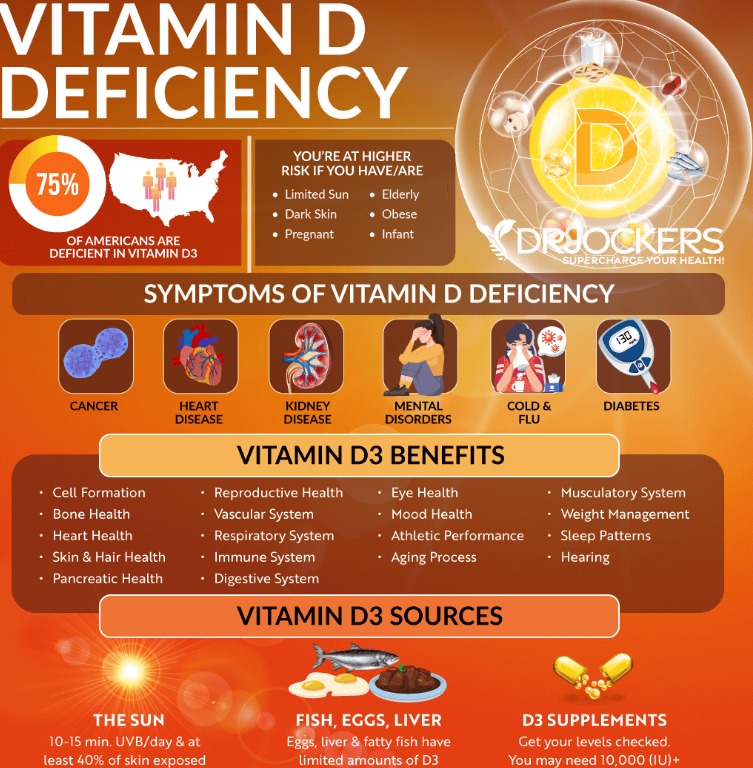
Vitamin D plays an important role in calcium and phosphorus metabolism and is essential for normal bone health. It also has roles in muscle, nervous-system, and immune function. The body obtains vitamin D through sun exposure, food, and supplements, although relatively few foods naturally contain substantial amounts.
The problem is that vitamin D deficiency is not a diagnosis that can reliably be made from symptoms alone. Fatigue, aches, low mood, muscle discomfort, and poor concentration have many possible causes. In fact, some clinical guidance specifically advises against testing vitamin D simply because someone has tiredness without other relevant features.
At the same time, severe or clinically important deficiency can cause osteomalacia in adults, leading to bone pain and muscle weakness. In children, severe deficiency can cause rickets, which affects normal bone development.
Understanding the less obvious signs, the people most likely to be deficient, and when testing makes sense can help you have a more productive conversation with a healthcare professional.
What Vitamin D Actually Does in the Body
Vitamin D is a fat-soluble nutrient that helps the body absorb calcium and maintain appropriate calcium and phosphorus levels. These functions are particularly important for maintaining normal bone mineralization.
Vitamin D also contributes to normal muscle function and has biological effects on other tissues. MedlinePlus notes that vitamin D has roles in the nervous, muscular, and immune systems in addition to its central role in calcium absorption and bone health.
When vitamin D availability becomes inadequate, the body has greater difficulty maintaining normal mineral metabolism. In severe adult deficiency, this can contribute to osteomalacia, a condition in which bones become softer and can become painful and more vulnerable to stress.
This explains why the most clinically meaningful symptoms of vitamin D deficiency tend to involve the musculoskeletal system rather than a single vague symptom such as tiredness.
A useful distinction is therefore important: having a symptom that has been associated with low vitamin D does not mean vitamin D deficiency caused it.
How Common Is Low Vitamin D?
The prevalence of vitamin D deficiency depends heavily on the population studied, the season, geographic location, skin pigmentation, age, dietary intake, sun exposure, underlying health conditions, and—critically—the definition used to classify vitamin D status.
Older U.S. National Health and Nutrition Examination Survey data illustrate this point. CDC data from 2001–2006 found that approximately 8% of the U.S. population was at risk of vitamin D deficiency using the Institute of Medicine’s threshold of less than 30 nmol/L (12 ng/mL), while about one-quarter was at risk of inadequacy.
More recent NIH Office of Dietary Supplements data also show meaningful differences across population groups. In U.S. data from 2011–2014, approximately 5% of people aged 1 year and older were at risk of vitamin D deficiency and 18.3% were at risk of inadequacy under the definitions used in that analysis.
These numbers should not be interpreted as a universal worldwide prevalence rate. Vitamin D status varies considerably between populations and testing standards.
Another important point is that modern clinical guidance has become more cautious about routine testing. The 2024 Endocrine Society guideline suggests against routine 25-hydroxyvitamin D testing in generally healthy adults younger than 50 and does not recommend routine testing simply because someone has obesity or darker skin in the absence of other established indications. It also no longer endorses specific blood-level thresholds as universal definitions of vitamin D sufficiency or insufficiency for generally healthy populations.
That change is important because older online articles frequently present a single vitamin D number as universally “optimal.” The evidence does not support treating one number as the perfect target for everyone.
1. Persistent Muscle Weakness That You Cannot Explain
One of the more clinically meaningful symptoms associated with significant vitamin D deficiency is muscle weakness.
This can be different from ordinary muscle tiredness after exercise. Someone may notice that climbing stairs has become harder, getting out of a chair requires more effort, walking feels unusually demanding, or everyday physical activities that used to be easy now require more energy.
The NHS identifies difficulty climbing stairs or getting out of a chair because of weak muscles among the symptoms associated with osteomalacia.
The distinction between weakness and fatigue matters. Fatigue is a feeling of low energy, whereas muscle weakness involves reduced physical force or function.
If weakness is persistent or progressive, it should not automatically be blamed on vitamin D. Neurological disorders, thyroid disease, anemia, medication effects, inadequate nutrition, deconditioning, and other medical conditions can produce similar symptoms.
However, unexplained muscle weakness combined with bone or widespread musculoskeletal pain can provide a stronger reason for a clinician to consider vitamin D status and other causes.
2. Deep, Persistent Bone Pain Rather Than Ordinary Muscle Soreness
Vitamin D deficiency becomes particularly relevant when pain appears to originate from the bones rather than simply from muscles or joints.
Adults with osteomalacia may experience pain in areas such as the back, pelvis, ribs, shoulders, or legs. NHS guidance identifies these locations among the possible symptoms of osteomalacia.
This type of discomfort can be difficult to describe. Some people experience a dull, widespread ache rather than a sharp injury-related pain.
It can also be mistaken for arthritis, exercise-related soreness, aging, or chronic pain conditions.
However, persistent bone pain should not be assumed to be vitamin D deficiency. Depending on the location and circumstances, other causes can include fractures, inflammatory conditions, osteoporosis-related problems, infections, neurological conditions, and other metabolic disorders.
If pain is persistent, unexplained, worsening, or interfering with normal activities, medical assessment is more appropriate than simply starting high-dose supplements.
3. Difficulty Getting Up From a Chair or Climbing Stairs
A subtle decline in physical function can sometimes receive less attention than pain.
You may notice that you have to use your arms to push yourself out of a chair, climb stairs more slowly, or stop more frequently while walking. These changes can develop gradually and may be dismissed as “just getting older.”
In clinically significant vitamin D deficiency associated with osteomalacia, proximal muscle weakness can occur. NHS guidance specifically lists difficulty climbing stairs and getting out of a chair as potential symptoms.
This symptom is particularly important because it is functional. Rather than simply feeling tired, you are noticing a measurable change in what your muscles can do.
Still, reduced mobility has many possible explanations. If this change is new or progressively worsening, a clinician should assess it rather than assuming vitamin D is responsible.
4. Frequent Falls or Reduced Physical Stability
Vitamin D deficiency can become particularly relevant in older adults because muscle weakness and impaired bone health can interact.
Long-term deficiency can contribute to osteomalacia, while reduced muscle function can make everyday movement more difficult. NHS guidance notes that long-term vitamin D deficiency can cause muscle weakness, falls, and fractures in older people.
However, falls are multifactorial. Vision problems, balance disorders, neurological disease, medications, low blood pressure, poor footwear, environmental hazards, and muscle loss can all contribute.
That is why recurrent falls deserve a comprehensive assessment rather than a vitamin D supplement alone.
For older adults, a clinician may consider bone health, vitamin D status where clinically indicated, medication review, strength and balance, and fall-prevention strategies together.
5. Widespread Aches That Have No Clear Explanation
Generalized musculoskeletal discomfort is another symptom sometimes associated with vitamin D deficiency.
Clinical guidance from NHS sources lists widespread bone discomfort, muscle aches, and weakness among features that can occur in vitamin D deficiency or osteomalacia.
The challenge is that “body aches” are extremely nonspecific.
Poor sleep, viral infections, overtraining, stress, inflammatory disorders, medication side effects, fibromyalgia, thyroid disorders, anemia, and many other conditions can cause similar symptoms.
Therefore, widespread aches alone are not enough to diagnose vitamin D deficiency.
The symptom becomes more relevant when it occurs alongside objective muscle weakness, bone pain, limited mobility, risk factors for deficiency, or other clinical findings.
6. You Feel Physically Weaker Even Though Your Routine Has Not Changed
A gradual loss of strength without an obvious explanation deserves attention.
If your exercise routine, workload, diet, and sleep have remained relatively stable but physical activities increasingly feel difficult, consider discussing the change with a healthcare professional.
Vitamin D is involved in normal muscle function, and clinically significant deficiency can produce muscle weakness.
But this symptom should trigger investigation rather than self-diagnosis.
A healthcare professional may consider a broader differential that includes thyroid problems, anemia, electrolyte abnormalities, nutritional deficiencies, medication effects, neurological disease, and reduced physical conditioning.
7. You Have Risk Factors Even Without Obvious Symptoms
One of the most important “hidden signs” of vitamin D deficiency is not a symptom at all: it is having circumstances that make low vitamin D more likely.
NIH identifies limited sun exposure, inadequate dietary intake, conditions affecting absorption, and impaired conversion of vitamin D by the kidneys as potential contributors to deficiency.
Other recognized risk factors include older age, darker skin, limited outdoor exposure, certain gastrointestinal conditions, obesity, and medications that affect vitamin D metabolism.
For example, people with conditions that interfere with fat absorption may have difficulty absorbing vitamin D because it is a fat-soluble vitamin. Certain medications can also alter vitamin D metabolism.
Having a risk factor does not mean you are deficient. It simply changes the context in which symptoms or clinical findings are interpreted.
8. Limited Sun Exposure May Be More Important Than You Realize
Vitamin D is produced in the skin after exposure to ultraviolet B radiation. This makes sun exposure one of the body’s natural sources of vitamin D.
But the amount produced varies considerably. Season, latitude, time of day, skin pigmentation, age, clothing, sunscreen use, and the amount of exposed skin can all influence production.
People who spend most of their time indoors, are housebound, cover most of their skin outdoors, or have limited access to sunlight may therefore have a greater risk of inadequate vitamin D status.
At the same time, deliberately increasing UV exposure is not a universally safe strategy for correcting vitamin D deficiency. Excessive UV exposure increases skin-cancer risk.
A safer approach is to consider dietary sources and supplementation where appropriate, and to discuss testing or treatment with a healthcare professional when deficiency is suspected.
9. Bone Fractures or Low Bone Density May Be a Warning
Vitamin D is important for calcium absorption and bone mineralization. Severe deficiency can lead to osteomalacia, while inadequate vitamin D can coexist with other factors contributing to poor bone health.
If an adult experiences a low-trauma or fragility fracture, the focus should not be limited to vitamin D. Bone density, calcium balance, osteoporosis risk, medications, age, hormonal factors, and other nutritional issues may all need assessment.
The NHS notes that osteomalacia can result in soft or weak bones and that treatment can help improve bone health.
If you have already experienced an unexpected fracture, this is a reason to seek medical assessment rather than simply purchasing an over-the-counter vitamin supplement.
10. Persistent Tiredness Is Possible—but It Is Not a Reliable Standalone Sign
Fatigue is one of the symptoms most frequently mentioned in online discussions about vitamin D deficiency.
There is a reason it gets attention: people with low vitamin D may report tiredness or generally feeling unwell, and NHS patient information lists tiredness among possible symptoms.
But fatigue is one of the least specific symptoms in medicine.
Sleep deprivation, iron deficiency anemia, thyroid disorders, diabetes, depression, anxiety, sleep apnea, infections, medications, chronic disease, and many other conditions can cause persistent tiredness. The NHS specifically cautions against self-diagnosing fatigue because it can have numerous causes.
Some clinical laboratory guidance therefore advises against vitamin D testing for tiredness alone.
This is a crucial distinction for responsible health content: persistent fatigue may justify medical evaluation, but it does not prove vitamin D deficiency.
11. Low Mood Should Not Automatically Be Blamed on Vitamin D
Mood changes are sometimes included on lists of vitamin D deficiency symptoms. However, the relationship between vitamin D levels and mental health is complicated.
A person with vitamin D deficiency may also have poor sleep, limited outdoor activity, chronic illness, dietary problems, or other factors affecting mood. Observational associations do not automatically demonstrate that vitamin D deficiency caused depression or that supplementation will treat it.
Therefore, persistent low mood, loss of interest, anxiety, or other mental-health symptoms deserve appropriate mental-health assessment rather than being attributed to a vitamin deficiency.
If vitamin D deficiency is clinically suspected for other reasons, it can be evaluated alongside—not instead of—appropriate mental-health care.
Why Vitamin D Deficiency Can Be Difficult to Recognize
The biggest challenge is that mild or moderate deficiency may produce few noticeable symptoms.
Even when symptoms occur, they can resemble common health problems.
A person may think their aching legs are from exercise. Someone else may blame reduced strength on age. Persistent tiredness may be attributed to work stress. Back discomfort may be considered a posture problem.
That overlap makes symptom-based diagnosis unreliable.
The more clinically useful approach is to consider symptoms together with risk factors, physical findings, medical history, diet, sun exposure, medications, and—when indicated—laboratory testing.
Who Is More Likely to Develop Vitamin D Deficiency?
Vitamin D deficiency is more likely when the body has limited access to vitamin D or cannot effectively absorb or metabolize it.
People with little sun exposure can be at increased risk. Older adults may produce less vitamin D through their skin. People with darker skin may produce vitamin D less efficiently from UV exposure. Certain gastrointestinal disorders can interfere with absorption, while kidney disease can interfere with conversion into active forms.
NIH also identifies people who follow certain restrictive diets, people with conditions affecting absorption, and those taking some medications as groups in whom deficiency may occur.
Obesity is another factor associated with vitamin D status, although the 2024 Endocrine Society guideline specifically advises against routine vitamin D screening in otherwise healthy adults with obesity simply because of their weight.
The practical lesson is that risk factors should inform clinical judgment rather than automatically trigger supplementation or testing.
How Is Vitamin D Deficiency Diagnosed?
When testing is clinically indicated, the relevant blood measurement is generally serum 25-hydroxyvitamin D, written as 25(OH)D.
The older Endocrine Society guideline identified 25(OH)D as the appropriate test for assessing vitamin D status and distinguished it from 1,25-dihydroxyvitamin D, which is not the routine test for vitamin D status.
However, the 2024 Endocrine Society guideline changed its position on routine screening and no longer endorses universal vitamin D thresholds for generally healthy populations. It recommends against routine 25(OH)D testing in several generally healthy groups without established indications.
This means you should not order a vitamin D test simply because an online article lists several vague symptoms.
Testing is more likely to be considered when there is a clinical reason, such as suspected osteomalacia, certain bone disorders, relevant fractures, or specific conditions that affect vitamin D metabolism or absorption.
What Vitamin D Blood Results Actually Mean
You may see vitamin D results reported in either ng/mL or nmol/L.
The conversion is:
1 ng/mL = 2.5 nmol/L.
Older clinical guidelines commonly used levels below 20 ng/mL (50 nmol/L) to define deficiency.
However, the Endocrine Society’s 2024 prevention guideline explicitly moved away from endorsing fixed blood-level thresholds as universal definitions of vitamin D sufficiency and insufficiency for generally healthy people.
Therefore, interpreting a laboratory result should involve more than comparing the number with a target found on a supplement website.
Your healthcare professional may consider the laboratory method, symptoms, medical history, bone health, calcium status, kidney function, medications, and reason for testing.
Can You Fix Vitamin D Deficiency Naturally?
Vitamin D can come from sunlight, food, and supplements.
Food sources include fatty fish and fortified foods, while some foods provide smaller amounts. NIH notes that relatively few foods naturally contain substantial amounts of vitamin D.
Sun exposure contributes to vitamin D production, but deliberately increasing UV exposure carries skin-cancer risks. Therefore, “more sun” should not automatically be treated as the safest treatment strategy.
For confirmed deficiency, a healthcare professional may recommend vitamin D supplementation at a dose appropriate for the individual’s circumstances.
The correct dose depends on factors such as age, baseline vitamin D status, underlying conditions, medications, and whether the goal is prevention or treatment.
Can You Take Too Much Vitamin D?
Yes.
Vitamin D is fat-soluble, and excessive supplementation can cause toxicity.
NIH states that excessive vitamin D can lead to hypercalcemia and hypercalciuria. Severe toxicity can result in kidney failure, soft-tissue calcification, abnormal heart rhythms, and, in extreme cases, death.
For adults, the general tolerable upper intake level is 4,000 IU (100 micrograms) per day from all sources, although clinicians may prescribe higher doses for confirmed deficiency under medical supervision.
This distinction matters.
A medically supervised treatment dose is not the same thing as taking very high-dose vitamin D indefinitely without monitoring.
Vitamin D Supplements and the Risk of Self-Treatment
Supplements can be useful when there is a genuine need, but self-treatment can create problems.
Taking a large dose because you feel tired does not establish that vitamin D is the cause of the fatigue. It may delay diagnosis of anemia, thyroid disease, sleep apnea, diabetes, depression, or another condition.
Vitamin D can also interact with certain medicines, including some medications used for weight management, cholesterol management, hypertension, and inflammatory conditions. NIH specifically lists interactions involving orlistat, some statins, thiazide diuretics, and steroids.
If you take prescription medication or have kidney, liver, calcium, parathyroid, or gastrointestinal problems, discuss supplementation with a healthcare professional before taking high doses.
When Should You Talk to a Doctor?
Consider medical evaluation if you have persistent or unexplained bone pain, muscle weakness, repeated falls, an unexpected fracture, difficulty walking or climbing stairs, or other symptoms that are affecting normal activities.
You should also discuss vitamin D with a clinician if you have a medical condition or take medication that may affect vitamin D absorption or metabolism.
Importantly, urgent symptoms should not be attributed to vitamin D deficiency. Sudden severe weakness, chest pain, difficulty breathing, fainting, new neurological symptoms, or severe unexplained pain require appropriate medical assessment.
How to Support Healthy Vitamin D Levels
Maintaining adequate vitamin D status is best approached as part of overall nutritional and preventive health rather than as a single-supplement strategy.
A balanced diet that includes vitamin D-containing or fortified foods can help. Appropriate outdoor activity can support vitamin D production while also providing opportunities for exercise and mental well-being, but sun exposure should be balanced with skin-cancer prevention.
For people who need supplementation, the dose should match their age and circumstances. NIH’s recommended dietary allowance is 600 IU (15 micrograms) per day for adults aged 19–70 and 800 IU (20 micrograms) for adults over 70.
The Most Important Takeaway About Hidden Vitamin D Symptoms
The hidden nature of vitamin D deficiency is not that it causes a long list of mysterious symptoms. The more accurate explanation is that clinically important deficiency can sometimes present with subtle musculoskeletal changes that people overlook.
Persistent muscle weakness, difficulty climbing stairs, difficulty getting out of a chair, widespread bone discomfort, and unexplained bone pain are more clinically relevant clues than vague symptoms alone.
Fatigue and low mood may occur in people with low vitamin D, but they are nonspecific and should not be used to diagnose deficiency.
The appropriate next step is not automatically to take a high-dose supplement. It is to consider the full clinical picture and determine whether testing or treatment is actually indicated.
Conclusion
Vitamin D deficiency can be easy to overlook because the most important symptoms are often not dramatic. Clinically significant deficiency may present with bone pain, muscle weakness, reduced physical function, or difficulty with everyday activities. Severe deficiency can contribute to osteomalacia in adults and rickets in children.
But not every ache, tired day, mood change, or muscle complaint is caused by vitamin D.
That distinction is essential.
Current clinical guidance has become more cautious about routine vitamin D testing in otherwise healthy people, and the Endocrine Society’s 2024 guideline no longer recommends universal blood-level targets for generally healthy populations.
If you have persistent bone pain, unexplained muscle weakness, recurrent falls, an unexpected fracture, or risk factors that make deficiency more plausible, speak with a healthcare professional about whether vitamin D testing is appropriate.
And if a deficiency is confirmed, treatment should be based on the individual’s circumstances rather than an arbitrary high-dose supplement regimen.
The most effective approach to vitamin D health is therefore not simply “take more vitamin D.” It is to recognize meaningful symptoms, understand personal risk factors, use testing appropriately, obtain adequate nutrition, and treat confirmed deficiency safely.
Frequently Asked Questions
What are the most overlooked symptoms of vitamin D deficiency?
Muscle weakness, difficulty climbing stairs, difficulty getting out of a chair, widespread bone discomfort, and unexplained bone pain can be overlooked. These symptoms are more clinically meaningful when they occur together or alongside risk factors for vitamin D deficiency.
Can vitamin D deficiency cause tiredness?
Tiredness can occur in people with low vitamin D, but fatigue is not specific to vitamin D deficiency. Sleep problems, anemia, thyroid disorders, diabetes, mental-health conditions, infections, medications, and many other causes can produce similar symptoms.
Can vitamin D deficiency cause muscle weakness?
Yes. Clinically significant vitamin D deficiency can contribute to muscle weakness, particularly when associated with osteomalacia. Difficulty climbing stairs or getting out of a chair is one possible manifestation.
Can low vitamin D cause bone pain?
Severe vitamin D deficiency can cause osteomalacia in adults, which may produce bone pain and muscle weakness. Pain can occur in areas including the back, pelvis, ribs, shoulders, and legs.
What is the best test for vitamin D deficiency?
When testing is clinically indicated, serum 25-hydroxyvitamin D, or 25(OH)D, is the standard measurement used to assess vitamin D status. The 1,25-dihydroxyvitamin D test is not the routine test for assessing vitamin D stores.
Should everyone get a vitamin D blood test?
No. The 2024 Endocrine Society guideline suggests against routine 25(OH)D testing in generally healthy adults younger than 50 and several other generally healthy populations without established indications. Testing decisions should be based on clinical circumstances rather than symptoms alone.
Who is most at risk of vitamin D deficiency?
Risk can increase with limited sun exposure, older age, darker skin, inadequate dietary intake, certain gastrointestinal conditions that impair absorption, some kidney conditions, obesity in certain contexts, and medications that affect vitamin D metabolism.
How much vitamin D do adults need each day?
NIH lists a recommended dietary allowance of 600 IU (15 micrograms) daily for adults aged 19–70 and 800 IU (20 micrograms) daily for adults over 70. These recommendations are for general intake and are not equivalent to a treatment regimen for confirmed deficiency.
Is 4,000 IU of vitamin D safe every day?
For adults, 4,000 IU (100 micrograms) per day is the general tolerable upper intake level established by the U.S. National Academies for chronic daily intake. However, this does not mean everyone should take 4,000 IU daily. Higher therapeutic doses may sometimes be used under medical supervision for confirmed deficiency.
Can you get enough vitamin D from sunlight?
The skin can produce vitamin D after UVB exposure, but production varies according to factors such as season, latitude, skin pigmentation, age, clothing, and sun exposure. Deliberately increasing UV exposure to obtain vitamin D is not risk-free because excessive UV exposure increases skin-cancer risk.
Can vitamin D deficiency cause hair loss?
Hair loss is sometimes listed online as a symptom of low vitamin D, but it is not a specific or reliable sign of deficiency. Hair loss has many possible causes, so it should not be attributed to vitamin D without appropriate clinical evaluation.
Does vitamin D deficiency cause depression?
Research has investigated associations between vitamin D status and depression, but low vitamin D should not automatically be considered the cause of depressive symptoms. Persistent depression, anxiety, or significant mood changes require appropriate mental-health assessment.
Can vitamin D deficiency cause joint pain?
Musculoskeletal pain can occur with significant vitamin D deficiency and osteomalacia, but joint pain has many other causes. Persistent joint symptoms should be assessed rather than assumed to be caused by vitamin D.
How long does it take to correct vitamin D deficiency?
The timeframe depends on how low the level is, the treatment regimen, absorption, underlying conditions, and individual response. Some clinical treatment regimens use higher doses for several weeks before transitioning to maintenance therapy, but the appropriate regimen should be determined by a healthcare professional.
Can taking too much vitamin D be dangerous?
Yes. Excessive vitamin D supplementation can cause high calcium levels, kidney problems, dehydration, nausea, vomiting, weakness, excessive thirst and urination, and, in severe cases, kidney failure or abnormal heart rhythms.
Should I take vitamin D if I have symptoms?
Do not assume that symptoms automatically mean you need high-dose vitamin D. Because symptoms such as fatigue, aches, and weakness have many possible causes, discuss persistent or concerning symptoms with a healthcare professional and determine whether testing or supplementation is appropriate.