
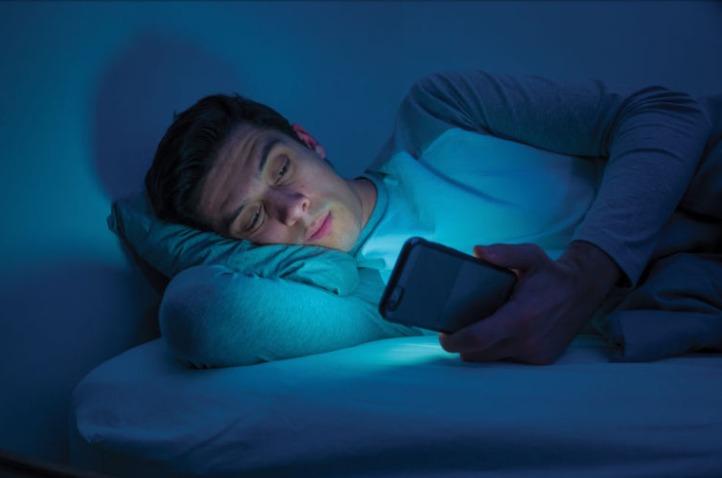
How Poor Sleep Affects Your Brain, Heart, and Immune System
Sleep is often treated as the part of a healthy lifestyle that can be sacrificed when work, family responsibilities, entertainment, or stress take priority. One late night is usually manageable. The bigger concern is a recurring pattern of short, fragmented, irregular, or poor-quality sleep.
Sleep is not simply a period when the body “shuts down.” During sleep, the brain processes information and supports memory, the cardiovascular system gets a period of reduced demand, and the immune system carries out important regulatory functions. The effects of inadequate sleep can therefore extend well beyond feeling tired the next morning.
The American Academy of Sleep Medicine and Sleep Research Society recommend that adults regularly sleep at least 7 hours per night to support optimal health. Their consensus statement associates regularly sleeping fewer than 7 hours with adverse outcomes including impaired performance, obesity, diabetes, hypertension, heart disease, stroke, depression, impaired immune function, and increased risk of accidents.
The National Heart, Lung, and Blood Institute (NHLBI) similarly notes that sleep deficiency can affect cardiovascular health, blood glucose regulation, appetite-related hormones, and the body’s ability to fight infections.
But sleep duration is only part of the story. Sleep regularity, continuity, timing, efficiency, and daytime alertness also matter. In a 2025 scientific statement, the American Heart Association emphasized that sleep health is multidimensional and that poor sleep patterns are associated with cardiovascular and cardiometabolic risk factors.
This article explains what happens when sleep repeatedly falls short, focusing on three major systems: the brain, the heart, and the immune system.
What Counts as Poor Sleep?
Poor sleep does not necessarily mean getting zero hours of sleep.
A person can technically spend eight hours in bed but still experience poor-quality sleep because of repeated awakenings, sleep apnea, restless legs, an inconsistent sleep schedule, excessive nighttime light exposure, alcohol use, pain, anxiety, or another underlying problem.
Sleep health has several dimensions, including duration, timing, regularity, continuity, satisfaction, and daytime alertness. The American Heart Association’s 2025 scientific statement specifically highlighted these dimensions when discussing relationships between sleep and cardiovascular health.
For most adults, consistently obtaining fewer than 7 hours is a clear reason to examine sleep habits and potential causes. The issue becomes more important when short sleep occurs night after night.
A person who sleeps five hours on Monday because of a deadline may recover after returning to a normal schedule. Someone who routinely sleeps five or six hours for months has a different situation.
Why Sleep Is So Important to the Brain
The brain remains highly active during sleep.
Different stages of sleep contribute to different physiological processes. Deep sleep is particularly important for restorative functions, while rapid eye movement (REM) sleep is associated with memory processing, emotional regulation, and other brain functions.
When sleep is repeatedly shortened or disrupted, these processes can be affected.
The immediate consequences are familiar: slower reactions, difficulty concentrating, reduced attention, irritability, and problems remembering information. NHLBI notes that after several nights of losing only 1–2 hours of sleep per night, functioning can deteriorate substantially, with slower reaction times and more mistakes.
The problem is that people may not always recognize how impaired they have become.Someone who regularly sleeps too little may gradually adapt to feeling tired and begin treating reduced concentration as normal.
1. Poor Sleep Can Impair Attention and Concentration
One of the earliest effects of insufficient sleep is difficulty maintaining attention.
A sleep-deprived brain has more difficulty sustaining concentration for prolonged periods. This can affect studying, driving, professional work, decision-making, and everyday tasks.
NHLBI reports that sleep deficiency can result in slower reaction time, reduced productivity, and more mistakes.
This has practical consequences.
A person might read the same paragraph several times without retaining it. Another person may start a task and repeatedly lose track of what they were doing.These aren’t necessarily signs of a neurological disorder. In some cases, chronic sleep restriction is an overlooked contributor.
2. Memory Can Suffer When Sleep Is Consistently Short
Sleep plays a role in memory consolidation—the process through which newly acquired information is stabilized and integrated.
That is why staying awake all night to study is not necessarily an effective strategy.
You may spend more hours looking at notes, but sleep loss can interfere with the brain processes needed for learning and memory.
Poor sleep can affect both the ability to absorb information and the ability to recall it later.For students, professionals, and older adults, this makes sleep part of cognitive health rather than simply a recovery period.If someone experiences persistent memory problems despite consistently adequate sleep, however, the issue should not automatically be attributed to sleep. Medication effects, mood disorders, neurological conditions, nutritional deficiencies, and other causes may require assessment.
3. Sleep Loss Can Affect Mood and Emotional Regulation
When someone is exhausted, ordinary frustrations may feel more difficult to manage. Irritability can increase, stress can feel more intense, and emotional responses may become less controlled.
Sleep and mental health also influence each other. Anxiety and depression can interfere with sleep, while persistent sleep problems can make emotional symptoms harder to manage.
This creates a cycle:
Poor sleep → greater emotional strain → more difficulty sleeping → further sleep disruption.
Breaking that cycle may require addressing both sleep habits and the underlying mental-health issue.
4. Chronic Sleep Problems May Affect Brain Health Over Time
The relationship between sleep and long-term brain health is an active area of scientific research.
Researchers are studying how sleep supports waste clearance, synaptic regulation, metabolic processes, inflammation, and other aspects of brain physiology.
It is important, however, not to overstate the evidence. Research linking sleep disturbances with long-term neurological outcomes does not mean that every night of poor sleep causes permanent brain damage.
A better-supported conclusion is that consistently inadequate sleep is associated with poorer cognitive and physical health outcomes and deserves attention as part of long-term preventive health.
What Happens to the Heart During Poor Sleep?
The heart and circulatory system do not operate independently of sleep.
During healthy sleep, cardiovascular activity changes in predictable ways. Heart rate and blood pressure generally decrease during certain stages of sleep, giving the cardiovascular system a different physiological environment from waking hours.
When sleep is chronically inadequate or fragmented, these normal patterns can be disrupted.
NHLBI states that good-quality sleep helps heal and repair the heart and blood vessels and that sleep deficiency is associated with an increased risk of heart disease, high blood pressure, obesity, and stroke.
The American Heart Association’s 2025 scientific statement goes further by emphasizing that sleep duration, regularity, timing, continuity, satisfaction, and daytime functioning can all be relevant to cardiometabolic health.
5. Poor Sleep Can Affect Blood Pressure
Blood pressure normally follows a daily rhythm, with levels generally falling during sleep.Short or disrupted sleep can interfere with this pattern.
The relationship between sleep and hypertension is complex because poor sleep can be both a contributor to cardiovascular risk and a consequence of conditions that already affect health.
For example, obstructive sleep apnea can repeatedly interrupt sleep and produce intermittent drops in oxygen levels, while also placing stress on the cardiovascular system.
This is one reason persistent snoring, gasping during sleep, pauses in breathing, morning headaches, and excessive daytime sleepiness should not simply be dismissed as “bad sleep.”
6. Sleep and Heart Disease Are Closely Connected
The evidence connecting sleep health and cardiovascular disease has become increasingly comprehensive.
The American Heart Association’s 2025 scientific statement identifies poor sleep health as being associated with risk factors and outcomes including heart disease, stroke, high blood pressure, high cholesterol, inflammation, glucose intolerance, obesity, and obstructive sleep apnea.
Importantly, association does not automatically establish that insufficient sleep alone causes every cardiovascular outcome.
People who sleep poorly may also have other risk factors, including obesity, diabetes, stress, smoking, sedentary behavior, shift work, or untreated sleep disorders.
Nevertheless, sleep is increasingly recognized as a modifiable component of cardiovascular health.
7. Sleep Irregularity May Matter, Not Just Sleep Duration
Suppose someone sleeps seven hours on average but has dramatically different schedules throughout the week—perhaps sleeping at 10 p.m. on some nights and 3 a.m. on others.
Average duration alone may not capture the entire picture.The American Heart Association’s scientific statement reports that greater sleep irregularity has been associated with nearly twice the risk of cardiovascular mortality, while greater consistency in sleep-wake timing has been associated with a 22%–57% lower risk of cardiovascular mortality.
These findings are observational associations, not proof that changing sleep timing alone will reduce cardiovascular mortality by a specific percentage.
Still, they reinforce an important concept: sleep consistency may matter alongside total hours.
8. Poor Sleep Can Affect Metabolic Health
Sleep interacts with hormones that regulate appetite, energy balance, and glucose metabolism.
NHLBI notes that sleep deficiency can increase ghrelin, a hormone associated with hunger, while decreasing leptin, a hormone associated with fullness. Sleep deficiency can also affect the body’s response to insulin and raise blood glucose levels.
Over time, these changes can make healthy weight management more difficult.
This does not mean poor sleep automatically causes obesity or diabetes. Nutrition, physical activity, genetics, medications, socioeconomic conditions, and numerous other factors also influence metabolic health.But sleep is an important part of the overall picture.
How Poor Sleep Affects the Immune System
The immune system is another major system influenced by sleep.
Sleep and immune function interact in both directions.
An infection can make you tired and increase your need for sleep. At the same time, inadequate sleep can alter immune responses and may make the body less effective at responding to infectious challenges.
NHLBI states that ongoing sleep deficiency can change how the body’s natural defenses against germs and sickness respond and may make it more difficult to fight common infections.This relationship is particularly interesting when researchers examine vaccination.
9. Sleep Supports the Body’s Immune Response
A number of human studies have investigated sleep and antibody responses after vaccination.
For example, a controlled study published in 2003 examined 19 healthy adults after hepatitis A vaccination. Participants who slept normally after vaccination developed nearly twice the antibody titer after four weeks compared with those who remained awake through the night.
Another study involving 27 healthy men found that sleep after hepatitis A vaccination increased antigen-specific T-cell responses and antibody-related immune measures. The researchers followed these effects for up to one year.These studies do not mean that one poor night’s sleep will make a vaccine ineffective.Instead, they provide evidence that sleep participates in the development of adaptive immune responses.
10. Short Sleep Has Been Associated With Weaker Vaccine Responses
Additional research has examined naturally occurring sleep rather than deliberate sleep deprivation.
In a 2012 study of adults receiving hepatitis B vaccination, shorter sleep duration was associated with a lower antibody response and a lower likelihood of being clinically protected at the conclusion of the vaccination series.
A separate study involving 83 healthy young adults examined sleep around influenza vaccination and found that shorter average sleep duration was associated with fewer antibodies to one influenza strain one and four months later. Shorter sleep on the two nights before vaccination was also associated with fewer antibodies later.
These findings are important but should be interpreted carefully because immune response varies considerably between individuals and vaccination studies do not prove that improving sleep alone guarantees stronger protection.
New Evidence: Sleep Fragmentation and Influenza Protection
Research published in 2026 adds another dimension to the discussion.
A study published in Nature Communications examined chronic sleep fragmentation in a mouse model and analyzed influenza outcomes in a very large human dataset. The researchers reported that chronic sleep fragmentation impaired immune responses to influenza vaccination in mice. In the human analysis, which included 916,307 vaccinated adults, obstructive sleep apnea was associated with a higher rate of influenza infection than in matched controls: 0.7% versus 0.4%, corresponding to a reported risk ratio of 1.70.
The study is valuable because it combines experimental and human evidence, but the human component was observational. Therefore, it cannot establish that sleep apnea alone caused the higher infection rate.Still, the findings reinforce why sleep disorders should be taken seriously.
11. Poor Sleep Can Increase Susceptibility to illness
A review of research on sleep, circadian rhythms, vaccination, and viral susceptibility concluded that short sleep duration and poor sleep efficiency appear to be associated with greater vulnerability to infection.
The immune system is not simply an on/off switch.
It involves physical barriers, innate immune responses, antibodies, T cells, inflammatory signaling, and many other components.
Sleep appears to influence several of these processes.This is why maintaining adequate sleep should be considered part of general immune-supportive health behavior, alongside vaccination, nutrition, physical activity, hygiene, and management of chronic conditions.
12. Inflammation Connects Sleep With Multiple Body Systems
One reason sleep has such wide-ranging effects is its relationship with inflammation.
Inflammation is necessary for fighting infections and repairing tissue, but persistent or poorly regulated inflammatory activity can contribute to chronic disease.
Sleep, the immune system, metabolism, and cardiovascular function are interconnected through hormonal and inflammatory pathways.
This helps explain why poor sleep can have effects that seem unrelated at first.
The brain regulates sleep. Sleep influences hormonal and immune activity. Those systems affect metabolism and cardiovascular function. The resulting changes can then influence how a person feels and sleeps.Rather than thinking of sleep as affecting three completely separate organs, it is more accurate to view sleep as influencing an interconnected physiological network.
The Brain–Heart–Immune Connection
The relationship among sleep, the brain, heart, and immune system is increasingly understood as a connected system rather than three separate effects.
The brain controls sleep timing and cycles. During sleep, cardiovascular activity changes and the immune system carries out important regulatory processes.
At the same time, inflammation and illness can affect brain signaling and sleep.
NIH research published in 2024 provides an interesting example of this interaction. Researchers studying heart injury found evidence in mice that immune cells called monocytes can influence brain sleep circuits after a heart attack. The researchers also studied people and found evidence linking increased sleep after heart injury with recovery processes, although the exact mechanisms in humans require further research.
This work does not mean that sleeping more is a treatment for heart attack.Rather, it illustrates how closely the cardiovascular system, immune system, and brain can communicate.
How Much Sleep Do Adults Need?
For healthy adults, the American Academy of Sleep Medicine and Sleep Research Society recommend at least 7 hours of sleep per night on a regular basis.
The recommendation should not be interpreted as saying that exactly 7 hours is optimal for every person.
Individual needs vary
Some adults naturally need more than 7 hours. Young adults, people recovering from sleep debt, and individuals with certain illnesses may need longer sleep periods. The consensus statement specifically notes that more than 9 hours may be appropriate in some circumstances.
Quality also matters
Eight hours of fragmented sleep caused by untreated sleep apnea is not equivalent to eight hours of relatively uninterrupted sleep.
What Happens When You Lose 1–2 Hours of Sleep Every Night?
A common misconception is that losing one or two hours per night is harmless because it does not feel like severe sleep deprivation.
NHLBI notes that after several nights of losing just 1–2 hours of sleep per night, the ability to function can be affected substantially, including slower reaction time and more mistakes.
Consider the arithmetic.
If someone needs 8 hours but sleeps 6 hours for five nights, the theoretical sleep shortfall is:
2 hours × 5 nights = 10 hours.
This is sometimes described as sleep debt.
However, sleep debt is not simply an accounting system in which every missed hour can be perfectly repaid with one extra hour later. The physiological consequences of chronic sleep restriction can be more complicated.The practical lesson is that repeated small losses can accumulate.
Why Weekend Catch-Up Sleep May Not Solve Everything
Sleeping longer on weekends can help reduce accumulated sleepiness, but it does not necessarily eliminate all consequences of a consistently irregular schedule.
For example, someone might sleep five or six hours during the workweek and then sleep ten hours on Saturday and Sunday.
The average may look acceptable on paper, but the pattern is still highly irregular.
The American Heart Association’s emphasis on sleep regularity is relevant here because sleep timing itself appears to have associations with cardiovascular health.
A better long-term strategy is to create a sleep schedule that provides adequate sleep most nights rather than relying on periodic recovery.
Signs That Your Sleep Quality May Be Poor
Some warning signs are obvious, while others are easy to normalize.Persistent daytime sleepiness is one of the most important.Other signs can include difficulty waking, morning headaches, frequent nighttime awakenings, trouble concentrating, irritability, falling asleep unintentionally, loud snoring, gasping during sleep, witnessed pauses in breathing, or repeatedly waking without feeling refreshed.
These symptoms do not identify one specific diagnosis.
For example, excessive daytime sleepiness can occur with insufficient sleep, sleep apnea, narcolepsy, medication effects, depression, or other conditions.The purpose of recognizing these signs is to determine whether further evaluation is warranted.
Sleep Apnea Deserves Special Attention
Sleep apnea is different from simply choosing to go to bed late.
Obstructive sleep apnea involves repeated episodes of upper-airway obstruction during sleep. These events can fragment sleep and affect oxygen levels.
The American Heart Association recognizes obstructive sleep apnea as an important component of sleep health and cardiovascular risk.
If a person snores loudly, gasps or chokes during sleep, experiences witnessed breathing pauses, or has significant daytime sleepiness, discussing these symptoms with a healthcare professional can be appropriate.
Treating an underlying sleep disorder is fundamentally different from simply telling someone to “sleep more.”
Practical Ways to Improve Sleep Quality
Improving sleep starts with protecting sufficient time for sleep.
A consistent bedtime and wake time can help establish a stable sleep-wake rhythm. Keeping the bedroom comfortable, dark, and quiet can also reduce environmental interruptions.
Caffeine deserves attention because its effects can persist for hours in some people. Alcohol can make some people feel sleepy initially but can disrupt sleep later in the night.
Late-night exposure to stimulating content, work messages, gaming, or emotionally stressful activities can also make it harder to transition into sleep.The goal is not to create a perfect bedtime routine.The goal is to remove the barriers that repeatedly interfere with adequate sleep.
Exercise and Sleep
Regular physical activity is associated with better overall health and can support healthy sleep patterns.
However, individual responses differ. Some people find vigorous exercise immediately before bed disruptive, while others tolerate it well.
The broader principle is consistency.Exercise, daylight exposure, balanced nutrition, stress management, and regular sleep timing can work together as part of a healthy daily rhythm.
Nutrition and Sleep
Diet and sleep also influence each other.
Poor sleep can increase hunger and alter appetite-related hormones, according to NHLBI.
At the same time, very heavy meals, excessive alcohol, or large amounts of caffeine late in the day can interfere with sleep for some individuals.
Rather than focusing on a single “sleep food,” consider the entire dietary pattern.
Adequate protein, fiber, fruits and vegetables, healthy fats, and sufficient micronutrients support overall health, while excessive alcohol and highly stimulating late-night eating patterns may interfere with sleep quality.
When to Talk to a Healthcare Professional
Not every poor night’s sleep requires medical attention.
Persistent problems are different.Consider discussing sleep with a healthcare professional if you regularly have difficulty falling asleep, repeatedly wake during the night, wake too early, feel excessively sleepy during the day, or consistently sleep less than you need despite having enough opportunity.
Evaluation becomes especially important when there is loud snoring, choking or gasping during sleep, witnessed pauses in breathing, unexplained morning headaches, or significant daytime impairment.The goal is not simply to obtain a higher sleep score.It is to identify whether an underlying condition is preventing normal restorative sleep.
The Bigger Picture: Sleep Is Preventive Health
It is tempting to think about sleep only when discussing tiredness.
The evidence suggests a much broader perspective.
Sleep affects how the brain performs, how the cardiovascular system functions, how metabolism is regulated, and how the immune system responds.
Adults should regularly obtain at least 7 hours of sleep, according to the American Academy of Sleep Medicine and Sleep Research Society.
But the target should not be treated as a number on a fitness tracker.
Good sleep also involves consistency, continuity, appropriate timing, and waking during the day with reasonable alertness.If someone routinely sleeps too little, frequently wakes during the night, or has symptoms suggesting sleep apnea, the solution is not necessarily to purchase another supplement or sleep gadget.Sometimes the most important step is identifying why sleep is being disrupted.
Final Takeaway
Repeated sleep deficiency can affect concentration, memory, emotional regulation, cardiovascular health, metabolism, and immune function. NIH guidance notes that sleep deficiency can interfere with the body’s ability to fight infections and is associated with cardiovascular and metabolic health problems.
Research also provides evidence connecting adequate sleep with immune responses to vaccination, including studies involving hepatitis A, hepatitis B, and influenza vaccines.
Cardiovascular research increasingly emphasizes that sleep health is multidimensional. Duration matters, but so do regularity, continuity, timing, satisfaction, and daytime functioning.
The practical message is straightforward: protect your sleep with the same seriousness you give nutrition, physical activity, and preventive healthcare.
If poor sleep persists despite reasonable lifestyle changes—or if symptoms such as loud snoring, gasping, breathing pauses, severe daytime sleepiness, or persistent insomnia occur—professional evaluation can help identify an underlying sleep disorder or medical condition.
Frequently Asked Questions
How does poor sleep affect the brain?
Poor sleep can impair attention, reaction time, concentration, memory, learning, and emotional regulation. NHLBI reports that sleep deficiency can lead to slower reaction times and more mistakes, particularly after several nights of losing even 1–2 hours of sleep per night.
How does lack of sleep affect the heart?
Chronic insufficient or disrupted sleep is associated with cardiovascular risk factors including high blood pressure, obesity, inflammation, glucose intolerance, and cardiovascular disease. The American Heart Association recommends considering sleep duration, regularity, timing, continuity, and other sleep dimensions when evaluating cardiovascular health.
Can poor sleep weaken the immune system?
Yes. Research indicates that insufficient or disrupted sleep can affect immune responses and may increase vulnerability to infections. NIH also identifies ongoing sleep deficiency as a factor that can interfere with the body’s natural defenses against germs and illness.
How many hours of sleep should adults get?
The American Academy of Sleep Medicine and Sleep Research Society recommend that adults regularly obtain at least 7 hours of sleep per night to promote optimal health. Individual needs can vary.
Can one night of poor sleep damage your immune system?
One poor night can temporarily alter physiological processes, but it should not be equated with permanent immune damage. Research has found that sleep around vaccination can influence immune responses, while longer-term sleep deficiency is associated with broader health effects.
Can sleeping more on weekends fix sleep deprivation?
Extra weekend sleep may reduce sleepiness, but it does not necessarily eliminate the consequences of consistently inadequate or irregular sleep. Maintaining adequate sleep on a regular schedule is a better long-term approach.
Does sleep affect vaccine effectiveness?
Research suggests that sleep can influence antibody responses to vaccination. Studies involving hepatitis A, hepatitis B, and influenza vaccination have reported associations between sleep duration or sleep after vaccination and antibody responses.
Can poor sleep raise blood pressure?
Poor sleep is associated with hypertension and other cardiovascular risk factors. Sleep apnea and repeated nighttime sleep disruption can be particularly important contributors to cardiovascular risk.
What is the connection between sleep and inflammation?
Sleep and immune signaling are closely connected. Disrupted sleep can affect inflammatory and immune pathways, while inflammation and illness can also alter sleep. This two-way relationship helps explain why sleep can influence several body systems simultaneously.
Is sleep quality more important than sleep duration?
Both matter. Getting sufficient sleep is essential, but sleep quality, continuity, timing, and regularity also contribute to overall sleep health. The American Heart Association specifically recommends a multidimensional approach rather than evaluating sleep based on duration alone.
What are signs that poor sleep may be caused by sleep apnea?
Loud habitual snoring, gasping or choking during sleep, witnessed pauses in breathing, frequent nighttime awakenings, morning headaches, and excessive daytime sleepiness can be warning signs. These symptoms warrant discussion with a healthcare professional.
Can poor sleep increase the risk of infections?
Research suggests that short sleep duration and poor sleep efficiency are associated with greater susceptibility to some infections. The relationship is complex and involves immune regulation, circadian rhythms, and other health factors.
Can lack of sleep cause memory problems?
Yes, insufficient sleep can impair attention and memory-related performance. If significant memory problems continue despite adequate sleep, however, other possible causes should be evaluated.
Does irregular sleep affect heart health?
Research summarized by the American Heart Association has associated greater sleep irregularity with nearly twice the risk of cardiovascular mortality, while greater sleep consistency has been associated with a 22%–57% lower risk. These are observational associations and should not be interpreted as proof that irregular sleep alone causes cardiovascular death.
When should I see a doctor about poor sleep?
Consider professional evaluation if sleep problems persist, regularly interfere with daytime functioning, or occur alongside loud snoring, breathing pauses, gasping, severe daytime sleepiness, persistent insomnia, or other concerning symptoms. An underlying sleep disorder may require specific treatment rather than simply increasing time in bed.