
10 Medical Tests Every Adult Should Get by Age
Preventive healthcare is not simply about treating illness after symptoms appear. Many serious conditions develop quietly for years before a person notices a problem. High blood pressure, elevated cholesterol, prediabetes, hepatitis C, and some cancers can be present without obvious warning signs. That is why age-appropriate screening is an important part of adult healthcare.
However, there is no single list of “tests every adult must get” at exactly the same ages. Screening recommendations depend on age, sex, pregnancy status, family history, smoking history, previous test results, medications, and other risk factors. The recommendations below are primarily based on current guidance from the U.S. Preventive Services Task Force (USPSTF), CDC, and World Health Organization (WHO). People outside the United States should also check their country’s preventive-care guidelines because screening programs can differ.
The purpose of this guide is to give adults a practical framework for discussing preventive screening with a healthcare professional—not to suggest that every person needs every test at every age.
Why Preventive Medical Testing Matters
One of the biggest misconceptions about medical screening is that a person who feels healthy does not need testing.In reality, some of the most important screening targets are conditions that may produce few or no symptoms during their early stages. Hypertension is a good example. WHO estimates that about 1.4 billion adults aged 30 to 79 had hypertension worldwide in 2024, representing approximately 33% of that age group. WHO also estimates that around 44% of adults with hypertension were unaware they had it.
That makes blood pressure measurement one of the simplest and potentially most valuable preventive checks available.
Screening can also identify risk before disease becomes clinically obvious. A cholesterol test can reveal dyslipidemia, while an A1C or glucose test can identify abnormal blood sugar in people at elevated risk. Cancer screening can detect precancerous changes or cancer at a stage when treatment may be more effective.
The important distinction is that screening is intended for people without known symptoms or diagnoses. If you have symptoms such as unexplained weight loss, persistent bleeding, chest pain, a new lump, severe fatigue, or a persistent change in bowel habits, you should not wait until your next routine screening appointment.
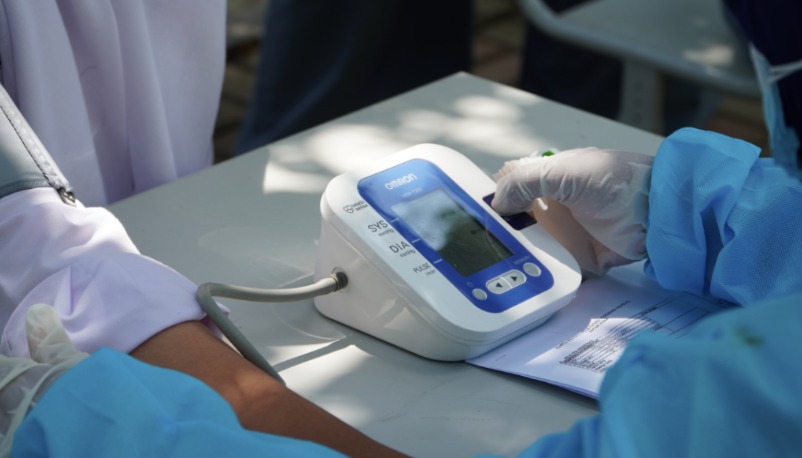
1. Blood Pressure Check: Start in Young Adulthood
Blood pressure measurement is technically a measurement rather than a laboratory test, but it belongs on almost every adult preventive-care checklist.The USPSTF recommends screening adults aged 18 years or older for hypertension. For adults aged 40 and older, or adults at increased risk, annual screening is a reasonable approach. For adults aged 18 to 39 who are not at increased risk and have previously normal blood pressure, screening every 3 to 5 years may be appropriate.
The reason this matters is that hypertension can remain silent while increasing the risk of cardiovascular disease, stroke, kidney disease, and other complications.
WHO reports that hypertension is a major cause of premature death worldwide and that it can often be detected through a simple blood pressure measurement.
A single elevated reading does not necessarily establish a diagnosis. The USPSTF recommends confirming elevated office measurements with measurements outside the clinical setting, such as ambulatory or validated home blood pressure monitoring, before starting treatment.
For a healthy adult in their 20s or 30s, blood pressure should therefore be part of routine primary-care visits rather than something reserved for older adults.
Internal linking opportunity: A health website can naturally connect this section to articles such as “What Is Normal Blood Pressure?”, “How to Lower Blood Pressure Naturally,” “Early Warning Signs of High Blood Pressure,” or a relevant hypertension service page.
2. Cholesterol and Lipid Testing: Establish Cardiovascular Risk
A lipid panel measures blood fats such as total cholesterol, LDL cholesterol, HDL cholesterol, and triglycerides.Cholesterol testing becomes particularly important as cardiovascular risk increases with age and with factors such as diabetes, hypertension, smoking, obesity, and family history.
The CDC states that most healthy adults should have their cholesterol checked every 4 to 6 years, while people with heart disease, diabetes, or a family history of high cholesterol may need more frequent testing.
The significance of cholesterol is not limited to the laboratory number itself. Healthcare professionals generally interpret lipid results alongside other cardiovascular risk factors.
For example, the USPSTF recommends considering statin therapy for certain adults aged 40 to 75 who have at least one cardiovascular risk factor and a calculated 10-year cardiovascular risk of 10% or greater. For those with an estimated risk of 7.5% to less than 10%, statin treatment may be selectively offered after discussing potential benefits and harms.
This demonstrates why a cholesterol result should not be interpreted in isolation.
An LDL level that means something different for a young person with no risk factors may have much greater significance for someone with diabetes, hypertension, or a strong family history of cardiovascular disease.
Internal linking opportunity: Link this section to “LDL vs HDL Cholesterol Explained,” “What Does a Lipid Panel Show?”, “How to Lower LDL Cholesterol,” and cardiovascular risk assessment or preventive-health service pages.
3. Diabetes and Prediabetes Screening: Pay Attention From Age 35
Type 2 diabetes often develops gradually. A person may have elevated blood glucose for years before developing noticeable symptoms.The USPSTF recommends screening asymptomatic adults aged 35 to 70 who are overweight or obese for prediabetes and type 2 diabetes.
Common screening approaches include fasting plasma glucose, HbA1c, and oral glucose tolerance testing, depending on the clinical situation.
The HbA1c test is particularly useful because it reflects average blood glucose over approximately the previous two to three months rather than measuring glucose at only one moment.
A screening result showing prediabetes does not mean that someone inevitably develops diabetes. It signals increased metabolic risk and creates an opportunity for lifestyle intervention and clinical monitoring.
The USPSTF specifically recommends that clinicians offer or refer people with prediabetes to effective preventive interventions.
Adults with a family history of type 2 diabetes, a history of gestational diabetes, certain ethnic backgrounds, obesity, hypertension, or other metabolic risk factors may require individualized screening beyond a simple age-based schedule.
Internal linking opportunity: This section can link to “Prediabetes Symptoms and Warning Signs,” “A1C Test Explained,” “How to Prevent Type 2 Diabetes,” “Insulin Resistance Explained,” and diabetes screening or nutrition service pages.
4. Colorectal Cancer Screening: Begin at 45 for Average-Risk Adults
Colorectal cancer screening is one of the most important age-related cancer screening decisions for adults.The USPSTF recommends screening average-risk adults from age 45 through 75. Adults aged 76 to 85 may benefit selectively depending on overall health, previous screening history, and personal preferences.
Importantly, colorectal screening does not necessarily mean having a colonoscopy every year.
Several screening strategies are available. The USPSTF lists annual fecal immunochemical testing, annual high-sensitivity guaiac fecal occult blood testing, stool DNA-FIT every 1 to 3 years, CT colonography every 5 years, and colonoscopy every 10 years among recommended strategies.
These tests are not interchangeable in terms of preparation, frequency, follow-up requirements, and whether an abnormal result leads directly to visualization of the colon.
A positive stool-based screening test generally requires follow-up diagnostic colonoscopy.
People with a personal history of colorectal cancer or adenomatous polyps, inflammatory bowel disease, or certain hereditary cancer syndromes may need a different screening strategy and should not simply follow an average-risk schedule.
Internal linking opportunity: Link to “Colonoscopy vs FIT Test,” “Early Signs of Colorectal Cancer,” “How to Prepare for a Colonoscopy,” “What Does a Stool DNA Test Detect?” and gastroenterology or colonoscopy service pages.
5. Cervical Cancer Screening: Follow the Age-Based Schedule
For people with a cervix, cervical cancer screening is another important age-based preventive measure.The USPSTF recommends cervical cancer screening for women aged 21 to 65. For ages 21 to 29, cervical cytology alone every 3 years is recommended. For ages 30 to 65, options include cytology every 3 years, high-risk HPV testing alone every 5 years, or cotesting with HPV testing and cytology every 5 years.
The reason HPV testing has become such an important part of cervical cancer prevention is that persistent infection with high-risk types of human papillomavirus can cause cellular changes that may eventually lead to cervical cancer.
Screening is different from diagnostic testing. Someone with abnormal bleeding, pelvic pain, unusual discharge, or an abnormal previous cervical screening result may need evaluation outside the routine screening schedule.
It is also important not to assume that a person needs screening indefinitely. Age, previous results, surgical history, and other factors can affect whether screening should continue.
Internal linking opportunity: Relevant supporting content includes “Pap Smear vs HPV Test,” “What Does an HPV Test Detect?”, “How Often Should You Get a Pap Smear?” and gynecology, women’s health, or cervical screening service pages.
6. Mammogram: Breast Cancer Screening From Age 40
For women at average risk of breast cancer, the current USPSTF recommendation is to begin biennial mammography at age 40 and continue through age 74.This was an important update because earlier recommendations commonly started routine screening later.
The 2024 USPSTF guidance recommends mammography every other year for women aged 40 to 74 and notes that more research is needed regarding supplemental screening for women with dense breasts and screening in women aged 75 and older.
Average-risk screening is not the same as high-risk breast cancer surveillance.
A woman with a strong family history, known genetic mutation associated with breast cancer, prior chest radiation, or other significant risk factors may need a different screening strategy, potentially including earlier or additional imaging.
Similarly, a new breast lump, nipple discharge, skin changes, or other concerning breast symptoms should be medically evaluated rather than waiting for the next scheduled mammogram.
Internal linking opportunity: Link to “When Should You Get Your First Mammogram?”, “Mammogram vs Breast Ultrasound,” “Dense Breasts Explained,” and breast imaging or women’s health service pages.
7. Lung Cancer Screening: Important for Certain Smokers After 50
Lung cancer screening is not recommended for every adult. It is specifically targeted at people with a substantial smoking history.The USPSTF recommends annual low-dose computed tomography, or LDCT, for adults aged 50 to 80 who have at least a 20 pack-year smoking history and currently smoke or quit within the previous 15 years.
A pack-year is calculated by multiplying the average number of packs smoked per day by the number of years a person smoked.
For example, smoking one pack per day for 20 years equals 20 pack-years. Smoking two packs per day for 10 years also equals 20 pack-years.
Screening should stop once a person has not smoked for 15 years or develops a health condition that substantially limits life expectancy or the ability or willingness to undergo curative lung surgery.
The recommendation is deliberately limited because CT screening can also produce harm, including false-positive results, incidental findings, overdiagnosis, and radiation exposure.
The USPSTF’s modeling analysis estimated that the current screening strategy could reduce lung cancer mortality by 13.0% compared with 9.8% under the older screening criteria.
Internal linking opportunity: Connect this section with “What Is a Pack-Year?”, “Low-Dose CT vs Regular CT,” “Early Lung Cancer Symptoms,” “How Smoking Affects the Lungs,” and smoking cessation or diagnostic imaging service pages.
8. Hepatitis C Screening: A One-Time Test Can Matter
Hepatitis C is a viral infection that can cause chronic liver disease, cirrhosis, and liver cancer.One reason screening is important is that chronic hepatitis C can remain unnoticed for years.The USPSTF recommends screening adults aged 18 to 79 for hepatitis C virus infection.
Screening commonly begins with an antibody test. If antibodies are detected, additional testing is needed to determine whether there is current infection.
A positive screening result therefore does not automatically mean someone currently has active hepatitis C.
People with ongoing risk factors may need repeat testing even after an earlier negative result.
This is a good example of why preventive healthcare cannot be reduced to an age chart. Exposure history can change the appropriate screening schedule.
Internal linking opportunity: Link to “Hepatitis C Symptoms,” “Hepatitis C Test Explained,” “How Hepatitis C Affects the Liver,” and liver disease testing or infectious disease service pages.
9. HIV Screening: An Important Adult Preventive Test
HIV screening is another test that should not be overlooked simply because a person feels healthy.The USPSTF recommends HIV screening for adolescents and adults aged 15 to 65, with screening for younger or older people who have increased risk.
HIV testing can be performed using blood or other approved specimen types depending on the test.
A person’s risk can also change over time. Therefore, someone who previously tested negative may need repeat testing depending on new exposures or other circumstances.
Early diagnosis matters because HIV treatment can suppress the virus and substantially improve health outcomes while reducing the risk of transmission.
The appropriate testing interval should be discussed confidentially with a healthcare professional based on individual circumstances.
Internal linking opportunity: Natural supporting pages include “How HIV Testing Works,” “When Should You Get an HIV Test?”, “HIV vs AIDS,” “Common STI Tests for Adults,” and sexual-health testing service pages.
10. Bone Density Testing: Usually Becomes Important Later in Life
Bone health becomes increasingly important with age because bone density can decline, increasing the risk of osteoporosis and fractures.The USPSTF’s 2025 recommendation states that women aged 65 years or older should be screened for osteoporosis. It also recommends screening postmenopausal women younger than 65 who have risk factors and are found to be at increased fracture risk through clinical assessment.
The primary test is usually dual-energy X-ray absorptiometry, commonly called a DXA or DEXA scan.
For men, the USPSTF currently considers the evidence insufficient to recommend routine osteoporosis screening.
That does not mean men can ignore bone health. A healthcare professional may recommend evaluation based on fractures, medications such as long-term glucocorticoids, medical conditions, low body weight, or other risk factors.
The USPSTF notes that osteoporosis affects approximately 12.6% of community-dwelling U.S. adults aged 50 and older, with substantially higher prevalence among women aged 65 and older.
Internal linking opportunity: This section can connect to “Osteoporosis Symptoms,” “DEXA Scan Explained,” “How to Maintain Bone Density After 50,” “Calcium and Vitamin D for Bone Health,” and bone-health or imaging service pages.
What About Prostate, Thyroid, Vitamin D, and Other Tests?
A common problem with lists of “essential medical tests” is that they sometimes present tests as universally necessary when the evidence does not support routine screening for everyone.Prostate cancer screening is a good example. PSA testing may be appropriate for some men after an individualized discussion, but age, family history, race, and personal preferences matter. It should not simply be placed on every adult’s annual laboratory checklist.
The same applies to thyroid testing, vitamin D testing, testosterone testing, extensive hormone panels, advanced cardiac imaging, and numerous “wellness” blood tests marketed online.
More testing does not automatically mean better healthcare.
A test is useful when the potential benefit of identifying a condition outweighs the potential harms of false positives, unnecessary follow-up procedures, anxiety, overdiagnosis, cost, or treatment that may not ultimately improve health.
That is why evidence-based preventive care emphasizes risk assessment rather than indiscriminate testing.
Medical Tests by Age: A Practical Framework
Instead of memorizing a huge list, adults can think about preventive screening in stages.
Ages 18 to 29
Routine blood pressure measurement should begin in adulthood. Depending on individual risk, cholesterol, HIV, hepatitis C, sexually transmitted infection screening, and other tests may also be appropriate.
The goal during this period is often establishing baseline health information and identifying preventable risk factors early.
Ages 30 to 39
Blood pressure and cardiovascular risk assessment remain important. Cholesterol testing should be performed according to individual risk and recommended intervals. At age 35, adults with overweight or obesity enter the USPSTF-recommended age range for diabetes screening.
Adults should also remain current with age-appropriate infectious disease and reproductive health screening.
Ages 40 to 49
This is when several major screening decisions become especially relevant.
Women at average risk should discuss mammography beginning at age 40.
Adults with overweight or obesity should already be receiving diabetes screening beginning at age 35 under USPSTF guidance.
Cardiovascular risk assessment becomes increasingly important, including cholesterol and blood pressure.
Colorectal cancer screening begins at age 45 for average-risk adults.
Ages 50 to 64
Preventive screening becomes more extensive.
Colorectal cancer screening should continue.
Adults with an appropriate smoking history may become eligible for annual low-dose CT lung cancer screening beginning at age 50.
Breast and cervical cancer screening should continue according to the relevant schedules.
Cardiovascular risk assessment remains important, particularly when hypertension, diabetes, smoking, or abnormal cholesterol is present.
Age 65 and Beyond
At this stage, preventive care increasingly incorporates bone health, cancer screening decisions, cardiovascular risk, mobility, cognitive health, vaccination, and individualized assessment of life expectancy and treatment goals.
Women aged 65 and older should be screened for osteoporosis according to the USPSTF.
Cancer screening decisions may also become more individualized. For example, the USPSTF recommends colorectal cancer screening through age 75 and selective screening from 76 to 85 depending on health, prior screening, and preferences.
Preventive care in older adulthood should therefore become more personalized rather than simply adding more tests.
Why You Should Not Wait for Symptoms
The central purpose of screening is to detect certain conditions before they produce obvious symptoms.High blood pressure is a particularly clear example. WHO estimates that 44% of adults with hypertension worldwide were unaware they had it in 2024.
Similarly, colorectal cancer screening is designed for adults without symptoms, while lung cancer screening targets high-risk people before symptoms develop.
This is why feeling healthy should not automatically be interpreted as proof that everything is normal.
At the same time, screening should never replace attention to symptoms.
If you develop persistent or unexplained symptoms, you may require diagnostic evaluation even if your last screening tests were normal.
How Often Should Adults Get Medical Tests?
There is no universal annual testing schedule.Blood pressure may need checking annually from age 40 or more often if risk is elevated.
Healthy adults may have cholesterol checked every 4 to 6 years, according to CDC guidance, while people with cardiovascular conditions or other risks may need more frequent monitoring.
Diabetes screening depends on age, body weight, previous results, and risk factors.
Cancer screening has its own intervals, such as biennial mammography from ages 40 through 74 for average-risk women under the current USPSTF recommendation.
Therefore, a preventive-care schedule should be individualized rather than automatically based on an annual blood test package.
How to Prepare for Your Preventive Health Appointment
Before an appointment, prepare a list of medications and supplements, previous diagnoses, surgeries, allergies, vaccination records, and relevant family medical history.Your family history is particularly important for conditions such as premature cardiovascular disease, certain cancers, diabetes, and hereditary disorders.
Also tell your clinician about smoking history. For lung cancer screening, the number of pack-years and the number of years since quitting directly affect eligibility under current USPSTF guidance.
Bring previous laboratory results if they were performed elsewhere.
Most importantly, ask what screening is appropriate for your age and risk profile rather than requesting every test available.
The Bottom Line
Preventive medical testing should be based on age, risk factors, personal history, and evidence—not on the idea that every adult needs a huge laboratory panel every year.The most important age-related screening considerations include blood pressure measurement, cholesterol testing, diabetes screening, colorectal cancer screening, cervical cancer screening, mammography, lung cancer screening for eligible smokers, hepatitis C testing, HIV testing, and osteoporosis screening.
The exact timing varies considerably.
Some checks begin in young adulthood, while others become particularly relevant after 35, 40, 45, 50, or 65. Some are recommended broadly, while others are appropriate only for people with specific risk factors.
The best preventive-care plan is therefore a conversation with a qualified healthcare professional who can combine your age, family history, previous results, medications, lifestyle, and personal risk profile.
And remember: screening recommendations are not substitutes for medical evaluation. If you have symptoms or a significant change in your health, seek appropriate medical assessment rather than waiting for your next routine screening test.
Frequently Asked Questions
What medical tests should adults get regularly?
Common preventive checks include blood pressure measurement, cholesterol testing, diabetes screening when indicated, age-appropriate cancer screening, and infectious-disease screening based on age and risk. The appropriate schedule varies by individual.
What health screenings should I have at age 30?
Blood pressure should be monitored, while cholesterol, HIV, hepatitis C, sexually transmitted infection testing, and other screening may be appropriate depending on personal risk. Diabetes screening generally begins at age 35 for adults with overweight or obesity under current USPSTF guidance.
What medical tests should I get at age 40?
At 40, cardiovascular risk assessment becomes increasingly important. For women at average risk, the USPSTF recommends beginning mammography every other year at age 40.
What screenings start at age 45?
Average-risk colorectal cancer screening begins at age 45 under current USPSTF recommendations.
When should adults start diabetes screening?
The USPSTF recommends screening adults aged 35 to 70 who are overweight or obese for prediabetes and type 2 diabetes.
How often should cholesterol be checked?
The CDC says most healthy adults should have cholesterol checked every 4 to 6 years. People with heart disease, diabetes, or a family history of high cholesterol may require more frequent testing.
When should women start mammograms?
For women at average risk, the USPSTF recommends screening mammography every other year from age 40 through age 74.
When should colon cancer screening begin?
The USPSTF recommends colorectal cancer screening for average-risk adults beginning at age 45 and continuing through age 75.
Who should get lung cancer screening?
The USPSTF recommends annual low-dose CT screening for adults aged 50 to 80 with at least a 20 pack-year smoking history who currently smoke or quit within the previous 15 years.
When should women get a bone density test?
The USPSTF recommends osteoporosis screening for women aged 65 and older and for postmenopausal women younger than 65 who have increased fracture risk based on clinical assessment.
Should men get routine osteoporosis screening?
The USPSTF currently considers evidence insufficient to recommend routine osteoporosis screening for men. Individual clinical circumstances may still justify evaluation.
Should healthy adults get an annual full-body blood test?
Not necessarily. There is no evidence-based rule that every healthy adult needs a large panel of laboratory tests every year. Screening should be selected according to age, risk factors, symptoms, medical history, and established preventive-care recommendations.
Are blood tests enough for preventive healthcare?
No. Preventive healthcare can include blood pressure measurement, cancer screening, imaging, infectious-disease testing, mental-health screening, vaccination, lifestyle assessment, and other evaluations. The appropriate combination depends on the individual.
Can I skip screening if I feel healthy?
Feeling healthy does not eliminate the need for recommended screening. Conditions such as hypertension may have no symptoms, and WHO estimates that about 44% of adults with hypertension were unaware they had it in 2024.
Are these screening recommendations the same in every country?
No. Screening guidelines can differ between countries because healthcare systems, disease prevalence, evidence reviews, and national policies differ. The recommendations discussed here primarily reflect current U.S. guidance from organizations such as the USPSTF and CDC.
What should I do if a screening test comes back abnormal?
An abnormal screening result does not necessarily mean you have a disease. Some results require repeat testing, confirmatory testing, imaging, or specialist evaluation. Follow-up should be discussed with a qualified healthcare professional rather than interpreted from the screening result alone.