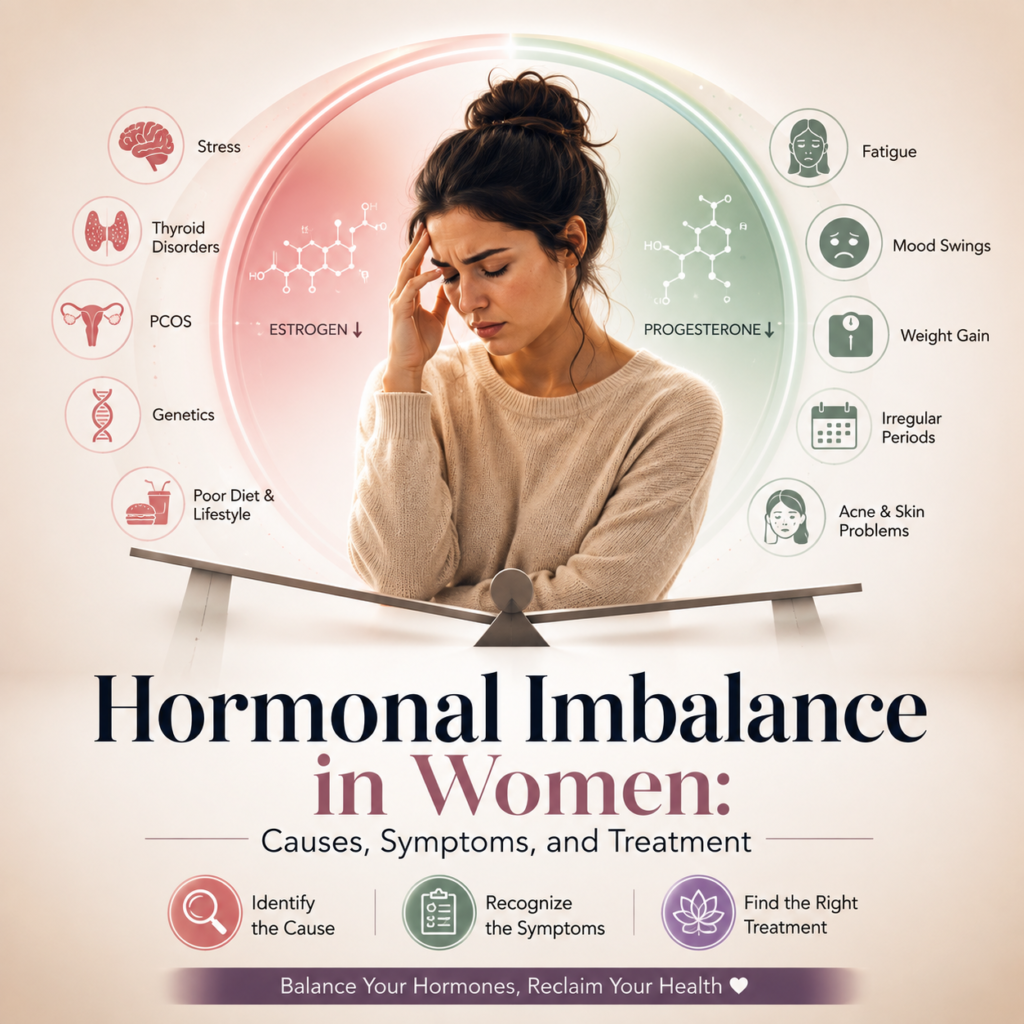
Hormonal Imbalance in Women: Causes, Symptoms, and Treatment
Hormones influence nearly every major system in a woman’s body, from the menstrual cycle and fertility to metabolism, sleep, mood, bone health, sexual function, and energy. When hormone production or signaling changes because of a medical condition, life stage, medication, or another underlying factor, women may notice symptoms such as irregular periods, acne, unexplained weight changes, fatigue, hot flashes, hair changes, mood changes, or difficulty becoming pregnant.
However, “hormonal imbalance” is not one specific medical diagnosis. Hormone levels naturally rise and fall throughout the menstrual cycle and change substantially during puberty, pregnancy, postpartum life, perimenopause, and menopause. Symptoms that appear hormonal can also result from thyroid disorders, polycystic ovary syndrome (PCOS), nutritional problems, stress, certain medications, sleep problems, or other medical conditions.
That distinction matters. Rather than assuming that every symptom means estrogen, progesterone, or another hormone is “out of balance,” a healthcare professional typically looks at the pattern of symptoms, menstrual history, medications, age, reproductive goals, and appropriate laboratory or imaging findings.
The Endocrine Society describes hormones as chemical messengers that affect processes including metabolism, sexual function, reproduction, growth, development, and mood. Hormonal changes can therefore produce symptoms across multiple parts of the body rather than affecting only the reproductive system.
What Is Hormonal Imbalance in Women?
Hormonal imbalance generally refers to hormone levels or hormone activity that are higher or lower than expected for a particular physiological situation.
Important hormones in women include estrogen, progesterone, testosterone, thyroid hormones, cortisol, insulin, prolactin, follicle-stimulating hormone (FSH), and luteinizing hormone (LH). These hormones interact with one another through complex feedback systems involving the ovaries, thyroid, adrenal glands, pituitary gland, hypothalamus, and other tissues.
For example, estrogen and progesterone help regulate the menstrual cycle. FSH and LH coordinate ovarian function and ovulation. Thyroid hormones influence metabolism and can affect menstrual regularity and fertility. Insulin helps regulate blood glucose, but abnormal insulin signaling can also be associated with reproductive conditions such as PCOS.
Hormone levels are not supposed to remain constant. Estrogen and progesterone naturally change during the menstrual cycle, while major shifts occur during pregnancy and menopause.
This means a single abnormal hormone result does not necessarily establish a disease. The meaning of a hormone test depends on factors such as the menstrual-cycle phase, pregnancy status, medications, age, symptoms, and the specific laboratory reference range.
Common Causes of Hormonal Changes in Women
Hormonal symptoms can have many different causes. Some are normal stages of life, while others require medical evaluation.
Menstrual Cycle Changes
Hormone levels fluctuate naturally during the menstrual cycle. Estrogen generally rises during the first part of the cycle, while progesterone becomes more prominent after ovulation.
Because of these fluctuations, women can experience temporary changes in breast tenderness, appetite, mood, energy, cervical mucus, and other symptoms without having a hormonal disorder.
However, persistent or significant changes in menstruation deserve attention. Very heavy bleeding, consistently irregular periods, periods that stop unexpectedly, or bleeding between periods can sometimes indicate an underlying condition.
Polycystic Ovary Syndrome
PCOS is one of the most important causes of hormonal and reproductive symptoms in women of reproductive age.
According to the World Health Organization, PCOS affects an estimated 10–13% of reproductive-aged women worldwide, and up to 70% of women with PCOS may not know they have it. It is associated with higher androgen levels, irregular menstrual periods, abnormal ovulation, infertility, excess facial or body hair, and acne.
PCOS is also more than a menstrual disorder. It is associated with metabolic problems such as insulin resistance, obesity, and type 2 diabetes.
A woman with irregular periods, increased facial hair, persistent acne, scalp hair thinning, or difficulty conceiving may need an evaluation for PCOS, but these symptoms can have other causes as well.
Thyroid Disorders
The thyroid gland produces hormones that influence metabolism, energy use, temperature regulation, and many other bodily functions.
Hypothyroidism occurs when the thyroid does not produce enough thyroid hormone. Symptoms can include fatigue, weight gain, cold intolerance, constipation, dry skin, hair changes, depression, and heavy or irregular menstrual periods.
Hyperthyroidism occurs when the body has too much thyroid hormone activity. It can cause symptoms such as rapid heartbeat, nervousness, tremor, heat intolerance, weight loss, and changes in menstrual patterns.
Because thyroid disorders can resemble other hormonal conditions, thyroid testing may be an important part of evaluating unexplained menstrual or systemic symptoms.
Perimenopause and Menopause
Hormonal changes during midlife are normal but can produce substantial symptoms.
The National Institute on Aging reports that most women begin the menopausal transition between ages 45 and 55, with the average age of menopause in the United States being 52. During this transition, ovarian production of estrogen and progesterone declines substantially.
Perimenopause may cause periods to become irregular, shorter, longer, heavier, or lighter. Hot flashes, night sweats, sleep difficulties, mood changes, vaginal dryness, and changes in sexual function can also occur.
Menopause itself is defined retrospectively after a woman has gone 12 consecutive months without a menstrual period, assuming there is no other explanation.
Pregnancy and Postpartum Hormonal Changes
Pregnancy produces major changes in reproductive and metabolic hormones.
After childbirth, hormone levels change again. Some women develop postpartum thyroiditis, an inflammatory thyroid condition that can initially cause hyperthyroid symptoms and later hypothyroid symptoms. NIDDK notes that postpartum thyroiditis may last up to a year, and some women may require thyroid hormone treatment if hypothyroidism persists.
Postpartum symptoms should not automatically be attributed to “normal hormones.” Significant fatigue, depression, anxiety, palpitations, unexplained weight changes, or other persistent symptoms deserve appropriate evaluation.
Excessive Exercise, Low Energy Availability, and Significant Weight Loss
Hormonal function can also change when the body does not receive enough energy relative to physical demands.
Functional hypothalamic amenorrhea is an example. It can occur in association with low energy availability, significant weight loss, excessive exercise, or psychological stress.
The Endocrine Society recommends that clinicians exclude pregnancy and other medical causes before diagnosing hypothalamic amenorrhea. Evaluation may include hormone testing involving estrogen, thyroid hormones, and prolactin.
This is one reason why persistent loss of periods should not simply be treated with supplements without determining the underlying cause.
Certain Medications
Medications can influence hormone production or hormone signaling.
Examples include some glucocorticoids, opioids, hormonal contraceptives, medications affecting thyroid function, and drugs that influence prolactin or reproductive hormones.
The Endocrine Society notes that medications and supplements can affect endocrine organs and hormonal function.
A medication should never be stopped suddenly because of suspected hormonal symptoms without discussing the decision with the prescribing clinician.
Symptoms of Hormonal Imbalance in Women
There is no single symptom that proves a woman has a hormonal disorder. Instead, clinicians look for patterns.
Irregular or Missed Periods
Changes in menstrual cycles are among the most noticeable signs associated with reproductive hormone changes.
Possible causes include PCOS, thyroid disorders, pregnancy, perimenopause, hypothalamic amenorrhea, elevated prolactin, certain medications, and other gynecological conditions.
A period becoming irregular once does not necessarily indicate disease. Repeated or significant changes are more important.
Heavy Menstrual Bleeding
Heavy or prolonged menstrual bleeding can have hormonal causes but can also result from fibroids, adenomyosis, endometriosis, bleeding disorders, medications, pregnancy-related complications, or other conditions.
Women with very heavy bleeding, dizziness, weakness, shortness of breath, or symptoms of anemia should seek medical assessment rather than assuming the cause is simply “hormonal.”
Acne and Excess Hair Growth
Androgen activity can influence skin and hair.
Higher androgen levels can contribute to acne, increased facial or body hair, and scalp hair thinning. These symptoms are particularly relevant when they occur alongside irregular periods because the combination can suggest PCOS.
However, acne and hair changes can occur without a major hormone disorder.
Unexplained Weight Changes
Hormones influence appetite, metabolism, fluid balance, and body composition.
Thyroid disorders can contribute to weight changes, while menopause can be accompanied by changes in body-fat distribution. Insulin resistance and PCOS can also affect metabolic health.
Nevertheless, weight change is nonspecific. Diet, physical activity, sleep, medications, aging, stress, fluid retention, and many medical conditions can influence body weight.
Fatigue and Low Energy
Fatigue is frequently described as a “hormonal imbalance symptom,” but it has a very broad differential diagnosis.
Thyroid disease, anemia, sleep disorders, depression, anxiety, nutritional deficiencies, infections, medication effects, chronic disease, and inadequate calorie intake can all contribute to fatigue.
A persistent lack of energy therefore warrants an assessment based on the full clinical picture rather than automatically ordering a large panel of hormone tests.
Mood Changes
Changes in estrogen and progesterone can influence mood and sleep, particularly during perimenopause and menopause.
The Endocrine Society identifies mood swings, mental fogginess, anxiety, depression, and sleep disruption among symptoms that may occur during menopause.
But mood changes should not automatically be attributed to hormones. Mental health conditions can occur independently of reproductive hormone changes and deserve appropriate care.
Sleep Problems
Hormonal changes may contribute to sleep difficulties.
During menopause, night sweats and hot flashes can interrupt sleep. Changes in sleep can then affect mood, concentration, energy, and appetite, creating a cycle in which several symptoms reinforce one another.
Sleep problems can also result from sleep apnea, anxiety, depression, medications, shift work, caffeine, alcohol, or other medical conditions.
Changes in Sexual Function
Lower sexual desire, vaginal dryness, discomfort during sex, and changes in arousal can occur during menopause because of hormonal changes.
Low estrogen can contribute to vaginal tissue changes and dryness. The Endocrine Society lists vaginal dryness and reduced sexual desire among possible symptoms associated with low estrogen.
However, sexual health is influenced by relationship factors, medications, mental health, pelvic conditions, pain, stress, sleep, and cardiovascular health as well.
Hormonal Imbalance and Fertility
Hormones are central to ovulation and reproduction.
A woman may experience difficulty conceiving if ovulation is irregular or absent. PCOS is one of the leading causes of anovulation globally and is a major cause of infertility.
Thyroid disorders, high prolactin levels, hypothalamic amenorrhea, primary ovarian insufficiency, and other endocrine problems can also affect reproductive function.
A fertility evaluation should therefore look beyond estrogen and progesterone alone.
Depending on the situation, clinicians may evaluate thyroid function, prolactin, ovarian function, ovulation, reproductive anatomy, and other factors. The appropriate tests depend on the individual’s age, menstrual pattern, pregnancy history, and fertility goals.
How Is Hormonal Imbalance Diagnosed?
There is no universal “hormone imbalance test.”
Diagnosis begins with a detailed medical history.
A clinician may ask about:
- Menstrual cycle length and changes
- Pregnancy possibility
- Fertility and ovulation
- Weight changes
- Acne or excess hair growth
- Hair loss
- Sleep
- Mood and mental health
- Hot flashes and night sweats
- Medications and supplements
- Exercise patterns
- Diet and significant weight loss
- Family history
- Thyroid symptoms
- Recent pregnancy or childbirth
The physical examination may provide additional clues.
Laboratory testing is then selected according to the suspected condition rather than performed as a generic screening panel.
Possible tests can include thyroid-stimulating hormone (TSH), free thyroxine (T4), prolactin, FSH, LH, estradiol, progesterone, testosterone or other androgens, glucose-related tests, and pregnancy testing.
Not every woman needs every test.
For example, menopause is often diagnosed clinically based on age and menstrual history. The Endocrine Society recommends clinical criteria for diagnosing menopause in typical circumstances, with laboratory testing reserved for situations where the diagnosis is unclear.
Why Hormone Testing Can Be Complicated
Hormone levels change over time.
A reproductive hormone result can vary depending on the day of the menstrual cycle. Hormonal contraceptives can also alter hormone levels. Pregnancy changes hormone concentrations dramatically.
This means that a single laboratory number cannot always tell the complete story.
For example, estrogen levels naturally fluctuate during the menstrual cycle. A result that looks high or low in isolation may be completely appropriate for a particular stage of the cycle.
This is why hormone results should be interpreted alongside symptoms, menstrual history, medications, age, and the laboratory’s reference range.
Online “hormone panels” marketed as a way to diagnose every hormonal problem should therefore be approached cautiously.
Treatment for Hormonal Imbalance in Women
Treatment depends entirely on the underlying cause.
There is no single treatment that “balances hormones” for every woman.
Treating PCOS
PCOS treatment depends on the woman’s symptoms and goals.
Treatment may focus on menstrual regulation, acne or excess hair, metabolic health, contraception, or fertility.
Lifestyle interventions can be an important component of PCOS management, particularly when metabolic risk factors are present. Some women may also receive medications to regulate periods, manage androgen-related symptoms, improve insulin sensitivity, or support ovulation.
Because PCOS affects women differently, treatment should be individualized.
Treating Thyroid Disorders
Hypothyroidism is commonly treated with thyroid hormone replacement, particularly levothyroxine.
NIDDK notes that levothyroxine is the standard thyroid hormone used during pregnancy for women who require treatment, and thyroid levels are monitored regularly because thyroid requirements can change during pregnancy.
Hyperthyroidism has different treatment options, including antithyroid medication, radioactive iodine, or surgery depending on the cause and individual circumstances.
Managing Perimenopause and Menopause
Treatment for menopause symptoms depends on symptom severity, health history, age, reproductive status, and individual risks and preferences.
Lifestyle measures can help some women manage symptoms. These may include regular physical activity, maintaining a healthy diet, improving sleep habits, avoiding individual hot-flash triggers, and addressing smoking or excessive alcohol use.
Hormone therapy may be appropriate for some women with significant menopausal symptoms, while nonhormonal medications and local treatments can be considered for others.
For vaginal dryness and painful sex related to menopause, the National Institute on Aging notes that local vaginal estrogen treatments and other options may be used depending on the individual’s situation.
Hormone therapy should be discussed with a qualified healthcare professional because benefits and risks differ according to a woman’s medical history.
Treating Hypothalamic Amenorrhea
When menstrual loss is related to inadequate energy availability, treatment focuses on addressing the underlying energy imbalance.
This can involve increasing nutritional intake, reducing excessive exercise, and addressing psychological stress or eating disorders where relevant.
Hormone replacement may sometimes be considered, but simply giving hormones without correcting the underlying cause may not address the broader health problem.
Lifestyle Habits That Support Hormonal Health
Healthy habits cannot cure every endocrine disorder, but they can support metabolic, reproductive, cardiovascular, and bone health.
A balanced diet should provide adequate protein, fiber, healthy fats, vitamins, minerals, and overall energy. Extreme dieting and prolonged energy restriction can negatively affect reproductive function in some women.
Regular physical activity supports cardiovascular health, bone health, insulin sensitivity, muscle strength, and mental well-being.
Sleep is equally important. Persistent sleep deprivation can affect appetite regulation, mood, metabolic health, and daily functioning.
Stress management also matters, although “stress” should not be used as a catch-all explanation for every hormonal symptom.
The goal should not be to achieve a perfectly “balanced” hormone profile. The goal is to identify and treat actual medical problems while supporting the body’s normal endocrine function.
When Should Women See a Doctor?
Women should consider medical evaluation when hormonal symptoms are persistent, severe, new, or interfering with daily life.
Particular reasons to seek evaluation include periods that repeatedly stop or become highly irregular, very heavy bleeding, infertility, new facial hair or severe acne, unexplained weight changes, persistent fatigue, significant hair loss, recurrent hot flashes at an unexpectedly young age, or symptoms of thyroid disease.
Bleeding after menopause deserves medical evaluation. The NIA also recommends contacting a doctor for heavy bleeding, bleeding between periods or after sex, periods lasting more than a week, or bleeding that returns after a year without menstruation.
Women who develop severe symptoms such as fainting, chest pain, severe shortness of breath, very heavy bleeding, confusion, or other emergency symptoms should seek urgent medical care.
Hormonal Imbalance, Women’s Health, and Long-Term Risks
Hormonal conditions can have consequences beyond immediate symptoms.
PCOS, for example, is associated with insulin resistance, type 2 diabetes, obesity, and other long-term metabolic risks.
Menopause is also a major physiological transition. Declining estrogen is associated with changes in bone health and cardiovascular risk factors, making midlife an important time to address exercise, nutrition, blood pressure, cholesterol, smoking, and other preventive-health priorities.
Thyroid disorders can also affect cardiovascular, reproductive, metabolic, and mental health when untreated.
Therefore, treating the underlying condition is generally more important than simply trying to make an individual hormone number “normal.”
Common Myths About Hormonal Imbalance
Myth: Every period problem means hormones are imbalanced
Not necessarily. Irregular or heavy periods can have hormonal causes, but structural conditions, pregnancy, medications, bleeding disorders, thyroid disease, and other causes are possible.
Myth: A hormone test can tell you exactly what is wrong
Hormone testing can be useful, but the correct test depends on the suspected condition. Hormone levels change naturally and need to be interpreted in context.
Myth: All women need hormone supplements as they age
No. Menopause is a natural biological transition, and not every woman requires hormone therapy. Treatment depends on symptoms, health history, risks, and personal preferences.
Myth: Hormonal symptoms can always be fixed with supplements
Supplements are not a universal treatment for endocrine disorders. Some may interact with medications or affect laboratory results. Evidence and safety vary considerably among products.
Myth: Weight gain always means estrogen or thyroid problems
Weight is influenced by energy intake, activity, sleep, medications, aging, genetics, metabolic health, and many other factors. Thyroid disorders can contribute to weight changes, but they are not the only explanation.
Content Architecture for Search and AI Visibility
The page should be treated as a pillar resource rather than an isolated blog post.
A useful topic cluster could include:
Hormonal Imbalance in Women
PCOS Symptoms and Diagnosis
Thyroid Disorders in Women
Perimenopause and Menopause
Irregular Periods
Hormonal Acne
Female Hair Loss
Hormones and Fertility
Menopause Treatment Options
Women’s Preventive Health Screening
This structure gives both users and search engines a clear topical hierarchy.
The pillar page answers the broad question, while supporting articles address specific conditions and symptoms in greater depth.
Structured data can also support the technical SEO strategy. Depending on the website and implementation, Article and BreadcrumbList schema may be appropriate. FAQ content should accurately reflect visible page content rather than being added solely to target rich-result eligibility.
Final Takeaway
Hormonal changes are a normal part of a woman’s life, but persistent or disruptive symptoms should not automatically be dismissed as “just hormones.”
PCOS, thyroid disorders, menopause, pregnancy and postpartum changes, hypothalamic amenorrhea, medications, and other medical conditions can all influence endocrine function. The symptoms can overlap, which is why proper evaluation matters.
PCOS alone affects an estimated 10–13% of reproductive-aged women worldwide, while up to 70% of women with PCOS may remain undiagnosed. Menopause is another major hormonal transition, with most women beginning the transition between ages 45 and 55 and the average age of menopause in the United States being 52.
The most effective approach is not to chase a vague idea of “perfect hormone balance.” Instead, identify the specific cause of the symptoms, use appropriate testing when indicated, and treat the underlying condition.
Women experiencing persistent irregular periods, fertility problems, significant changes in weight, severe acne or hair changes, hot flashes, unusual bleeding, persistent fatigue, or other concerning symptoms should discuss them with a qualified healthcare professional.
FAQs About Hormonal Imbalance in Women
What are the most common signs of hormonal imbalance in women?
Common symptoms can include irregular or missed periods, heavy bleeding, acne, excess facial or body hair, hair thinning, fatigue, weight changes, mood changes, sleep problems, hot flashes, vaginal dryness, and fertility difficulties. These symptoms are not specific to one hormonal disorder.
What causes hormonal imbalance in women?
Potential causes include PCOS, thyroid disorders, menopause, pregnancy, postpartum hormonal changes, hypothalamic amenorrhea, certain medications, significant weight loss, inadequate energy intake, excessive exercise, and other endocrine or reproductive conditions.
How do I know if my hormones are imbalanced?
Symptoms alone cannot reliably diagnose a hormonal disorder. A healthcare professional may review your menstrual cycle, medical history, medications, reproductive goals, and symptoms and order targeted tests when appropriate.
What blood tests check hormone levels in women?
Depending on the suspected condition, testing may include TSH, free T4, prolactin, FSH, LH, estradiol, progesterone, testosterone or other androgens, glucose-related tests, and pregnancy testing. Not every woman needs all of these tests.
Can hormonal imbalance cause weight gain?
Some endocrine conditions can contribute to weight gain or changes in body composition. Hypothyroidism, PCOS, and menopause-related metabolic changes are examples. However, weight gain has many possible causes and should not automatically be blamed on hormones.
Can hormonal imbalance cause irregular periods?
Yes. PCOS, thyroid disorders, hypothalamic amenorrhea, menopause, elevated prolactin, pregnancy, medications, and other conditions can cause irregular or absent periods.
Can PCOS be considered a hormonal imbalance?
PCOS is a complex hormonal and metabolic condition involving reproductive hormone abnormalities, particularly increased androgen activity, along with irregular ovulation and other possible features. The WHO estimates that PCOS affects 10–13% of reproductive-aged women worldwide.
Does low estrogen cause symptoms?
Low estrogen can be associated with symptoms such as hot flashes, night sweats, vaginal dryness, lower sexual desire, sleep difficulties, mood changes, and menstrual changes. These symptoms are particularly common during the menopausal transition.
Can thyroid problems affect women’s hormones?
Yes. Thyroid disorders can affect metabolism and can also influence menstrual cycles, fertility, mood, energy, and other aspects of health. Hypothyroidism, for example, may cause fatigue, cold intolerance, weight gain, constipation, and heavy or irregular periods.
Is hormonal imbalance common during menopause?
Hormonal changes are a normal part of perimenopause and menopause. Estrogen and progesterone production from the ovaries declines during the transition, which can contribute to irregular periods, hot flashes, sleep problems, mood changes, and vaginal symptoms.
Can stress cause hormonal problems?
Significant physical or psychological stress can affect reproductive function in some women, particularly when combined with inadequate energy intake or excessive exercise. However, persistent symptoms should not automatically be attributed to stress without considering other medical causes.
Can hormonal imbalance affect fertility?
Yes. Conditions that interfere with ovulation, including PCOS, thyroid disorders, hypothalamic amenorrhea, and some other endocrine conditions, can affect fertility. Evaluation should identify the specific cause rather than assuming that one hormone is responsible.
Are hormone supplements safe for women?
Not necessarily. Hormone treatments and supplements have different benefits, risks, and evidence. Prescription hormone therapy may be appropriate for specific conditions, but self-treating with hormones or supplements can delay diagnosis or create additional risks.
When should I see a doctor about hormonal symptoms?
Seek medical advice when symptoms are persistent, severe, new, or interfering with everyday life. Particularly important concerns include repeated missed periods, very heavy bleeding, infertility, new androgen-related symptoms, significant unexplained weight changes, persistent fatigue, or menopausal symptoms that are difficult to manage.
Can hormonal imbalance be permanently cured?
It depends on the underlying cause. Some hormonal changes are temporary or related to normal life stages, while conditions such as PCOS or autoimmune thyroid disease may require long-term management. Treating the specific cause is more appropriate than trying to “balance hormones” generally.